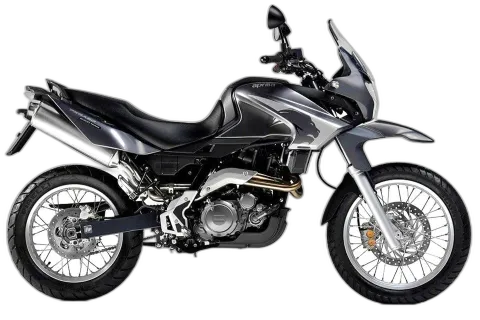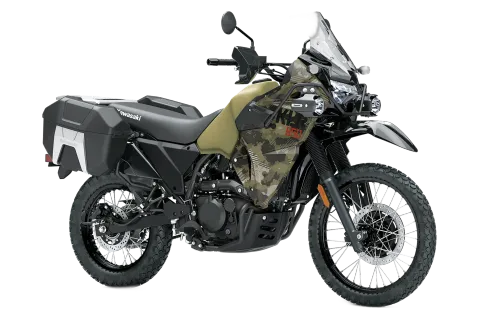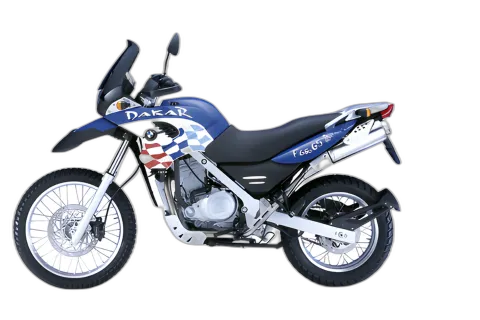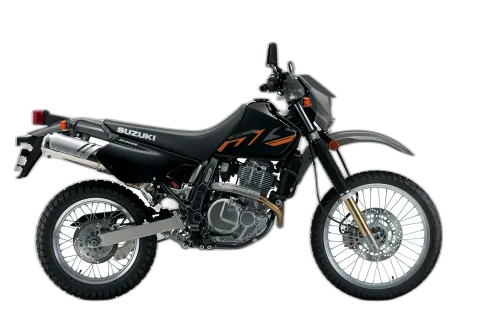
Yamaha XT 660R (XT660R) — Enduro
Yamaha Press

2004–2017 · Enduro · Buyer's Guide

XT 660R (XT660R)

3.5 / 5 NastyNils Rating · against its class

The Indestructible Long-Haul Single

The Machine's Character

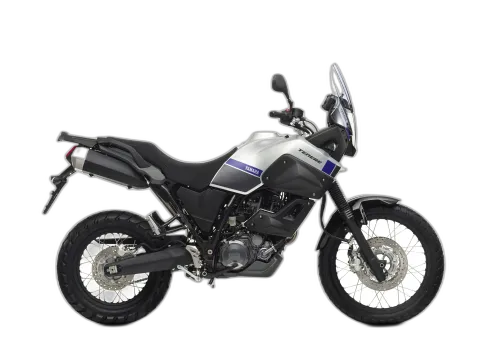
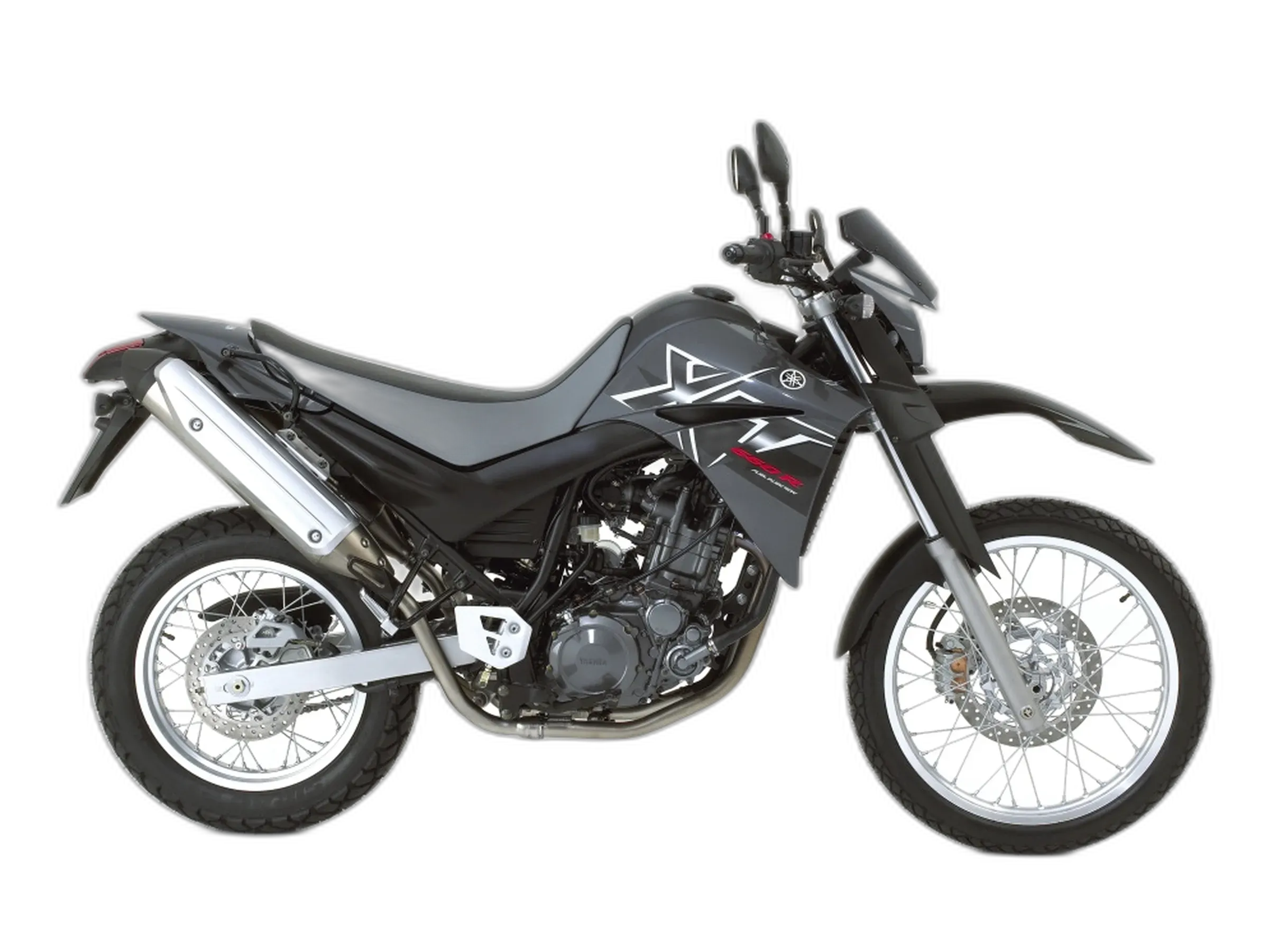
The XT 660R is Yamaha's big single reduced to what matters on a long dirt road. A liquid-cooled, fuel-injected 660 cc single makes 48 hp at 6,000 rpm and 43 lb-ft at 5,250 rpm. It sits in a steel double-cradle frame with a 21-inch front wheel, 8.9 in (225 mm) of fork travel and 8.3 in (211 mm) of ground clearance. There are no electronic rider aids: no ABS, no traction control, no ride modes. That is the whole idea. In the enduro world this is the rugged, simple choice, built to keep running year after year rather than to top a spec sheet.

At 399 lb (181 kg) wet it is heavy for an enduro, and you feel that weight as soon as the trail gets technical. It pays you back over the long run. Reliability is its biggest strength, running costs stay low, and an owner with basic tools and a manual can do most of the work at home. The aftermarket is deep, and you will use it, because the water pump and the low exhaust are exposed and need a proper bash plate and crash bars. This bike suits the rider who cares more about arriving than about arriving first. Check the frame and bolt heads for road-salt rust.

Hard Numbers

Spec sheets don't ride bikes, but they set the baseline.

Show full specs & equipment Hide specs & equipment
Key specifications
Power 48 hp (35 kW) @ 6,000 rpm
Torque 43 lb-ft (58 Nm) @ 5,250 rpm
Displacement 660 cc
Engine Single-cylinder
Cooling Liquid-cooled
Gearbox 5-speed
Final drive Chain
Fork Telescopic
Front brake 298 mm
Front tire 90/90-21
Rear tire 130/80-17
Ground clearance 8.3 in (211 mm)
Front travel 8.9 in (225 mm)
Rear travel 7.9 in (200 mm)
Seat height 34.4 in (875 mm)
Wet weight 399 lb (181 kg)
Fuel capacity 4.0 gal (15 L)
Top speed 99 mph (160 km/h)
Fuel economy 54 mpg (US)

Equipment check

Chassis

  • Rear Suspension Adjustable Standard
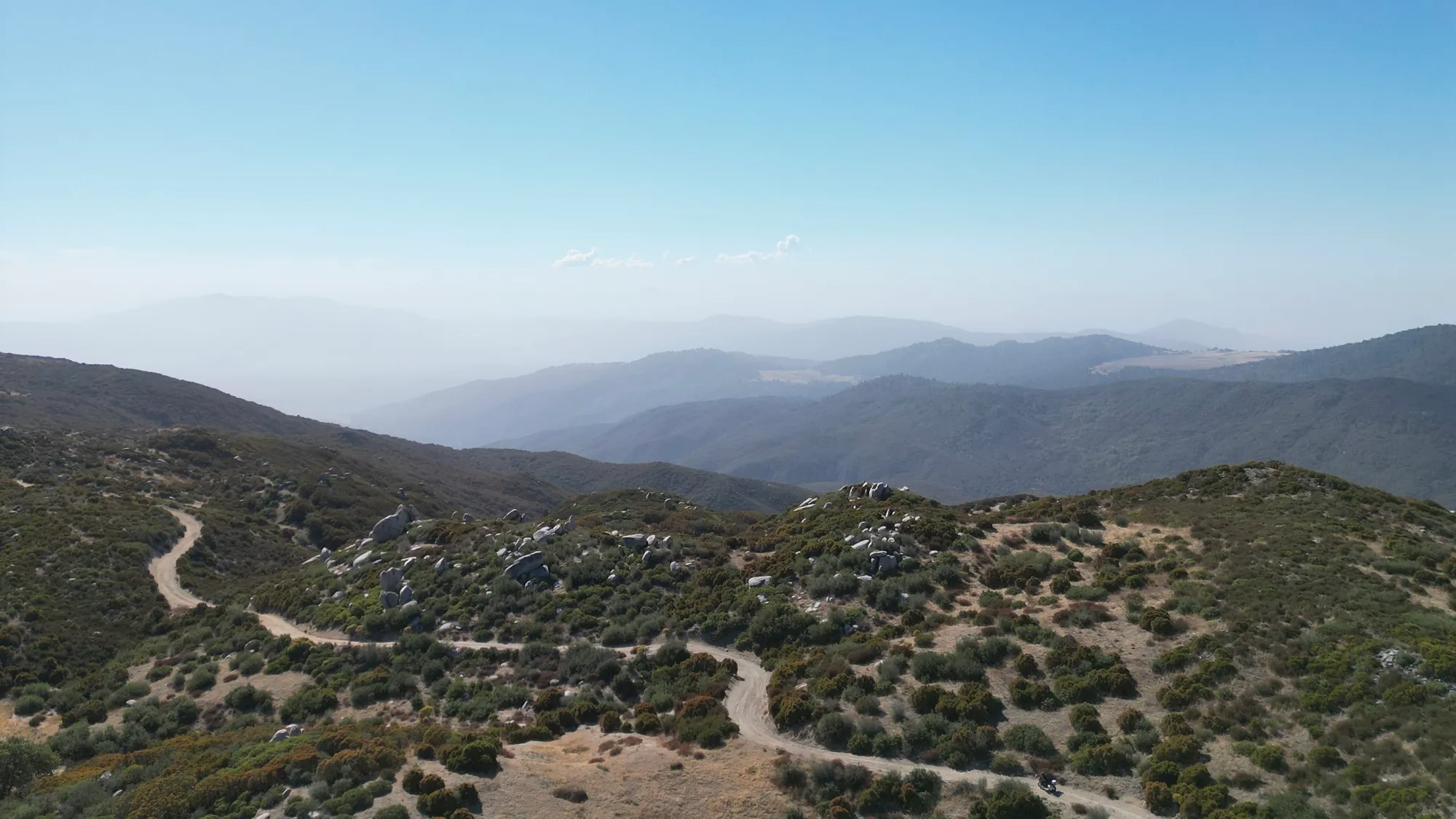
Aerial drone view of Palomar Divide Road winding through chaparral-covered mountain ridges in San Diego County. Multiple S-curve sections descend through sparse vegetation with distant valley views visible in the haze. Gravel and packed-earth surface.

The Truth on the Trail

Years of paddock conversations, club-night talk and the messages owners send me directly add up to a clear picture of the XT 660R. Riders love how long it lasts and how far it carries them. They grumble about its mass, its low-speed manners and how little it came with.

Trusted for the long way round

Riders consistently put durability first, and many have trusted it with round-the-world trips. They describe big miles and hard use without drama, on a bike simple enough to service far from any dealer. The upright stance and well-padded seat keep them comfortable through long days, and aftermarket seats are a common swap. Many are surprised by how much trail it handles for something that looks like a dual-sport.

Where owners lose patience

Weight is the top complaint, felt hardest when lifting it after a drop or working through tight terrain. Jerky response at small throttle openings wears on riders in town, and long interstate stints bring vibration at higher revs. Some owners in wet or salted climates see fasteners and exhaust parts rust early. A few note how bare it came, with a center stand or heated grips left to the aftermarket.

Known issues

  • Exposed water pump and exhaust vulnerability

    cooling occasional

    The water pump and low‑slung exhaust can be damaged by rocks or falls when riding off‑road. Strong crash bars and a solid bash plate are recommended.

  • Rare crankshaft bearing failure

    engine rare

    A small number of owners have reported crankshaft bearing failure around 22,000 mi (35,000 km), requiring a rebuild. Not a widespread issue but noted on some forums.

  • Low‑speed surging and throttle snatch

    fuel system occasional

    Poor fuel injection mapping on pre‑2009 models causes unsettling jerky throttle response at low revs. Aftermarket fuel modules (e.g., Kev mod) are a common fix.

  • Premature cush drive rubber wear

    drivetrain common

    Cush drive rubbers deteriorate rapidly, often needing replacement every 3,100–5,000 mi (5,000–8,000 km). Owners sometimes pack them with inner tube cuttings to extend life.

  • Corrosion on frame and fasteners

    bodywork occasional

    Surface rust can appear on the frame, subframe, and bolt heads, especially after winter riding with road salt. Regular cleaning and protective sprays are advised.

The Expert Benchmark

Where this Yamaha XT 660R pulls ahead of — or falls behind — its rivals on the numbers, and the typical bike in its class on character.

What kind of bike this is — character vs. the class

This bike Class average

Head-to-head: Yamaha XT 660R vs. its rivals

The 'Should I Buy It?' Score

Forget spec-sheet bragging. Here's who the XT 660R is actually built for.

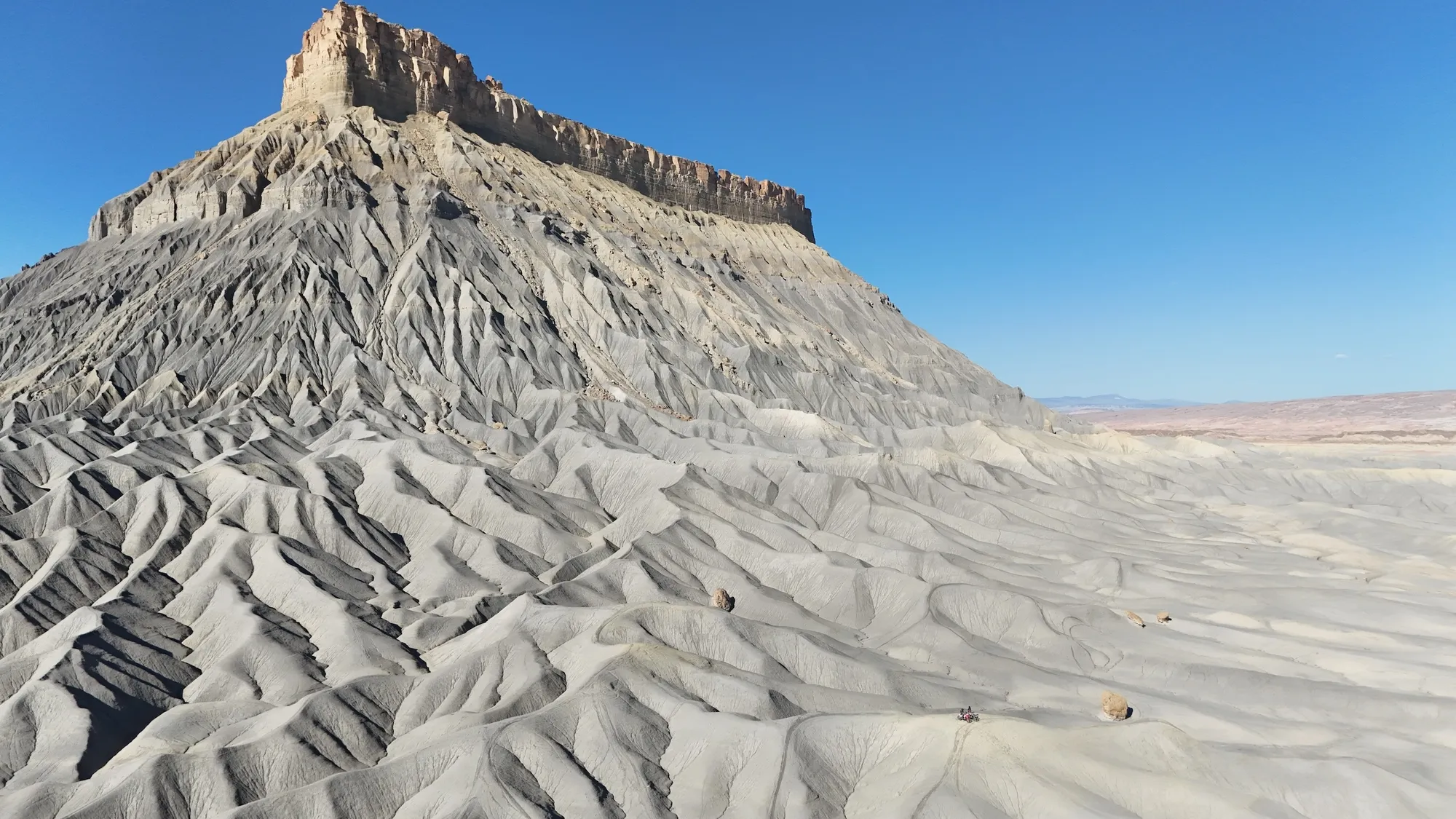
Factory Butte in Utah's high desert badlands, captured in daylight under clear blue sky. The formation's distinctive multi-colored strata and steep erosional gullies dominate the frame. Arid terrain with minimal vegetation stretches across the foreground and background. Typical American Southwest landscape.
NastyNils / Nastynils.com

Best motorcycle for BDR routes?

This is where it makes sense: simple, reliable, cheap to fix, with a 4.0 gal tank and 54 mpg. Add a bash plate and luggage from the deep aftermarket and plan long BDR days around it.

Made for AZBDR — Arizona Backcountry Discovery Route · California BDR South · COBDR — Colorado Backcountry Discovery Route