
Yamaha XT660Z Tenere (XT660Z) — Adventure
NastyNils / Yamaha Press

2008–2016 · Adventure · Buyer's Guide

XT660Z Tenere (XT660Z)

Tough, Simple, Go Anywhere

The Machine's Character

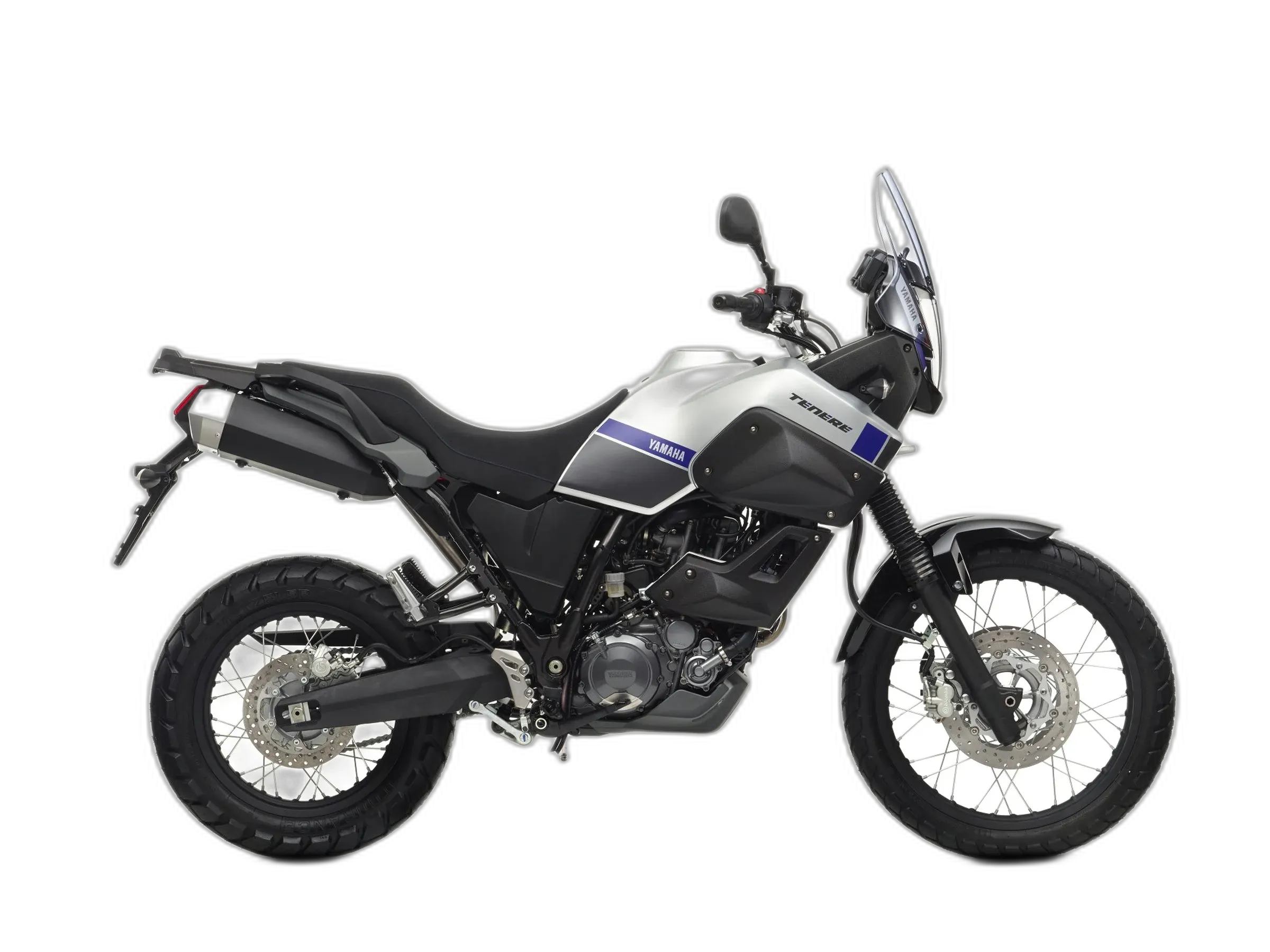
The XT660Z Tenere runs a 660 cc liquid-cooled single that makes 48 hp and 43 lb-ft, tuned for a relaxed, torquey pulse rather than headline numbers. It carries a 21-inch front wheel, long-travel suspension, and a 5.8 gal tank good for a genuine 200-plus miles between fills. The electronics stay deliberately sparse. What you get is the old Dakar-rally idea in production form: simple, fixable, and built to keep going. In a class that keeps piling on weight and complexity, this one stays honest about what an adventure bike actually needs to do.

On the road it rewards a rider who values composure over outright speed. The low weight makes it easy to place and easy to live with, and the reliability is the real headline. It ages well and costs little to keep running, which is exactly what you want a thousand miles from home. This is a bike for the rider who points at a horizon and goes, not one chasing a stopwatch. The honest caveats: the seat is a tall 35.2 in, the stock saddle wears thin on long days, and it feels soft and vague when you push it hard on smooth pavement.

Hard Numbers

Spec sheets don't ride bikes, but they set the baseline.

Show full specs & equipment Hide specs & equipment
Key specifications
Power 48 hp (35 kW) @ 6,000 rpm
Torque 43 lb-ft (58 Nm) @ 5,250 rpm
Displacement 660 cc
Engine Single-cylinder
Cooling Liquid-cooled
Gearbox 5-speed
Final drive Chain
Fork Telescopic
Front brake 298 mm
Front tire 90/90-21
Rear tire 130/80-17
Ground clearance 9.9 in (252 mm)
Front travel 8.3 in (210 mm)
Rear travel 7.9 in (200 mm)
Seat height 35.2 in (895 mm)
Wet weight 454 lb (206 kg)
Fuel capacity 5.8 gal (22 L)
Top speed 99 mph (159 km/h)
Fuel economy 52 mpg (US)

Equipment check

Chassis

  • Rear Suspension Adjustable Standard

Comfort

  • Luggage System Optional

Safety

  • ABS Optional

The Voice of Experience

Portrait of NastyNils

The test ride

Swing a leg over and the tall saddle is the first thing you register, though the narrow waist helps you get a foot down. The single thumps away underneath you with a steady, unhurried beat that lives in the pegs and the bars, never harsh, just always present. Within a few miles there is no learning curve to speak of. The bike tells you plainly what it is doing, so you settle in fast and stop thinking about it. Point it at a broken French mountain col with gravel scattered across the surface and it simply gets on with the job at a real touring pace. On tight, twisting secondary roads the light, narrow format lets you flick it side to side with almost no effort, and you find yourself covering ground quicker than the numbers say you should.

Rated point by point — where it earns its keep

My own 0–100 score for this bike against the class, area by area — the marker on each bar is the class average.

Handling is where shedding pounds quietly earns its keep. Line it up next to heavier twin-cylinder tourers and the difference that looks trivial in the numbers turns real the moment the road starts twisting. Through a run of switchbacks and steep climbs it changed direction on almost nothing, staying light and unbothered while the bigger machines were already working hard to keep it in sight.

Comfort here comes down to how fast the bike stops asking for your attention. There was no settling-in period for me; a short stint in the saddle told me everything it wanted, and after that I could switch off and just log the miles. The one honest limit is the factory saddle. Once a full-day stage stacks up, the padding stops giving anything back, and fitting an aftermarket seat was the single change that made those long days pleasant again.

As a working travel tool it kept surprising me. I fed it tight cols where the surface was more repair than road, plus long stretches of loose gravel, and at a sensible touring clip it took the lot without complaint. The habit to log is its temper at crawling speed. Mine cut out while I was threading through a narrow spot with the panniers loaded, and all that extra weight pulled it straight to the ground. Worth remembering anytime you're inching through somewhere tight with gear aboard.

Capability, for me, is the result the bike posts against stiffer competition. I aimed it at a chain of winding back roads on purpose, the kind where raw horsepower quietly stops mattering, and the single stuck with machines that outgun it by a wide margin. Give it an open straight and yes, the shortfall shows, plainly and without excuse. But on the tight, busy roads this thing was built for, its lighter and more willing character returns far more than the top-end it gives up.

Braking is the one area I'd sort before heading out. On flat roads the setup did its job and stayed out of my way. Point it down a long descent with luggage strapped on, though, and the factory lines lose their edge, going vague and mushy right where I wanted a lever I could trust. This isn't nitpicking. For loaded touring like this I treat a braided steel upgrade as required kit, not a nice-to-have.

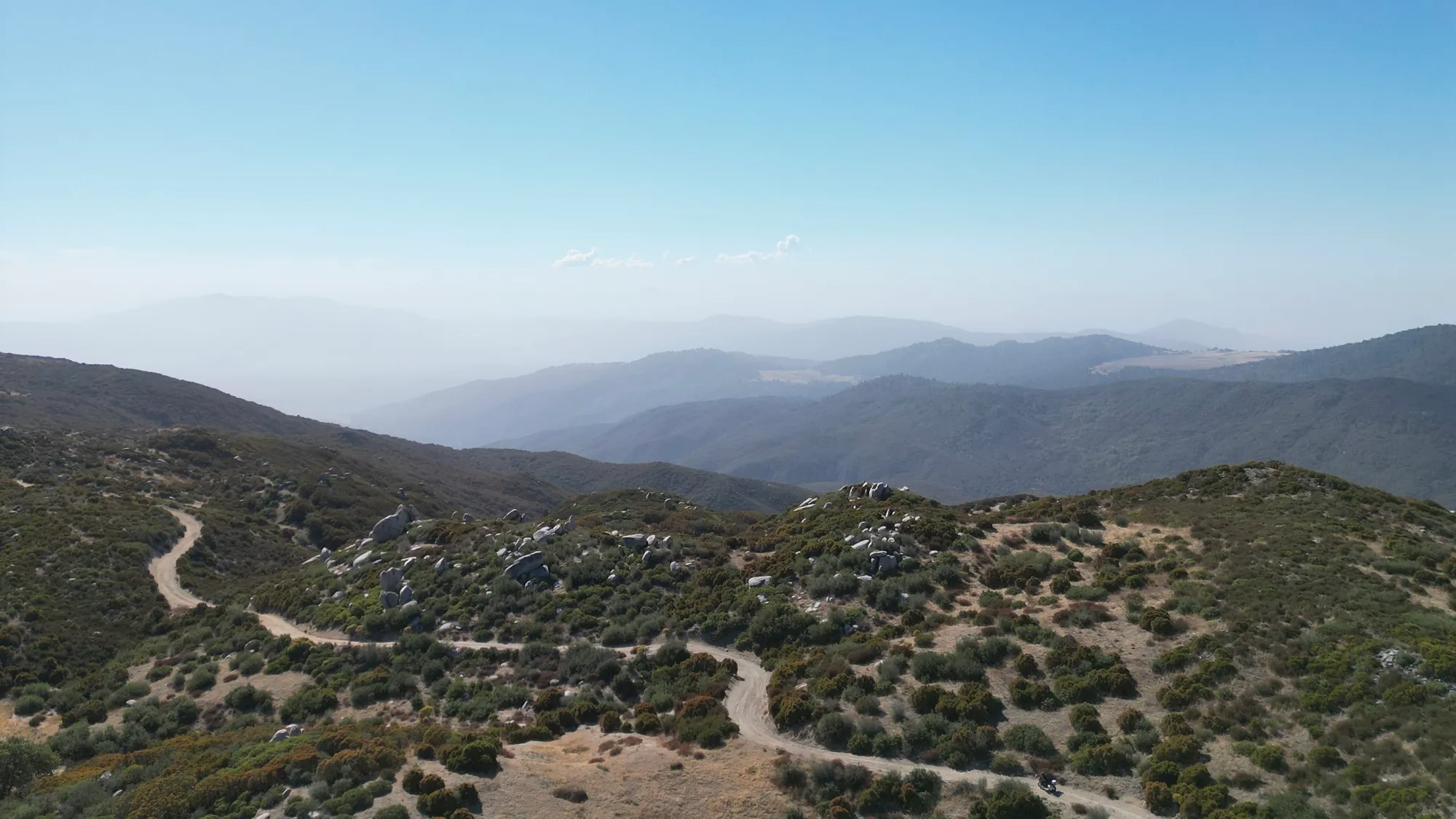
Aerial drone view of Palomar Divide Road winding through chaparral-covered mountain ridges in San Diego County. Multiple S-curve sections descend through sparse vegetation with distant valley views visible in the haze. Gravel and packed-earth surface.

The Truth on the Street

For years I've kept track of what Tenere owners tell me: riders I meet after a day out, the emails that arrive once the miles stack up, and the ongoing chatter around a well-traveled bike. Boil it down and one pattern holds: people rely on this one to go the distance without fuss.

What keeps them coming back

The engine earns the most goodwill by far. Owners describe a single that soaks up big mileage on little beyond routine oil changes, still strong past 100,000 miles. Many plan trips around the 5.8-gallon tank, good for better than 200 miles between stops at close to 52 mpg. A good number also credit real off-pavement ability from the 21-inch front wheel and long suspension travel, which take green lanes and fire trails in stride.

Where the grumbles gather

The complaints line up just as tightly. The 35.2-inch (895 mm) seat sits high enough that shorter riders struggle to reach the ground, and a top-heavy stance makes slow-speed work awkward. The engine turns buzzy past 5,000 rpm, and owners say that vibration wears on them over long highway runs, holding easy cruising near 60 to 70 mph. The soft, non-adjustable forks draw steady comment for diving under braking and feeling vague.

Known issues

  • 2009 gear selector mechanism failure

    drivetrainrare

    A small number of 2009 models suffered from gear selector components breaking, which could lock the transmission or damage the crankcase. This issue was not widespread but is worth checking on used bikes of that year.

  • Regulator/rectifier connector overheating

    electricsrare

    On early bikes (especially 2008) the reg/rec earth pin can corrode and melt the connector, causing charging failure. Most affected bikes were repaired under warranty or fitted with a revised loom.

  • Steering head bearing notchiness

    chassisrare

    The steering head bearings can develop notchy spots, particularly on bikes used off‑road. Regular inspection and greasing helps prevent premature wear.

  • Cush drive rubbers wear prematurely

    drivetrainoccasional

    The rear wheel cush drive elements degrade quickly, causing driveline snatch and lash. Replacement is cheap (£20) but neglect can damage the hub; many owners pack the rubbers with inner tube to extend life.

  • Fuel injection surging and hot stalling

    fuel systemoccasional

    Some owners report a jerky throttle and occasional stalling when hot at low revs, which can be mitigated with aftermarket fuel‑mixture modifiers (e.g., BoosterPlug) but remains a characteristic of the lean factory tune.

  • Excess oil in breather system (2008 models)

    enginerare

    Sustained high‑speed running can force oil out of the crankcase breather into the airbox. A revised baffle chamber was introduced for 2009 and is a retro‑fit solution.

The Expert Benchmark

Where this Yamaha XT660Z Tenere pulls ahead of — or falls behind — its rivals on the numbers, and the typical bike in its class on character.

What kind of bike this is — character vs. the class

This bike Class average

The shape of the Yamaha XT660Z Tenere — numbers and character vs. the average Adventure

Head-to-head: Yamaha XT660Z Tenere vs. its rivals

The Long-Haul Verdict

Forget spec-sheet bragging. Here's who the XT660Z Tenere is actually built for.

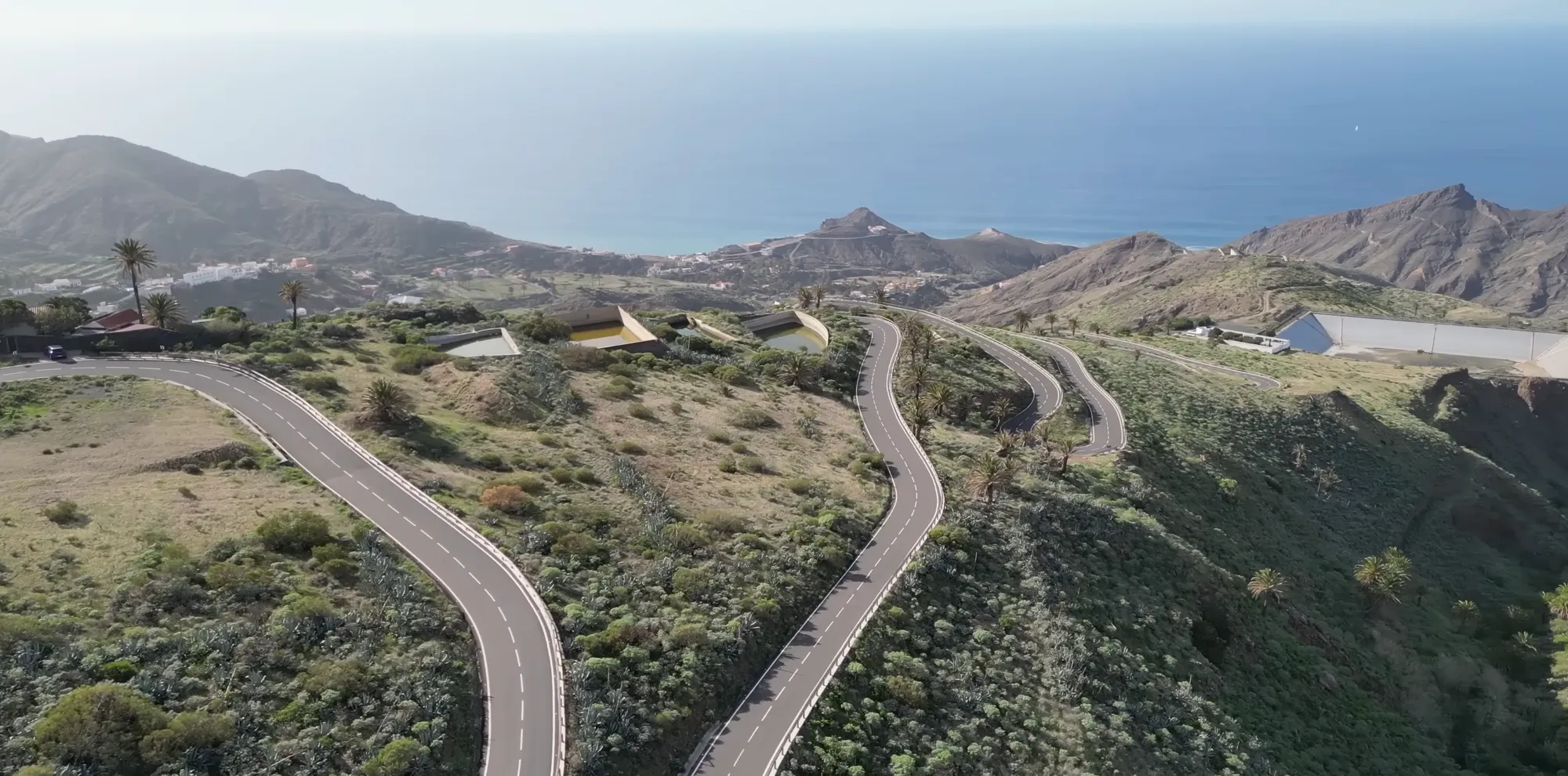
Aerial view of a winding asphalt road cutting through volcanic terrain on La Gomera, Canary Islands. The road curves through sparse green vegetation with rocky volcanic peaks visible in the background and a settled valley to the left. Clear lane markings, dry climate, partly cloudy sky.

Best motorcycle for BDR routes?

This is your bike. The range, the reliability, and the middleweight footprint are exactly what long BDR routes reward, and it stays simple and fixable when you are a long way from the nearest dealer.

Made for AZBDR — Arizona Backcountry Discovery Route · California BDR South · COBDR — Colorado Backcountry Discovery Route
Best touring motorcycle for long distance?

The 5.8 gal tank covers the big loops, but this is a torquey single, not a two-up highway cruiser. Ridden loaded and two-up, watch the low-speed stall and plan a better seat for full days in the saddle.

Made for Beartooth Highway · Blue Ridge Parkway · Going-to-the-Sun Road

Alternatives to the Yamaha XT660Z Tenere

If this one isn't quite the fit, these are the bikes worth riding back-to-back against it.

Any price note compares both bikes at the same age — the youngest age both have on the used market — against this Yamaha XT660Z Tenere. “cheaper/pricier” is what that bike costs second-hand, not how worn it is.