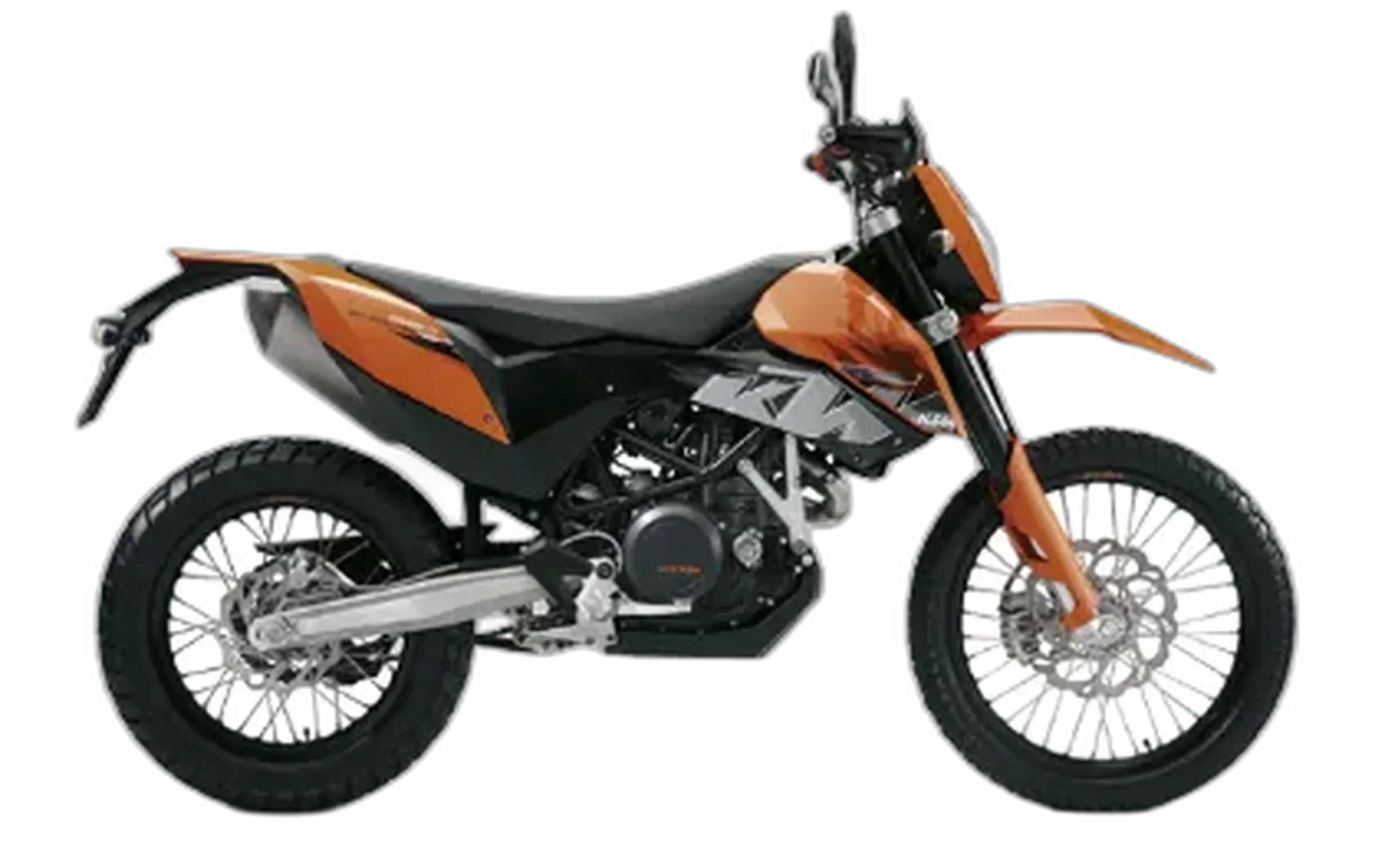
KTM 690 Enduro (MY2008) — Enduro
NastyNils / KTM Press

2008–2011 · Enduro · Buyer's Guide

690 Enduro (MY2008)

Anywhere Single, No Excuses

The Machine's Character

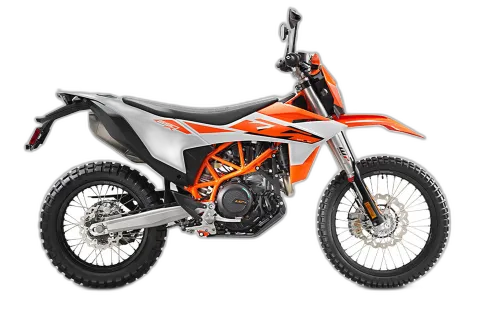
The 690 Enduro is built around KTM's big LC4 single, a 654 cc liquid-cooled unit making 63 hp and 47 lb-ft. What sets this generation apart is how well sorted it is around that engine. Clean fuel injection and a selectable bad-fuel map let it pull cleanly in slow traffic and keep running on whatever you can find in the middle of nowhere. The chassis matches it: a fully adjustable WP upside-down fork with both compression and rebound damping on tap, giving you a level of setup precision most single-cylinder enduros never offer.

On the move it covers ground nothing else in its class manages, from highway speed to town streets to a rocky streambed in a single afternoon without touching a setting. It ages well too, with service intervals long enough to matter once you start stacking real miles, backed by genuine ruggedness. The honest caveat is geometry. The seat sits at 35.8 in and the center of gravity rides high, so at a crawl in loose terrain it gets tippy, and the short steering lock turns U-turns into a chore. This one is for experienced off-road riders who value range and toughness over a low, planted feel.

Hard Numbers

Spec sheets don't ride bikes, but they set the baseline.

Show full specs & equipment Hide specs & equipment
Key specifications
Power 63 hp (46 kW) @ 7,500 rpm
Torque 47 lb-ft (64 Nm) @ 6,000 rpm
Displacement 654 cc
Engine Single-cylinder
Cooling Liquid-cooled
Gearbox 6-speed
Final drive Chain
Fork Upside-down (USD)
Front tire 90/90-21
Rear tire 140/80-18
Ground clearance 11.0 in (280 mm)
Front travel 9.8 in (250 mm)
Rear travel 9.8 in (250 mm)
Seat height 35.8 in (910 mm)
Fuel capacity 3.2 gal (12 L)

The Voice of Experience

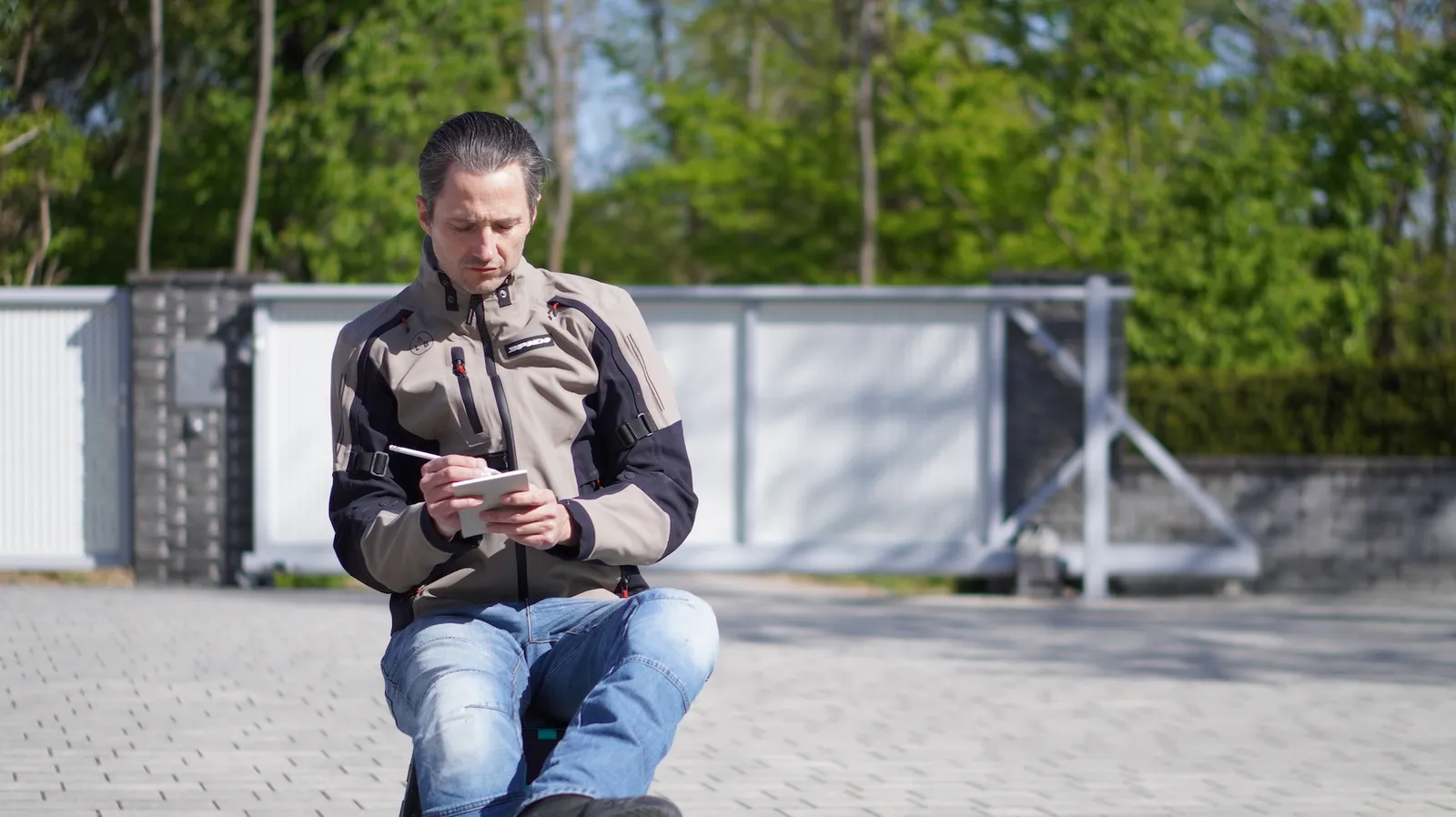
Portrait of NastyNils

The test ride

Settle onto it and the first thing that registers is the sound, a hard mechanical bark that big singles do well and this one does better than most. The combustion stays smooth enough that the thump never turns coarse or buzzy through the pegs. The clutch is the standout for your left hand: light, with a clean and consistent bite point that stays easy through long technical sections where you're feathering the lever constantly. Get it up to speed on knobby tires and it tracks dead straight, holding its line at genuinely high pace without the nervousness a dirt-first machine usually carries. Drop back into town and nothing fazes it. Tight intersections, slow roundabouts, it just goes where you point it and asks nothing of you in return.

Rated point by point — where it earns its keep

My own 0–100 score for this bike against the class, area by area — the marker on each bar is the class average.

What stuck with me is how settled the chassis stayed. The fully adjustable WP fork gave me setup precision I rarely get from a single, and the payoff showed at pace: on knobbies, in the cold, it held true well past the speed you'd expect from a dirt bike. The catch comes at a crawl. In loose stuff the tall center of gravity makes it wander, and a boot in the gravel saved me more than once.

Off-road is where brakes on a bike like this often start demanding attention, and these never did. Through the rough I never reached to second-guess anything at the lever. The stopping simply worked well enough that I could leave it be and put my focus on the terrain instead. On a machine you take into genuinely difficult going, that kind of quiet, dependable competence at the brakes is exactly what you want.

Reliability for me lands on one big, practical advantage: the service intervals. The sportier singles in this class want the wrenches out far more often, and that constant maintenance cadence adds up in time and money. This one stretches the gaps between visits, and once you're genuinely racking up dirt miles that difference stops being trivial and starts shaping what ownership actually costs.

Fueling on a big single can go wrong in a hurry, and this one gets it right. Roll on in slow traffic and the throttle answers cleanly, with none of the snatch or surging that catches out thumpers down low. The fuel injection is the other half of it. The mapping keeps the combustion smoother and more civilized than a big-bore single has any business being.

This is where the bike earns its keep. In one afternoon I took it from a flat-out highway run to town streets to a streambed full of big loose stone, and it moved through every one of those without me stopping to change a thing. Most singles force a compromise somewhere in that span. This one just kept doing the next thing I asked of it, and I can't name another one-cylinder machine that covers the whole sequence so cleanly.

Two things make this bike genuinely easy to live with day to day. Around town it stays unflustered by whatever traffic throws up, threading tight spots without demanding much from you. The bigger deal for me is the selectable map that lets it run on poor-grade fuel. On a machine built to go where the pavement ends, being able to keep running on whatever you can find far from anywhere counts for a lot when you're actually out there.

Comfort on a bike this focused comes down to how little it grinds you down, and the clutch does most of that work for me. It's light, and the engagement lands in the same predictable spot every pull, so my left hand stayed fresh through long, slow technical going. Pulling the other way is the steering lock. It's too short, so U-turns eat more room than they should and tight maneuvering feels hemmed in for the weight. The lightness takes the edge off, but the limit is real.

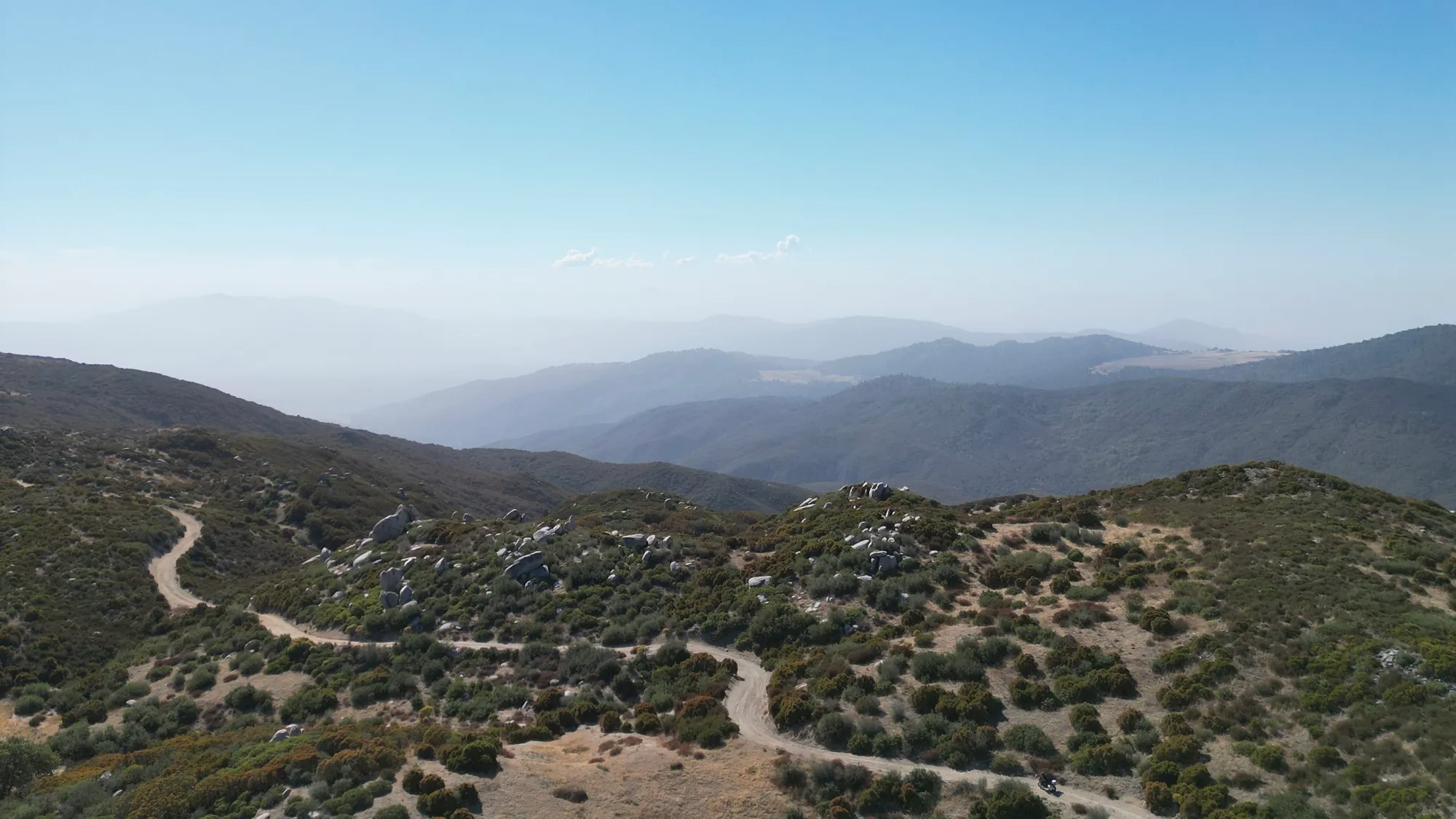
Aerial drone view of Palomar Divide Road winding through chaparral-covered mountain ridges in San Diego County. Multiple S-curve sections descend through sparse vegetation with distant valley views visible in the haze. Gravel and packed-earth surface.

The Truth on the Trail

Known issues

  • Handlebar clamp cracking (recall)

    chassisrareRecall

    Affected 2010–2011 models may have handlebar clamps that crack, causing loss of control. Free repair available.

  • Rocker arm bearing failure

    enginecommon

    The rocker arm needle bearings are prone to premature wear or failure, often causing top-end noise and, in severe cases, valvetrain damage. Many owners pre-emptively replace rocker arms during valve adjustments. Mileage at failure varies but can occur below 10,000 km.

  • Fuel pump failure

    fuel systemcommon

    The in-tank fuel pump can fail, often after debris clogs the filter, leading to hard starting, stalling, or complete loss of power. Regular filter changes and using clean fuel can mitigate the risk, but failures are common enough to be a notable issue.

  • Brake fade

    brakesoccasional

    During prolonged use in technical terrain, brakes can fade, reducing stopping power. Regular inspection and pad replacement prevent this.

  • Engine overheating

    coolingoccasional

    Some owners report overheating, especially during slow technical riding, leading to power loss and coolant leaks. Regular radiator maintenance helps mitigate the issue.

  • Electrical gremlins

    electricsoccasional

    Various electrical issues have been reported, including intermittent starting, instrument cluster failures, and wiring harness corrosion. These can lead to reliability problems, especially in wet or dirty conditions.

  • Clutch slippage

    drivetrainoccasional

    Clutch plates can wear prematurely, causing slippage under hard acceleration. Adjusting the cable or replacing plates resolves it.

  • Fork seal leakage

    suspensionoccasional

    Front fork seals may leak, causing oil on the tubes and diminished suspension performance. Replacing seals and maintaining oil levels fixes this.

The Expert Benchmark

Where this KTM 690 Enduro pulls ahead of — or falls behind — its rivals on the numbers, and the typical bike in its class on character.

What kind of bike this is — character vs. the class

This bike Class average

Head-to-head: KTM 690 Enduro vs. its rivals

The 'Should I Buy It?' Score

Forget spec-sheet bragging. Here's who the 690 Enduro is actually built for.

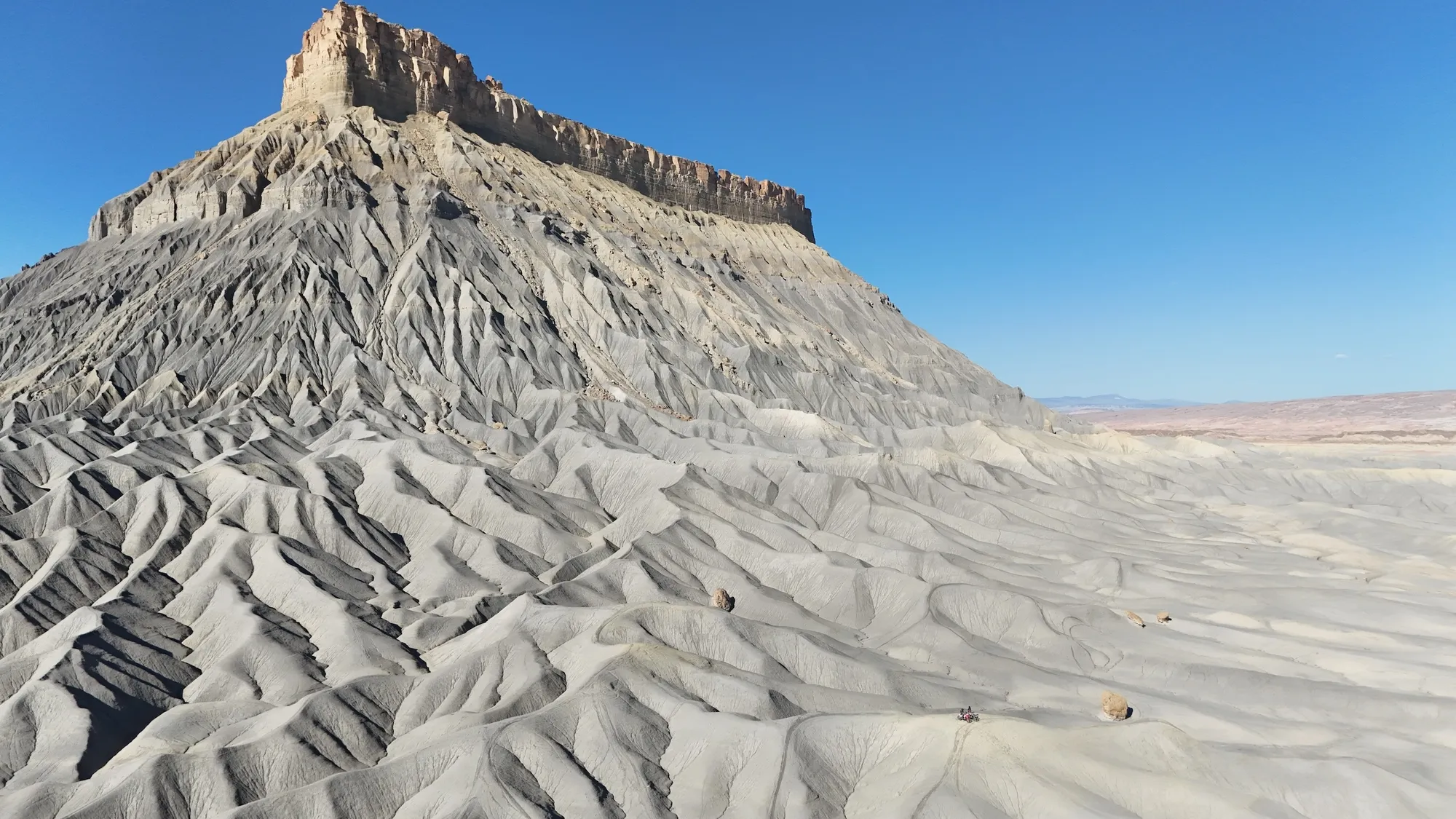
Factory Butte in Utah's high desert badlands, captured in daylight under clear blue sky. The formation's distinctive multi-colored strata and steep erosional gullies dominate the frame. Arid terrain with minimal vegetation stretches across the foreground and background. Typical American Southwest landscape.
NastyNils / Nastynils.com

Best motorcycle for Moab?

This is your bike. The terrain range and rugged WP chassis eat Moab slickrock and desert sand the way you want, and it holds up over multi-day technical riding. Just mind the tall seat and high center of gravity in the slowest crawls.

Made for Bar M / Kane Creek · Imperial Sand Dunes · Johnson Valley OHV Area
Best motorcycle for BDR routes?

A capable backcountry single with the toughness and long service intervals BDR miles demand. The 3.2 gal tank limits your range between fills, so plan fuel stops, but the off-road ability earns its keep.

Made for AZBDR — Arizona Backcountry Discovery Route · California BDR South · COBDR — Colorado Backcountry Discovery Route

Alternatives to the KTM 690 Enduro

If this one isn't quite the fit, these are the bikes worth riding back-to-back against it.

Any price note compares both bikes at the same age — the youngest age both have on the used market — against this KTM 690 Enduro. “cheaper/pricier” is what that bike costs second-hand, not how worn it is.