Kawasaki KLR650 (MY2022) — Adventure
Kawasaki Press

2022 · Adventure · Buyer's Guide

KLR650 (MY2022)

The Workhorse That Endures

The Machine's Character

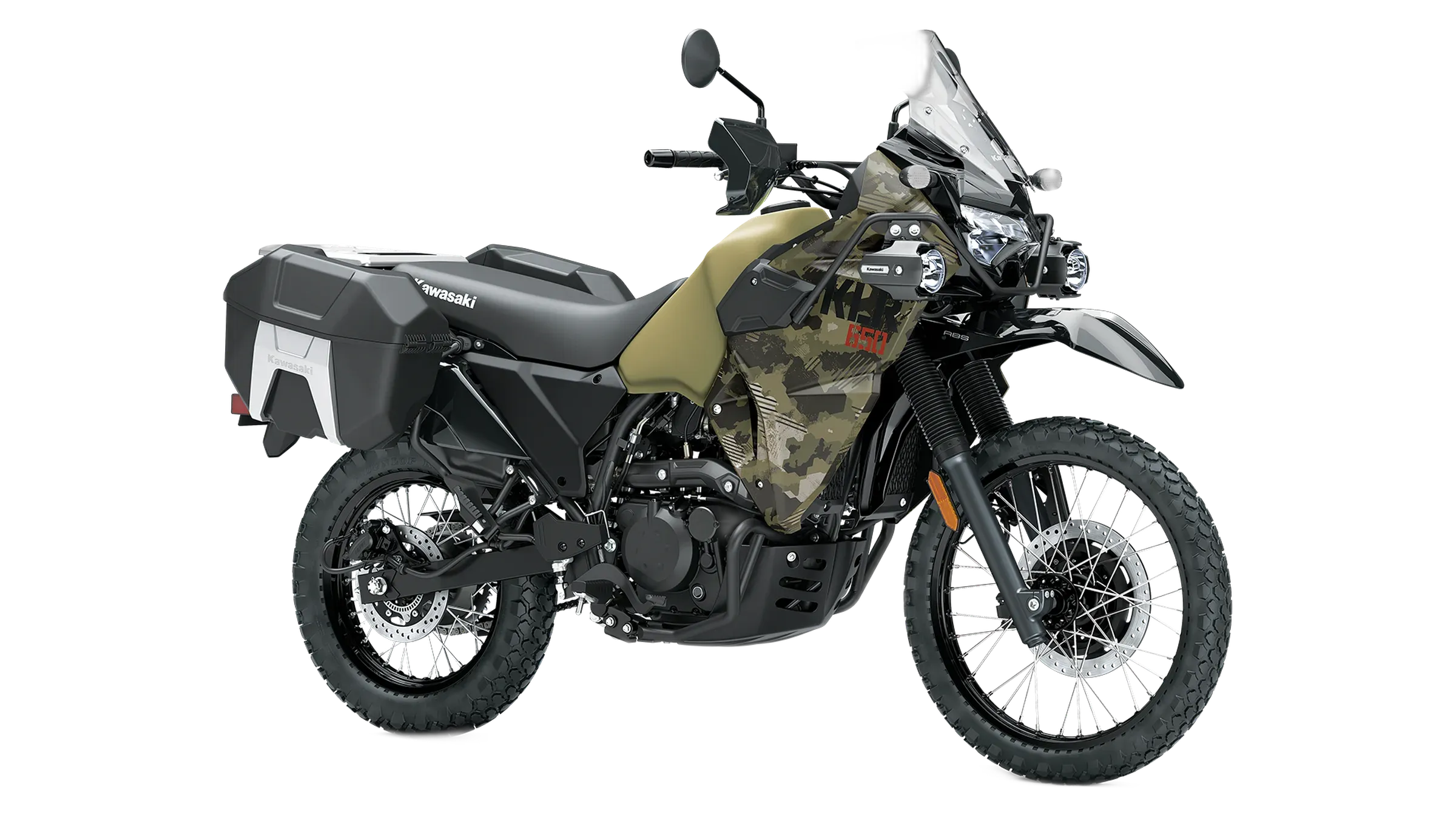
The 2022 KLR650 is built around one idea: keep it simple enough that nothing important can break. The 652 cc liquid-cooled single makes 41 hp at 6,000 rpm and 39 lb-ft at 4,500 rpm, so the useful part of the rev range sits exactly where you actually ride. A double-cradle frame with integrated subframe, a 21-inch front wheel, 7.9 inches of front travel and 8.3 inches of ground clearance put it in genuine dual-sport territory rather than adventure-styled territory. The 6.1-gallon tank is the giveaway. This generation was drawn around distance, not around a spec sheet.

It works at a steady pace rather than a fast one, and it ages the way simple things do. Five gears, chain drive, an adjustable windscreen and an LED headlight are close to the whole equipment list, and that austerity is the point: there is very little here to go out of calibration. Scores of 9.4 for reliability and 9.2 for maintenance describe what living with one is like. It fits the rider who plans in days instead of hours and turns their own wrenches. The honest caveat: 461 pounds wet with a 34.3-inch seat makes slow-speed work a physical job, and ABS is an option, not standard.

Hard Numbers

Spec sheets don't ride bikes, but they set the baseline.

Show full specs & equipment Hide specs & equipment
Key specifications
Power 41 hp (30 kW) @ 6,000 rpm
Torque 39 lb-ft (53 Nm) @ 4,500 rpm
Displacement 652 cc
Engine Single-cylinder
Cooling Liquid-cooled
Gearbox 5-speed
Final drive Chain
Fork Telescopic
Front brake 300 mm
Front tire 90/90-21
Rear tire 130/80-17
Wheelbase 60.6 in (1540 mm)
Ground clearance 8.3 in (210 mm)
Front travel 7.9 in (200 mm)
Rear travel 7.3 in (185 mm)
Seat height 34.3 in (870 mm)
Wet weight 461 lb (209 kg)
Fuel capacity 6.1 gal (23.1 L)

Equipment check

Chassis

  • Rear Suspension Adjustable Standard

Comfort

  • Heated Grips Optional
  • Adjustable Windscreen Standard
  • Luggage System Optional

Connectivity

  • USB Charging Port Optional

Lighting

  • LED Headlight Standard

Safety

  • ABS Optional

The Voice of Experience

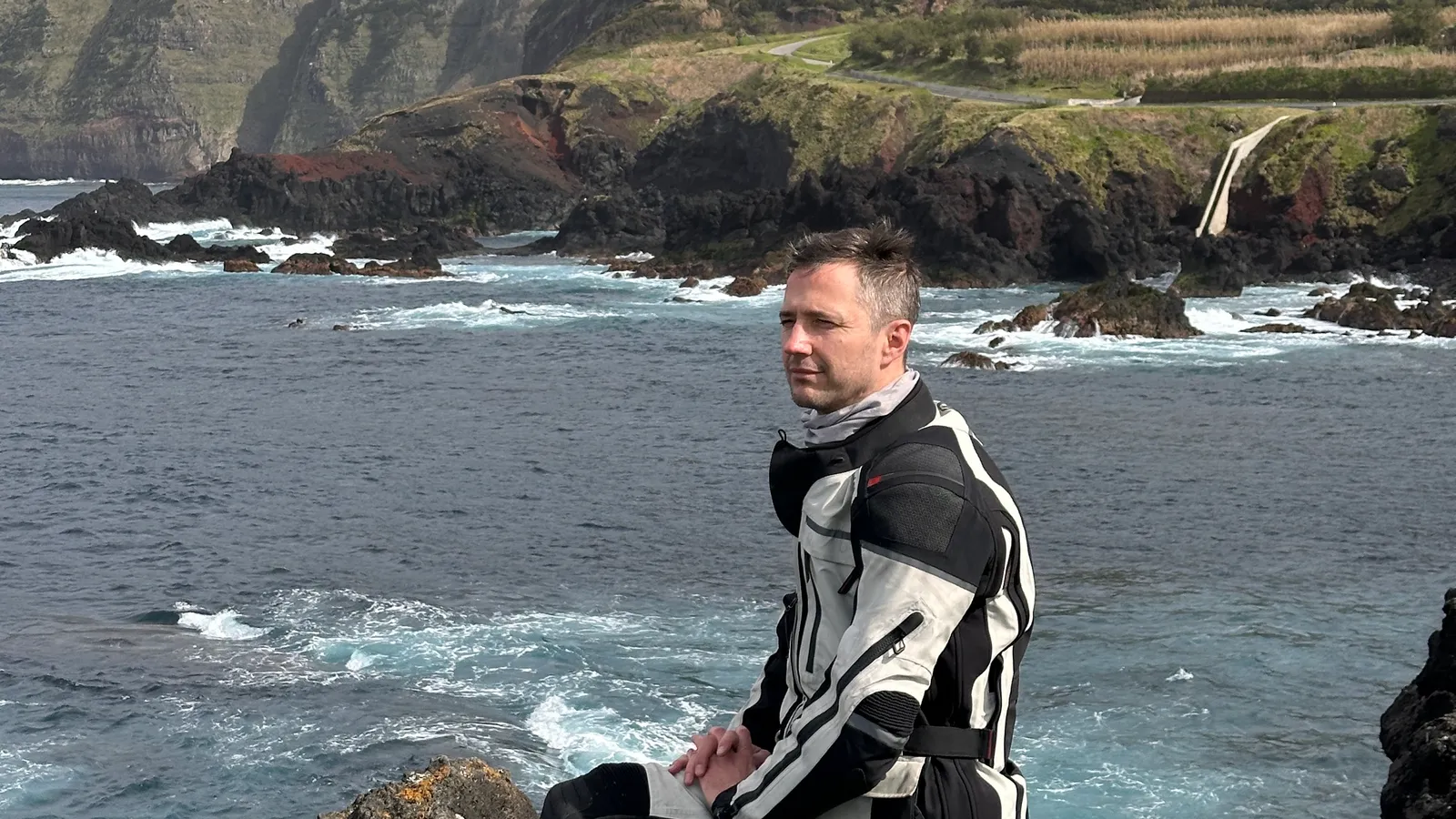
Portrait of NastyNils

The test ride

Swing a leg over and the 34.3-inch seat asks its question at the first stoplight, because 461 pounds wet is real weight to balance on one boot. Rolling, it feels calmer than that number suggests. The bars are wide, your back stays upright, and the reach to the pegs leaves room to stand up without shuffling around. A steady buzz comes through the grips at cruising revs, the kind you stop registering after twenty minutes and notice again the moment you shut it off. The 21-inch front makes the steering slow and deliberate, so you point it early and let it track its line. Wind protection behind the screen is honest rather than generous, and you can set the screen where you want it before you leave. Tire noise and that single's beat are the soundtrack for the rest of the day.

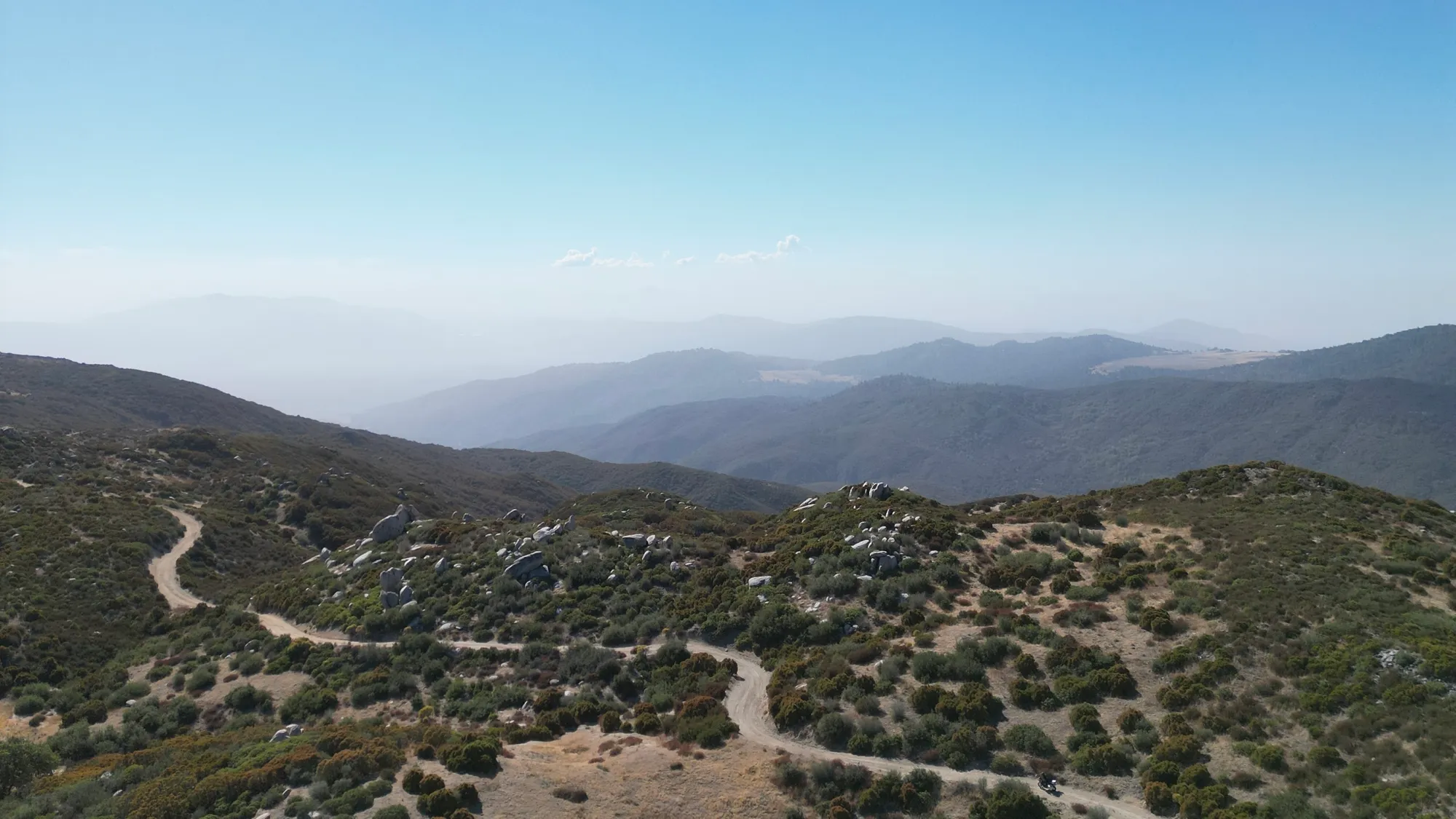
Aerial drone view of Palomar Divide Road winding through chaparral-covered mountain ridges in San Diego County. Multiple S-curve sections descend through sparse vegetation with distant valley views visible in the haze. Gravel and packed-earth surface.

The Truth on the Street

None of this came off a press launch. It is what settles out of years of listening: riders at rallies and club evenings, conversations at fuel stops with people a long way from home, and the notes that land in my inbox once somebody has lived with a bike for a full season. The KLR650 produces less disagreement than most machines I ask about. Owners name the same handful of virtues and the same handful of frustrations, and neither list has moved much.

What The Single Earns Them

The motor draws more comment than anything else, and the verdict barely varies. Riders call it undemanding: usable pull from low revs, enough grunt to pick its way through rough going, and a calm gait once the road opens up. Dependability is the other half of that story. Ask an owner about mileage and they shrug, because the simplicity is the whole argument and very little of consequence seems to go wrong on ordinary servicing. Those who came off carbureted bikes single out cold mornings as the one clear gain from injection, and they insist nothing else about the character changed.

Distance Is The Real Argument

The trip stories all circle back to how far it goes between fills. Owners frame it as route planning: fewer stops to design around, and country they can cross without doing arithmetic at every junction. Plenty of them name that as the reason the bike stays. Comfort turns up in the same conversation. The upright seating, the wide saddle and honest coverage behind the screen are what riders credit for finishing a long highway day, or several back to back, without feeling wrung out. A smaller group reports it takes a passenger and gear more steadily than they expected.

The Complaints Never Change

Weight is the first thing anyone raises. Riders call it heavy for the type, awkward in slow, tight going and a genuine effort to get upright after a drop. Power sits right next to it: passes on two-lane roads have to be set up in advance, and long stretches at interstate pace ask a lot. The five-speed box draws the same complaint from another direction, with owners describing a busy engine at cruising revs and the tiredness that builds behind it. The instruments attract steady low-grade grumbling for looking dated beside comparably priced adventure bikes. Riders who push hardest off-road add that the fork runs out of support under a load or at pace.

Known issues

No widely-reported issues on record.

The Expert Benchmark

Where this Kawasaki KLR650 pulls ahead of — or falls behind — its rivals on the numbers, and the typical bike in its class on character.

What kind of bike this is — character vs. the class

This bike Class average

The shape of the Kawasaki KLR650 — numbers and character vs. the average Adventure

Head-to-head: Kawasaki KLR650 vs. its rivals

The Long-Haul Verdict

Forget spec-sheet bragging. Here's who the KLR650 is actually built for.

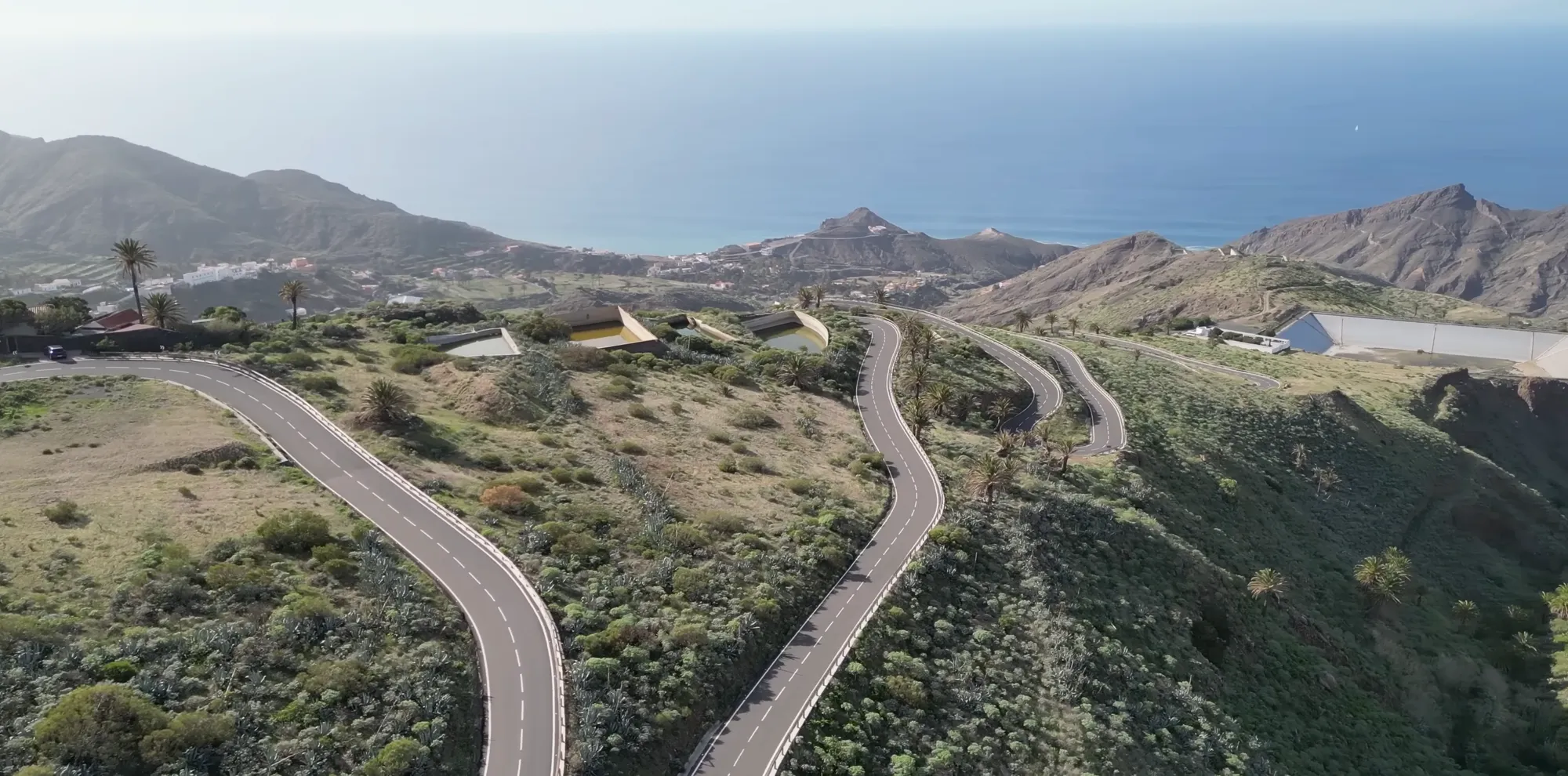
Aerial view of a winding asphalt road cutting through volcanic terrain on La Gomera, Canary Islands. The road curves through sparse green vegetation with rocky volcanic peaks visible in the background and a settled valley to the left. Clear lane markings, dry climate, partly cloudy sky.

Best motorcycle for BDR routes?

Your routes are the point, and this bike is built for that side of it: 6.1 gallons, a 21-inch front, parts you can service anywhere. Pack light, because it is heavy before you load it.

Made for AZBDR — Arizona Backcountry Discovery Route · California BDR South · COBDR — Colorado Backcountry Discovery Route
Best touring motorcycle for long distance?

Range and comfort are here, outright pace is not. Loaded two-up on long interstate days you will want more than 41 hp, and there is no cruise control, so plan smaller days on smaller roads.

Made for Beartooth Highway · Blue Ridge Parkway · Going-to-the-Sun Road

Best motorcycle for Highway 1?

On a 250-mile day of good pavement it is willing and comfortable, but it steers slow and it is not a fast machine. Where your route leaves the asphalt, it starts making real sense.

Made for Black Hills · Blue Ridge Parkway · Cherohala Skyway

Alternatives to the Kawasaki KLR650

If this one isn't quite the fit, these are the bikes worth riding back-to-back against it.