Yamaha WR 250R (MY2008) — Enduro
Yamaha Press

2008–2020 · Enduro · Buyer's Guide

WR 250R (MY2008)

3.5 / 5 NastyNils Rating · against its class

Full Off-Road Ticket, Street Plates

The Machine's Character

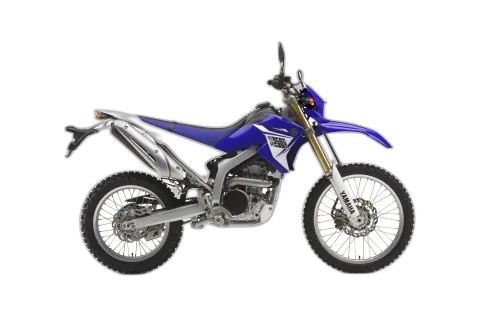
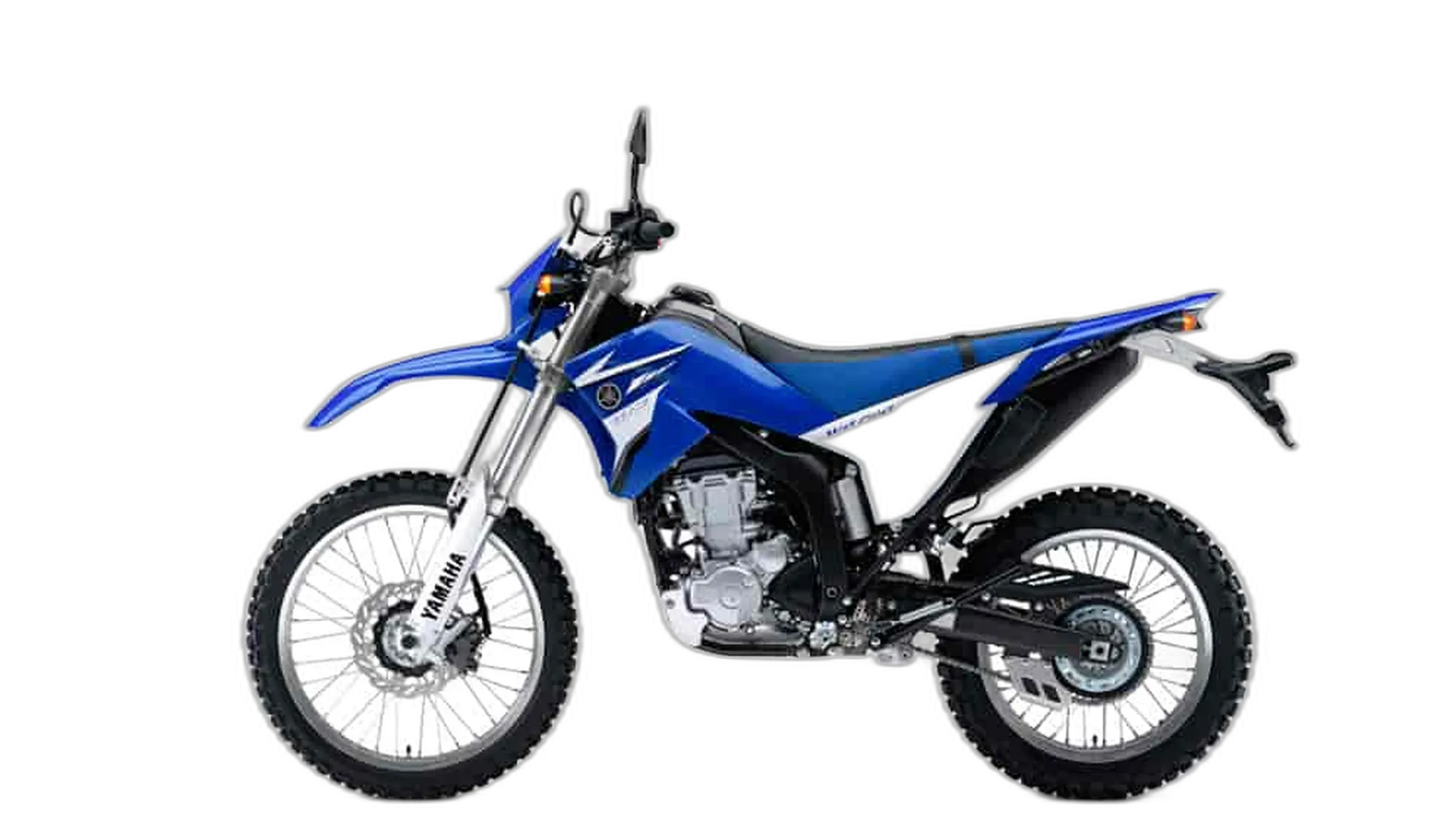
Yamaha built this one around a liquid-cooled 250 cc single making 31 hp at 10,000 rpm and 18 lb-ft at 8,000, fuel injected and happy to spin. What lifts it above the usual street-legal enduro is the hardware underneath: fully adjustable suspension at both ends, 10.6 inches of travel front and rear, 11.8 inches of ground clearance, a 21-inch front wheel and an 18-inch rear, all hung on a composite frame. At 295 lb wet, this is a real enduro chassis wearing a license plate, not a road bike with knobby pretensions.

The way it ages is why people hang on to them. Ruggedness is the strong suit, the engine takes years of hard use without drama, servicing is straightforward, and it sips fuel. Parts support runs deep enough to build it into whatever your terrain demands. It suits the rider who wants genuine technical capability and accepts riding to the trail to get it. The honest caveat: the seat sits 36.6 inches up, the tank holds 2.0 gallons, and 87 mph is the ceiling. Long interstate transits are not what this machine is for.

Hard Numbers

Spec sheets don't ride bikes, but they set the baseline.

Show full specs & equipment Hide specs & equipment
Key specifications
Power 31 hp (23 kW) @ 10,000 rpm
Torque 18 lb-ft (24 Nm) @ 8,000 rpm
Displacement 250 cc
Engine Single-cylinder
Cooling Liquid-cooled
Gearbox 6-speed
Final drive Chain
Fork Upside-down (USD)
Front tire 80/100-21
Rear tire 120/80-18
Wheelbase 55.9 in (1420 mm)
Ground clearance 11.8 in (300 mm)
Front travel 10.6 in (269 mm)
Rear travel 10.6 in (269 mm)
Seat height 36.6 in (930 mm)
Wet weight 295 lb (134 kg)
Fuel capacity 2.0 gal (7.6 L)
Top speed 87 mph (140 km/h)
Fuel economy 69 mpg (US)

Equipment check

Chassis

  • Front Suspension Adjustable Standard
  • Rear Suspension Adjustable Standard
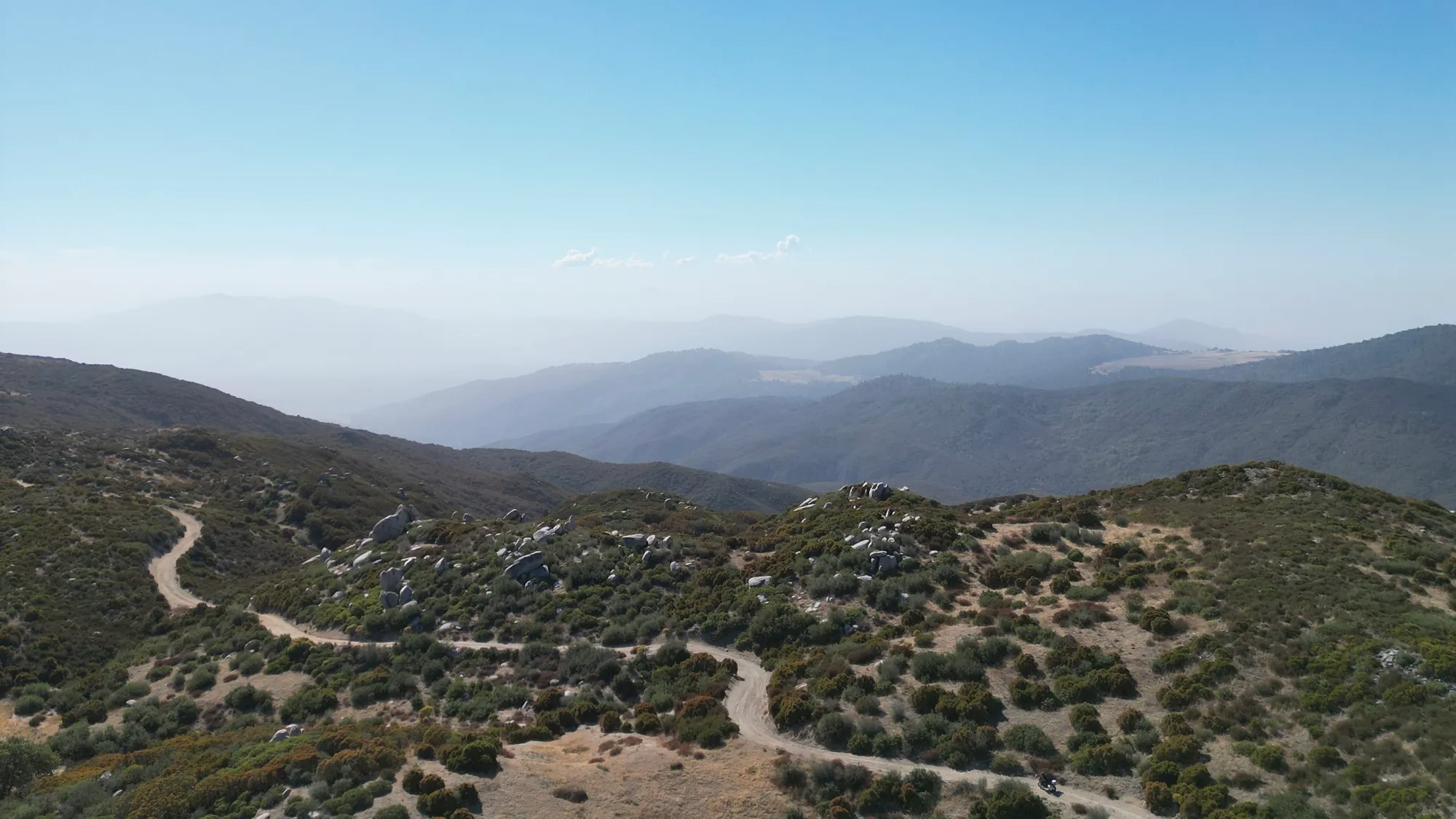
Aerial drone view of Palomar Divide Road winding through chaparral-covered mountain ridges in San Diego County. Multiple S-curve sections descend through sparse vegetation with distant valley views visible in the haze. Gravel and packed-earth surface.

The Truth on the Trail

This part isn't my riding. It's what I've collected over years of listening: paddock conversations, talks with owners at club nights, and the mail riders send me directly. For this bike the pattern comes back unusually consistent. The praise lands on the motor and the way it steers, and the complaints point at individual parts rather than the machine underneath them.

The engine nobody worries about

Owners lead with the motor. Riders describe tens of thousands of miles on minimal upkeep, and they point to valve checks falling only every 26,000 miles (42,000 km). Close behind is how civil it feels. Owners call it smooth and quiet, with little vibration reaching them, and they credit that with keeping long days from wearing them out. Handling draws the same tone: light, quick to turn, easy to place in tight going.

What owners swap out first

The tires are the recurring gripe. Riders regularly report that the rubber it leaves the factory on gives up on loose ground, and replacing it is one of the first jobs many owners take on. After that, some mention the rear shock going soft once the pace picks up or once they add luggage, and a number of them have had it re-valved or changed out.

Known issues

  • Stator coil failure (NHTSA Recall 15V-410)

    electrics rare Recall

    Insufficient heat resistance in the stator coil insulation can lead to short-circuiting and engine stalling. Affected units need stator replacement.

  • Clutch push lever oil seal failure (2014-2016, NHTSA Recall 16V-800)

    drivetrain rare Recall

    Factory Modification Campaign: incorrect assembly process may cause the clutch push lever oil seal to crack, leading to oil leaks that could reach the rear tire.

  • Fuel pump failure on early 2008 models

    fuel system occasional

    Some early builds experienced fuel pump failures, causing stalling or no-start conditions. Dealer replacement under warranty was common.

The Expert Benchmark

Where this Yamaha WR 250R pulls ahead of — or falls behind — its rivals on the numbers, and the typical bike in its class on character.

What kind of bike this is — character vs. the class

This bike Class average

Head-to-head: Yamaha WR 250R vs. its rivals

The 'Should I Buy It?' Score

Forget spec-sheet bragging. Here's who the WR 250R is actually built for.

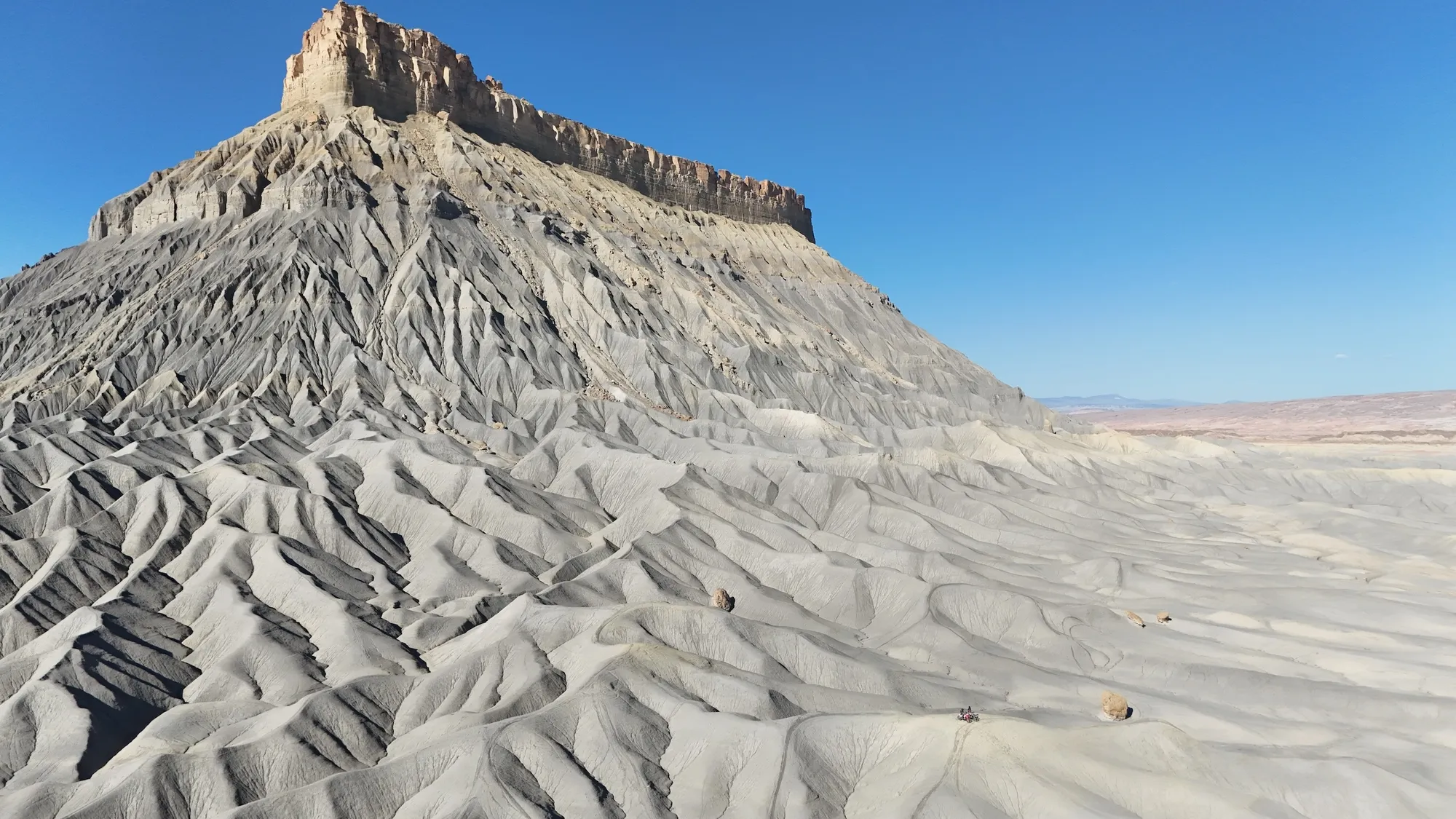
Factory Butte in Utah's high desert badlands, captured in daylight under clear blue sky. The formation's distinctive multi-colored strata and steep erosional gullies dominate the frame. Arid terrain with minimal vegetation stretches across the foreground and background. Typical American Southwest landscape.
NastyNils / Nastynils.com

Best motorcycle for Moab?

This is your bike for the hard stuff. Light, tough and set up exactly how you want it, it will follow you through rock and sand all day. Just build your day around a 2.0 gallon tank.

Made for Bar M / Kane Creek · Imperial Sand Dunes · Johnson Valley OHV Area
Best motorcycle for BDR routes?

The dirt sections will be the easy part for this bike. The cost lands in your logistics: 2.0 gallons between fills and 87 mph flat out turn transit days and multi-day stages into homework.

Made for AZBDR — Arizona Backcountry Discovery Route · California BDR South · COBDR — Colorado Backcountry Discovery Route