KTM 300 EXC (MY2011) — Enduro
NastyNils / KTM Press

2011–2016 · Enduro · Buyer's Guide

300 EXC (MY2011)

Two-Stroke Power, Zero Mercy

The Machine's Character

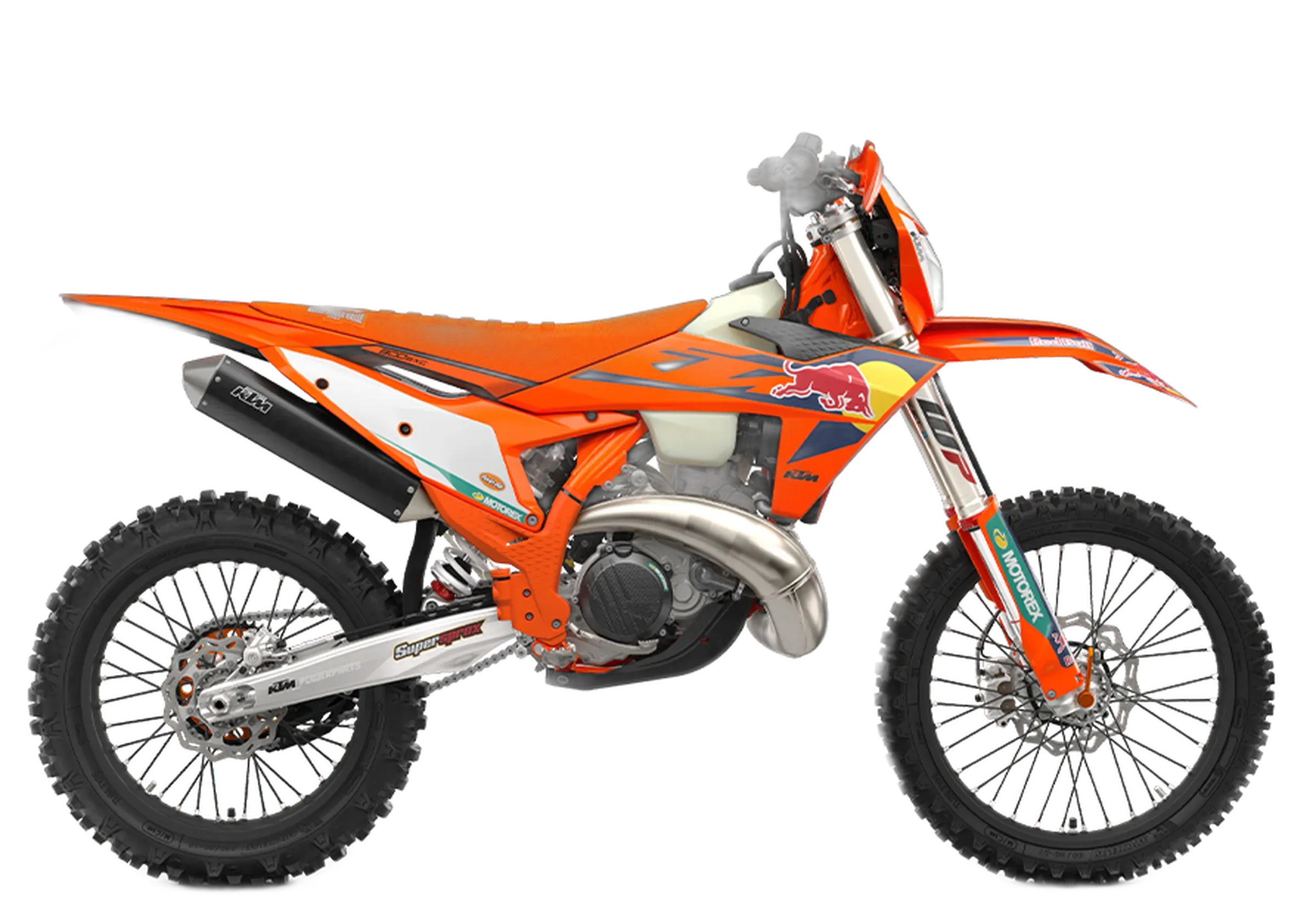
The 300 EXC is built around a 293cc two-stroke single, and its whole personality lives down low. There's 35 lb-ft under you and a torque cushion that lets the bike lug and pull without fuss, with 56 hp waiting when the terrain opens up. Around that engine sits a chassis sorted through years of enduro racing: WP PDS rear shock, upside-down fork, a frame refined by detail work rather than reinvention. Electric start is standard and it works. In a class where light weight and low-rpm drive decide everything, this one sits at the sharp end.

It rides like a specialist tool, and it ages like one too. The simple two-stroke architecture keeps it honest at purchase and cheap to keep running, and with a few spare parts you can sort most trouble yourself on a multi-day trip. Who's it for? Honestly, a narrow slice: stronger riders who specifically want two-stroke power and enjoy the challenge. It rewards commitment in technical terrain and punishes casual use. Go in knowing it will ask more of you than a four-stroke, and that trade is the whole point.

Hard Numbers

Spec sheets don't ride bikes, but they set the baseline.

Show full specs & equipment Hide specs & equipment
Key specifications
Power 56 hp (41 kW)
Torque 35 lb-ft (48 Nm)
Displacement 293 cc
Engine Single-cylinder
Cooling Liquid-cooled
Gearbox 6-speed
Final drive Chain
Fork Upside-down (USD)
Front brake 260 mm
Front tire 90/90-21
Rear tire 140/80-18
Wheelbase 58.3 in (1480 mm)
Ground clearance 14.0 in (355 mm)
Front travel 11.8 in (300 mm)
Rear travel 13.2 in (335 mm)
Seat height 37.8 in (960 mm)
Fuel capacity 2.5 gal (9.5 L)

Equipment check

Chassis

  • Front Suspension Adjustable Standard
  • Rear Suspension Adjustable Standard

The Voice of Experience

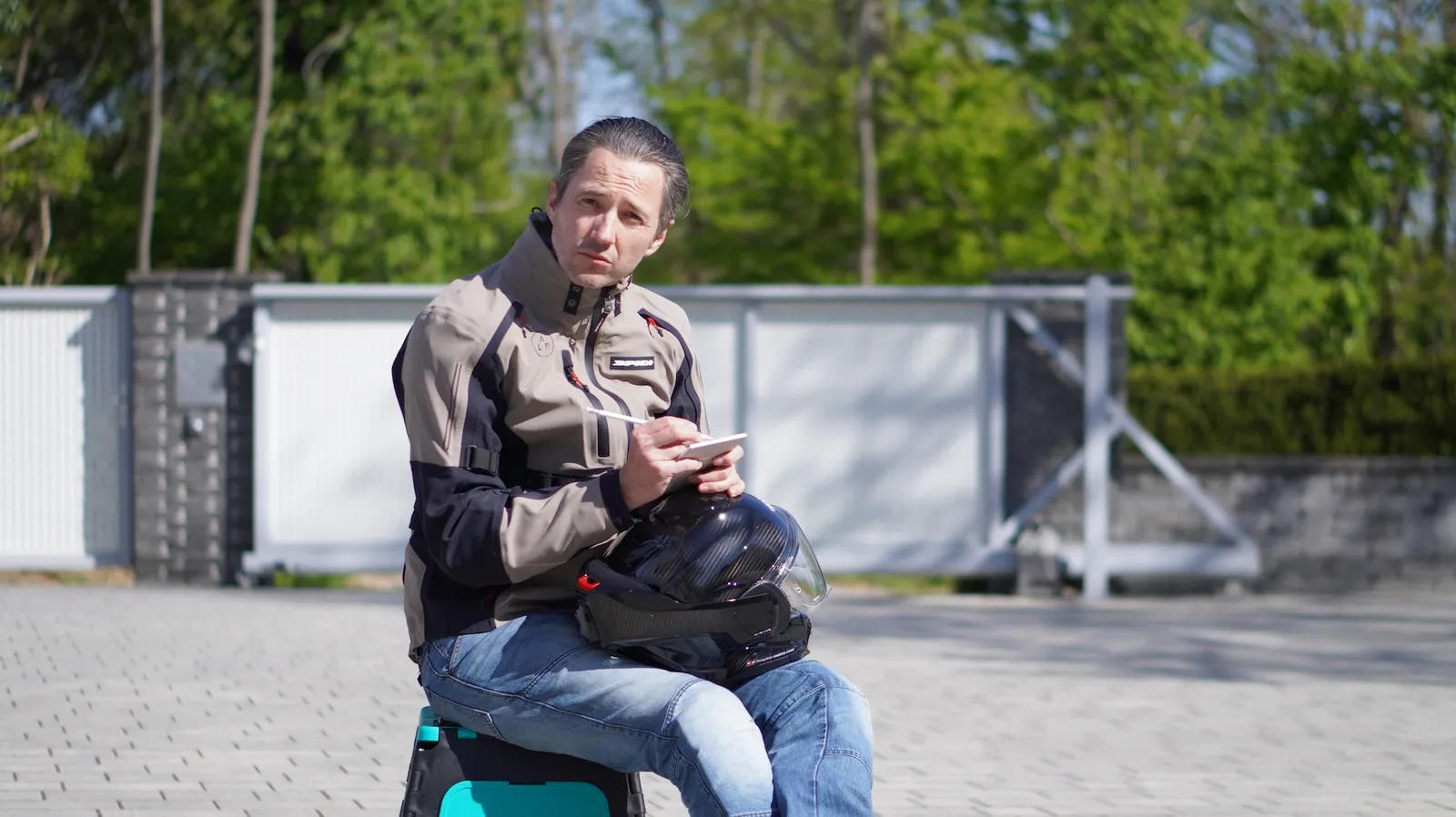
Portrait of NastyNils

The test ride

Get moving and the physical side takes over fast. The seat sits tall at 37.8 in, so you're up and over the bike, working it with your body more than steering it. On technical descents the lack of weight is a gift: however ugly the line, you can muscle it where you want because there's so little to fight. The flip side shows up in your forearms. This bike pulls more out of you than anything its size, and after a hard run your arms are cooked and the fatigue stacks up. The two-stroke buzz is always there under you, alive and restless, asking for attention. Cover real ground on it and you feel every mile in your body by the end of the day.

Rated point by point — where it earns its keep

My own 0–100 score for this bike against the class, area by area — the marker on each bar is the class average.

Point it down something steep and nasty and the lack of mass turns into a real advantage. However badly the line falls apart under me, there's so little to wrestle that I can still set the bike on the exact spot I picked, and that reassurance shows up right when I've committed hardest. Holding it together is a chassis with genuine pedigree, the WP PDS rear shock and a frame brought along by patient, incremental work rather than a clean-sheet redraw. None of it reads as makeshift.

This is the corner of the bike where I've got no complaints to file. The gearbox is spot on, dropping into whatever gear I ask for with none of the vague or missed changes that grind on you deep into a long day. The brakes are cut from the same cloth, firm and predictable every time I reach for them. On a machine that demands this much elsewhere, having these parts simply do their job without a second thought counts for plenty.

Nothing here has ever left me stranded, and the reason is how little there is to go wrong. On a multi-day run the two-stroke layout means I can put a fair bit right myself, provided I threw the right spares in the bag, and the electric start does what a four-stroke's added complication would deny me. That same plainness keeps the wallet honest too. Fewer moving parts to fail means smaller bills at the counter and shorter jobs when something eventually asks for attention.

Here I'll be blunt: nothing in the lineup drained me the way this one did. My arms were spent after every run and the tiredness kept compounding, yet the stopwatch stayed unmoved. Lighter machinery got through most sections quicker while I poured in far more to go slower. That's the plain arithmetic of it. The 300 draws heavily from you and returns less than the smaller bikes do for the effort you feed it.

The thing I never quite got to the bottom of on this motor is how deep the reserve runs. Ask for a wheelie in any gear and it's right there, so the whole job becomes rationing what's already under me rather than chasing more. Ride it deliberately and the low end waits patiently, then answers the instant the ground opens up. The cost is a fidgety throttle that won't settle, so a controlled pace means I'm forever trimming it in small doses.

String together any real mileage and the two-stroke reminds you it was never built for it. That's the one gap the years of refinement haven't closed. Over the same length of trail a four-stroke would leave me fresher, and the further the day stretches the more plainly I notice it. It's no obstacle on the tight, technical ground the bike lives for, but once the miles pile up I feel the tax it charges.

I can't pretend this suits many people. The riders it genuinely fits are the heavier ones who've decided they want two-stroke drive and know exactly what they're taking on. Alongside them sit the ones who like owning something worth talking about with whoever's parked next to them. Beyond those two camps, I'd struggle to put anyone on it in good conscience and stand behind the call.

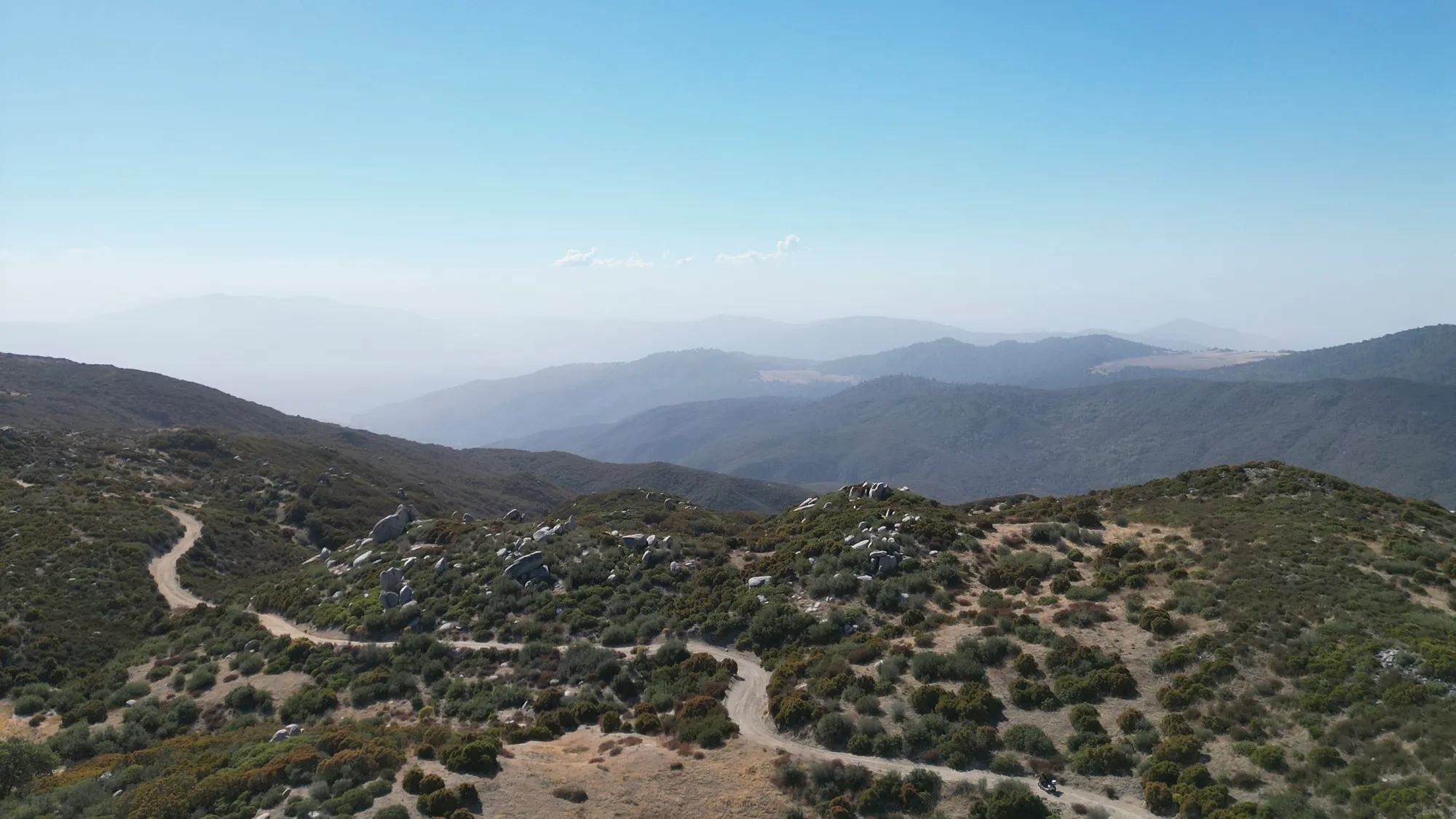
Aerial drone view of Palomar Divide Road winding through chaparral-covered mountain ridges in San Diego County. Multiple S-curve sections descend through sparse vegetation with distant valley views visible in the haze. Gravel and packed-earth surface.

The Truth on the Trail

Known issues

  • Carburetor jetting sensitivity

    fuel systemcommon

    From the factory, the Keihin PWK 36S carburetor can exhibit off-idle bogginess and inconsistent fueling, particularly in changing altitude/temperature. Many owners rejet to achieve clean power delivery.

  • Power valve sticking

    engineoccasional

    Carbon buildup can cause the power valve to stick, leading to inconsistent power delivery with a lack of low-RPM power and a sudden surge at higher revs. Regular cleaning can prevent this.

  • Starter motor bendix failure

    engineoccasional

    The electric starter's bendix gear and intermediate idler gear are prone to failure, resulting in a clicking sound without engine turnover. Upgrading to the 2017+ components is a common fix.

  • Front fork seal leaks

    suspensionoccasional

    Fork seals can leak, leading to loss of damping fluid and reduced suspension performance. Requires seal replacement and servicing.

The Expert Benchmark

Where this KTM 300 EXC pulls ahead of — or falls behind — its rivals on the numbers, and the typical bike in its class on character.

What kind of bike this is — character vs. the class

This bike Class average

Head-to-head: KTM 300 EXC vs. its rivals

The 'Should I Buy It?' Score

Forget spec-sheet bragging. Here's who the 300 EXC is actually built for.

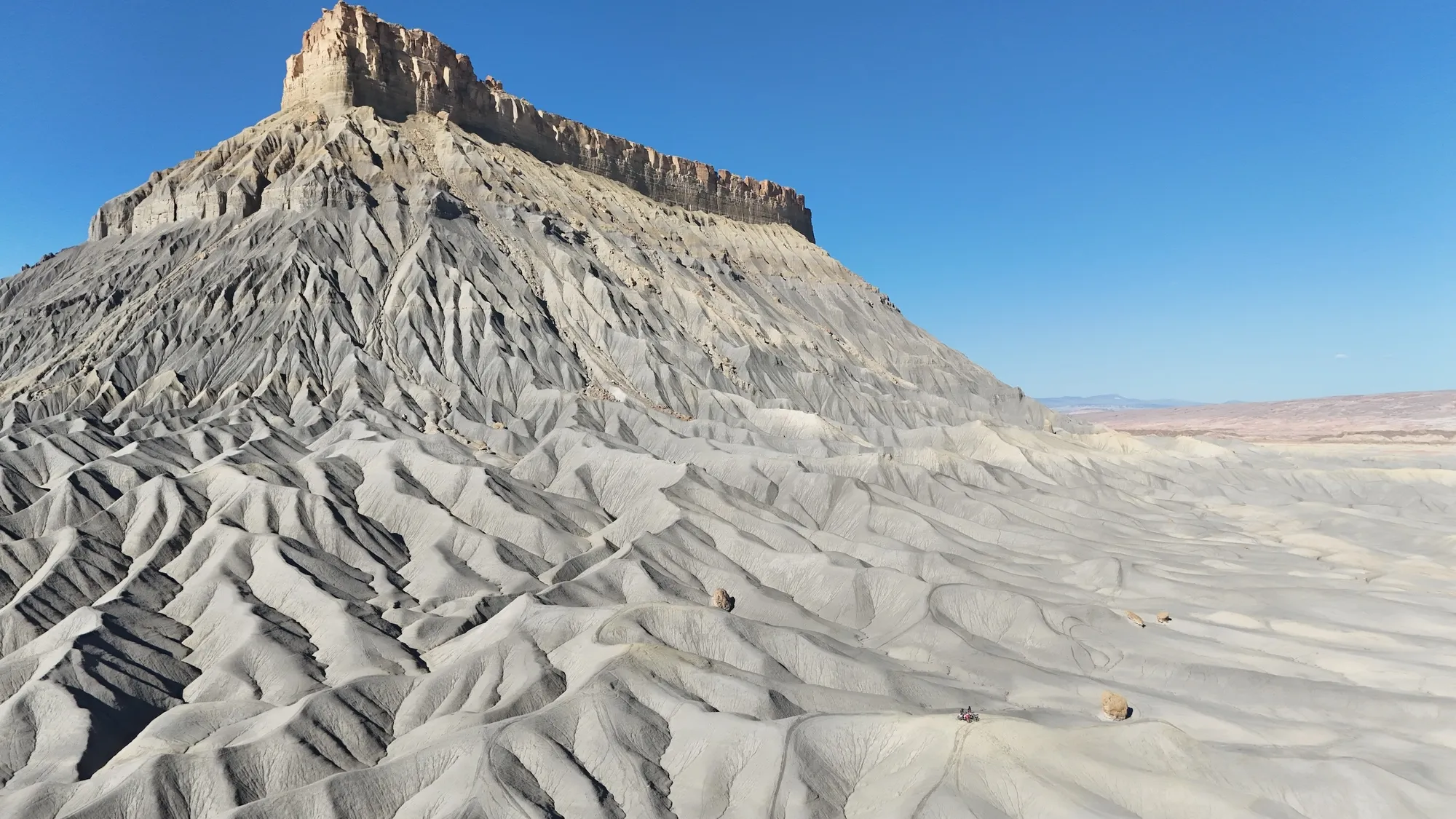
Factory Butte in Utah's high desert badlands, captured in daylight under clear blue sky. The formation's distinctive multi-colored strata and steep erosional gullies dominate the frame. Arid terrain with minimal vegetation stretches across the foreground and background. Typical American Southwest landscape.
NastyNils / Nastynils.com

Best motorcycle for Moab?

This is your ground. On slickrock, sand and tight technical lines the light weight and deep low-end let you place the bike anywhere and keep your skill in charge. Just plan for the fatigue on long days.

Made for Bar M / Kane Creek · Imperial Sand Dunes · Johnson Valley OHV Area

Best motocross bike for Loretta Lynns?

Be honest here. It's built for terrain and survival, not the quickest lap on a groomed track; the flywheel and gearing favor drive over outright pace. Great for training, less so for race day.

Made for Carnegie State Vehicular Recreation Area · Fox Raceway at Pala · Glen Helen Raceway

Best motorcycle for BDR routes?

For rational multi-day planning this is a tough fit. The 2.5 gal tank is small and the two-stroke asks more of you over distance than a four-stroke, so long days will wear you down before the route does.

Made for AZBDR — Arizona Backcountry Discovery Route · California BDR South · COBDR — Colorado Backcountry Discovery Route