·

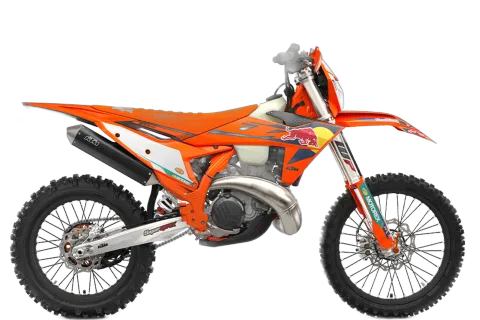
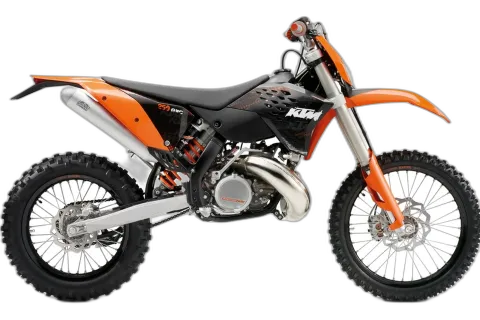
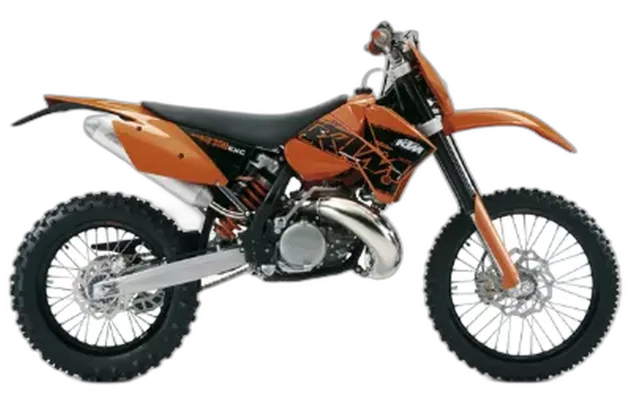
KTM 300 EXC (MY2008) — Enduro
KTM Press

2008–2010 · Enduro · Buyer's Guide

300 EXC (MY2008)

4.5 / 5 NastyNils Rating · against its class

Two-Stroke Traction You Control

The Machine's Character

This 300 EXC is a 293 cc liquid-cooled two-stroke single in a steel double-cradle frame, and its whole point is usable power. 57 hp and 32 lb-ft are plain numbers; what matters is how they arrive: linear, controllable, with heavy low-end pull and none of the harsh hit you'd get from a motocross two-stroke. That's exactly what I want from an enduro. Electric start is on board, both ends of the suspension are adjustable, and there isn't a single electronic rider aid to get between you and the rear tire. Among big two-stroke enduros, this is the benchmark for rideability.

It's light enough to throw around and still has torque in reserve on every kind of terrain, so it's both easy to ride and fast. That combination is rare. It's for the experienced off-road rider who lives in technical sections: steep climbs, nasty descents, sudden obstacles. It ages like a hard-used tool, so stay on top of it. Carbon buildup can make the power valve stick and the delivery turn inconsistent, clutch plates can wear early and slip under load, and the starter motor or bendix can fail. The 37.8 in (960 mm) seat and 2.5 gal (9.5 L) tank set the limits. Maintain it and it climbs anything!

Hard Numbers

Spec sheets don't ride bikes, but they set the baseline.

Show full specs & equipment Hide specs & equipment
Key specifications
Power 57 hp (42 kW)
Torque 32 lb-ft (44 Nm)
Displacement 293 cc
Engine Single-cylinder
Cooling Liquid-cooled
Gearbox 5-speed
Final drive Chain
Front tire 90/90-21
Rear tire 120/90-18
Wheelbase 58.1 in (1475 mm)
Ground clearance 15.2 in (385 mm)
Front travel 11.8 in (300 mm)
Rear travel 13.2 in (335 mm)
Seat height 37.8 in (960 mm)
Fuel capacity 2.5 gal (9.5 L)

Equipment check

Chassis

  • Front Suspension Adjustable Standard
  • Rear Suspension Adjustable Standard

The Voice of Experience

Portrait of NastyNils

The test ride

What surprised me first was the sound. At trail pace the 300 stays quiet, so quiet that a couple of corners away you'd hardly know it's running. The familiar two-stroke scream only shows up when you really wind it out. You sit high, 37.8 in (960 mm) off the ground, with 15.2 in (385 mm) of clearance under you and a lot of suspension travel working at both ends. Your hands land on an aluminum bar and controls that feel high-grade, and the hydraulic clutch lever gives you a clear, tactile read of what's happening. Plastics and seat have the same solid feel: this is built to take sustained abuse, not to shine at the dealership. Point it downhill and the low weight takes work off your shoulders. You stop thinking about the bike and start reading the terrain. Feels right!

Rated point by point — where it earns its keep

My own 0–100 score for this bike against the class, area by area — the marker on each bar is the class average.

On the trail the 300 has a snap and an agility that four-strokes just can't deliver. Change direction, pick a new line, fire it at the next section: it reacts right now. And this isn't a new discovery. Big two-stroke enduros have worked this way for years, and this generation carries that on. Four-strokes can't follow!

KTM fits the Brembo off-road caliper here, and on this generation it's the updated, improved version. I had nothing to criticize: the 300 slows down when and how I ask it to, and I never caught myself wishing for a stronger setup. Job done.

The descent is where this chassis convinced me. Weight and center of gravity are where the 300 makes its case, and the comparison that stuck with me is the four-stroke 250: it's the lighter bike, and it still demands more from you in a tricky downhill section. Hard to argue with.

I can only judge what I had in my hands and under me, and all of it is quality stuff. From the handlebar back to the seat I didn't find a single part that looked like a cost-cutting exercise. This is equipment for riders who use their bikes hard and often. Proper hardware!

What I keep coming back to is the throttle. It's silk-smooth through the whole range, and you can feather the 300 with a precision the smaller 125 simply doesn't have: there's a full, usable spectrum between closed and wide open. On a hillclimb that means I place the power instead of hoping for the best. Where the throttle alone isn't precise or quick enough, the clutch fills the gap, and the two work as one system. Sudden obstacle? Attack it.

For years the one real complaint about this platform was the missing electric start. That argument is long gone: you press the button and ride. On this generation KTM also went back into the hardware and redesigned the starter motor and the reduction gear for better durability and less maintenance. That's the part of an electric start I care about. Good call.

Comfort on an enduro starts at the left hand for me. The clutch is hydraulically actuated and the modulation is excellent: accurate, easy to dose, and well matched to the way this engine delivers its power. I never had to guess where it engages. Spot on!

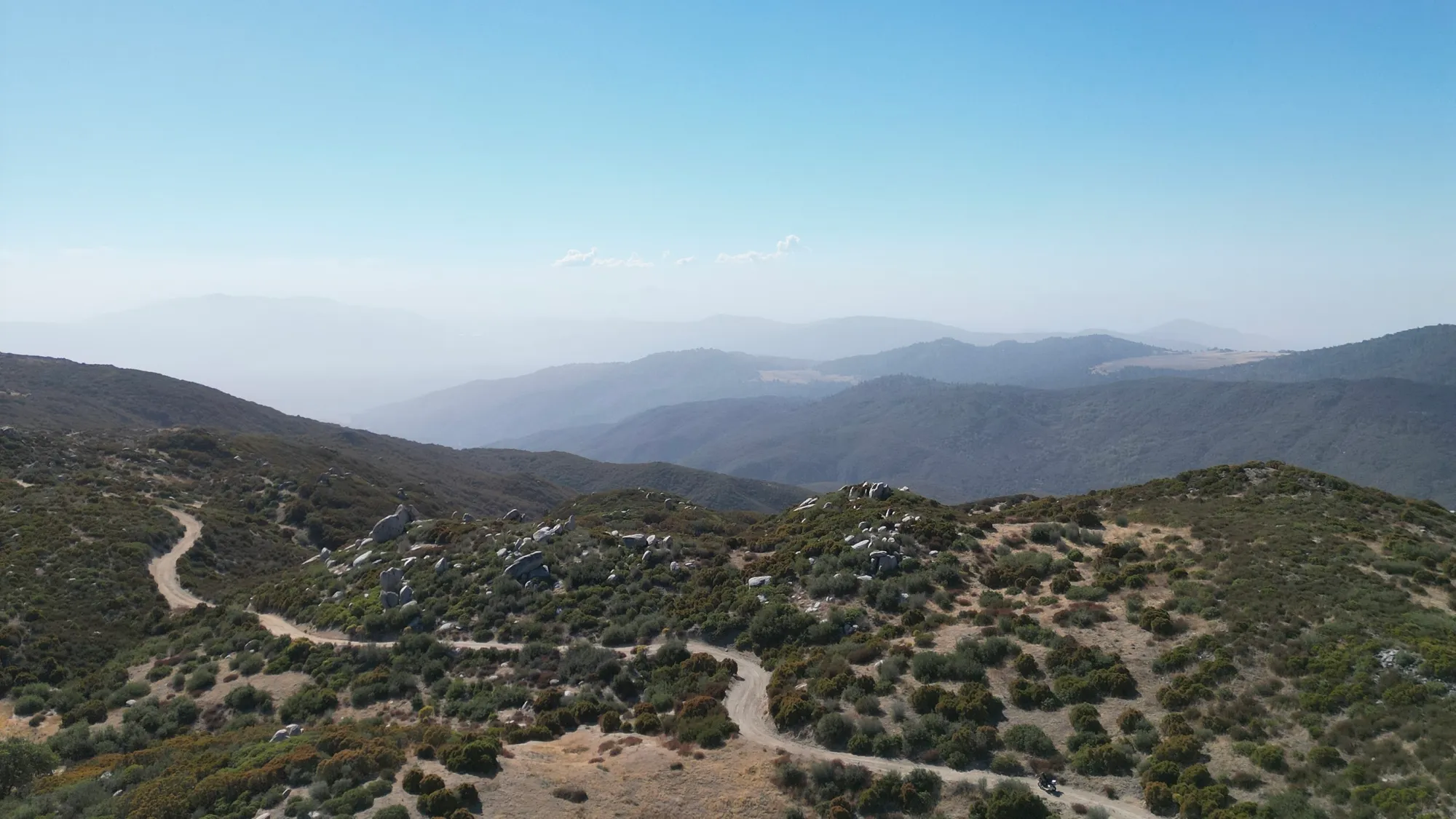
Aerial drone view of Palomar Divide Road winding through chaparral-covered mountain ridges in San Diego County. Multiple S-curve sections descend through sparse vegetation with distant valley views visible in the haze. Gravel and packed-earth surface.

Known issues

  • Power valve sticking

    engine occasional

    Carbon buildup can cause the power valve to stick, resulting in inconsistent power delivery, poor throttle response, and a sudden surge at higher RPM.

  • Clutch slippage

    drivetrain occasional

    Clutch plates wear prematurely, causing slippage under load and reduced acceleration. Regular inspection and replacement of the plates can resolve the issue.

  • Electric starter failure

    electrics occasional

    The electric starter motor or bendix mechanism can fail, leading to no-crank or intermittent starting. Some owners removed the system entirely.

The Expert Benchmark

Where this KTM 300 EXC pulls ahead of — or falls behind — its rivals on the numbers, and the typical bike in its class on character.

What kind of bike this is — character vs. the class

This bike Class average

Head-to-head: KTM 300 EXC vs. its rivals

The 'Should I Buy It?' Score

Forget spec-sheet bragging. Here's who the 300 EXC is actually built for.

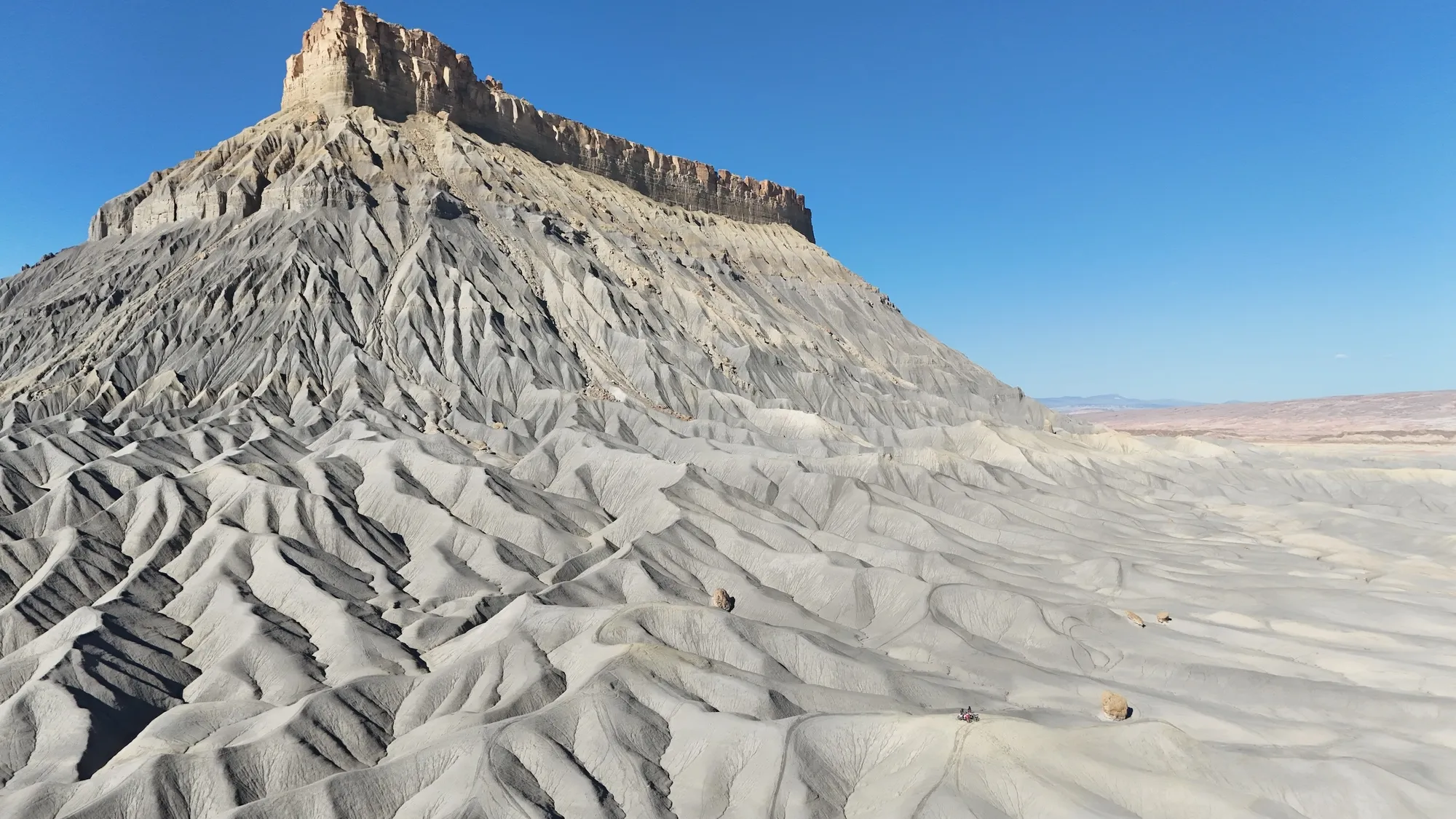
Factory Butte in Utah's high desert badlands, captured in daylight under clear blue sky. The formation's distinctive multi-colored strata and steep erosional gullies dominate the frame. Arid terrain with minimal vegetation stretches across the foreground and background. Typical American Southwest landscape.
NastyNils / Nastynils.com

Best motorcycle for Moab?

Slickrock ledges, sand and steep technical climbs are this bike's home. It's light, torquey and easy to place. Just plan your day loops around the 2.5 gal (9.5 L) tank.

Made for Bar M / Kane Creek · Imperial Sand Dunes · Johnson Valley OHV Area
Best motocross bike for Loretta Lynns?

Be honest with yourself: this is an enduro, tuned for traction instead of a motocross hit. It'll sharpen your throttle and clutch control, but it isn't built for your kind of racing.

Made for Carnegie State Vehicular Recreation Area · Fox Raceway at Pala · Glen Helen Raceway

Best motorcycle for BDR routes?

If you plan backcountry routes around range and luggage, look elsewhere. A 2.5 gal (9.5 L) tank, a 37.8 in (960 mm) seat and no luggage system make this a day-ride machine.

Made for AZBDR — Arizona Backcountry Discovery Route · California BDR South · COBDR — Colorado Backcountry Discovery Route

What's new versus the previous generation

If you're cross-shopping the older generation, here's what changed.

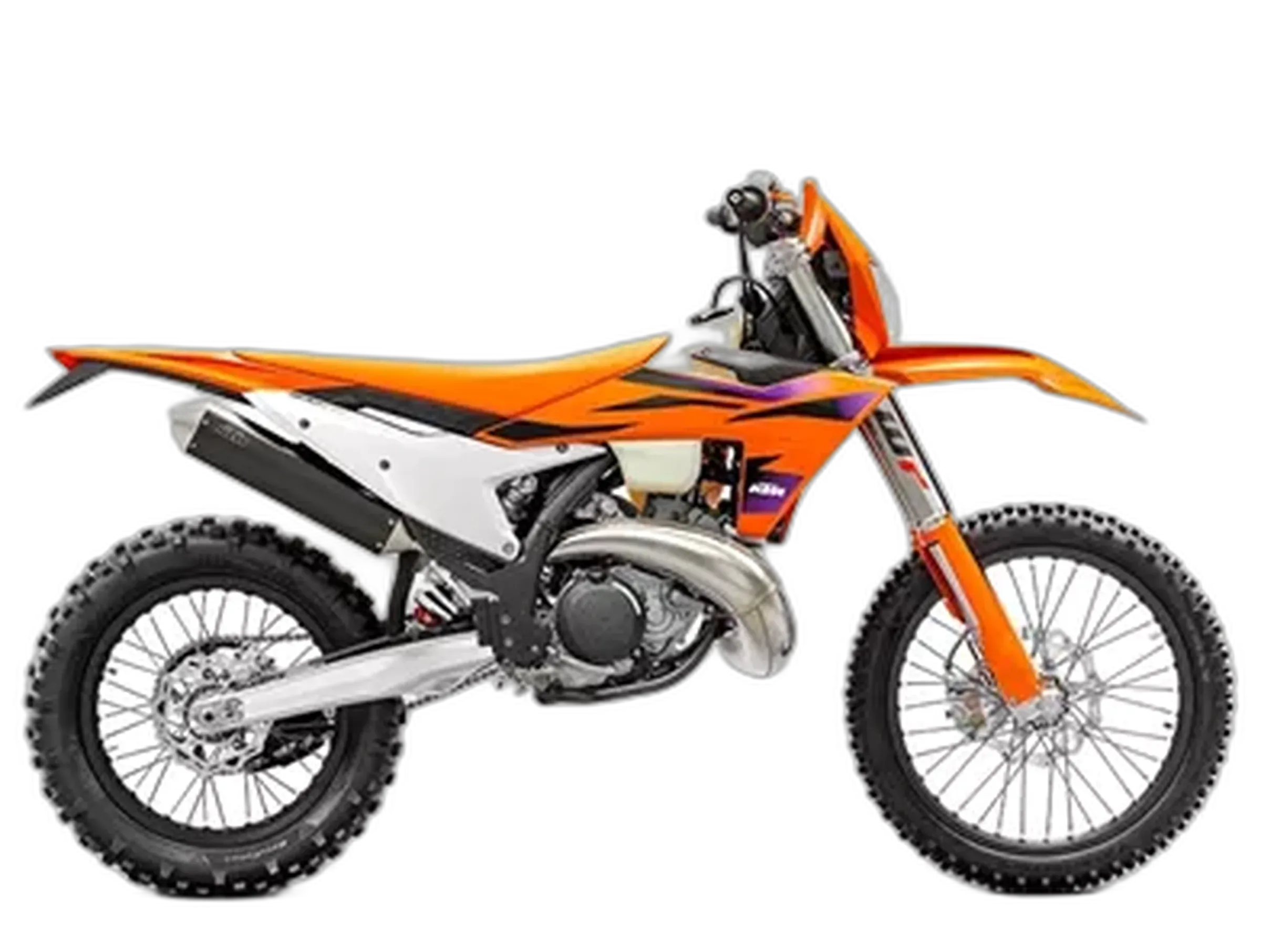
KTM 300 EXC (MY2006)

Previous generation · 2006–2007

KTM 300 EXC (MY2006)

57 Horses In 249 Pounds

Compare to the previous model →

Alternatives to the KTM 300 EXC

If this one isn't quite the fit, these are the bikes worth riding back-to-back against it.