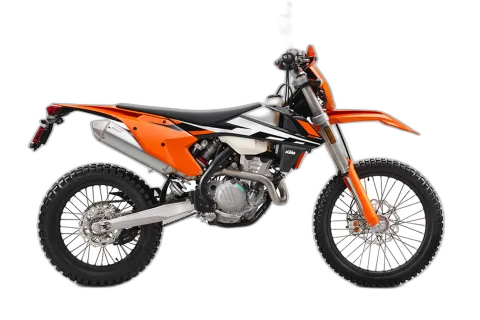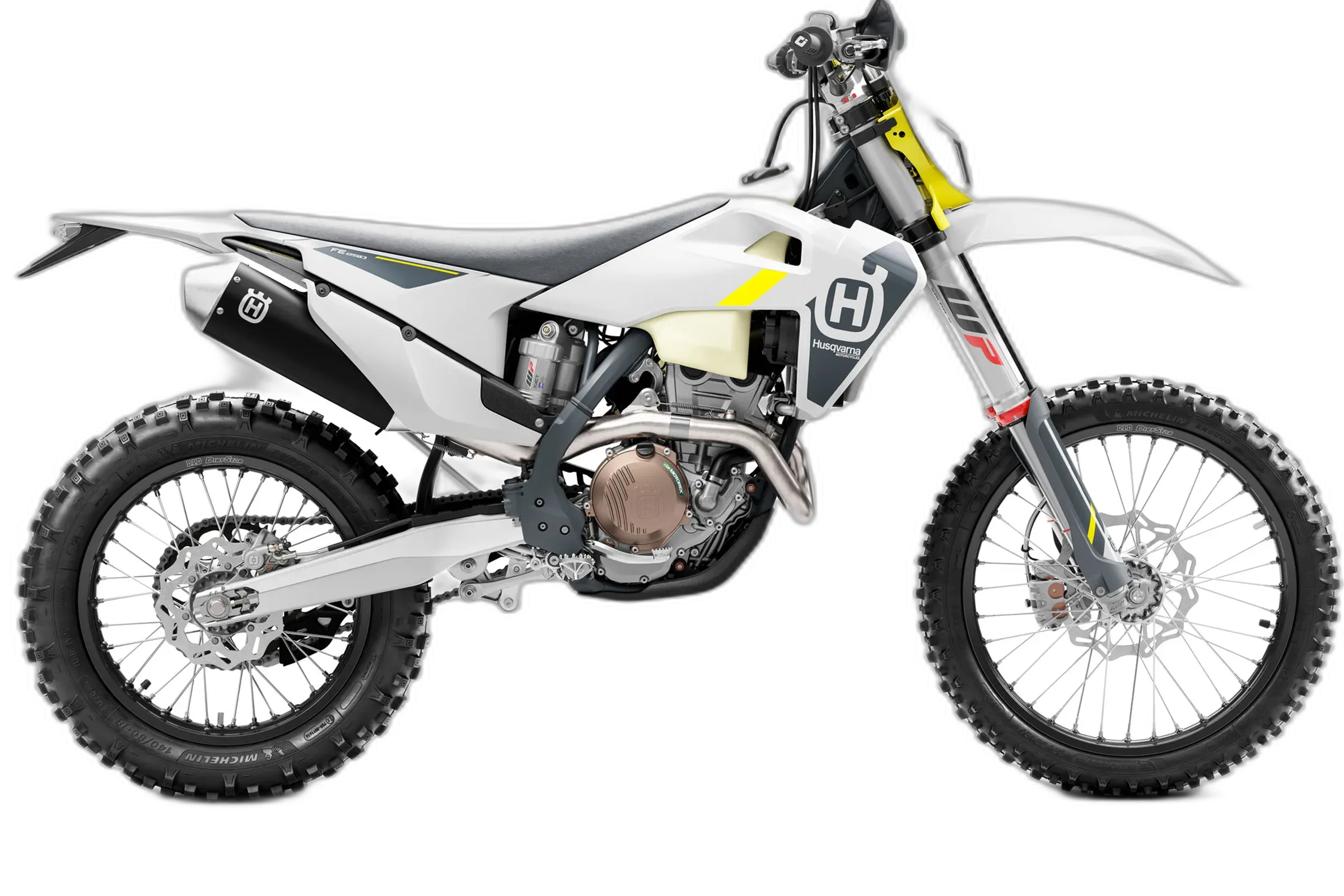
Husqvarna FE 250 (MY2017) — Enduro
Husqvarna Press

2017–2022 · Enduro · Buyer's Guide

FE 250 (MY2017)

4.5 / 5 NastyNils Rating · against its class

Agile And Light Enough

The Machine's Character

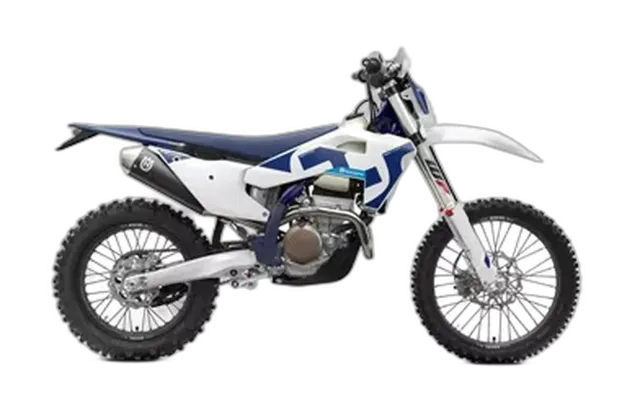
The FE 250 is Husqvarna's small-bore four-stroke enduro, and it's built for one job: picking its way through technical terrain. A compact, liquid-cooled 250 cc single makes 38 hp and 20 lb-ft, sits in a steel trellis frame and drives through a 6-speed box. WP Xplor suspension is adjustable at both ends and gives you 11.8 in (300 mm) of travel up front and 13.0 in (330 mm) out back, with 14.0 in (355 mm) of ground clearance underneath. Traction control comes standard. ABS doesn't. That's the class formula done properly, with clean Husqvarna styling on top. The substance is there.

Peak power was never the point here, and in the dirt that doesn't matter: rideability beats horsepower every time. The FE 250 suits the experienced trail rider who values agility over grunt, and the lighter rider who wants something manageable. Ownership asks for attention, though. Keep an eye on the clutch: worn plates slip under heavy load, and slave cylinder seals can weep on 2017–2018 bikes. Hot restarts can get stubborn, and the plastics can crack in a hard hit. The 2.2 gal (8.5 L) tank makes it plain: this is a trail tool, not a travel bike. Know what you're buying.

Hard Numbers

Spec sheets don't ride bikes, but they set the baseline.

Show full specs & equipment Hide specs & equipment
Key specifications
Power 38 hp (28 kW)
Torque 20 lb-ft (27 Nm)
Displacement 250 cc
Engine Single-cylinder
Cooling Liquid-cooled
Gearbox 6-speed
Final drive Chain
Fork Upside-down (USD)
Front brake 260 mm
Front tire 90/90-21
Rear tire 140/80-18
Wheelbase 58.3 in (1482 mm)
Ground clearance 14.0 in (355 mm)
Front travel 11.8 in (300 mm)
Rear travel 13.0 in (330 mm)
Seat height 37.8 in (960 mm)
Fuel capacity 2.2 gal (8.5 L)

Equipment check

Chassis

  • Front Suspension Adjustable Standard
  • Rear Suspension Adjustable Standard

The Voice of Experience

Portrait of NastyNils

The test ride

Swing a leg over and the first thing you notice is height. With a 37.8 in (960 mm) seat, a lot of riders will be on tiptoes at a stop, but the low weight makes that far less scary than it sounds. Once you're rolling, the bike seems to disappear under you. You stand up, squeeze with your knees, and small inputs are all it takes. The little single likes to be kept spinning, so your right hand stays busy and your left foot works the 6-speed more than it would on a bigger bike. The fueling is smooth enough that you can trickle along at walking pace over rocks without any drama. At the end of a long day in tight terrain, you're tired from riding, not from wrestling the motorcycle. Light wins.

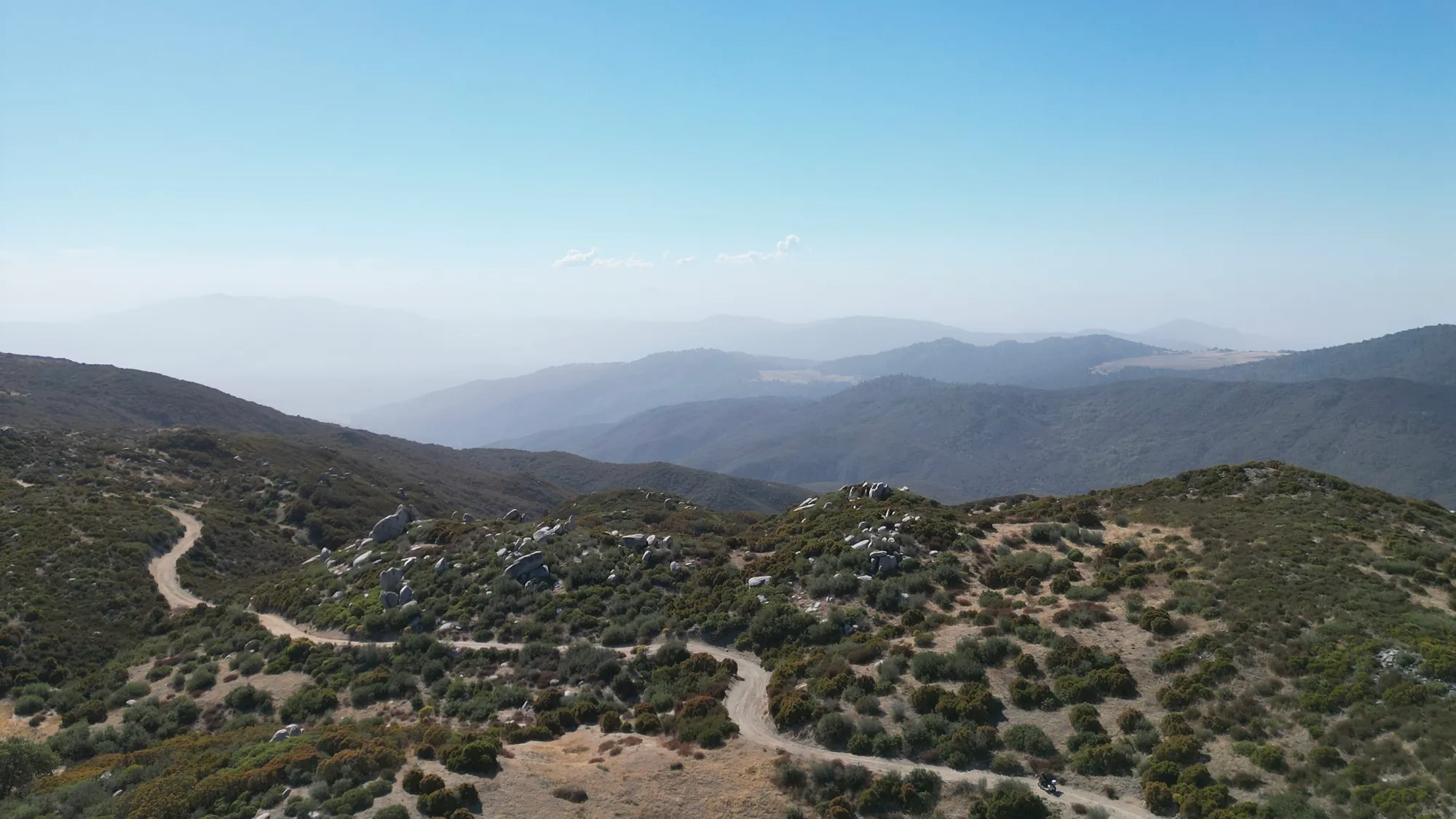
Aerial drone view of Palomar Divide Road winding through chaparral-covered mountain ridges in San Diego County. Multiple S-curve sections descend through sparse vegetation with distant valley views visible in the haze. Gravel and packed-earth surface.

The Truth on the Trail

These are the voices of FE 250 owners, gathered over years of paddock talk, conversations with owners, club-night chatter, and the emails and messages riders send me directly. The pattern is clear: riders love the chassis, suspension and fueling. The complaints circle around a soft setup for fast riders, the clutch and fuel range.

The chassis owners keep praising

Riders consistently praise the quality and range of adjustment in the WP Xplor suspension, and owners call the preload adjusters on the fork a handy touch. Just as often, they describe a bike that feels small and flickable, one that builds your confidence in technical terrain. The fuel injection gets credit for crisp throttle, consistent fueling as conditions change, and a broad powerband that works for trail riding and racing. Small bike, big confidence.

Where owners want more

That same suspension draws the most common gripe: faster and heavier riders find it undersprung and underdamped, and many revalve it or swap springs to race. Some owners report clutch fade after hard use, and regular fluid flushes help, they say. Range comes up too: around 62 miles (100 km) on the trail can mean a fuel stop mid-loop. Long loops need planning.

Known issues

  • Clutch slippage under heavy load

    drivetrain occasional

    Under hard acceleration or heavy load the clutch may slip, often due to worn plates; adjustment or plate replacement restores engagement.

  • Brake fade in prolonged muddy use

    brakes occasional

    Prolonged brake use, especially in muddy conditions, can lead to brake fade and reduced stopping power. Upgrading to high‑performance brake pads is a common fix.

  • Clutch slave cylinder seal leakage

    drivetrain occasional

    Reports of clutch slave cylinder seal weeping or failure, leading to loss of hydraulic pressure and a spongy clutch lever. More common on older 2017-2018 bikes; replacement seals or aftermarket kits resolve the issue.

  • Electrical gremlins (flickering lights, starting issues)

    electrics occasional

    Some owners report intermittent electrical problems such as flickering lights or hard starting, commonly traced to a weak battery, corroded connections, or a failing starter relay.

  • Hard starting when hot or after frequent restarts

    fuel system occasional

    The engine may be difficult to start when hot, especially after many stop‑and‑restart cycles typical of enduro riding. Causes can include vapor lock in the fuel rail, a failing coolant temperature sensor, low battery voltage, or tight valve clearances.

  • Coolant leak from water pump nipple

    cooling rare

    An uncommon issue where the coolant leaks from a press-fit nipple on the water pump housing. Requires a special tool to replace and reseal. Mostly reported on 2019 models.

  • Plastics prone to cracking

    bodywork occasional

    The bodywork plastics can crack or break under hard impacts or rough handling; reinforced aftermarket panels are a common preventative upgrade.

The Expert Benchmark

Where this Husqvarna FE 250 pulls ahead of — or falls behind — its rivals on the numbers, and the typical bike in its class on character.

What kind of bike this is — character vs. the class

This bike Class average

Head-to-head: Husqvarna FE 250 vs. its rivals

The 'Should I Buy It?' Score

Forget spec-sheet bragging. Here's who the FE 250 is actually built for.

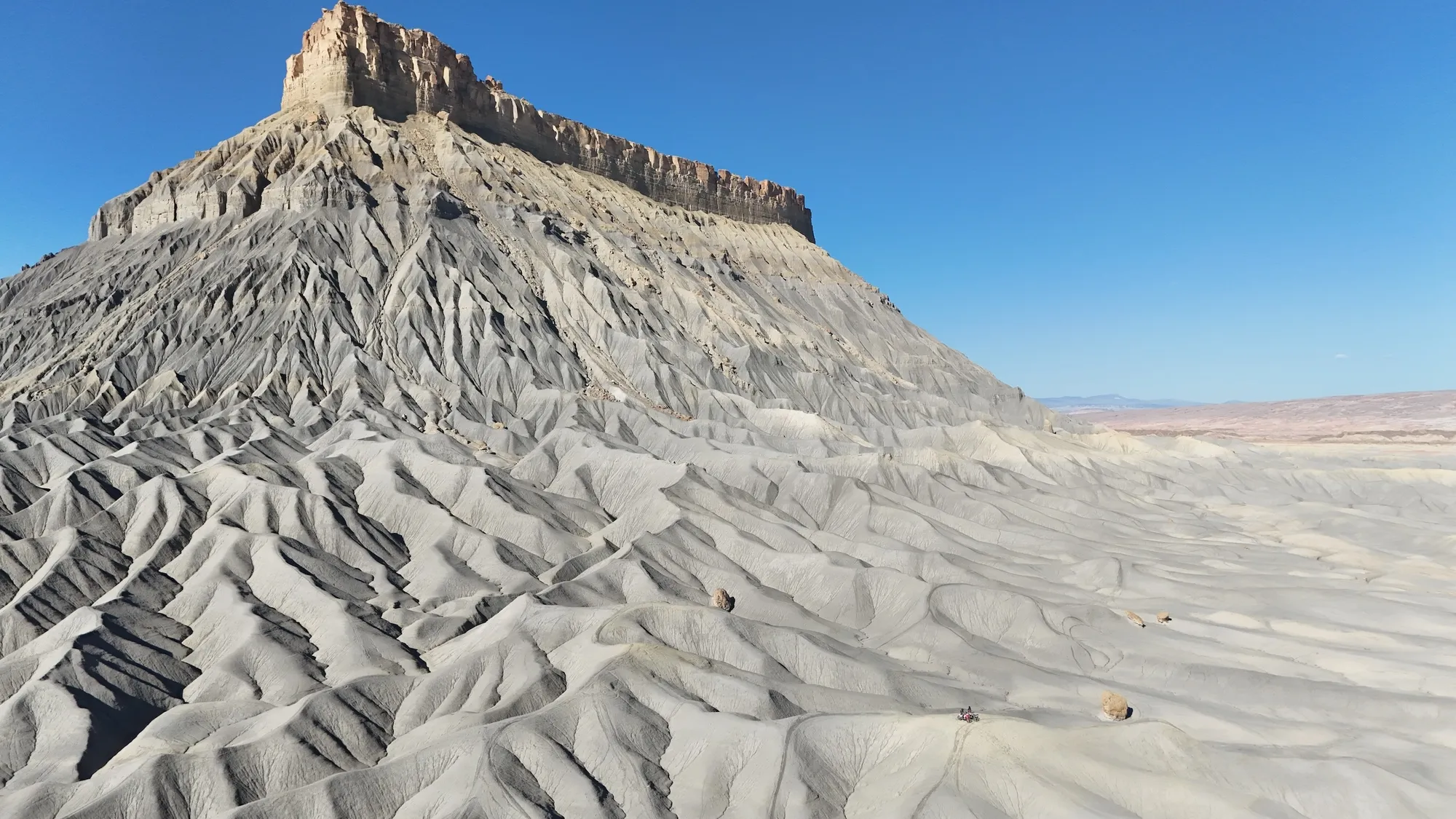
Factory Butte in Utah's high desert badlands, captured in daylight under clear blue sky. The formation's distinctive multi-colored strata and steep erosional gullies dominate the frame. Arid terrain with minimal vegetation stretches across the foreground and background. Typical American Southwest landscape.
NastyNils / Nastynils.com

Best motorcycle for Moab?

This is your kind of bike: light, tunable and made for ledges, sand and slickrock. Just plan your fuel, because 2.2 gal (8.5 L) doesn't stretch far on a big desert loop.

Made for Bar M / Kane Creek · Imperial Sand Dunes · Johnson Valley OHV Area
Best motocross bike for Loretta Lynns?

It'll handle practice days at your local track, and the suspension tunes nicely. But it's an enduro at heart. If racing motocross is your thing, a dedicated MX bike is the sharper tool.

Made for Carnegie State Vehicular Recreation Area · Fox Raceway at Pala · Glen Helen Raceway

Best motorcycle for BDR routes?

Honest answer: it's not for loaded multi-day BDR runs. The 2.2 gal (8.5 L) tank and lack of a luggage system rule that out. As a trailered day bike for the gnarly sections, though, it's a blast.

Made for AZBDR — Arizona Backcountry Discovery Route · California BDR South · COBDR — Colorado Backcountry Discovery Route

What's new versus the previous generation

If you're cross-shopping the older generation, here's what changed.

Husqvarna FE 250 (MY2014)

Previous generation · 2014–2016

Husqvarna FE 250 (MY2014)

Light, Precise, Fully Capable

Compare to the previous model →

Alternatives to the Husqvarna FE 250

If this one isn't quite the fit, these are the bikes worth riding back-to-back against it.

Any price note compares both bikes at the same age — the youngest age both have on the used market — against this Husqvarna FE 250. “cheaper/pricier” is what that bike costs second-hand, not how worn it is.