Kawasaki VN 2000 (VN2000-MY2005) — Cruiser
NastyNils / Kawasaki press archive

2005–2008 · Cruiser · Buyer's Guide

VN 2000 (VN2000-MY2005)

Two Liters of Pure Attitude

The Machine's Character

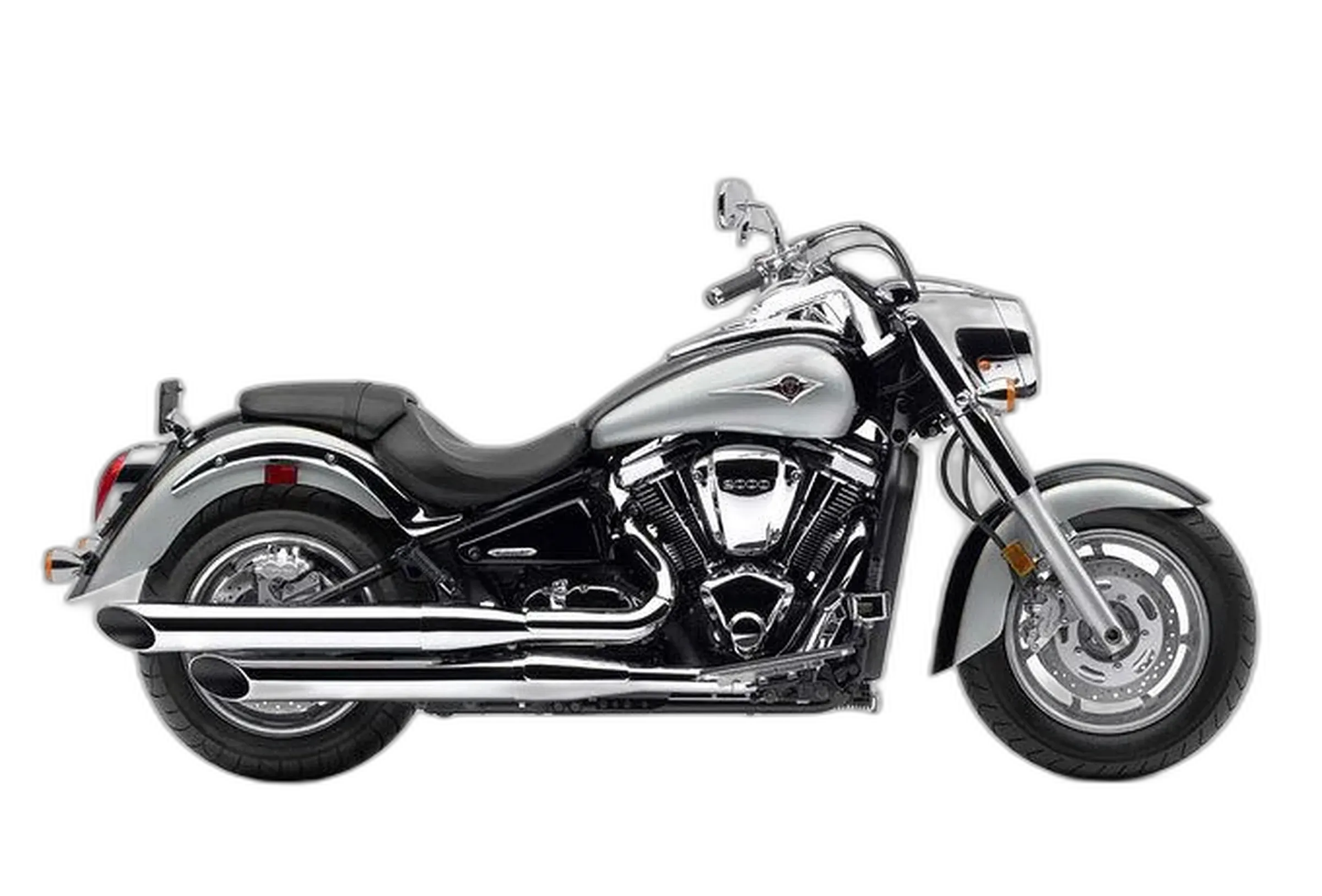
The Vulcan 2000 builds its whole identity around one thing: a 2053cc V-twin with real pushrods, a true OHV design running a lower camshaft rather than cosmetic hardware bolted on for looks. It makes 116 hp and 141 lb-ft, and that torque arrives low and heavy, moving serious mass the instant you crack the grip. Kawasaki wrapped it in chrome and steel, tucked the liquid cooler so deep into the metal you have to hunt for it, and ran a belt to the fat 200-section rear. This is a power cruiser that leads with presence and mechanical honesty before it moves an inch.

On the road it rewards a relaxed hand. The low-end pull and long 68.3-inch wheelbase keep it planted and confident at highway speed, and the belt drive plus solid Kawasaki build give it a durable feel that ages well. It suits a rider who wants stance, sound, and easy torque over sharp cornering. The honest caveat: the chassis and brakes are capable, not sporty. Push hard through tight, winding roads and you'll find their limits sooner than you'd like. Choose it for what it actually is, a calm, charismatic cruiser, and it delivers exactly that.

Hard Numbers

Spec sheets don't ride bikes, but they set the baseline.

Show full specs & equipment Hide specs & equipment
Key specifications
Power 116 hp (85 kW) @ 5,000 rpm
Torque 141 lb-ft (191 Nm) @ 3,000 rpm
Displacement 2053 cc
Engine V twin 52
Cooling Liquid-cooled
Gearbox 5-speed
Final drive Belt
Front brake 300 mm
Front tire 150/80-16
Rear tire 200/60-16
Wheelbase 68.3 in (1735 mm)
Seat height 26.8 in (680 mm)
Wet weight 838 lb (380 kg)
Fuel capacity 5.5 gal (21 L)
Top speed 120 mph (193 km/h)
Fuel economy 35 mpg (US)

The Voice of Experience

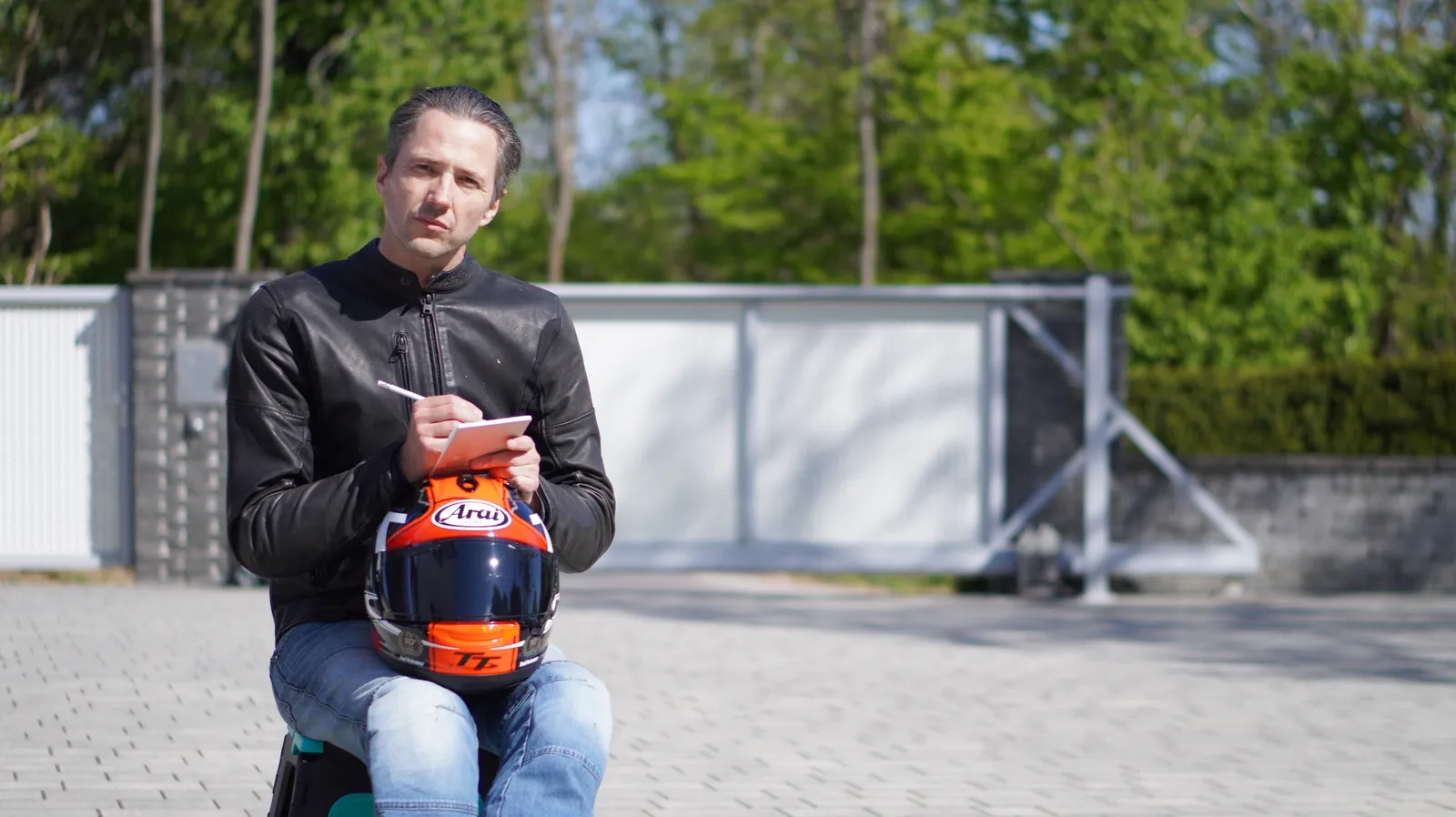
Portrait of NastyNils

The test ride

Hit the starter and the first thing you want to do is shut it off and fire it again. You hear and feel the internals spin up before it settles into idle, and by then your right hand already knows what it's holding. The real surprise comes at walking pace. The wheelbase is long and the turning radius is wide, so the first parking-lot moves take some recalibration, but keep your feet on the pegs and the low center of gravity and wide tires hold it steady at speeds that feel impossible for 838 pounds. Open, flowing corners come easy. In hairpins, trail a little rear brake and stay smooth, because any rough throttle mid-corner puts you on a wobbly line. And in every lot, people circle it and ask to sit on it.

Rated point by point — where it earns its keep

My own 0–100 score for this bike against the class, area by area — the marker on each bar is the class average.

What I keep returning to is the sincerity of the delivery. Crack the grip even slightly and a genuinely large mass answers, heavy and deliberate in the way only a true big-inch twin manages, so small inputs land with real weight behind them. The valvetrain earns that feeling: a proper OHV layout with the cam sitting low, the visible pushrods doing actual work rather than posing for looks. And it isn't all bottom end. There's more top than a motor this size has any right to, enough to stretch your arms and keep pulling well past a settled highway pace.

A long cruiser like this asks for a short relearning period the first time you thread it through a tight lot. The arc it carves at a crawl runs wider than any habit from lighter bikes prepares you for, so those opening moves come out cautious. The reward shows up once you commit: keep the feet up, let the low weight settle under you, and it stays genuinely steer-able at a pace most riders would call impossible for its heft. Faster flowing bends barely register the mass, and the hairpins stop intimidating me after a rehearsal or two, provided I pick a pace early, drag a touch of rear brake, and keep everything gentle. Snatch at that big motor while leaned over and the line goes egg-shaped in a hurry. The chassis and brakes mark the real limit: good enough for genuine fun at pace, not built to be hustled hard through the tight stuff.

Half the character here lives in the show. Thumb the starter and your first instinct is to shut it down and do it again, just to feel that much hardware heave into motion before it settles. For a liquid-cooled machine it hides its plumbing well; the cooler sits so deep in the chrome and steel that you have to hunt to confirm it's there at all. It works on strangers, too. Leave it anywhere public and a small crowd forms, most of them angling to swing a leg over. I've half-joked about charging per photo.

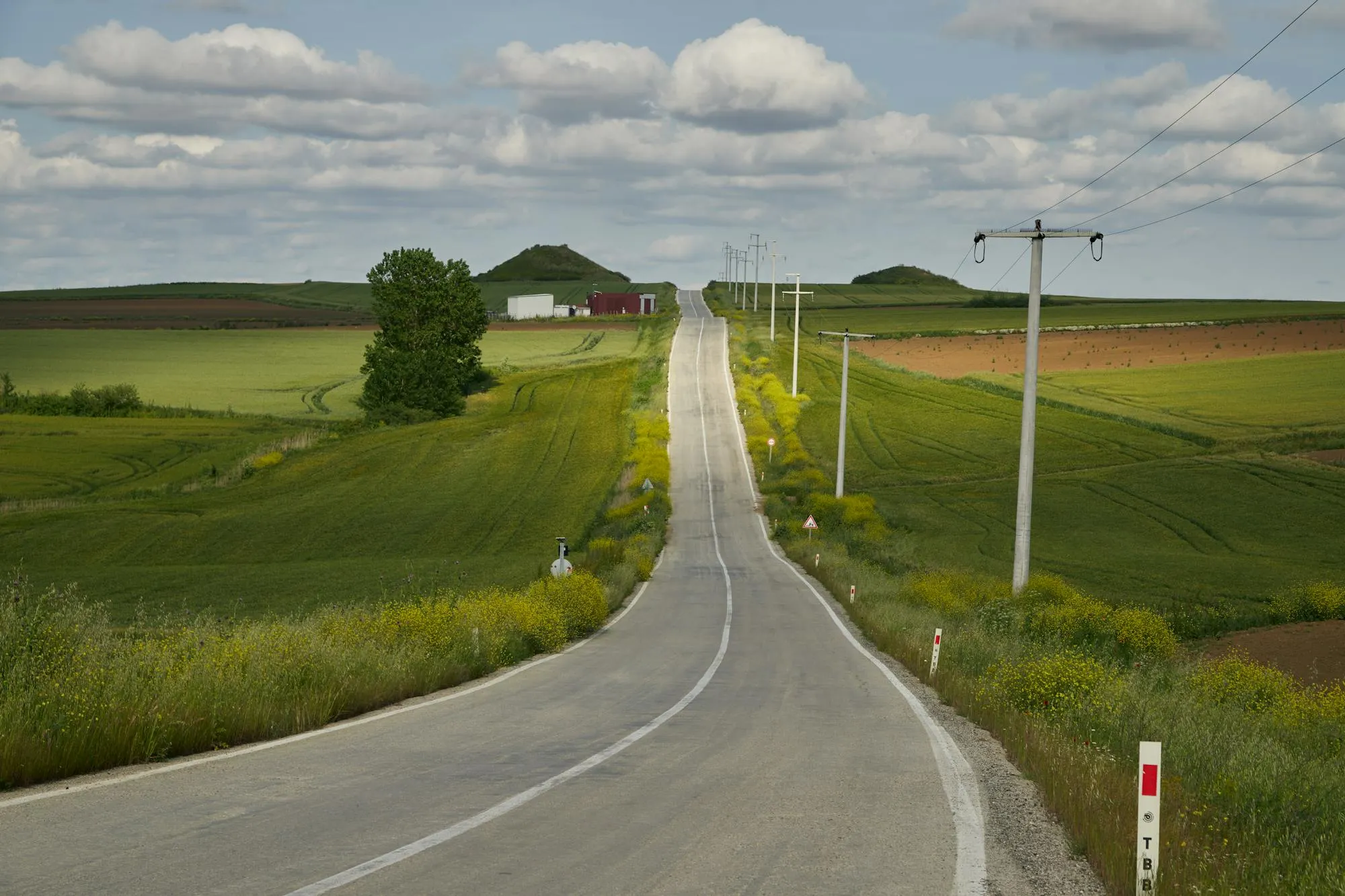
A long, straight paved road stretches toward the horizon through agricultural fields in Vermont. Power lines and a mailbox are visible along the roadside. Lush green vegetation, cumulus clouds, good daylight conditions. The landscape is flat to gently rolling. Asphalt pavement appears to be in good condition. Rural American setting.
Meric Tuna / Pexels

The Truth on the Street

For years riders have filled his inbox and his ear with what living with the Vulcan 2000 is actually like: messages sent straight to him, long owner chats, the paddock talk that adds up. The pattern is consistent. People trust this bike to run and lean on it for its engine, as long as they respect its size.

What Wins Riders Over

Two things come up again and again. The engine draws the loudest praise. Riders describe massive, effortless torque from the big V-twin, the low-end grunt that moves the heavy machine without drama and makes highway passing a relaxed roll of the throttle. Close behind is durability. Owners report the dependability they expect from Japanese engineering, many logging trouble-free miles well into the 40,000-mile range on basic maintenance.

Where The Weight Shows Up

The gripes cluster around the weight. The most common is how heavy it feels at walking pace: parking and U-turns take real effort and firm footing, more so on uneven ground. Riders also note the rear tire wears fast, often gone in under 8,000 miles. Some mention the footboards touch down early, so spirited cornering means backing off before the engine wants to. A few point to a clunky gearbox, with abrupt shifts and the occasional hunt for neutral.

Known issues

  • Drive pulley and output shaft spline stripping

    drivetrainoccasional

    On early models (2004–2005), the splines on the drive pulley and transmission output shaft can wear or strip, leading to failure. Kawasaki issued a fix from 2006 onwards.

  • Rear belt pulley bearing failure (single‑bearing hub)

    drivetrainoccasional

    2005 and earlier models used a single‑bearing rear belt pulley hub that is prone to premature failure, potentially locking the rear wheel. The assembly was redesigned to a twin‑bearing hub from 2006 onward; upgrading the early unit is highly recommended.

  • Clutch cable fraying/breakage

    drivetrainrare

    Clutch cables can fray and eventually break, sometimes around 22,000 miles. Not common, but owners often carry a spare cable as a precaution.

  • Regulator/rectifier connector corrosion

    electricsoccasional

    The lower regulator/rectifier’s electrical connector terminals corrode, causing charging system failure. The OEM wiring harness does not offer a serviceable pigtail; many owners replace the R/R with an improved aftermarket unit.

  • Excessive oil consumption

    enginecommon

    Many VN2000 engines consume up to half a quart of oil every 1,000 miles despite normal compression and clean spark plug readings. The cause is not widely agreed upon, but regular top‑ups are required.

  • Hydraulic lifter noise (HLA ticking)

    engineoccasional

    Some owners report a ticking noise from the hydraulic lifters. Often considered normal but can be annoying.

The Expert Benchmark

Where this Kawasaki VN 2000 pulls ahead of — or falls behind — its rivals on the numbers, and the typical bike in its class on character.

What kind of bike this is — character vs. the class

This bike Class average

The shape of the Kawasaki VN 2000 — numbers and character vs. the average Cruiser

Head-to-head: Kawasaki VN 2000 vs. its rivals

The 'Should I Buy It?' Score

Forget spec-sheet bragging. Here's who the VN 2000 is actually built for.

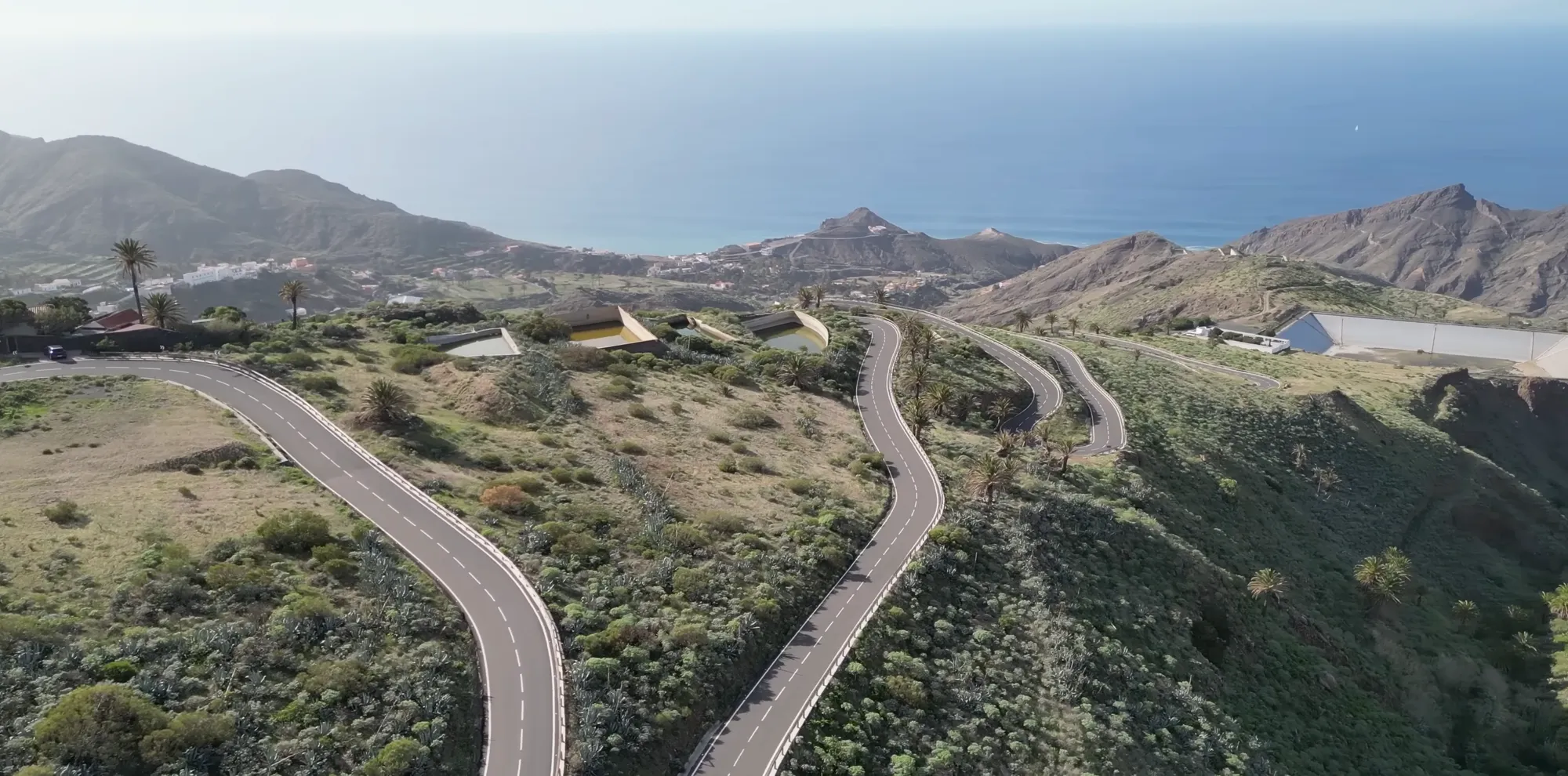
Aerial view of a winding asphalt road cutting through volcanic terrain on La Gomera, Canary Islands. The road curves through sparse green vegetation with rocky volcanic peaks visible in the background and a settled valley to the left. Clear lane markings, dry climate, partly cloudy sky.

Best cruiser for Sturgis?

This is your bike. The metal, the deep V-twin sound, and the crowd it draws in every lot speak straight to the rally-and-brand culture you ride for. Presence first, and it has plenty.

Made for A1A — Florida Atlantic Coast · Black Hills / Sturgis Rally Hub · Daytona Main Street / Bike Week

Best retro motorcycle for road trips?

The easy torque and relaxed sweepers fit calm, small-town cruising and historic routes. Ride it for style and rhythm, not for attacking the twisties, and it suits your road trips well.

Made for Acadia National Park · Austin / Handbuilt Motorcycle Show · Blue Ridge Parkway

Best touring motorcycle for long distance?

It holds highway pace and stays rock-steady loaded up, but it ships without luggage or a screen, and long two-up days stretch your arms. Great for straight big-mile runs once you add your own gear.

Made for Beartooth Highway · Blue Ridge Parkway · Going-to-the-Sun Road