·

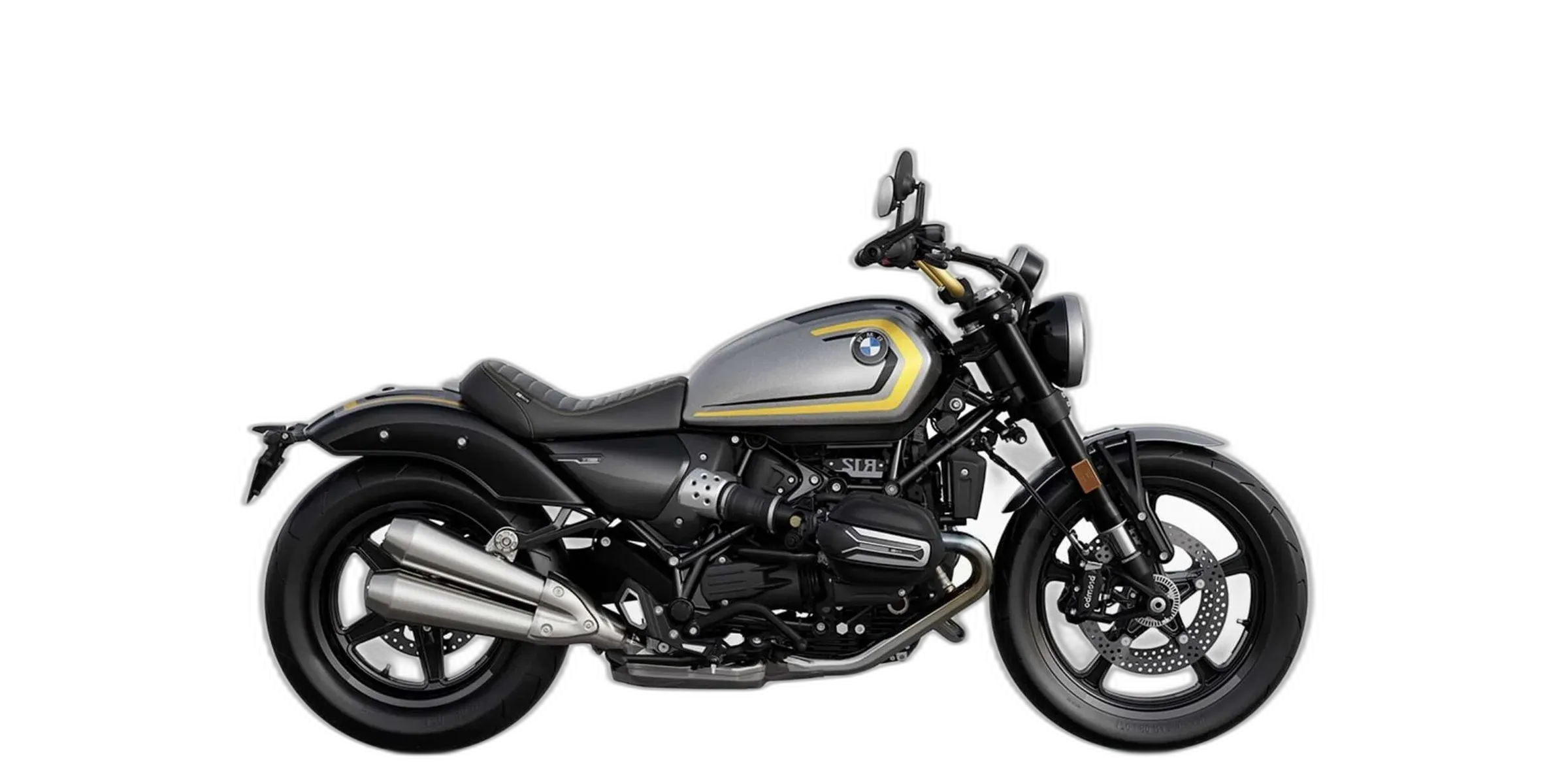
BMW R 12 (MY2024) — Cruiser
NastyNils / BMW Press

2024 · Cruiser · Buyer's Guide

R 12 (MY2024)

Calm Boxer With Mountain Manners

The Machine's Character

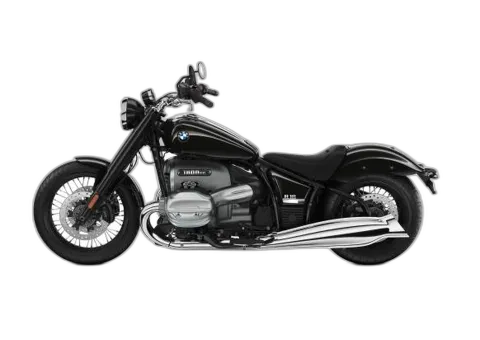
The R 12 puts BMW's air/oil-cooled boxer at the center of a long, low cruiser and lets the mechanicals carry the show. The 1170cc flat-twin makes 95 hp and 81 lb-ft, tuned to pull from just off idle rather than chase revs. Shaft drive and the Paralever rear keep the driveline clean and low-maintenance. Standard Cornering ABS, traction control, and ride modes sit quietly underneath, with Integral ABS Pro handling the stops. This is a heritage cruiser built around real feedback and honest metal instead of chrome for its own sake.

On the road it feels lighter than its 500 lb wet weight suggests, thanks to a low 29.7-inch seat and a genuinely balanced chassis. It rewards a relaxed pace, yet holds more composure in the corners than the styling lets on. Build quality is the standout here, and the boxer has the kind of engineering that ages gracefully over the years. The honest caveat is the ride quality: suspension runs firm and short on travel, so broken pavement comes straight through to your back. Buy it for character and craftsmanship, not for plush cushioning.

Hard Numbers

Spec sheets don't ride bikes, but they set the baseline.

Show full specs & equipment Hide specs & equipment
Key specifications
Power 95 hp (70 kW) @ 6,500 rpm
Torque 81 lb-ft (110 Nm) @ 6,000 rpm
Displacement 1170 cc
Engine Flat-twin (boxer)
Cooling Air/oil-cooled
Gearbox 6-speed
Final drive Shaft
Fork Telescopic
Front brake 310 mm
Front tire 100/90-19
Rear tire 150/80-16
Wheelbase 59.8 in (1519 mm)
Seat height 29.7 in (754 mm)
Wet weight 500 lb (227 kg)
Fuel capacity 3.7 gal (14 L)

Equipment check

Chassis

  • Rear Suspension Adjustable Standard

Safety

  • ABS Standard
  • Traction Control Standard
  • Ride Modes Standard

Signature Tech

The named systems that set this bike apart — and what each one does for you.

Braking

  • BMW Integral ABS ProStandard
    • Cornering brake safety
    • Stronger consistent braking

Drivetrain

  • BMW Gear Shift Assistant ProOptional
    • Clutchless riding
    • Seamless power shifts
    • Full throttle upshift
    • Auto blip downshift
  • BMW ParaleverStandard
    • Acceleration stability
    • Brake dive control
    • High speed stability
    • Reduced unsprung rotating mass

Lighting

  • BMW Headlight Pro (Adaptive Cornering LED)Optional
    • Cornering light visibility

The Voice of Experience

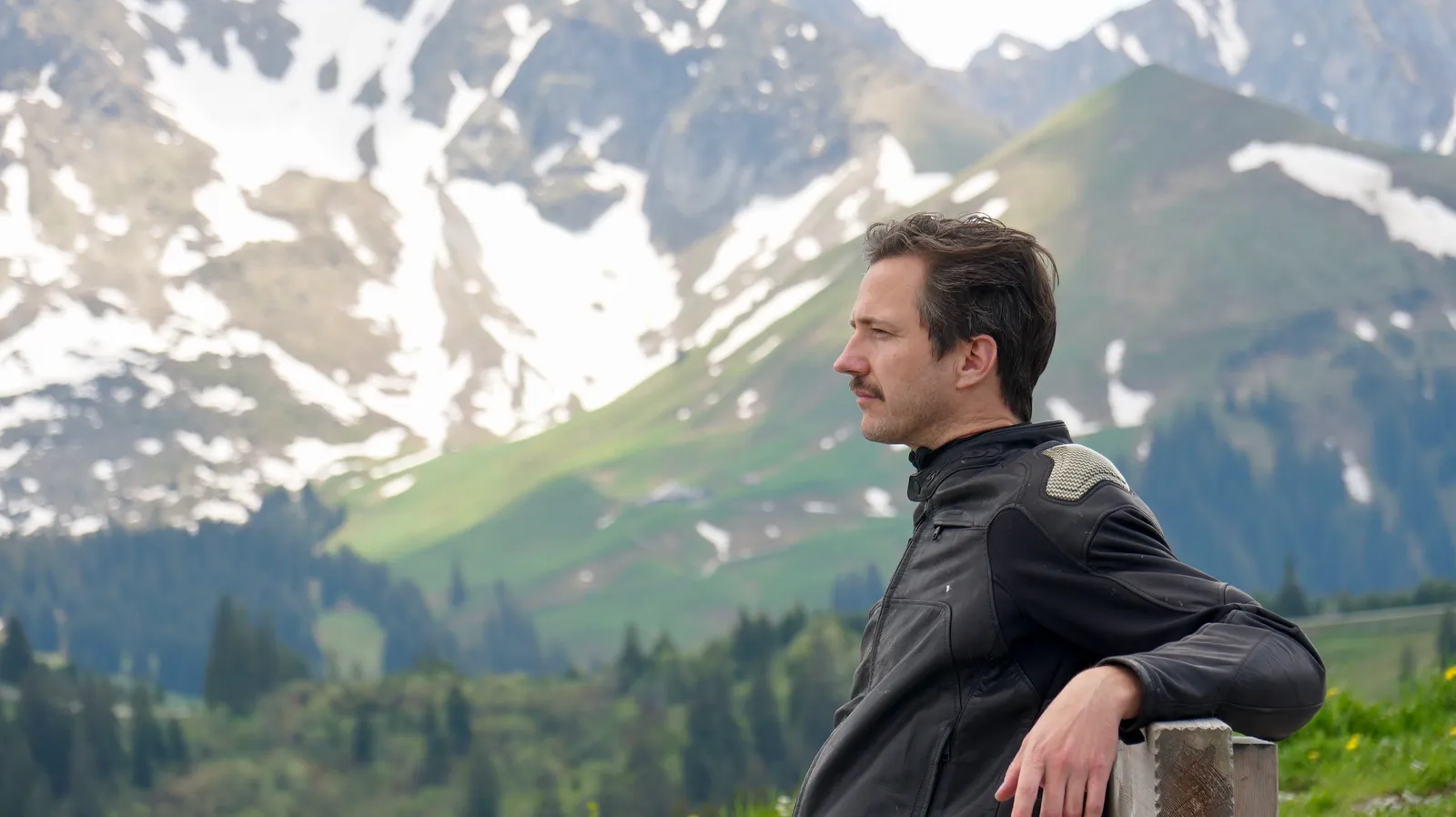
Portrait of NastyNils

The test ride

Swing a leg over and the first thing you notice is how planted it feels at a standstill. The low saddle drops both feet flat and settles your nerves before you've even pulled away. The wide bar puts you in an upright, open posture that stayed comfortable through long hours and four countries in a single week, including cold, wet mountain stages where the standard heated grips quietly earned their keep. There's a warm mechanical pulse from the boxer that you feel through the pegs and bars, present enough to remind you what's underneath without buzzing your hands numb. The one thing that takes adjustment is the display: minimalist and small by BMW standards, sparse at first, though it tells you exactly what you need once your eyes learn where to look.

Rated point by point — where it earns its keep

My own 0–100 score for this bike against the class, area by area — the marker on each bar is the class average.

The surface on this trip was rarely kind, and the brakes met all of it. On deteriorated, wet pavement the bite stayed strong and precise every single time I reached for the lever. Cornering ABS did its job in the background without ever overriding what I was asking the bike to do. When one greasy stretch forced a real emergency stop, it hauled down cleanly and calmly, which is exactly the reassurance you want most when the road underneath you can't be trusted.

This is the heart of the bike for me. The flat-twin makes its torque low and hands it over without menace, so I could settle into one gear and roll the throttle to cover ground with zero fuss. It pushes hard from just off idle, yet never once dares you to misbehave with it. The fueling deserves its own credit too. In rain, fog, and cold mountain air it stayed butter-smooth, with no surging or catching at crawling speeds through a village. You stop thinking about it, and that is the compliment.

Provoke it and the R12 answers honestly. With traction control switched off on slick pavement, the rear broke loose and then held, controllable the whole way through, the chassis staying balanced and never threatening to trade ends. That kind of composure tells you the geometry underneath is sound. The one real limit is physical rather than nervous. Ride a corner with genuine commitment and the footpegs start touching down, a hard ceiling that anyone attacking bends with intent will meet quickly.

The low saddle is what sells shorter riders on it instantly, putting both soles flat on the ground and settling the nerves before the first mile is done. That planted feeling pays back across a full day in the saddle. The tradeoff shows up on rough surfaces, where the firm, short-travel setup sends every serious pothole straight up into your back until it wears on you. The compact readout also takes adjustment, unusually sparse for the badge, though it eventually gives you exactly what you need and nothing more.

Here is the part I genuinely did not see coming. Everything about this machine is styled for relaxed cruising, so I fully expected it to feel out of its depth the moment the road climbed into a pass. Instead it held its line with real composure, settled enough that the second I cleared one bend I was already scouting the next. Finding that much honest fun in the hills on a bike dressed for easy boulevard duty reframed what the R12 is actually good for.

A week and four countries put it through smooth highways, torn-up mountain roads, and cold, wet air, and it never turned the ride into work. The wide bar held its comfort through long hours in the saddle and the motor never ground me down, which is the real test of anything you plan to live with day to day. The standard heated grips are the quiet hero of the trip. Once the temperature crashed in the mountains they stopped being a spec line and kept the whole stage bearable.

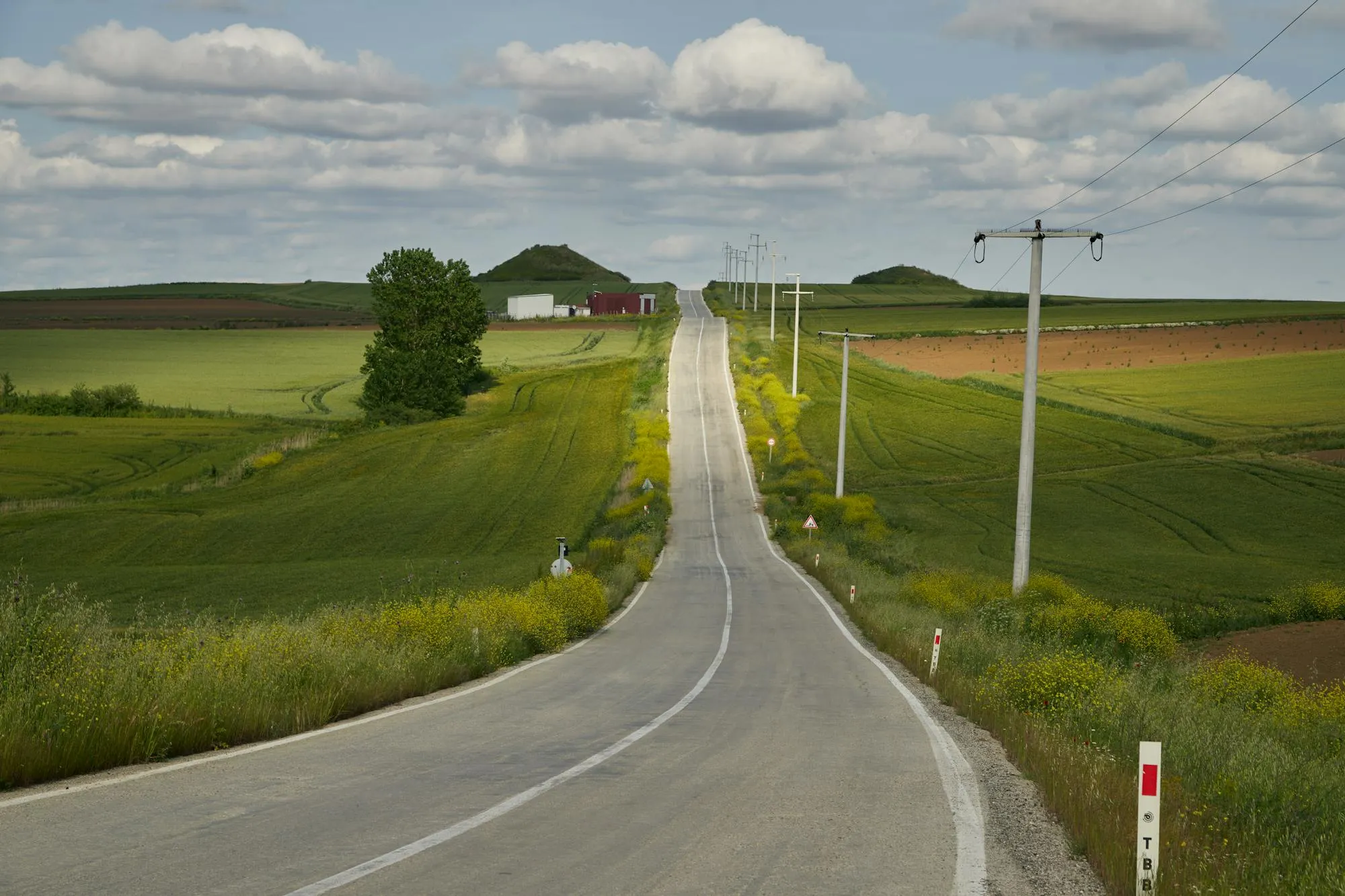
A long, straight paved road stretches toward the horizon through agricultural fields in Vermont. Power lines and a mailbox are visible along the roadside. Lush green vegetation, cumulus clouds, good daylight conditions. The landscape is flat to gently rolling. Asphalt pavement appears to be in good condition. Rural American setting.
Meric Tuna / Pexels

The Truth on the Street

None of this comes off a spec sheet. It's the sum of years spent listening to riders, from questions traded in parking lots to long message threads and the notes owners send once they've lived with a bike through a season. On the R 12 that feedback settles into a clear pattern: deep affection for the engine and the looks, with a short, stubborn list of complaints that keeps surfacing once the road roughens or the pace climbs.

What Wins Riders Over

The engine draws the loudest and most consistent praise. Riders describe the air/oil-cooled twin as a machine with genuine personality, from the rocking shudder it makes sitting at idle to the muscular pull it hands over through the midrange. Close behind is the styling. The clean, minimalist lines and low stance read as classic BMW with a modern bobber slant, and owners report the bike collects steady compliments wherever it sits. Plenty are also surprised by how willingly it changes direction for something shaped like a cruiser, with light steering that suits city streets and tight roads. Newer and shorter riders keep pointing to the low saddle that lets them settle both feet at a stop, and several single out the Brembo brakes for strong, trustworthy stopping with cornering ABS behind them.

Where The Gripes Cluster

The complaints group just as tightly. The one raised most often is the rear suspension. Owners find the twin shocks short on compliance, passing sharp hits straight through even after they work the preload and rebound. Cornering clearance draws similar frustration, since the pegs start touching down early once riders lean on it with intent. Those who add the optional quickshifter say it behaves fine low in the range but turns abrupt and unsettled on upshifts as the revs rise. A couple of lighter notes round it out. Some feel the boxer buzz through the bars and pegs higher up, enough to nudge them into short-shifting, and more than a few miss having a proper fuel gauge, left instead with a reserve countdown once the low-fuel light comes on.

Known issues

  • Stiff rear shock

    suspensioncommon

    The stock rear suspension lacks compliance, resulting in a harsh, jarring ride over bumps. Preload and rebound adjustment help, but the damping remains firm. Many owners report upgrading to aftermarket shocks for improved comfort.

  • Quickshifter harshness at high rpm

    drivetrainoccasional

    The optional Gear Shift Assist Pro often produces aggressive, lurching upshifts above 5,500 rpm, and can feel clumsy at very low rpm. Downshifts are generally smoother but still sensitive to revs.

  • Cornering clearance limited by peg feelers

    chassiscommon

    Peg feelers contact the ground early in spirited cornering, limiting the lean angle. Riders who prefer a sportier pace may find this intrusive, though it is a common cruiser trade-off.

  • Gearbox notchy feel

    drivetrainoccasional

    Several owners report a stiff, notchy gearbox, especially finding neutral and engaging first gear, which can be frustrating in traffic. Some improvement may occur after break-in, but it remains a noted characteristic.

  • Throttle trailing fuel delivery

    fuel systemoccasional

    When closing the throttle abruptly, the fuel injection system sometimes delays fuel cut-off for a split second, creating a subtle surge or hesitation, particularly noticeable during sporty corner entries. This is likely an ECU mapping characteristic.

The Expert Benchmark

Where this BMW R 12 pulls ahead of — or falls behind — its rivals on the numbers, and the typical bike in its class on character.

What kind of bike this is — character vs. the class

This bike Class average

The shape of the BMW R 12 — numbers and character vs. the average Cruiser

Head-to-head: BMW R 12 vs. its rivals

The 'Should I Buy It?' Score

Forget spec-sheet bragging. Here's who the R 12 is actually built for.

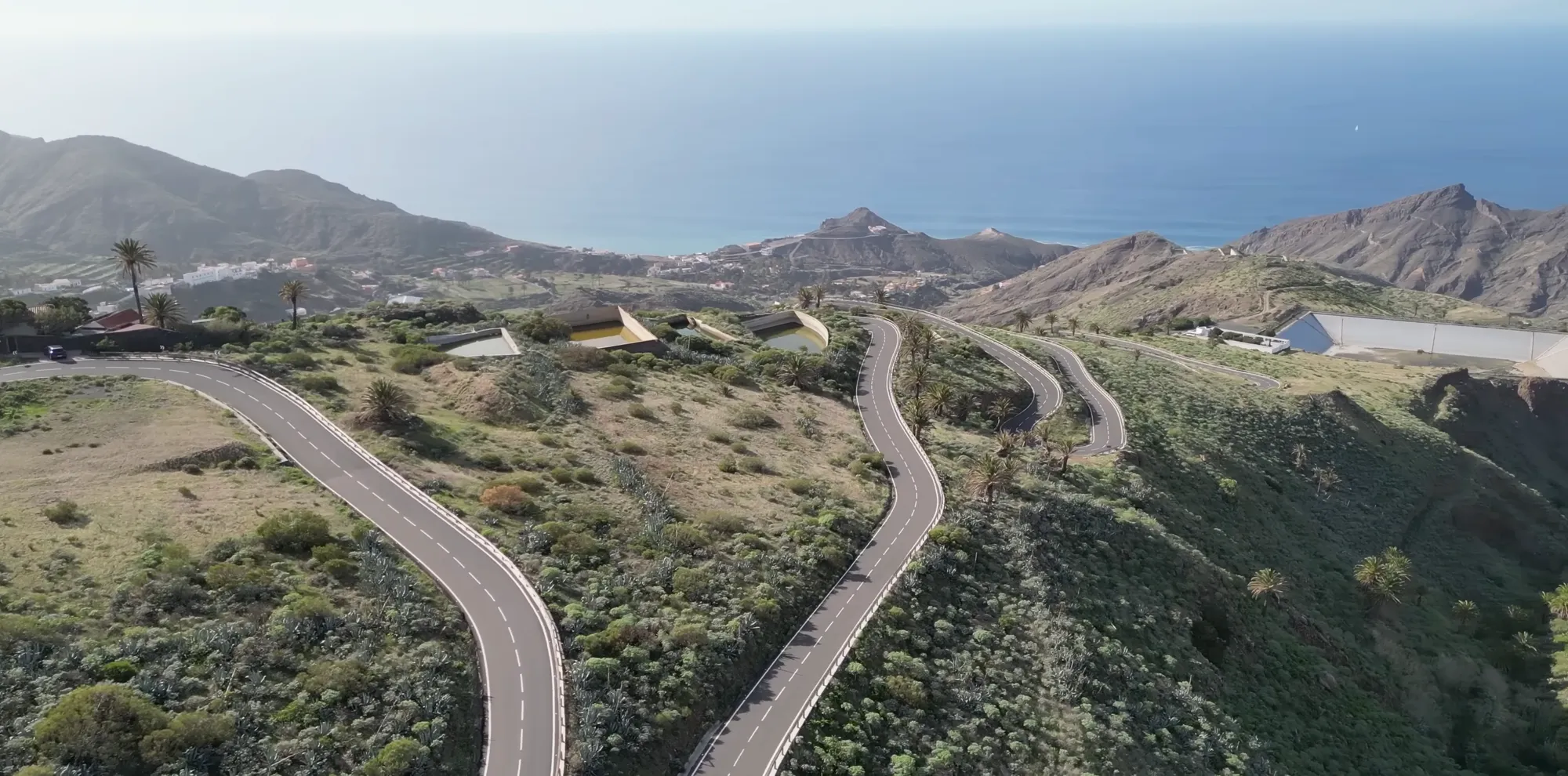
Aerial view of a winding asphalt road cutting through volcanic terrain on La Gomera, Canary Islands. The road curves through sparse green vegetation with rocky volcanic peaks visible in the background and a settled valley to the left. Clear lane markings, dry climate, partly cloudy sky.

Best cruiser for Sturgis?

If your riding is about ritual, sound, and rolling into a rally with real presence, the R 12 delivers the metal and mechanical charisma you want, with modern brakes and electronics backing it up.

Made for A1A — Florida Atlantic Coast · Black Hills / Sturgis Rally Hub · Daytona Main Street / Bike Week
Best retro motorcycle for road trips?

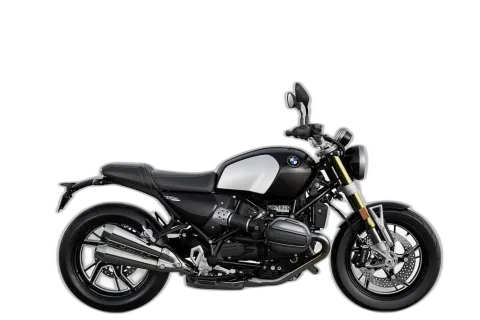
Built for classic style, quiet routes, and an unhurried pace, this bike fits your road trips well. It looks the part and stays composed when the road turns twisty, as long as the pavement stays reasonable.

Made for Acadia National Park · Austin / Handbuilt Motorcycle Show · Blue Ridge Parkway

Best touring motorcycle for long distance?

It'll cover long days and proved itself over four countries in a week, but be honest about the firm ride and modest 3.7-gallon range before you load it two-up for the biggest cross-country hauls.

Made for Beartooth Highway · Blue Ridge Parkway · Going-to-the-Sun Road

Alternatives to the BMW R 12

If this one isn't quite the fit, these are the bikes worth riding back-to-back against it.

Any price note compares both bikes at the same age — the youngest age both have on the used market — against this BMW R 12. “cheaper/pricier” is what that bike costs second-hand, not how worn it is.