·

Kawasaki Versys-X 300 (MY2017) — Adventure
Kawasaki Press

2017–2021 · Adventure · Buyer's Guide

Versys-X 300 (MY2017)

4 / 5 NastyNils Rating · against its class

The Frugal Small-Bore Explorer

The Machine's Character

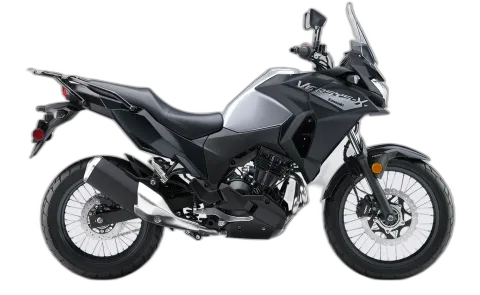
The Versys-X 300 is Kawasaki's small-displacement adventure bike, and its engine is what sets it apart: a 296 cc liquid-cooled parallel twin shared with the Ninja 300, in a class mostly filled with singles. It makes 39 hp at 11,500 rpm and 19 lb-ft at 10,000 rpm. Those figures tell you plainly that this engine is built to rev. Around it sit a steel-tube frame, a 19-inch front and 17-inch rear wheel, a six-speed gearbox with a slipper clutch, and chain final drive. Wet, it weighs 386 lb (175 kg). Small, simple, honest. That's Kawasaki.

On paper, this hardware is built for long, unhurried days, not outright pace. A 4.5 gal (17 L) tank feeding a 296 cc twin points to generous range between stops, and the 32.1 in (815 mm) seat and upright position keep it approachable. The suspension has 5.1 in (130 mm) of travel up front and 5.8 in (148 mm) at the rear, with a preload-adjustable shock and 7.1 in (180 mm) of ground clearance. That reads as gravel roads and light trails, not hard off-road. It's aimed at you if you're newer to riding, or if you've been at it for years and want low running costs and a bike that's easy to live with. Cheap miles, anywhere!

Hard Numbers

Spec sheets don't ride bikes, but they set the baseline.

Show full specs & equipment Hide specs & equipment
Key specifications
Power 39 hp (29 kW) @ 11,500 rpm
Torque 19 lb-ft (26 Nm) @ 10,000 rpm
Displacement 296 cc300cc Motorcycles →
Engine Parallel twin
Cooling Liquid-cooled
Gearbox 6-speed
Final drive Chain
Front tire 100/90-19
Rear tire 130/80-17
Ground clearance 7.1 in (180 mm)
Front travel 5.1 in (130 mm)
Rear travel 5.8 in (148 mm)
Seat height 32.1 in (815 mm)
Wet weight 386 lb (175 kg)Adventure Bikes Under 500 Pounds Wet →
Fuel capacity 4.5 gal (17 L)

Equipment check

Chassis

  • Manually Adjustable Rear Suspension Standard

Drivetrain

  • Slipper Clutch Standard

Safety

  • ABS Optional
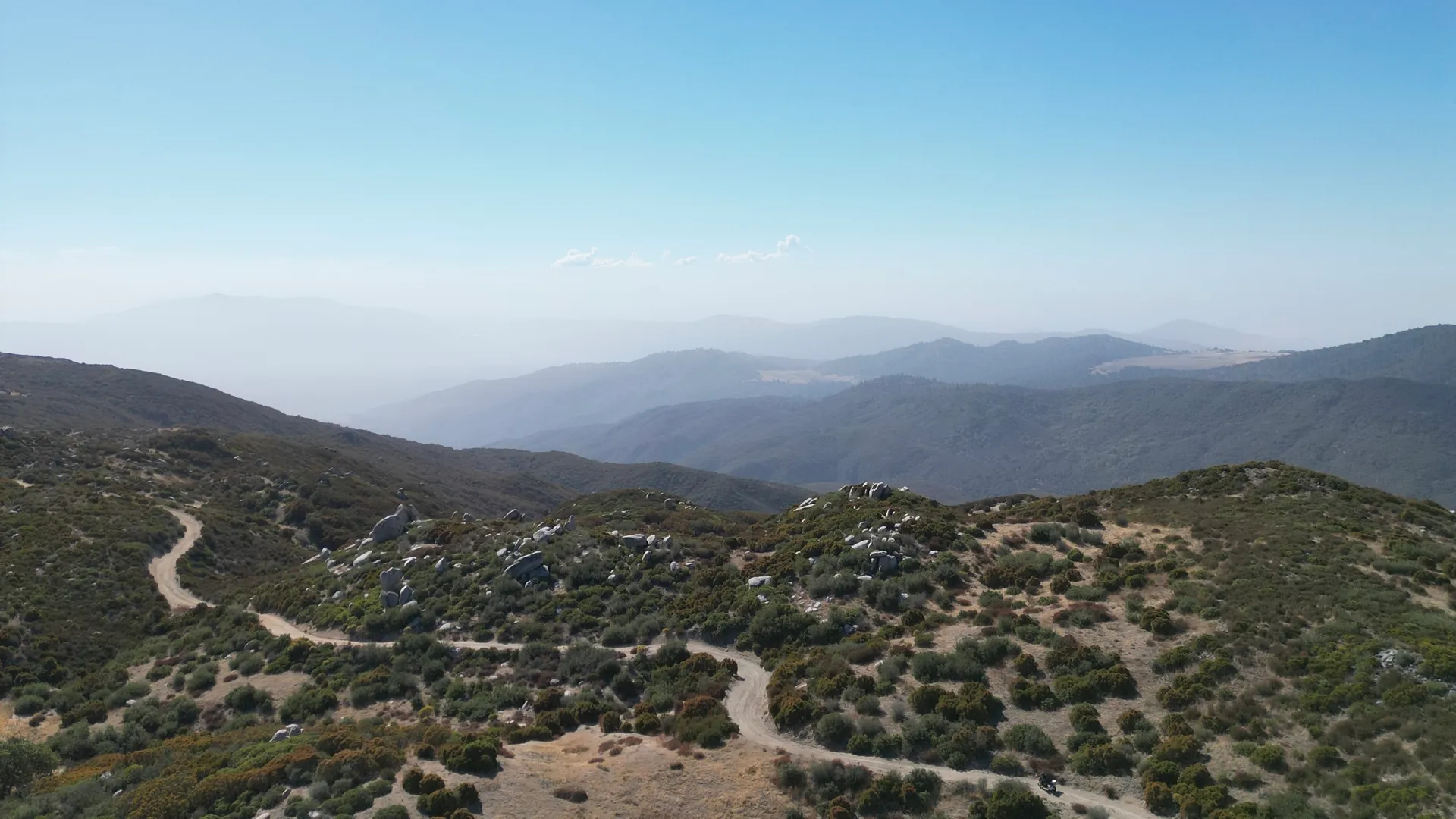
Aerial drone view of Palomar Divide Road winding through chaparral-covered mountain ridges in San Diego County. Multiple S-curve sections descend through sparse vegetation with distant valley views visible in the haze. Gravel and packed-earth surface.

The Truth on the Street

This isn't my riding impression. It's what has come back to me over years of listening: paddock conversations, club nights, and the messages owners send me directly. The chatter here is unusually consistent. Riders rate it where it's light and willing, and the grumbles land in the same few places every time.

Light Feet And A Willing Twin

The engine comes up first. Riders describe a twin that wants revs and stays smooth about it, with more pull than any 250 single and less strain on a highway run than they expected. The second constant is the lack of weight. Owners maneuver it easily at low speed, find standing up on gravel comes naturally, and rate it as an easy learn on mild trails.

The Gripes That Keep Coming Back

The bottom of the rev range draws the steadiest criticism. Below 6,000 rpm owners call it flat, and the short stock gearing keeps them working the box in town. Swapping a sprocket to calm things down comes up often enough to count as routine. The seat is the other recurring gripe, painful past the first hour, and the taller accessory seat doesn't cure it. A smaller group riding off pavement notes that on bikes fitted with ABS, there's no way to switch it off.

Known issues

  • Tail/Brake Light Socket Defect (Recall)

    electrics rare Recall

    The tail/brake light socket can fail, causing the light to stop working. A safety recall (NHTSA 17V465000) affected 1,888 units in the US; dealers replaced the socket free of charge.

  • Drive chain premature wear and link binding

    drivetrain common

    The original drive chain stretches or develops kinked and sticking links prematurely, creating loud clunking noises.

The Expert Benchmark

Where this Kawasaki Versys-X 300 pulls ahead of — or falls behind — its rivals on the numbers, and the typical bike in its class on character.

What kind of bike this is — character vs. the class

This bike Class average

The shape of the Kawasaki Versys-X 300 — numbers and character vs. the average Adventure

Head-to-head: Kawasaki Versys-X 300 vs. its rivals

The Long-Haul Verdict

Forget spec-sheet bragging. Here's who the Versys-X 300 is actually built for.

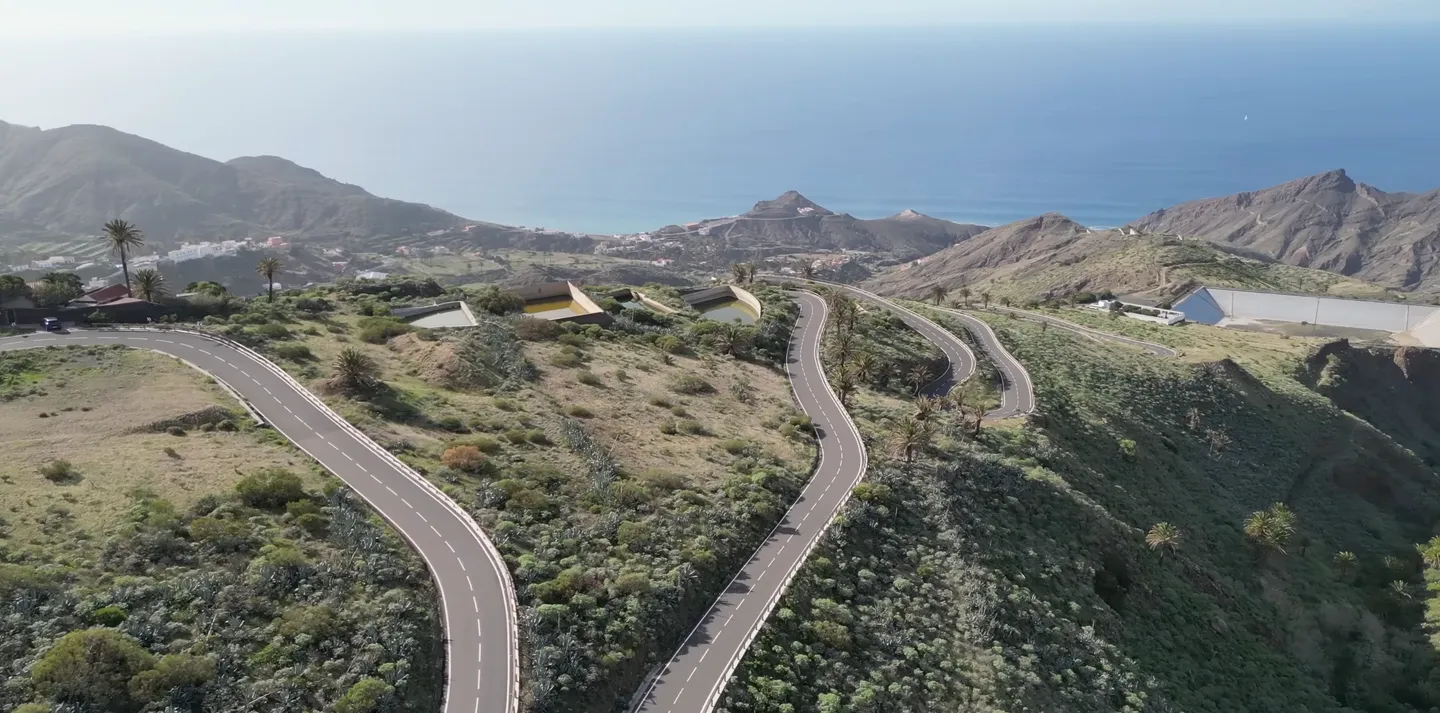
Aerial view of a winding asphalt road cutting through volcanic terrain on La Gomera, Canary Islands. The road curves through sparse green vegetation with rocky volcanic peaks visible in the background and a settled valley to the left. Clear lane markings, dry climate, partly cloudy sky.

Best touring motorcycle for long distance?

For solo national park loops on a budget, the range, low running costs and easy handling line up well. Two-up with full luggage on 39 hp is a lot to ask of a 296 cc twin.

Made for Beartooth Highway · Blue Ridge Parkway · Going-to-the-Sun Road
Best motorcycle for Highway 1?

If your days mix curves and scenery, the rev-happy twin and accessible handling make a good, frugal partner. Plan your 200 to 400 mi days at a relaxed pace, not a fast one.

Made for Black Hills · Blue Ridge Parkway · Cherohala Skyway

Best motorcycle for weekend escapes?

It's light, easy and cheap to run, so city weeks and short gravel escapes are a fair fit. If style is a big part of why you ride, know that this is a practical machine first.

Made for Texas Hill Country · Santa Monica Mountains · Historic Columbia River Highway

Find it in these lists

Compare it with every bike that shares the same spec or equipment.