By NastyNils·
Motorcycle comparison · Supersport
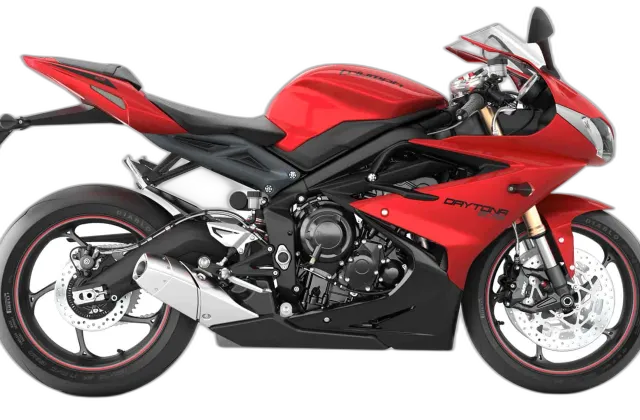
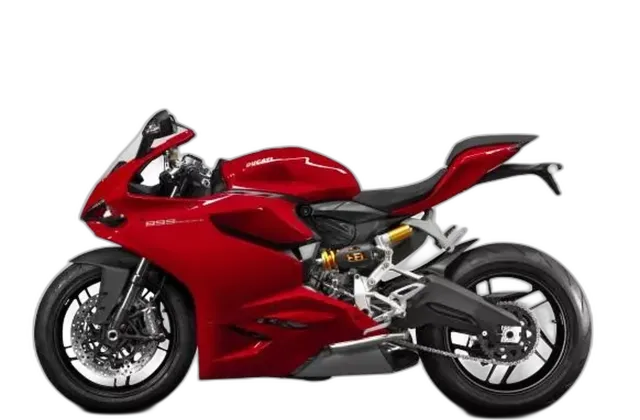
Triumph Daytona 675 (MY2013) vs Ducati 899 Panigale (MY2013)
Triumph Daytona 675 vs Ducati 899 Panigale: one garage spot. Here's what should decide it.
Tip the Triumph Daytona 675 into a fast bend and it's already on its line, steering as quickly as your eyes find the apex. On the Ducati 899 Panigale, the nose bites at turn-in and keeps talking while you're still on the brakes. It stays pinned with the brakes trailed deep.
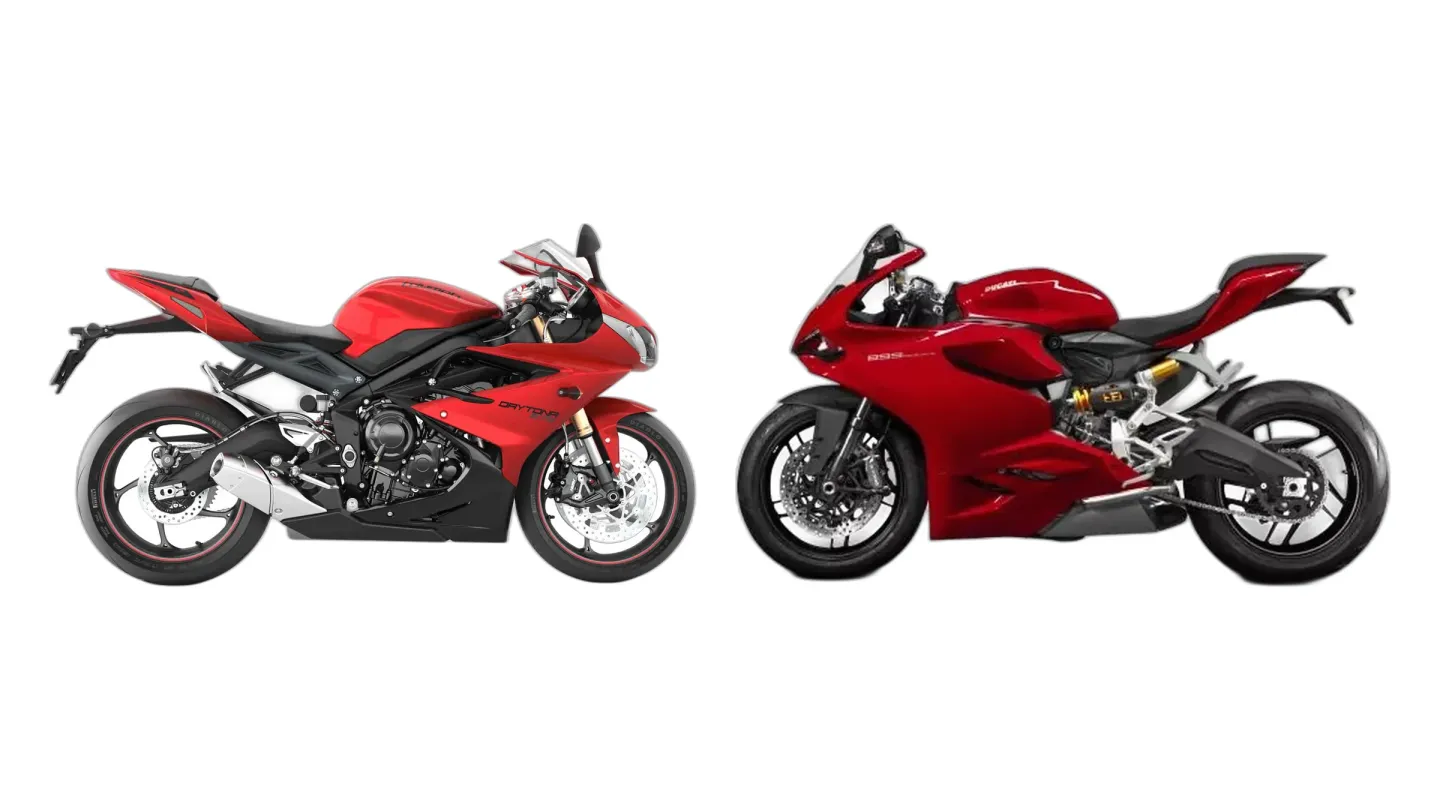
So which one do you buy?
Which one's the smarter buy
Depends what you want it for
Neither bike is the clear better buy at these used prices. The Daytona 675 costs less, but that doesn't make it the smarter spend.
What makes each one tick
Daytona 675
The Daytona 675's triple pulls through the middle and doesn't let up until it's howling at the top. The light frame answers every input. A bump under hard braking doesn't cloud what the fork sends back through the bar. The fork's still reporting at full lean.
899 Panigale
The 899 Panigale's Superquadro twin shoves hard from the midrange, and a brisk road pace doesn't feel hurried on it. Held wide open, the throttle lets the engine surge through the upper revs, where it's happiest.
The Voice of Experience

What actually separates them
- The Daytona 675 has the lower wet weight: 406 lb (184 kg) vs 425 lb (193 kg).
- The 899 Panigale makes more peak power: 148 hp (109 kW) vs 126 hp (94 kW).
- The 899 Panigale makes more peak torque: 73 lb-ft (99 Nm) vs 55 lb-ft (74 Nm).
Which one for the way you ride
Comfortable long-distance riding
Not built for this
Neither of these is a mile-muncher. If big days are the plan, keep looking.
For track days, commuting, twisty roads, and running costs, you won't find daylight between them. Let the test ride settle it.
Who each one is built for
What's good, and what you'll live with
Daytona 675
What owners say
Strengths
- Superb handling and agility
- Thrilling triple‑cylinder engine
- Confidence‑inspiring front‑end feedback
- Excellent value in the middleweight class
899 Panigale
What owners say
Strengths
- Exceptional handling and front-end feel
- Accessible yet thrilling engine
- Superb electronics package
- Powerful and consistent braking
- Stunning Panigale design
Known problems to check before you buy
Daytona 675
- Transmission pivot plate wear The factory pivot plate can wear, leading to imprecise gear shifts or difficulty shifting.
- EXUP valve cable stretching The exhaust valve cables stretch over time, causing a check engine light and potentially altering exhaust back‑pressure. Resolved by dealer adjustment, replacing the cables, or installing a servo buddy.
- Counter shaft oil seal leak Oil weeps from the counter shaft seal on the left side of the engine.
899 Panigale
- Front Brake Air Ingress Air enters the front hydraulic braking circuit over time. This leads to a spongy feel at the brake lever requiring frequent bleeding.
What they cost used
These prices compare a 12-year-old Daytona 675 with a 12-year-old 899 Panigale.
- Daytona 675
- about $8,400
- 899 Panigale
- about $10,400
At 12 years old, the Triumph Daytona 675 sits around $8,400 while the Ducati 899 Panigale runs about $10,400. That's a $2,000 gap in the Daytona's favor. These are US market estimates, not live listings.
What they share
- Cooling
- Liquid-cooled
- Gearbox
- 6-speed
- Final drive
- Chain
- Fork
- Upside-down (USD)
- Front tire
- 120/70-17
Where the spec sheets split
| Daytona 675 | 899 Panigale | |
|---|---|---|
| Seat height | 32.3 in (820 mm) | 32.7 in (830 mm) |
| Wet weight | 406 lb (184 kg) | 425 lb (193 kg) |
| Daytona 675 | 899 Panigale | |
|---|---|---|
| Displacement | 675 cc | 898 cc |
| Engine | Inline-three | L-twin |
| Power | 126 hp (94 kW) | 148 hp (109 kW) |
| Peak power at | 12,600 rpm | 10,750 rpm |
| Torque | 55 lb-ft (74 Nm) | 73 lb-ft (99 Nm) |
| Peak torque at | 11,900 rpm | 9,000 rpm |
| Daytona 675 | 899 Panigale | |
|---|---|---|
| Fuel capacity | 4.6 US gal (17.4 L) | 4.5 US gal (17 L) |
| Daytona 675 | 899 Panigale | |
|---|---|---|
| Front brake | 310 mm | 320 mm |
| Rear tire | 180/55-17 | 180/60-17 |
What comes fitted, what costs extra
| Daytona 675 | 899 Panigale | |
|---|---|---|
| ABS | Option | Standard |
| Traction Control | Not offered | Standard |
| Ride Modes | Not offered | Standard |
| Steering Damper | Not offered | Standard |
| Quickshifter | Option | Standard |
| Slipper Clutch | Standard | Not offered |
Head to head, area by area
Both bikes on the same scale, one area at a time.