
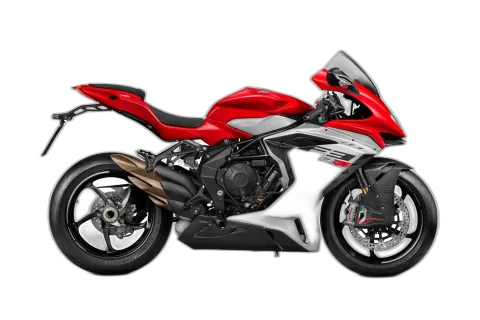
MV Agusta F3 800 (MY2013) — Supersport
NastyNils / MV Agusta Press

2013–2024 · Supersport · Buyer's Guide

F3 800 (MY2013)

Italian Triple, Razor-Sharp Lines

The Machine's Character

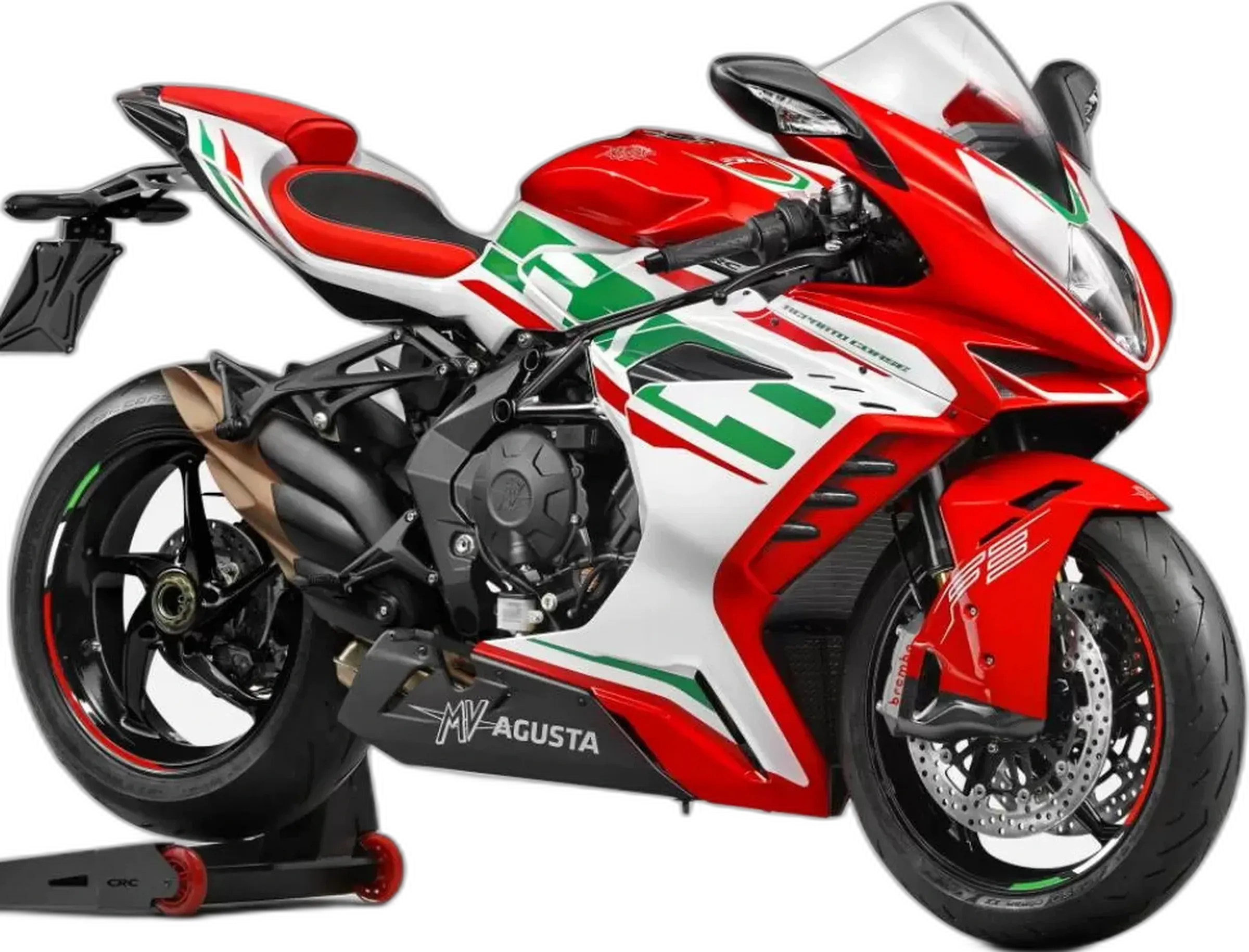
The F3 800 is a compact Italian triple that punches like something bigger. 798 cc, 148 hp at 13,000 rpm and 65 lb-ft, all wrapped in a 421 lb package that feels closer to a middleweight than a full-size sportbike. The counter-rotating crankshaft keeps the front planted and the power accessible, so the numbers arrive without a fight. ABS, traction control and ride modes come standard. It sits in the supersport class as the beautiful one that also happens to work: race-bred sound, genuine precision, and a chassis that lets you use the performance instead of surviving it.

This is a bike for the rider who wants emotion and precision in the same object, the canyon or trackday enthusiast who cares how a corner feels as much as how fast it goes. It rewards commitment and stays honest lap after lap. The caveats are real and worth knowing before you buy. The engine runs mechanically rough, the seat is hard, and legroom is tight for taller riders. There is also a reliability shadow: valve springs have failed on low-mileage examples, the rear master cylinder can quit, and a factory recall addressed a sprag clutch that could leave you unable to start. Buy it with eyes open.

Hard Numbers

Spec sheets don't ride bikes, but they set the baseline.

Show full specs & equipment Hide specs & equipment
Key specifications
Power 148 hp (109 kW) @ 13,000 rpm
Torque 65 lb-ft (88 Nm) @ 10,600 rpm
Displacement 798 cc
Engine Inline-three
Cooling Liquid-cooled
Gearbox 6-speed
Final drive Chain
Fork Upside-down (USD)
Front brake 320 mm
Front tire 120/70-17
Rear tire 180/55-17
Seat height 31.7 in (805 mm)
Wet weight 421 lb (191 kg)
Fuel capacity 4.4 gal (16.5 L)
Top speed 167 mph (269 km/h)
Fuel economy 37 mpg (US)

Equipment check

Chassis

  • Front Suspension Adjustable Standard
  • Rear Suspension Adjustable Standard

Drivetrain

  • Slipper Clutch Standard

Safety

  • ABS Standard
  • Traction Control Standard
  • Ride Modes Standard

The Voice of Experience

Portrait of NastyNils

The test ride

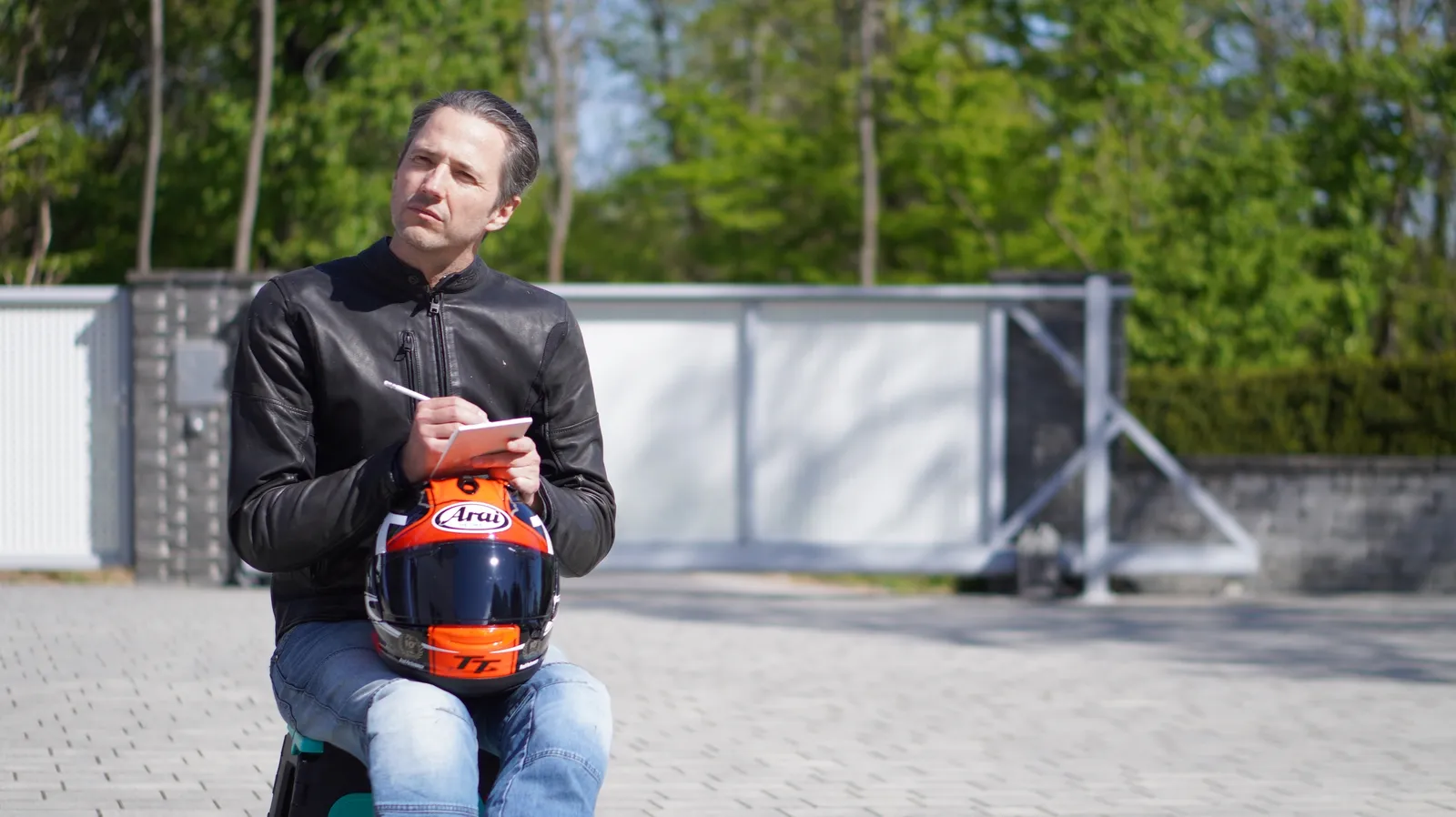
Fire it up and the triple announces itself before you have moved an inch. The sound is the loudest thing about the whole experience, and it never stops selling the drama. Settle into the cockpit and two things arrive together: the seat is hard from the first mile, and the engine's mechanical roughness passes straight through it into your hands and your backside. There is no filtering. Fold your legs in and the room is borderline, workable only if you are not built long. What surprises you is how little the bike actually asks of you once you are moving. It stays composed and readable at a real road pace, the front reporting clearly through the bars, and after a long stint the brakes still felt exactly as they did on the very first stop.

Rated point by point — where it earns its keep

My own 0–100 score for this bike against the class, area by area — the marker on each bar is the class average.

Coming off a full day on literbikes I expected the MV to punish any sloppiness, and it simply didn't. The looks are theatrical and the sound is aggressive, but underneath the show the bike is composed and easy to read. It hands me confidence rather than making me earn it first. For a machine that photographs like a diva, it's remarkably undramatic to actually ride.

This is where the F3 earns its keep for me. It looks like it will demand something and then asks for almost nothing: I set it on an arc and it holds the line with an ease that feels close to unfair, repeatable lap after lap. Better still, it rotates into its drive earlier than the bigger machines around me, so I'm already accelerating while they're still finishing the corner. Trail-braking hard into an apex, the slipper clutch and chassis keep it planted and ready to turn the instant I ask, no pushback, no drama.

The brakes were the one component I never had to manage. Session after session, other bikes started going long at the lever and losing their pressure point as the laps piled up, the power quietly bleeding off. This one didn't surrender a thing. The bite stayed exactly where I set it from my first hard stop to my last, no fade, no wandering feel, nothing to compensate for.

What I keep coming back to is how honestly this triple delivers. There are no flat spots, no surge, nothing to ride around; once I commit to the throttle it just keeps pulling clean all the way to the top. The catch is the mechanical character. It runs harsh, almost rattly underneath you, and not in the good, raw way. That roughness raised questions I never fully answered by the end of the day.

Two things work against it, and you register both early. The seat is genuinely hard, so there's no cushion at all between you and the road once a long stint stacks up. The cockpit is tight too. Fold your legs in and the space is borderline, barely enough for me, and anyone built long is going to run out of room fast.

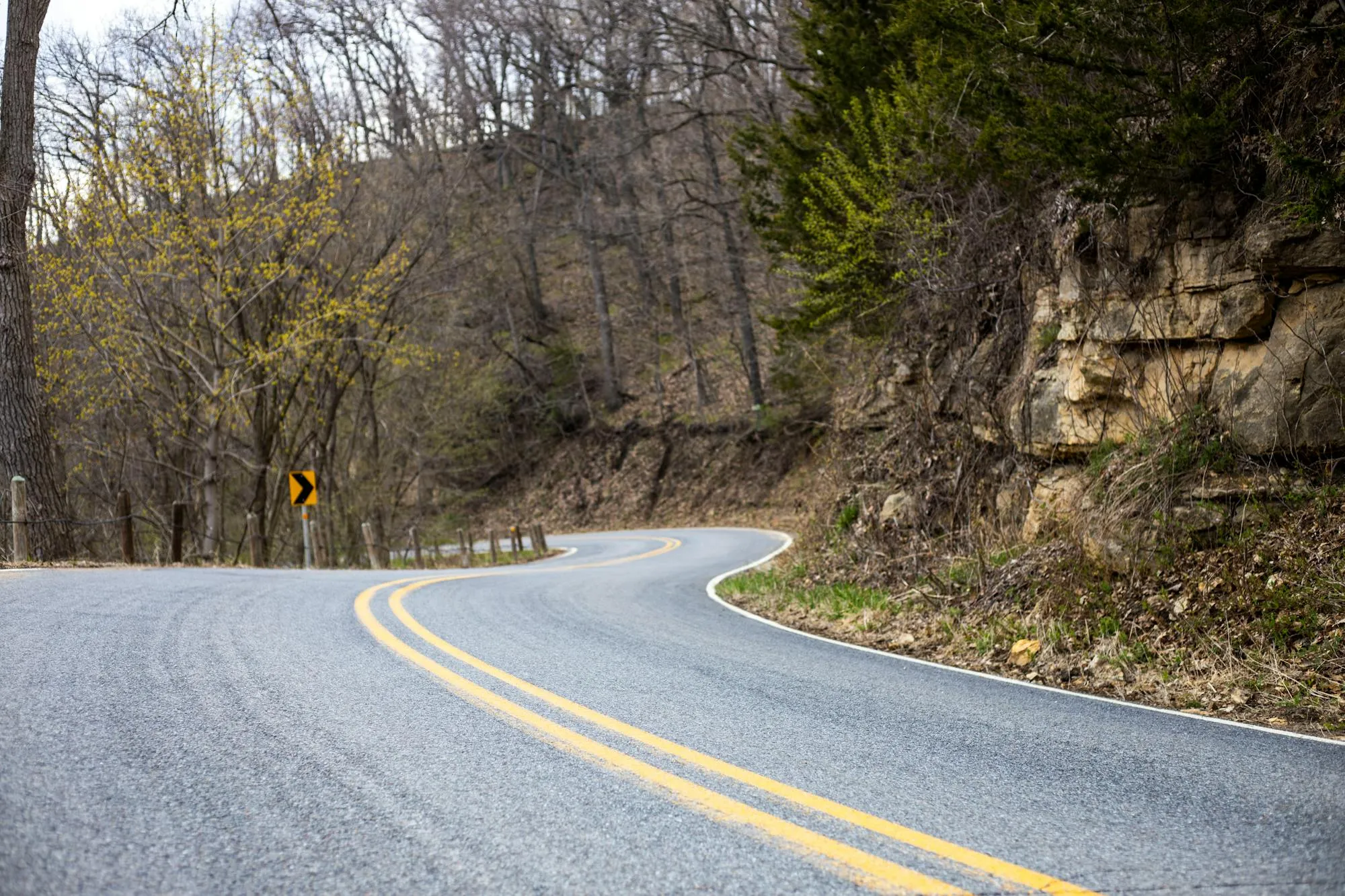
A winding two-lane asphalt road in the Appalachian mountains, photographed in dry daylight. Yellow double-center line markings guide through a series of tight left-hand curves. Dense deciduous and evergreen forest flanks both sides; a rock cut is visible on the right. The road surface and geometry suggest a technical, high-traffic riding corridor popular with motorcyclists.
Chris Flaten / Pexels

The Truth on the Street

The read here comes from years of listening to the people who actually own and ride the F3 800: message-board threads, paddock talk at trackdays, and the notes riders send me directly. Line it all up and one pattern holds steady. The praise runs hot on how the bike goes and how it looks, while the gripes cluster tightly around living with it over distance.

The performance riders rave about

The loudest praise is for the triple's midrange. Riders consistently describe corner-exit drive that pulls like something bigger while the top end still runs frantic. The chassis earns the same enthusiasm: light, compact, and precise enough that many say it changes direction more like a 600 than a literbike, rewarding real corner speed. A good number also single out the hardware and the styling, from the Brembo monobloc calipers and Marzocchi and Sachs suspension to the kind of design that stops people in a parking lot.

Where it asks something back

The complaints are narrower and center on the long haul. The recurring one comes from taller riders: the cockpit runs cramped, with high pegs and a reach that turns aggressive past a full day in the saddle. Fewer, but consistent, are the notes on the stock seat, which some owners call punishing once the miles stack up.

Known issues

  • Valve spring failure leading to valve drop

    enginerare

    Valve springs can fail, causing a valve to drop into the cylinder, resulting in catastrophic engine damage. Reported on low-mileage bikes, including second-generation engines.

  • Rear master cylinder failure

    brakesoccasional

    The rear brake master cylinder can fail, leading to loss of rear braking. Often repaired under warranty.

  • Sprag clutch / difficult starting

    engineoccasionalRecall

    The sprag clutch can wear prematurely, causing inconsistent starting or complete failure. A factory recall was issued for related issues on some models.

The Expert Benchmark

Where this MV Agusta F3 800 pulls ahead of — or falls behind — its rivals on the numbers, and the typical bike in its class on character.

What kind of bike this is — character vs. the class

This bike Class average

The shape of the MV Agusta F3 800 — numbers and character vs. the average Supersport

Head-to-head: MV Agusta F3 800 vs. its rivals

The Handshake Score

Forget spec-sheet bragging. Here's who the F3 800 is actually built for.

A scenic view of Angeles Crest Highway winding through rugged Southern California canyon terrain. Rocky mountainsides with golden earth tones frame the asphalt road with tight sweeping curves. Double yellow center line visible, sparse vegetation along the shoulders, clear blue sky with white clouds. Daylight, dry conditions. Iconic location for canyon-road enthusiasts.
Josh Sorenson / Pexels

Best motorcycle for Angeles Crest?

For weekend runs up the Crest and back through LA traffic, this is close to ideal. It finds lines easily, drives off corners early, and gives back the drama you want without wearing you out.

Made for Angeles Crest Highway · Coronado Trail / US 191 · Highway 1 / Big Sur
Best motorcycle for Laguna Seca?

On a closed track it stays settled into the braking zones and holds its brakes all session, so you can chase apex after apex. Just know the seat is punishing and the cockpit gets old on long days.

Made for Barber Motorsports Park · WeatherTech Raceway Laguna Seca · Circuit of the Americas

Best motorcycle for Tail of the Dragon?

For skill-first days on the Dragon and the Blue Ridge, the easy precision is the whole point. It hits the line every time and lets you work on technique, though the hard seat and tight cockpit bite on longer rides.

Made for Back of the Dragon · Blue Ridge Parkway · Cherohala Skyway

Alternatives to the MV Agusta F3 800

If this one isn't quite the fit, these are the bikes worth riding back-to-back against it.

Any price note compares both bikes at the same age — the youngest age both have on the used market — against this MV Agusta F3 800. “cheaper/pricier” is what that bike costs second-hand, not how worn it is.