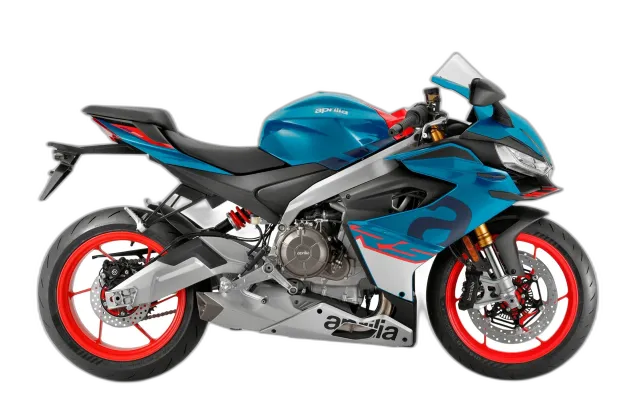
By NastyNils· ·
Motorcycle comparison · Supersport
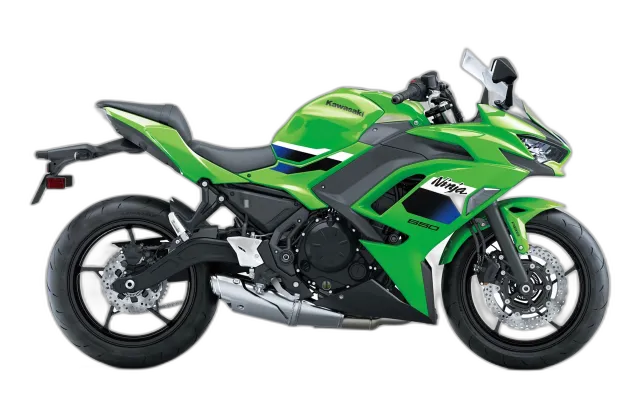
Kawasaki Ninja 650 (EX650P) vs Aprilia RS 660 (MY2025)
Kawasaki Ninja 650 vs Aprilia RS 660: which one to buy for the riding you do.
Roll on out of a bend on the Kawasaki Ninja 650, and it's pulling clean from low revs with no surprises in how the shove builds. The Aprilia RS 660's already flicking toward the next apex.
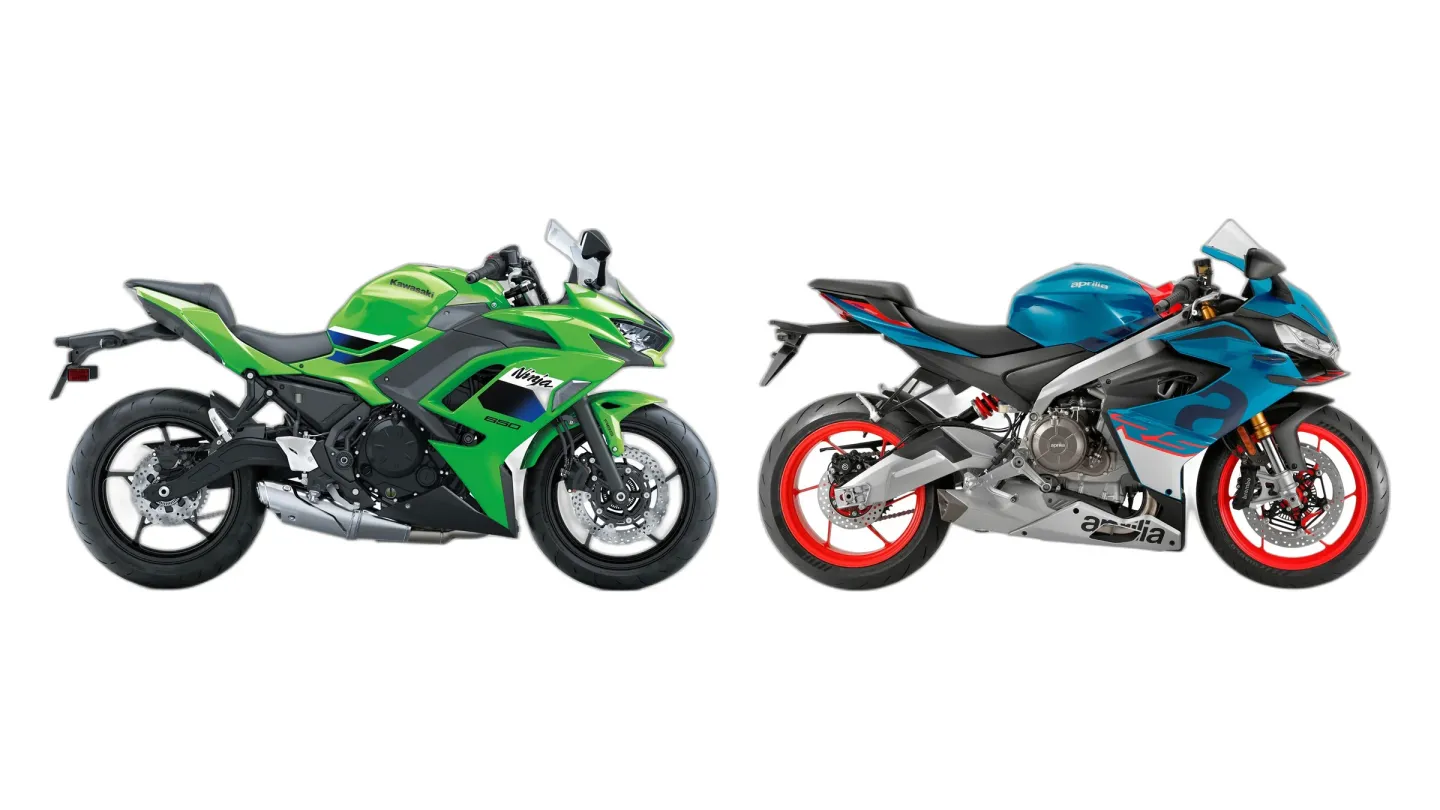
So which one do you buy?
The Ninja 650 has the edge if…
Keeping running costs low
Small edge: Ninja 650
The Ninja 650 comes out a little ahead on upkeep. Only a little.
Daily commuting & city riding
Narrow edge: Ninja 650
Your daily ride leans slightly toward the Ninja 650. Thank lower running costs and simpler maintenance for that. Fit and price can easily outweigh that.
The RS 660 has the edge if…
Racetrack use
Slight edge: RS 660
Between the curbs, the RS 660 asks a bit less of you at speed. It's down to more suspension adjustment and a sportier chassis. It's a fine margin, nothing more.
Sporty riding on twisty roads
Edges it: RS 660
The RS 660 nudges ahead once the pavement starts to wiggle. Credit harder acceleration and better suspension. Don't expect a night-and-day difference.
What makes each one tick
Ninja 650
Long highway days are home ground for the Ninja 650, whose upright bars and relaxed seat don't let fatigue pile up mile after mile. Out of a corner the twin answers the throttle in even steps, and it's just as calm in commuter traffic. The windscreen's parting the wind.
RS 660
A light nudge on the bar tips the RS 660 into a lean, and its 403 lb (183 kg) wet weight doesn't put up a fight in a quick side swap. Despite the racy crouch, the riding position isn't harsh over a longer ride. The aluminum chassis holds its line.
The Voice of Experience

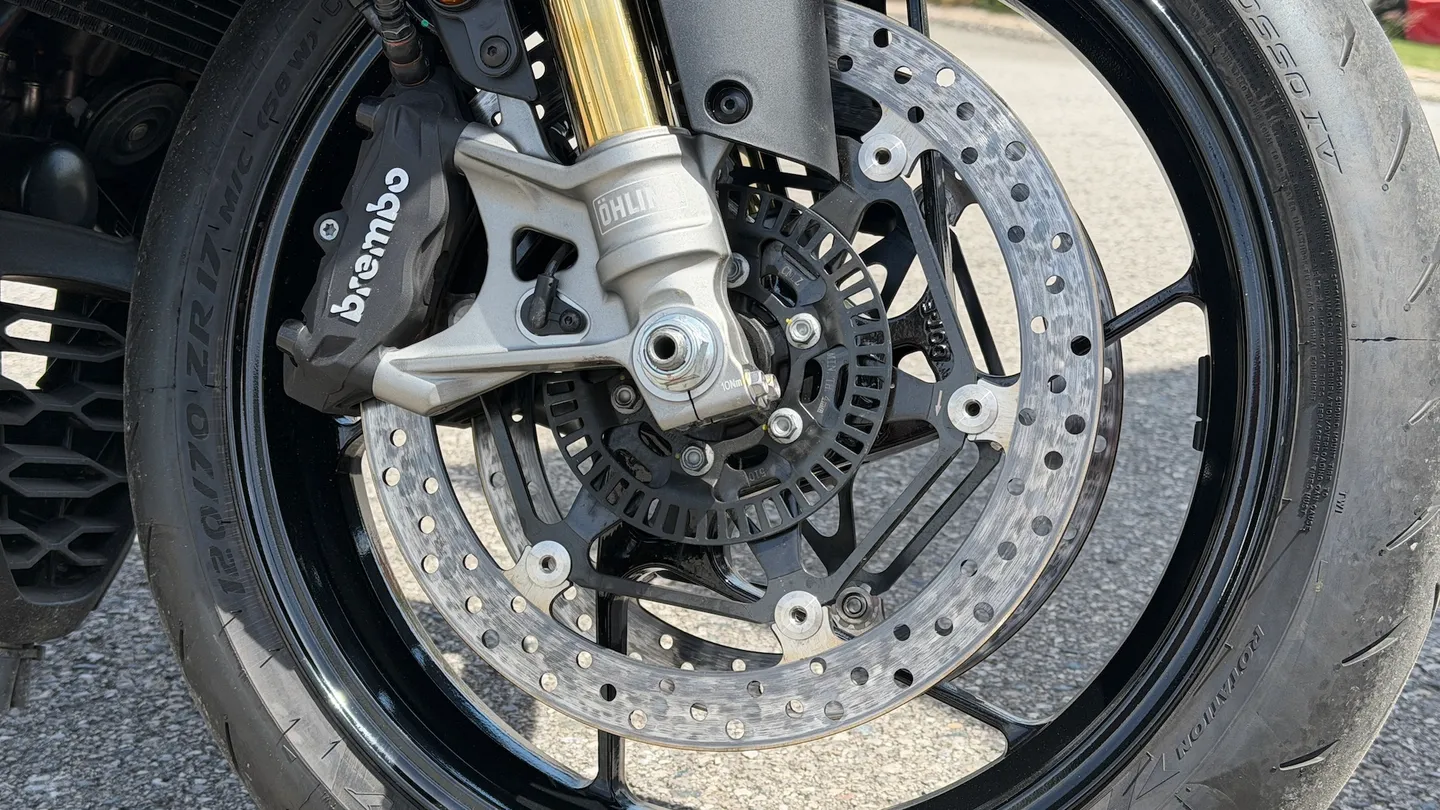
What actually separates them
- The Ninja 650 has the lower seat: 31.1 in (790 mm) vs 32.3 in (820 mm).
- The RS 660 has the lower wet weight: 403 lb (183 kg) vs 425 lb (193 kg).
- The RS 660 makes more peak power: 105 hp (77 kW) vs 68 hp (50 kW).
Which one for the way you ride
Comfortable long-distance riding
Not built for this
Both of these get tiring on a long day. A proper tourer will treat you better on big miles.
Who each one is built for
What's good, and what you'll live with
Ninja 650
What owners say
Strengths
- Comfortable upright ergonomics with good wind protection
RS 660
What owners say
Strengths
- Light and agile handling
- Surprisingly comfortable for a supersport
What they cost used
These prices compare a 1-year-old Ninja 650 with a 1-year-old RS 660.
- Ninja 650
- about $7,500
- RS 660
- about $11,300
What they share
- Engine
- Parallel twin
- Cooling
- Liquid-cooled
- Fuel capacity
- 4.0 US gal (15 L)
- Gearbox
- 6-speed
- Final drive
- Chain
- Front tire
- 120/70-17
Where the spec sheets split
| Ninja 650 | RS 660 | |
|---|---|---|
| Seat height | 31.1 in (790 mm) | 32.3 in (820 mm) |
| Wet weight | 425 lb (193 kg) | 403 lb (183 kg) |
| Ninja 650 | RS 660 | |
|---|---|---|
| Displacement | 649 cc | 659 cc |
| Power | 68 hp (50 kW) | 105 hp (77 kW) |
| Torque | 47 lb-ft (64 Nm) | 52 lb-ft (70 Nm) |
| Ninja 650 | RS 660 | |
|---|---|---|
| Rear tire | 160/60-17 | 180/55-17 |
What comes fitted, what costs extra
| Ninja 650 | RS 660 | |
|---|---|---|
| ABS | Option | Standard |
| Ride Modes | Not offered | Standard |
| Manually Adjustable Front Suspension | Not offered | Standard |
| Quickshifter | Option (from 2027) | Standard |
| Smartphone Connectivity | Standard | Option |
Head to head, area by area
Both bikes on the same scale, one area at a time.