By NastyNils·
Motorcycle comparison · Supersport
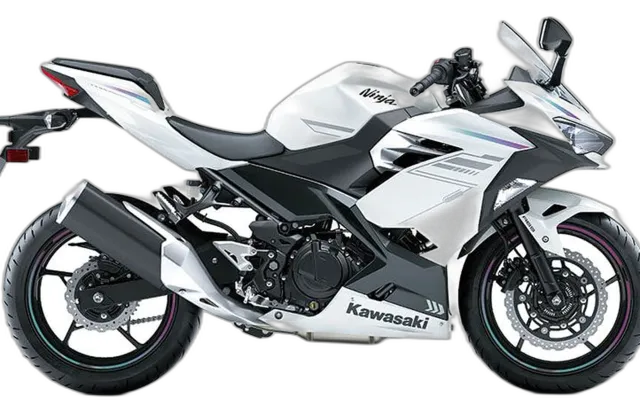
Kawasaki Ninja 400 (MY2018) vs KTM RC 390 (MY2014)
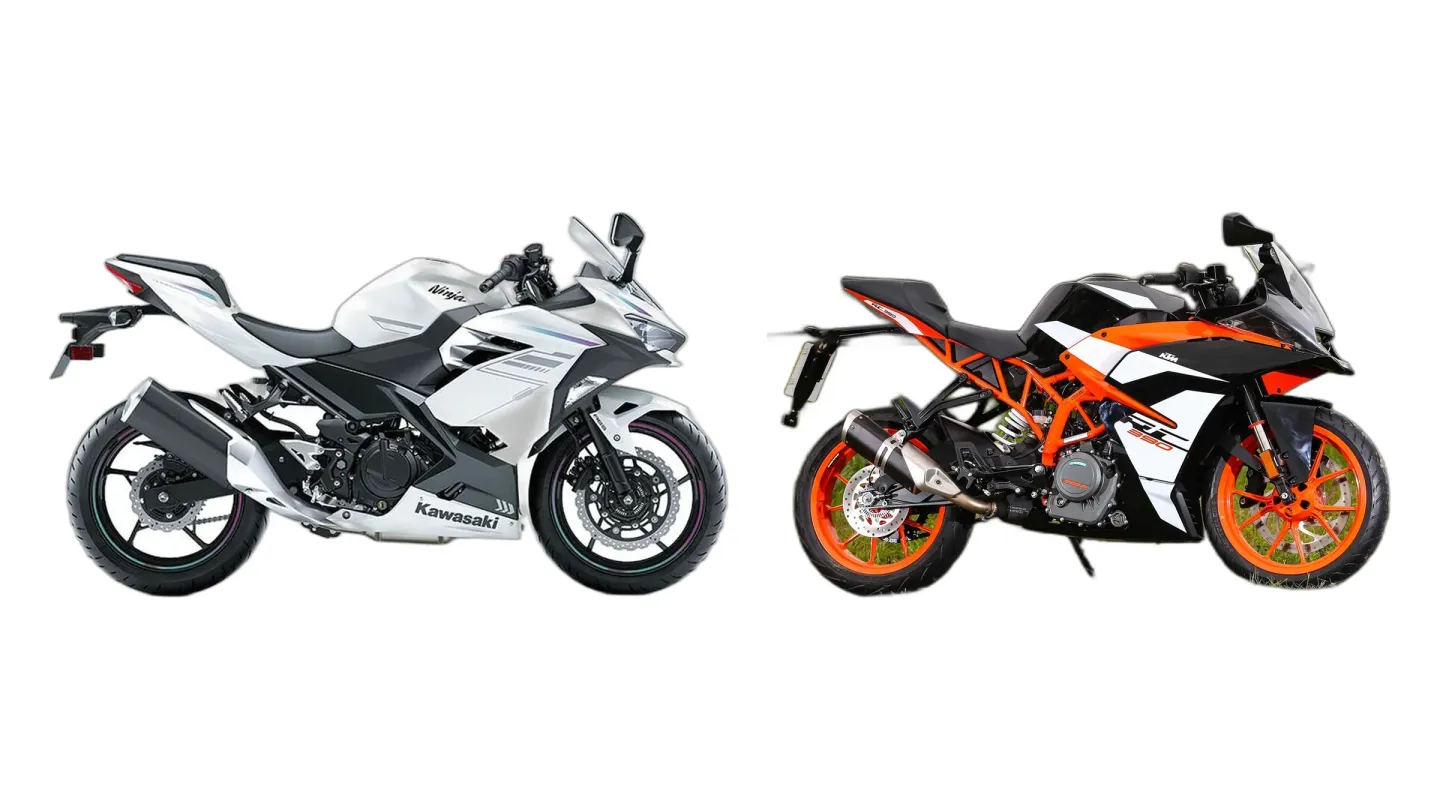
Kawasaki Ninja 400 vs KTM RC 390: one garage spot. Here's what should decide it.
Point the Kawasaki Ninja 400 at an apex and it'll track right there, lap after lap, with nothing to fight. Mid-corner, the KTM RC 390's rear tire talks straight through the seat about how much grip it's got left. Its engine bites the instant your wrist moves.
So which one do you buy?
The RC 390 has the edge if…
Daily commuting & city riding
A touch ahead: RC 390
On the way to work, the RC 390 asks a little less of you. Close enough that the test ride should settle it.
Racetrack use
Inches ahead: RC 390
For track days, the RC 390 comes out a touch ahead. What tips it: more suspension adjustment. Your setup and tires matter just as much.
What makes each one tick
Ninja 400
Through a set of esses, the Ninja 400 swaps sides almost by itself, since there's so little weight and spinning mass to haul across. A sudden snap of the throttle doesn't trip the fueling, and the twin keeps building thrust as the revs climb. There's nothing to learn first. The nose holds whatever line you pick.
Nils rode the Ninja 400 in Slovakia in 2023 (NastyNils Testride).
RC 390
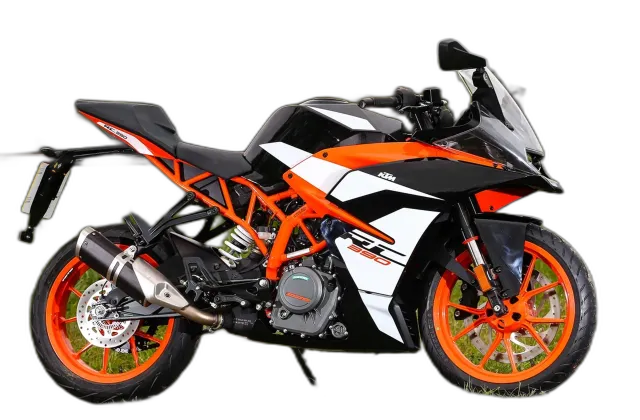
A single push on the bar sets the RC 390 on its arc, where it'll stay as if drawn with a compass. Even hard on the brake lever, it's the pegs that carry the load, not the saddle. The torque never outruns the chassis. A low rumble warns you before the slide arrives.
Nils rode the RC 390 in the Czech Republic in 2014 (NastyNils Testride).
The Voice of Experience

What actually separates them
- The Ninja 400 has the lower seat: 30.9 in (785 mm) vs 32.3 in (820 mm).
- The Ninja 400 makes more peak torque: 28 lb-ft (38 Nm) vs 26 lb-ft (35 Nm).
- The Ninja 400 has the larger engine: 399 cc vs 373 cc.
Which one for the way you ride
Comfortable long-distance riding
Both fall short
Long-haul comfort is a weak spot for both. If you tour, shop with that in mind.
Count twisty roads and a first bike as a draw. The deal on the table and the condition of the bike matter more here.
Who each one is built for
What's good, and what you'll live with
Ninja 400
Strengths
- Agile without ever going nervous
- Goes exactly where you point it
- Zero learning curve
- The seat is actually soft
- 45 hp feels like enough
Trade-offs
- Mixed-power groups kill it
- Suspension is set for the street
- One front disc, real limits
- Slicks overwhelm the chassis
- Weak front brake feel and bite
RC 390
From Nils' own saddle time
Strengths
- Locks Onto Your Line
- Light Yet Genuinely Stable
- Trustworthy Rear Traction Feel
- Torque Matched To Weight
- Confidence That Feels Irrational
Trade-offs
- Your Weight Steers It
- Outgunned On Corner Exit
- Head Gasket Can Fail
- Cooling Struggles In Traffic
Known problems to check before you buy
Ninja 400
- Assist & Slipper Clutch premature wear — slipping, false neutrals, gear dropping Premature wear of the assist and slipper clutch is one of the most frequently reported problems on the Ninja 400. The cable-operated clutch has little wear margin, and the assist-and-slipper ramp design adds to it, so the clutch pack can start slipping early in the bike's life. The first symptom is usually the clutch slipping under moderate to hard acceleration, most noticeably in the higher gears. Some owners also report false neutrals between the upper gears, gears not engaging cleanly and the transmission jumping out of gear. Track riding and aggressive launches make it worse. The usual fix is new friction plates and springs, along with a check of the clutch cable free play.
- OEM cylinder coolant seal deformation causing external coolant leak The rubber coolant seal between the crankcase and cylinder block at the front of the engine tends to deform, fold over, and allow coolant to leak externally. The factory seal is a tall, narrow rubber piece sitting in an open cavity without mechanical retention. Once deformed, coolant weeps from the front of the engine.
RC 390
- Head gasket failure Reports of head gasket leaks and failures, often preceded by overheating; can lead to catastrophic engine damage if not addressed. Typically occurs after moderate mileage.
What they share
- Cooling
- Liquid-cooled
- Gearbox
- 6-speed
- Final drive
- Chain
- Front tire
- 110/70-17
- Rear tire
- 150/60-17
Where the spec sheets split
| Ninja 400 | RC 390 | |
|---|---|---|
| Seat height | 30.9 in (785 mm) | 32.3 in (820 mm) |
| Ninja 400 | RC 390 | |
|---|---|---|
| Displacement | 399 cc | 373 cc |
| Engine | Parallel twin | Single-cylinder |
| Power | 45 hp (33 kW) | 44 hp (32 kW) |
| Torque | 28 lb-ft (38 Nm) | 26 lb-ft (35 Nm) |
| Ninja 400 | RC 390 | |
|---|---|---|
| Fuel economy | 44 mpg (US) / 5.4 L/100 km | 67 mpg (US) / 3.5 L/100 km |
| Fuel capacity | 3.7 US gal (14 L) | 2.6 US gal (10 L) |
| Ninja 400 | RC 390 | |
|---|---|---|
| Fork | Telescopic | Upside-down (USD) |
| Front brake | 310 mm | 300 mm |
| Wheelbase | 53.9 in (1370 mm) | 52.8 in (1340 mm) |
What comes fitted, what costs extra
| Ninja 400 | RC 390 | |
|---|---|---|
| ABS | Option | Standard |
Head to head, area by area
Both bikes on the same scale, one area at a time.