By NastyNils·
Motorcycle comparison · Supersport
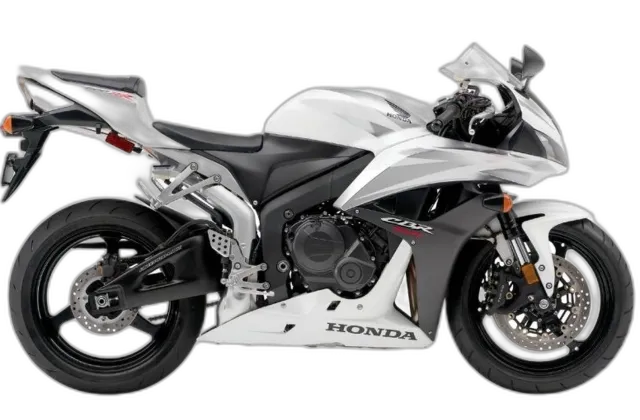
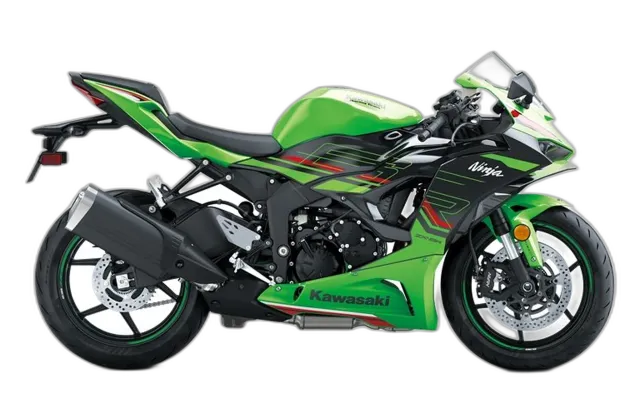
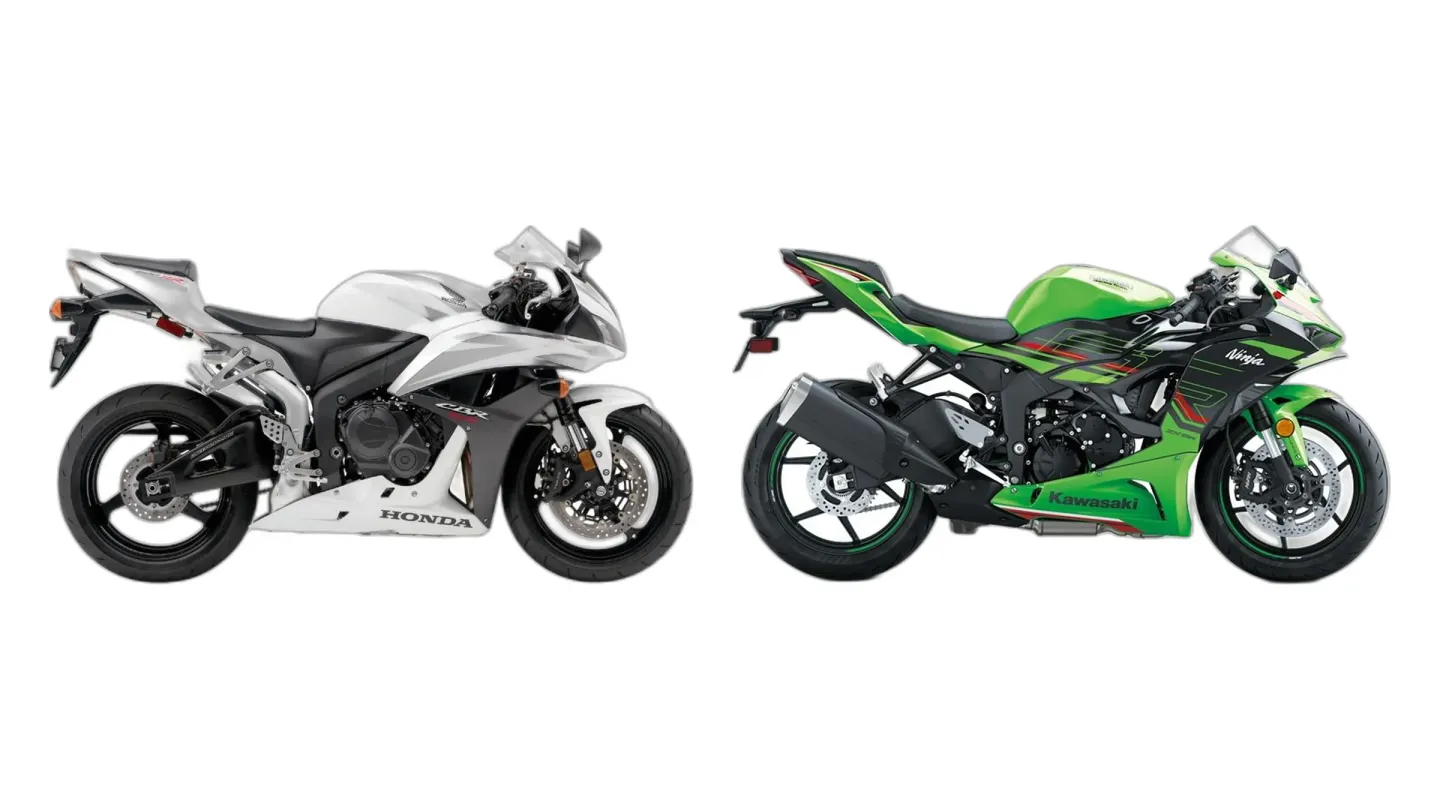
Honda CBR600RR (PC 40) vs Kawasaki Ninja ZX-6R (MY2019)
Honda CBR600RR vs Kawasaki Ninja ZX-6R: one garage spot. Here's what should decide it.
You'll notice first that the Honda CBR600RR doesn't ask for another downshift at corner entry. On the Kawasaki Ninja ZX-6R, the rear won't step out of line as you click down gears for the turn. Its frame then works with you to the apex.
So which one do you buy?
The Ninja ZX-6R has the edge if…
Racetrack use
Inches ahead: Ninja ZX-6R
Lap after lap, the Ninja ZX-6R noses ahead. Your own riding will make a bigger difference than this gap.
What makes each one tick
CBR600RR
With the engine placed to pull its weight toward the middle, the CBR600RR snaps into a bend the moment the bars ask, and the chassis doesn't wander off that arc. At 410 lb (186 kg), the bike flicks from side to side through a tight backroad without a fight. Hard on the brake lever, speed bleeds off and the steering doesn't squirm. The nose goes wherever it's pointed.
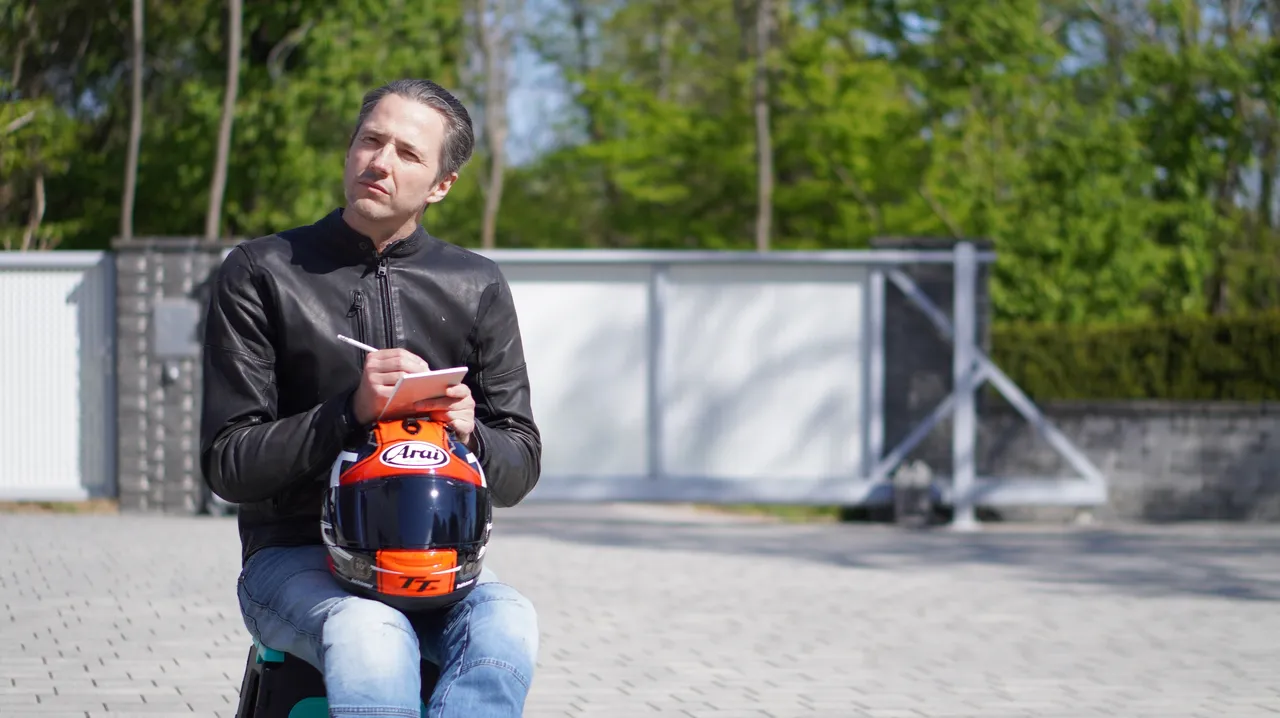
Nils rode the CBR600RR in Hungary in 2007, in Qatar in 2008, in Croatia/Dalmatia in 2013, and in Germany in 2017 (NastyNils Testride).
Ninja ZX-6R
Down low the Ninja ZX-6R's engine is polite, and it doesn't come alive until the revs climb well up the tach. Shorter gearing means there's real pull on the throttle early in a bend. At WeatherTech Raceway Laguna Seca, the light spinning parts in the motor and wheels let the bike switch sides in one quick flick. Up top, the motor screams.
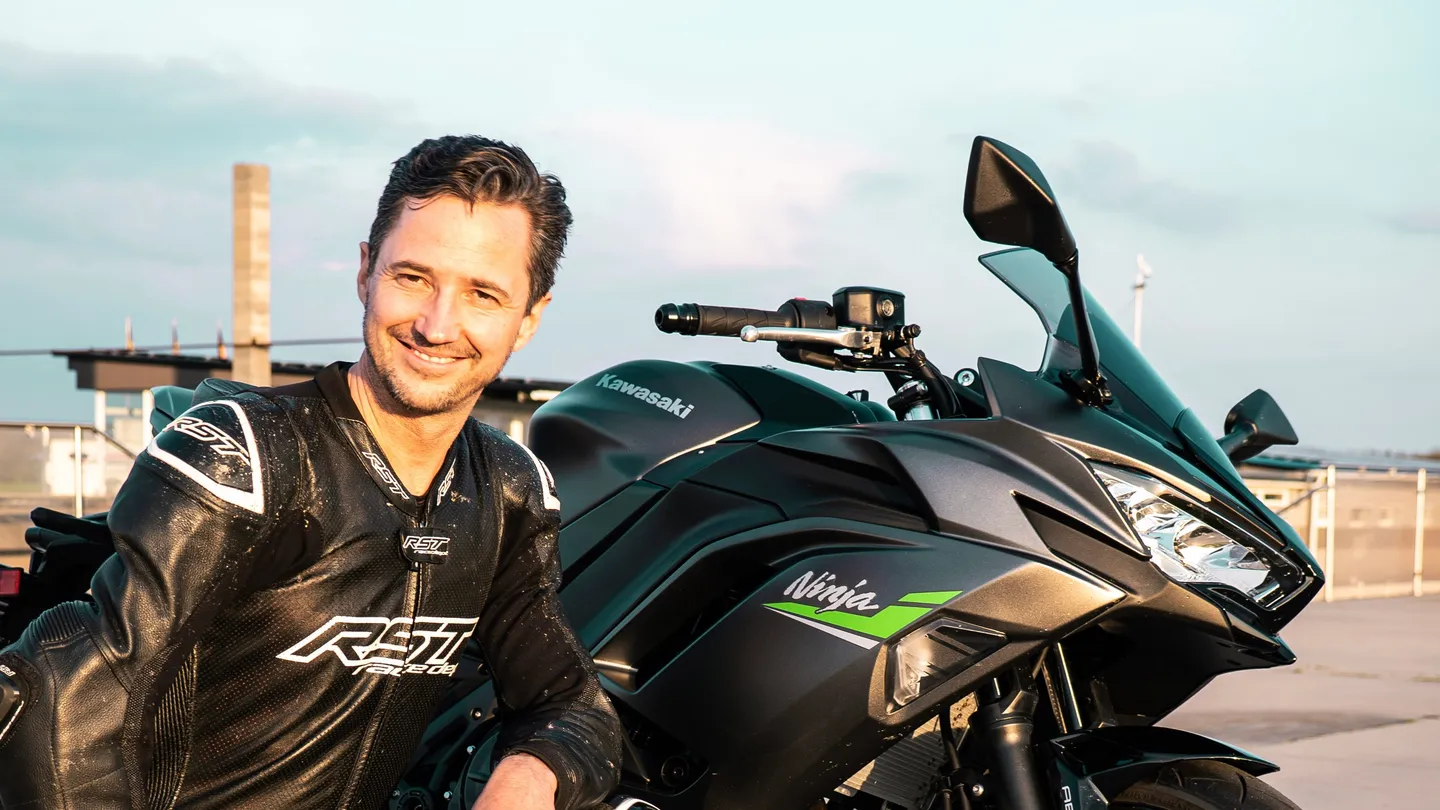
Nils rode the Ninja ZX-6R in Spain in 2019 (NastyNils Testride).
The Voice of Experience
What actually separates them
- The CBR600RR has the lower wet weight: 410 lb (186 kg) vs 432 lb (196 kg).
- The Ninja ZX-6R makes more peak power: 130 hp (96 kW) vs 121 hp (89 kW).
- The Ninja ZX-6R makes more peak torque: 52 lb-ft (71 Nm) vs 49 lb-ft (66 Nm).
Which one for the way you ride
Comfortable long-distance riding
Both fall short
Both of these get tiring on a long day. A proper tourer will treat you better on big miles.
Don't look for a gap on commuting, twisty roads, and running costs: there isn't one. Go by how each one fits you.
Who each one is built for
What's good, and what you'll live with
CBR600RR
What owners say
Strengths
- Excellent build quality and reliability
- Strong midrange for a supersport
Trade-offs
- Cramped riding position
Ninja ZX-6R
Strengths
- Composed at any speed
- A top end worth chasing
- Nimbler than any liter bike
- Suspension that answers back
- Power you use, not manage
Trade-offs
- Traction control without an IMU
- Quickshifter goes up only
- Not a commuter or a tourer
- Used ones need a history
- Difficult maintenance access
Known problems to check before you buy
CBR600RR
- Fuel pump impeller may deform and cause failure Recall 24V864000 A recall covers certain 2007 and 2009-2017 CBR600RR models: improperly molded fuel pump impellers can deform, leading to sudden fuel pump failure and stalling.
- Valve clearance check required every 15,200 mi (24,000 km) The ZX-6R 636 (2013-2023) requires valve clearance inspection every 15,200 mi (24,000 km) per the Kawasaki periodic maintenance schedule - a normal interval for the class, comparable to the Honda CBR600RR. Because of the shim-under-bucket design, an out-of-spec check means removing the cams to swap shims, and access requires taking off the tank, fairings and seat. Note: Kawasaki halved this interval to 7,600 mi (12,000 km) only on the updated 2024+ ZX-6R.
Ninja ZX-6R
- Valve clearance check required every 15,200 mi (24,000 km) The ZX-6R 636 (2013-2023) requires valve clearance inspection every 15,200 mi (24,000 km) per the Kawasaki periodic maintenance schedule - a normal interval for the class, comparable to the Honda CBR600RR. Because of the shim-under-bucket design, an out-of-spec check means removing the cams to swap shims, and access requires taking off the tank, fairings and seat. Note: Kawasaki halved this interval to 7,600 mi (12,000 km) only on the updated 2024+ ZX-6R.
What they share
- Engine
- Inline-four
- Cooling
- Liquid-cooled
- Gearbox
- 6-speed
- Final drive
- Chain
- Fork
- Upside-down (USD)
- Front brake
- 310 mm
Where the spec sheets split
| CBR600RR | Ninja ZX-6R | |
|---|---|---|
| Seat height | 32.3 in (820 mm) | 32.7 in (830 mm) |
| Wet weight | 410 lb (186 kg) | 432 lb (196 kg) |
| CBR600RR | Ninja ZX-6R | |
|---|---|---|
| Displacement | 599 cc | 636 cc |
| Power | 121 hp (89 kW) | 130 hp (96 kW) |
| Torque | 49 lb-ft (66 Nm) | 52 lb-ft (71 Nm) |
| CBR600RR | Ninja ZX-6R | |
|---|---|---|
| Fuel capacity | 4.8 US gal (18.2 L) | 4.5 US gal (17 L) |
| CBR600RR | Ninja ZX-6R | |
|---|---|---|
| Front tire | 120/70-17 | 120/70 ZR17 (OEM: Bridgestone Battlax Hypersport S22) |
| Rear tire | 180/55-17 | 180/55 ZR17 (OEM: Bridgestone Battlax Hypersport S22) |
| Wheelbase | 54.1 in (1375 mm) | 55.1 in (1400 mm) |
What comes fitted, what costs extra
| CBR600RR | Ninja ZX-6R | |
|---|---|---|
| ABS | Option (from 2009) | Option |
| Traction Control | Not offered | Standard |
| Steering Damper | Standard | Not offered |
| Quickshifter | Option | Standard |
| Slipper Clutch | Not offered | Standard |
| LED Headlight | Not offered | Standard |
Head to head, area by area
Both bikes on the same scale, one area at a time.