By NastyNils·
Motorcycle comparison · Supersport
CFMOTO 675SS (MY2025) vs Triumph Daytona 660 (MY2024)
CFMOTO 675SS vs Triumph Daytona 660: which one to buy for the riding you do.
Roll open the CFMOTO 675SS and it's pulling broadly before snarling into a top-end rush. The Triumph Daytona 660 shoves from low revs, then howls.
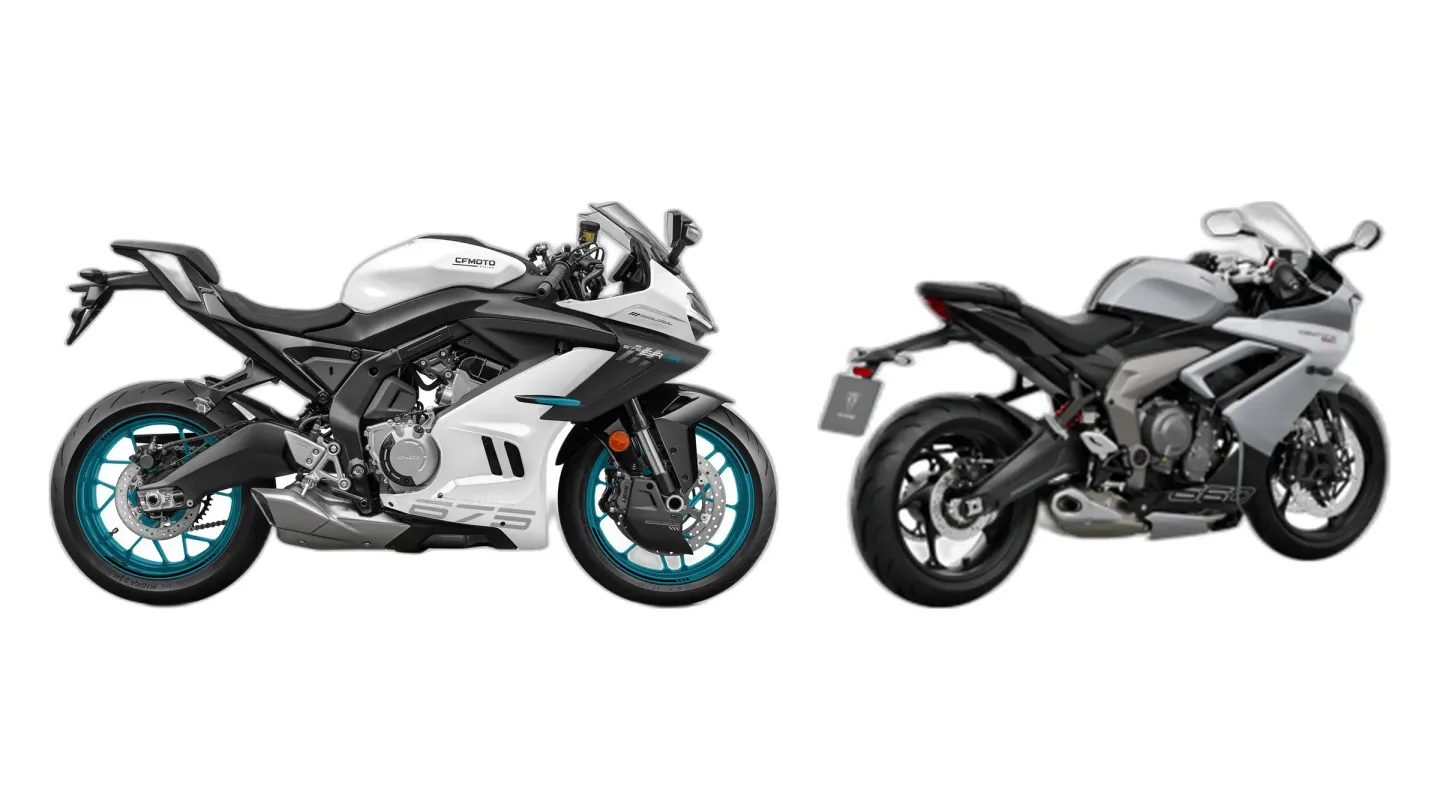
So which one do you buy?
The 675SS has the edge if…
Sporty riding on twisty roads
Slight edge: 675SS
On a winding road, the 675SS comes out a touch ahead. The difference is lighter steering and a sportier chassis. You wouldn't bet much on a gap like that.
Racetrack use
A touch ahead: 675SS
On a closed course, the 675SS edges ahead. Not by enough to settle it.
Which one's the smarter buy
Nothing in it on value
The 675SS and Daytona 660 sit close enough in price that neither is the clear better buy for the money.
What makes each one tick
675SS
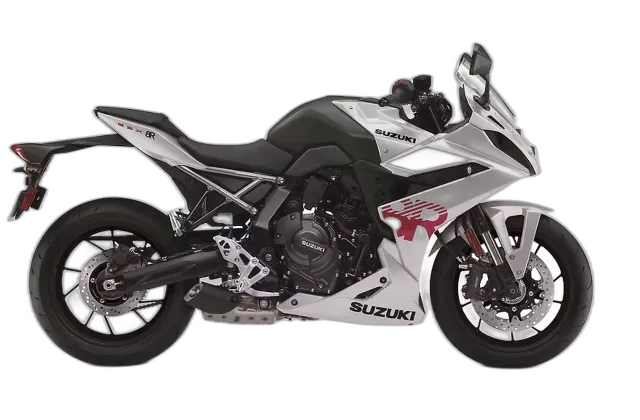
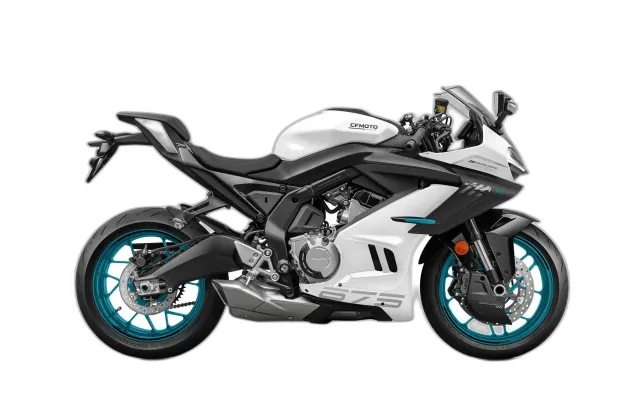
Through tight bends and at walking pace, the 675SS flicks side to side on just 414 lb (188 kg) of wet weight. On the Back of the Dragon, it snaps from one switchback to the next and doesn't need muscling. Corner entry doesn't ask for more than one nudge on the bar. Mid-corner, the chassis holds its line.
Nils rode the 675SS in China in 2025 (NastyNils Testride).
Daytona 660
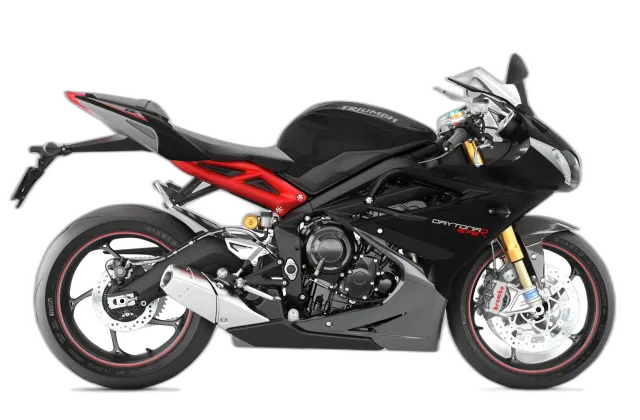
A plush seat and clip-ons within easy reach mean the Daytona 660 doesn't fold you into a race tuck. A bump at a spirited pace finds the soft fork and shock short on control, and the front feels vague when it's pushed. The nose dives hard. Up top, there's a triple that spins freely to redline.
The Voice of Experience

What actually separates them
- The 675SS has the lower wet weight: 414 lb (188 kg) vs 443 lb (201 kg).
- The 675SS has the larger fuel tank: 4.0 US gal (15 L) vs 3.7 US gal (14 L).
- Manually Adjustable Front Suspension: standard on the 675SS, not offered on the Daytona 660.
Which one for the way you ride
Comfortable long-distance riding
Neither is a natural fit
Big miles aren't where either one shines. You'll be watching for the next rest stop.
They come out level on commuting and running costs. The better-kept used example is the smarter money.
Who each one is built for
What's good, and what you'll live with
675SS
What owners say
Strengths
- Punchy triple-cylinder engine with character
- Exceptional value with high specification
- Lightweight, flickable feel
- Striking, aggressive MotoGP-inspired styling
Daytona 660
What owners say
Strengths
- Characterful triple-cylinder engine
- Excellent value for money
Trade-offs
- Soft, underdamped suspension
- Heavier than some competitors
What they cost used
These prices compare a 1-year-old 675SS with a 1-year-old Daytona 660.
- 675SS
- about $7,200
- Daytona 660
- about $7,500
What they share
- Seat height
- 31.9 in (810 mm)
- Engine
- Inline-three
- Cooling
- Liquid-cooled
- Power
- 94 hp (70 kW)
- Peak torque at
- 8,250 rpm
- Gearbox
- 6-speed
- Front tire
- 120/70-17
- Rear tire
- 180/55-17
Where the spec sheets split
| 675SS | Daytona 660 | |
|---|---|---|
| Wet weight | 414 lb (188 kg) | 443 lb (201 kg) |
| 675SS | Daytona 660 | |
|---|---|---|
| Displacement | 674 cc | 660 cc |
| Peak power at | 11,000 rpm | 11,250 rpm |
| Torque | 52 lb-ft (70 Nm) | 51 lb-ft (69 Nm) |
| 675SS | Daytona 660 | |
|---|---|---|
| Fuel capacity | 4.0 US gal (15 L) | 3.7 US gal (14 L) |
| 675SS | Daytona 660 | |
|---|---|---|
| Wheelbase | 55.1 in (1400 mm) | 56.1 in (1425 mm) |
What comes fitted, what costs extra
| 675SS | Daytona 660 | |
|---|---|---|
| Manually Adjustable Front Suspension | Standard | Not offered |
| Quickshifter | Standard | Option |
| Smartphone Connectivity | Standard | Option |
Head to head, area by area
Both bikes on the same scale, one area at a time.