By NastyNils·
Motorcycle comparison · Sport Tourer vs Supersport
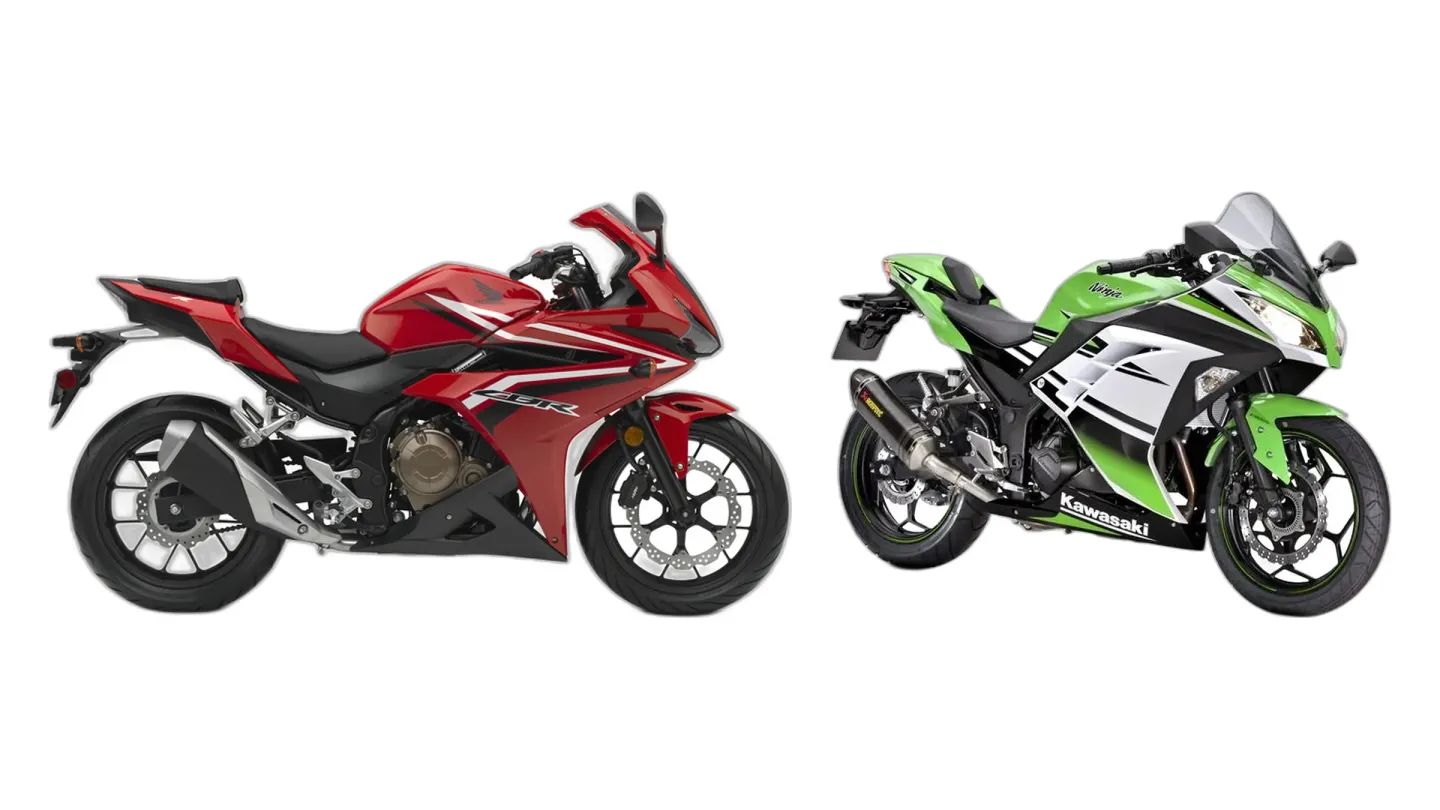
Honda CBR500R (PC 44) vs Kawasaki Ninja 300 (MY2013)
Honda CBR500R vs Kawasaki Ninja 300: different classes, one choice. Here's how to make it.
You'll feel the Honda CBR500R pull in one even line off the throttle, and there's real shove in the midrange. The Kawasaki Ninja 300's engine wants that throttle held open, and it's happiest wound out. Up top, it rushes like a bigger supersport.
So which one do you buy?
The CBR500R has the edge if…
Daily commuting & city riding
By a nose: CBR500R
The CBR500R makes slightly more sense as a commuter. Don't read much into a gap this small.
Keeping running costs low
Inches ahead: CBR500R
Day to day, the CBR500R works out slightly cheaper to own. The saving is small.
Sporty riding on twisty roads
A touch ahead: CBR500R
In the twisties, the CBR500R asks a bit less of you to go quickly. What tips it: stronger brakes and harder acceleration. Call it a modest edge.
What makes each one tick
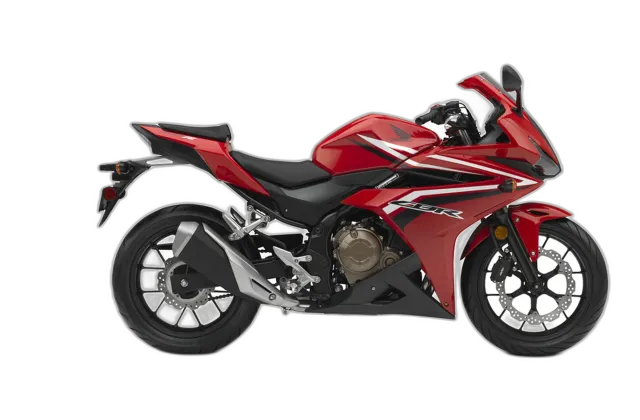
CBR500R
Out on the interstate with a crosswind building, the CBR500R's 428 lb (194 kg) and soft springs keep it tracking straight while gusts push at the fairing. The twin revs out smoothly, and it's keener still near the top of the tach. Broken pavement isn't kind to the fork, which thumps through with a wooden feel. The chassis settles into corners.
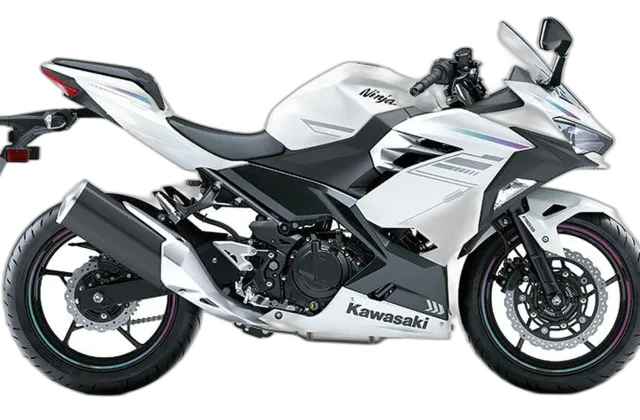
Ninja 300
On the Angeles Crest Highway, the Ninja 300's 379 lb (172 kg) flicks from one hairpin to the next with a nudge at the bar. The upright bars and low seat don't ask for any contortion at a stoplight. The clutch lever weighs almost nothing. The twin's always hunting the top of the tach.
The Voice of Experience

What actually separates them
- The Ninja 300 has the lower wet weight: 379 lb (172 kg) vs 428 lb (194 kg).
- The CBR500R makes more peak power: 48 hp (35 kW) vs 39 hp (29 kW).
- The CBR500R makes more peak torque: 32 lb-ft (43 Nm) vs 20 lb-ft (27 Nm).
Which one for the way you ride
Comfortable long-distance riding
Not built for this
Hours in the saddle won't flatter either of these. They're happier on shorter runs.
For a first bike, you won't find daylight between them. Let the test ride settle it.
Who each one is built for
What's good, and what you'll live with
CBR500R
What owners say
Strengths
- Smooth and accessible parallel-twin engine
- Exceptional fuel economy
- Comfortable highway ride with surprising stability
Trade-offs
- Budget suspension components
Ninja 300
What owners say
Strengths
- Lightweight and maneuverable handling
- High-revving, entertaining engine
- Rider-friendly ergonomics and practicality
Known problems to check before you buy
CBR500R
No confirmed faults on file yet. That's not the same as fault-free.
Ninja 300
- Front ABS sensor lead bracket caliper interference On ABS-equipped models, the front ABS sensor lead bracket can physically contact and interfere with the front brake caliper. This contact impedes proper caliper movement, leading to accelerated and uneven outer brake pad wear that degrades braking performance.
- Stator/rotor failure leads to charging loss Some owners report premature stator or rotor failure, resulting in a total loss of charging capability.
What they share
- Engine
- Parallel twin
- Cooling
- Liquid-cooled
- Gearbox
- 6-speed
- Final drive
- Chain
- Fork
- Telescopic
Where the spec sheets split
| CBR500R | Ninja 300 | |
|---|---|---|
| Seat height | 31.1 in (790 mm) | 30.9 in (785 mm) |
| Wet weight | 428 lb (194 kg) | 379 lb (172 kg) |
| CBR500R | Ninja 300 | |
|---|---|---|
| Displacement | 471 cc | 296 cc |
| Power | 48 hp (35 kW) | 39 hp (29 kW) |
| Torque | 32 lb-ft (43 Nm) | 20 lb-ft (27 Nm) |
| CBR500R | Ninja 300 | |
|---|---|---|
| Fuel capacity | 4.1 US gal (15.7 L) | 4.5 US gal (17 L) |
| CBR500R | Ninja 300 | |
|---|---|---|
| Front tire | 120/70-17 | 110/70-17 |
| Rear tire | 160/60-17 | 140/70-17 |
Head to head, area by area
Both bikes on the same scale, one area at a time.