By NastyNils· ·
Motorcycle comparison · Naked Bike vs Hyper Naked
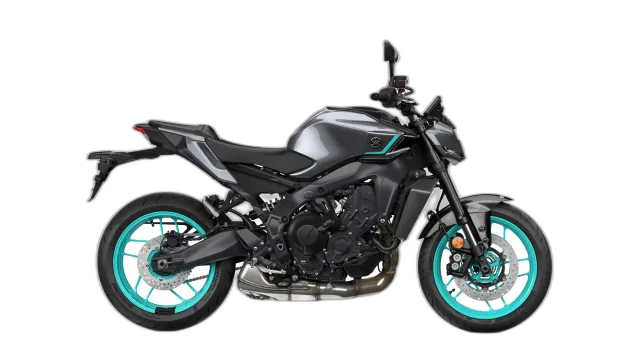
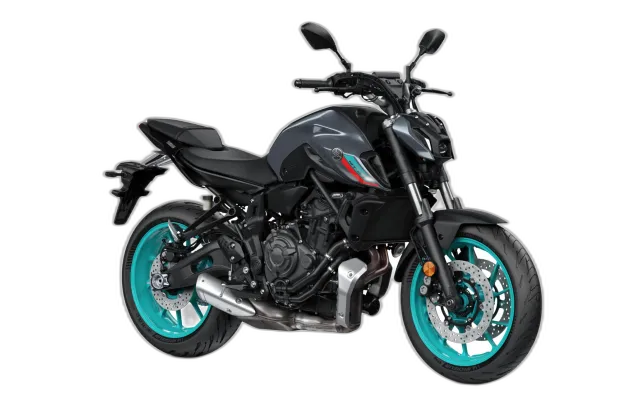
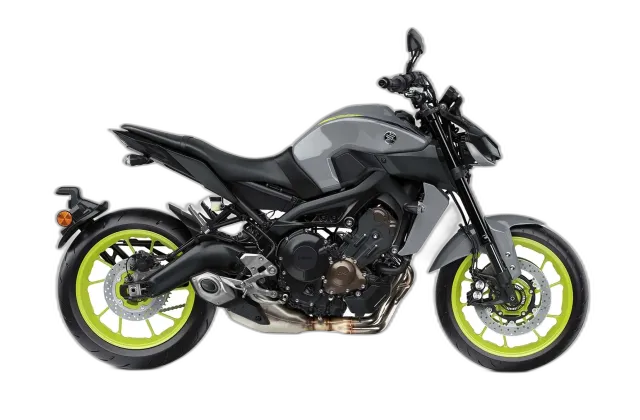
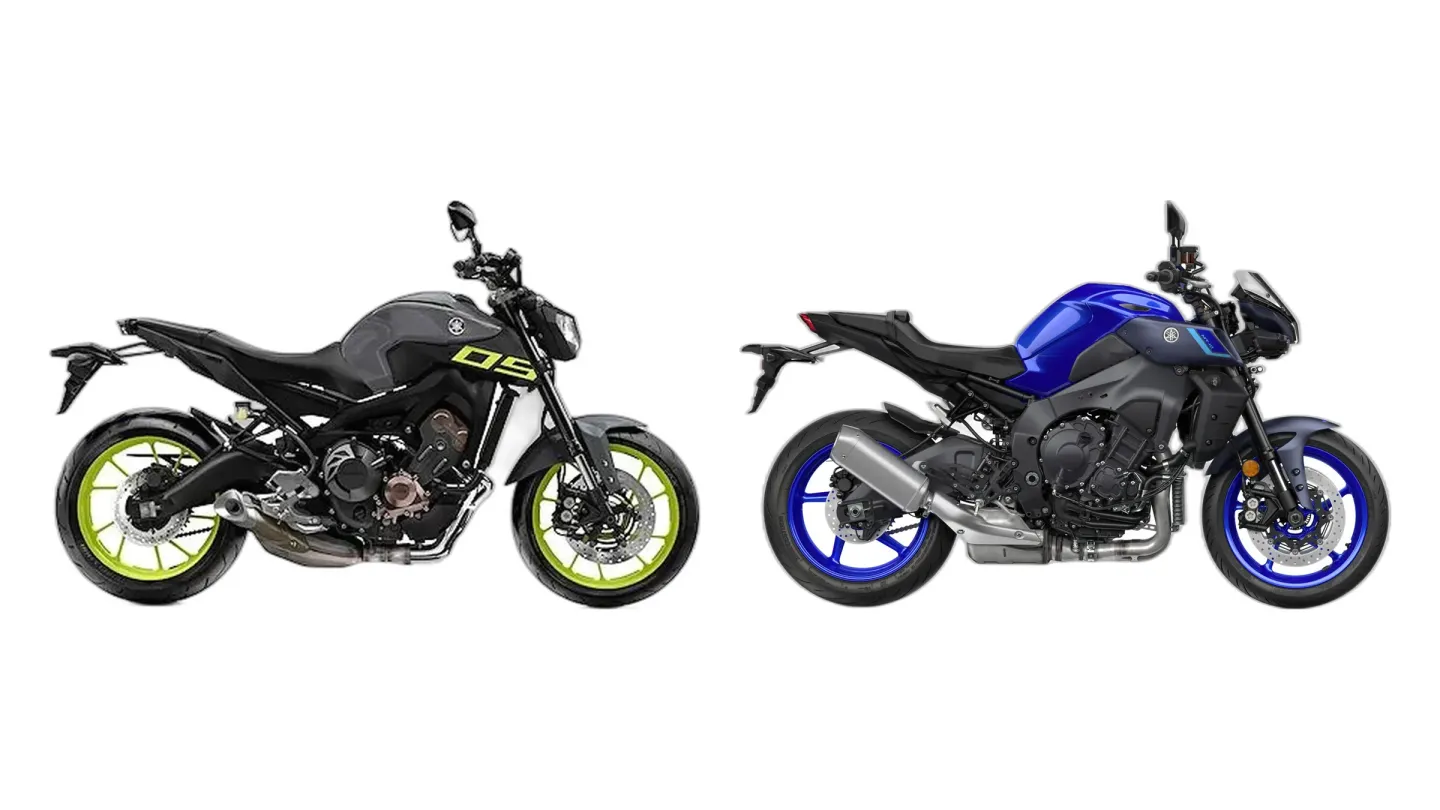
Yamaha MT-09 (RN29) vs MT-10 (RN78)
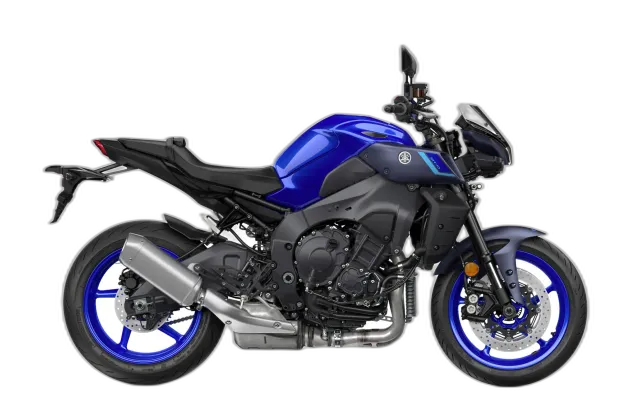
Yamaha MT-09 vs MT-10: no fairing, no excuses. Here's how to choose.
Roll on the Yamaha MT-09's throttle and it doesn't build up to anything: it just goes. The Yamaha MT-10 pulls like a twin from low revs.
So which one do you buy?
The MT-09 has the edge if…
Keeping running costs low
Narrow edge: MT-09
For the money you spend after the purchase, the MT-09 nudges ahead. The gap is too small to plan a budget around.
The MT-10 has the edge if…
Sporty riding on twisty roads
Edges it: MT-10
The MT-10 is a touch more fun when the road starts bending. Most of that is better suspension and more feel through the bars.
Daily commuting & city riding
Inches ahead: MT-10
The MT-10 edges it for the daily grind. That comes from easier everyday riding. It's a small gap, not a reason on its own.
What makes each one tick
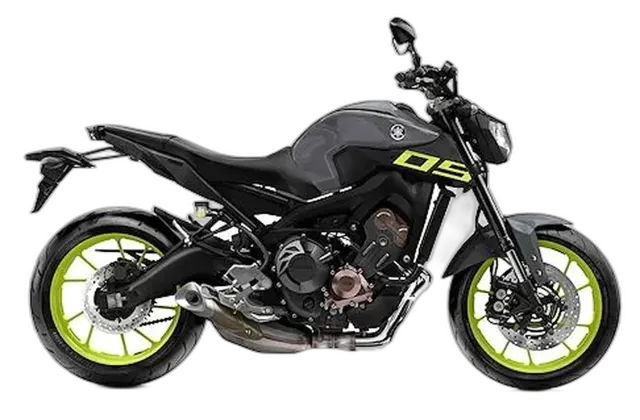
MT-09
In a tight run of bends, the MT-09 flicks from side to side like a purpose-built supermoto. Sitting close to the front wheel, you work the bars with short, aggressive inputs to get through corners. You find yourself revving it out past any reasonable limit, hunting for on-ramps, taking corners harder than you meant to. It doesn't fight the bars. A sharp bump finds the weak spot, since the stock suspension's too soft and underdamped for an engine this strong. The gearbox clicks home every flat-out upshift.
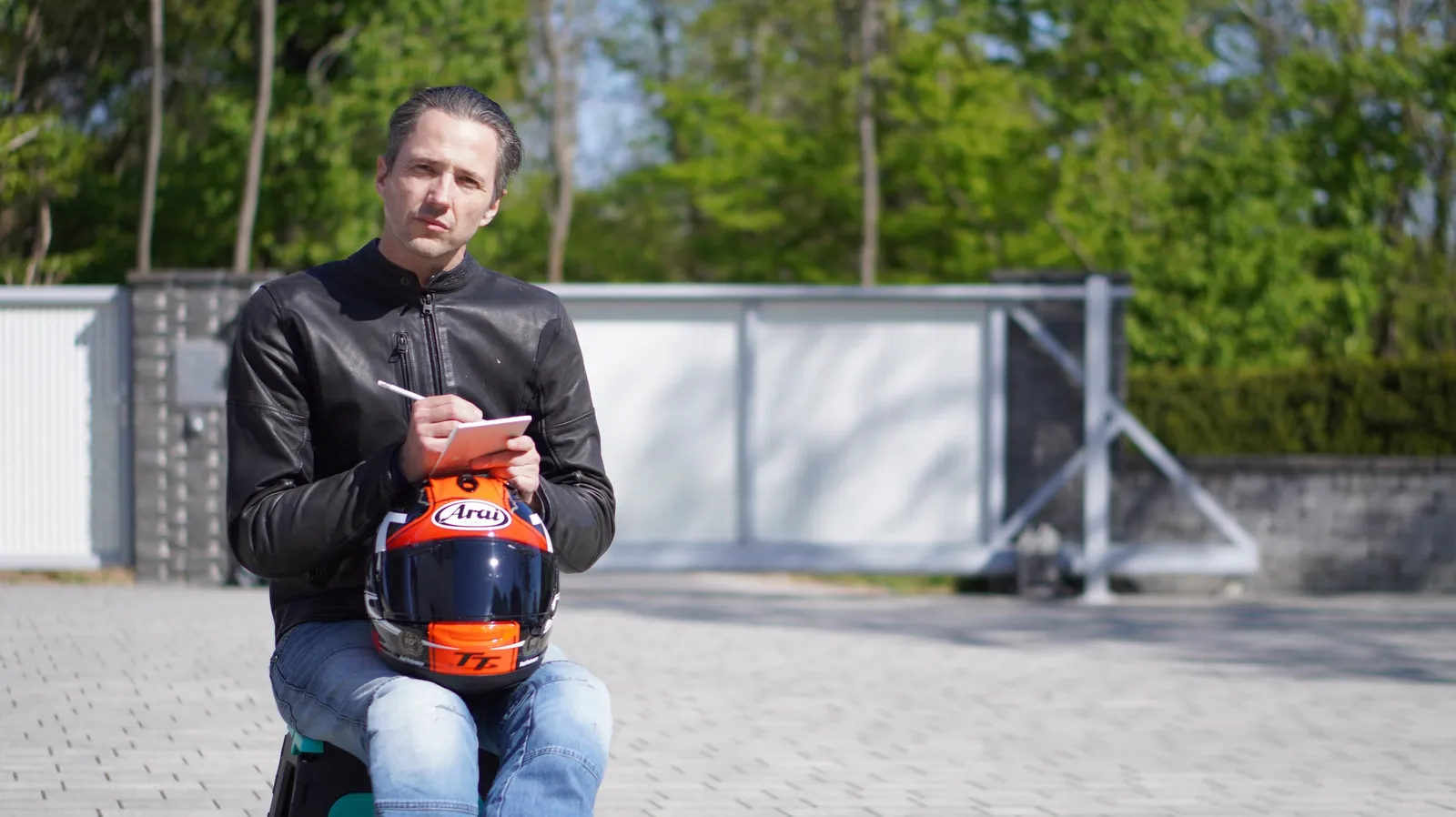
Nils rode the MT-09 in 2016 (1000PS test report).
MT-10
Through its intake, the MT-10's crossplane four growls with a lopsided rhythm that's more V-twin than inline-four. It's adequate, no more. Down low, the crossplane crank's grunt hooks up clean.
The Voice of Experience
What actually separates them
- The MT-09 has the lower seat: 32.1 in (815 mm) vs 32.9 in (835 mm).
- The MT-09 has the lower wet weight: 414 lb (188 kg) vs 467 lb (212 kg).
- The MT-10 makes more peak power: 165 hp (121 kW) vs 115 hp (85 kW).
Which one for the way you ride
Comfortable long-distance riding
Neither is a natural fit
Both of these get tiring on a long day. A proper tourer will treat you better on big miles.
Traveling with luggage
Wrong job for both
Multi-day trips with luggage aren't their thing. Travel light, or travel on something else.
Who each one is built for
What's good, and what you'll live with
MT-09
Strengths
- Smooth, willing triple
- Serious low-end pull
- Flicks like a supermoto
- Surprising highway composure
- Flawless gearbox and finish
Trade-offs
- Not a comfort upgrade
- Supermoto-level touring comfort
- Nervous in fast sweepers
- Soft, underdamped stock suspension
- Snatchy throttle response
MT-10
What owners say
Strengths
- Strong, accessible mid-range from the CP4 crossplane inline-four
- Aggressive, distinctive intake/exhaust soundtrack
Trade-offs
- Front brake feel rated below class-leading rivals
- Wind protection is minimal
Known problems to check before you buy
MT-09
- Excessively aggressive throttle response causing jerky on/off transitions The ECU's fuel mapping creates abrupt power delivery during throttle transitions. In A and Standard modes, small throttle movements cause disproportionate power changes. Fuel cut functionality above ~4,500 rpm shuts off injectors during deceleration, then reapplies fuel abruptly when RPM drops — creating a pronounced jerk. Most problematic at low speeds in urban riding. Yamaha partially addressed this with a revised ECU map for 2015, and offered free reflash to 2014 owners. Some 2014 units shipped with improved mapping. Aftermarket ECU flashing (2 Wheel DynoWorks, vcyclenut, Ivan's Performance) available for ~$350 USD.
- Throttle position sensor malfunction causing hesitation, surging, or stalling TPS wiring or connectors may become damaged, loose, or corroded, sending faulty or no signals to the ECU. Symptoms include hesitation, surging, stalling, or poor performance. Can trigger fault codes.
- Intermittent engine cutout at idle and during low-speed deceleration Engine cuts out at traffic lights, during slow maneuvering, or when decelerating to a stop. The ECU reduces fuel supply too aggressively near idle. Related to throttle body synchronization issues in some cases. Problem can worsen in hot weather.
- Stock front fork and rear shock lack adequate damping for performance Front fork too soft in compression and rebound for the bike's power and weight. Rear shock loses damping control under aggressive use. Dive under braking is excessive. Rear end feels unsettled over bumps. Multiple aftermarket suspension companies (K-Tech, Öhlins, YSS, Nitron) offer complete replacement units, indicating strong market demand for upgrades.
- O2 sensor failures when exposed to heavy rain or pressure washing The O2 sensor is vulnerable to water ingress. Heavy rain, deep puddles, or pressure washing can cause sensor failure, triggering engine warning light and poor running. The sensor's position makes it susceptible to road spray. At low constant throttle, O2 sensor cycling between lean/rich creates lumpy engine running. Solutions include O2 sensor eliminator, Power Commander, or ECU flash that disables O2 sensor cycling at low RPM.
MT-10
- Throttle response abruptness in Mode A / Sport (early MY2022 units) Several owners and reviewers reported snatchy on-off throttle transitions in the most aggressive ride mode on early 2022 production units; Yamaha addressed throttle mapping in later production and via dealer ECU updates.
What they share
- Cooling
- Liquid-cooled
- Gearbox
- 6-speed
- Final drive
- Chain
- Fork
- Upside-down (USD)
- Front tire
- 120/70-17
Where the spec sheets split
| MT-09 | MT-10 | |
|---|---|---|
| Seat height | 32.1 in (815 mm) | 32.9 in (835 mm) |
| Wet weight | 414 lb (188 kg) | 467 lb (212 kg) |
| MT-09 | MT-10 | |
|---|---|---|
| Displacement | 847 cc | 998 cc |
| Engine | Inline-three | Inline-four |
| Power | 115 hp (85 kW) | 165 hp (121 kW) |
| Peak power at | 10,000 rpm | 11,500 rpm |
| Torque | 65 lb-ft (88 Nm) | 83 lb-ft (112 Nm) |
| Peak torque at | 8,500 rpm | 9,000 rpm |
| MT-09 | MT-10 | |
|---|---|---|
| Fuel economy | 48 mpg (US) / 4.9 L/100 km | 36 mpg (US) / 6.5 L/100 km |
| Fuel capacity | 3.7 US gal (14 L) | 4.5 US gal (17 L) |
| MT-09 | MT-10 | |
|---|---|---|
| Front brake | 298 mm | 320 mm |
| Rear tire | 180/55-17 | 190/55-17 |
| Wheelbase | 56.7 in (1440 mm) | 55.3 in (1405 mm) |
What comes fitted, what costs extra
| MT-09 | MT-10 | |
|---|---|---|
| ABS | Option | Standard |
| Cornering ABS | Not offered | Standard |
| Wheelie Control | Not offered | Standard |
| Steering Damper | Not offered | Standard |
| Cruise Control | Not offered | Standard |
| Quickshifter | Not offered | Standard |
| Slipper Clutch | Not offered | Standard |
| TFT Display | Not offered | Standard |
| Heated Grips | Not offered | Option |
| LED Headlight | Not offered | Standard |
Head to head, area by area
Both bikes on the same scale, one area at a time.