By NastyNils·
Motorcycle comparison · Naked Bike vs Retro Classic
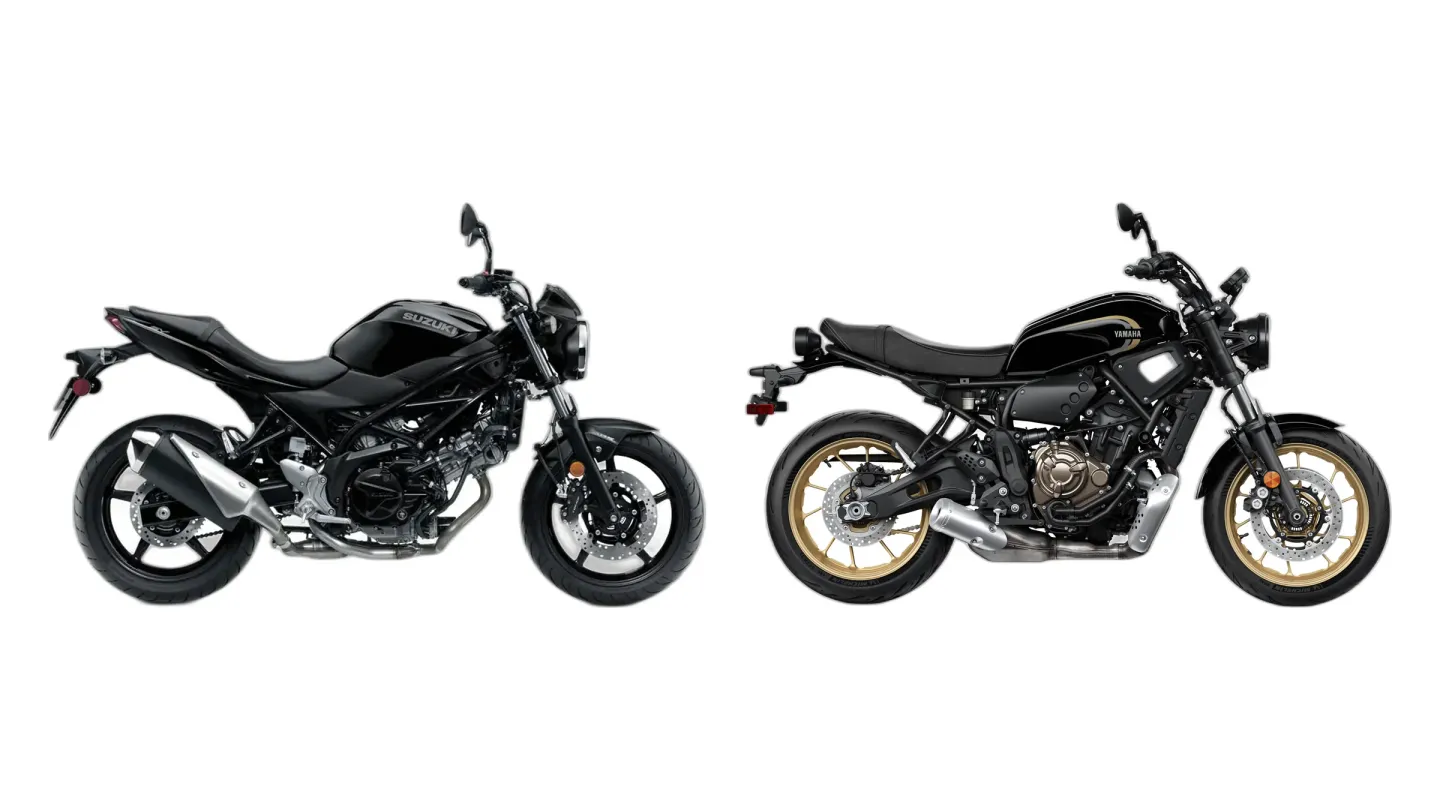
Suzuki SV650 (WCX0) vs Yamaha XSR700 (MY2022)
Suzuki SV650 vs Yamaha XSR700: different classes, one choice. Here's how to make it.
In crawling city traffic, the Suzuki SV650's narrow handlebar slips through tight gaps and doesn't bother you. The Yamaha XSR700's wide bar props you up tall between the lights, and you're sitting easy. Its twin throbs and pulls hard from low revs.
So which one do you buy?
Buy the XSR700 if…
Keeping running costs low
Better bet: XSR700
On running costs, the XSR700 pulls clearly ahead. It's the easier one to own on a tight budget.
The XSR700 has the edge if…
Sporty riding on twisty roads
By a nose: XSR700
The XSR700 is a touch more fun when the road starts bending. Just a touch.
What makes each one tick
SV650
On a race circuit, the SV650's V-twin pulls clean off low revs and keeps stacking power in an even line that's still plenty of fun. A bump at street pace doesn't upset the suspension. At track pace, it goes vague. The brakes keep biting, lap after hot lap.
XSR700
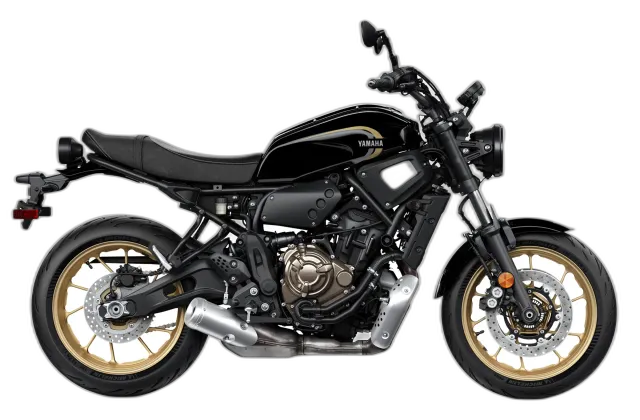
Down low, the XSR700's parallel twin throbs like a V-twin. At 410 lb (186 kg) wet, it changes direction in a heartbeat. At speed, the front wheel tracks dead straight.
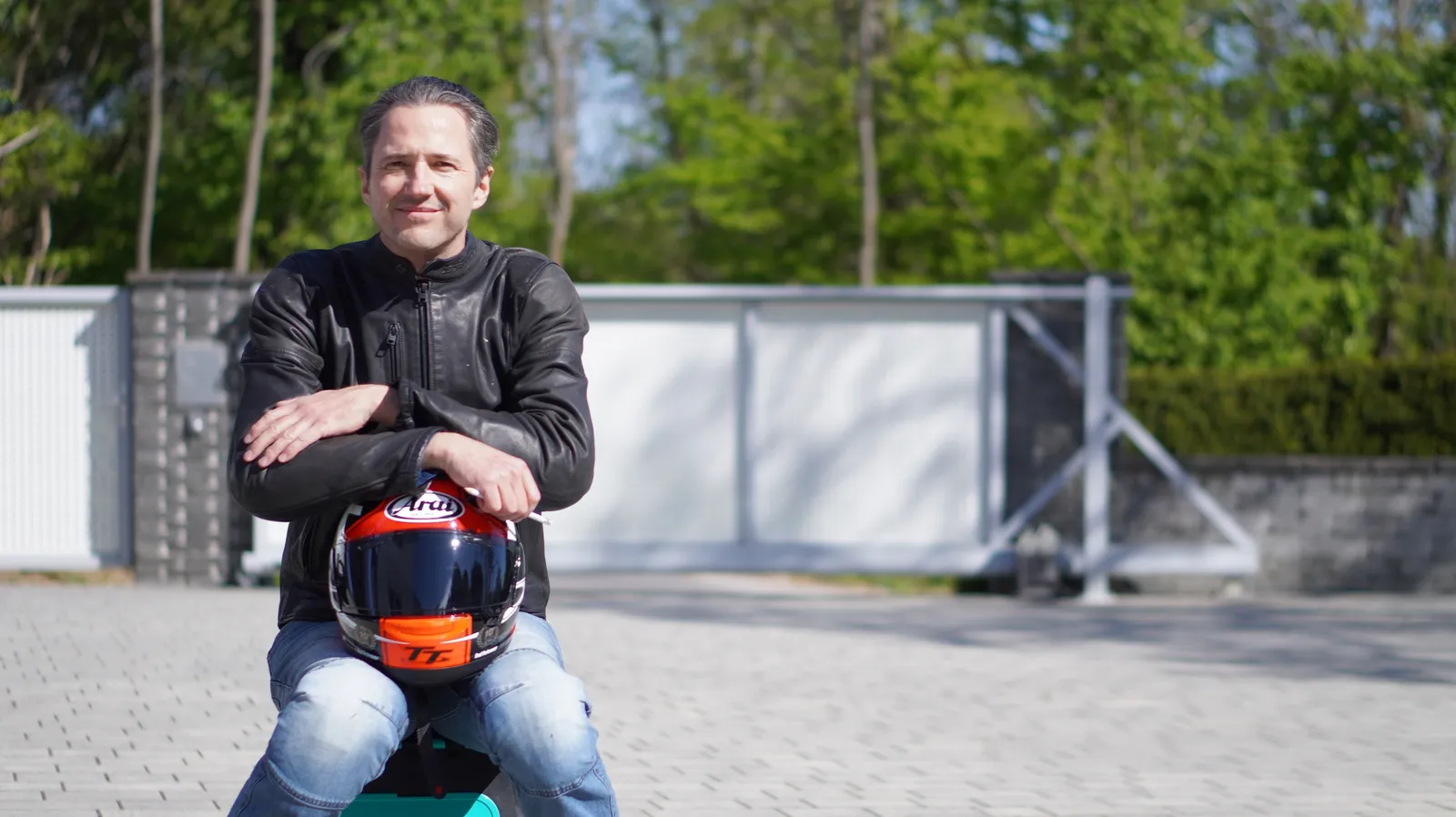
The Voice of Experience
What actually separates them
- The SV650 has the lower seat: 30.9 in (785 mm) vs 32.9 in (835 mm).
- The XSR700 has the lower wet weight: 410 lb (186 kg) vs 434 lb (197 kg).
- The XSR700 makes more peak torque: 50 lb-ft (68 Nm) vs 47 lb-ft (64 Nm).
Which one for the way you ride
Comfortable long-distance riding
Both fall short
Neither one is built for long-haul comfort. For big miles, look at a proper tourer or sport tourer.
For commuting and a first bike, you won't find daylight between them. Let the test ride settle it.
Who each one is built for
What's good, and what you'll live with
SV650
Strengths
- Brakes hold up well on the circuit
- Low seat makes it friendly for newer riders
- Narrow bars suit traffic fine
- Track-day grin machine despite modest output
- Characterful and Refined V-Twin Engine
Trade-offs
- Chassis feels a bit mushy at track pace
- Exhaust cover touches down early
- Gets passed on track, power is the limit
- Basic Suspension Limits Sporting Pretensions
XSR700
What owners say
Strengths
- Lively, characterful CP2 engine
- Comfortable, upright riding position
- Lightweight and agile handling
- Distinctive retro styling
Known problems to check before you buy
SV650
- Front spark plug well corrosion Water running off the front cylinder head can block the drain hole and corrode the front spark plug/coil, especially after riding in rain. Fitting a longer front mudguard helps.
XSR700
No confirmed faults on file yet. That's not the same as fault-free.
What they share
- Cooling
- Liquid-cooled
- Gearbox
- 6-speed
- Final drive
- Chain
- Fork
- Telescopic
- Front tire
- 120/70-17
Where the spec sheets split
| SV650 | XSR700 | |
|---|---|---|
| Seat height | 30.9 in (785 mm) | 32.9 in (835 mm) |
| Wet weight | 434 lb (197 kg) | 410 lb (186 kg) |
| SV650 | XSR700 | |
|---|---|---|
| Displacement | 645 cc | 689 cc |
| Engine | 90° V-twin | Parallel twin |
| Power | 76 hp (56 kW) | 73 hp (54 kW) |
| Peak power at | 8,500 rpm | 8,750 rpm |
| Torque | 47 lb-ft (64 Nm) | 50 lb-ft (68 Nm) |
| Peak torque at | 8,100 rpm | 6,500 rpm |
| SV650 | XSR700 | |
|---|---|---|
| Fuel capacity | 3.8 US gal (14.5 L) | 3.7 US gal (14 L) |
| SV650 | XSR700 | |
|---|---|---|
| Front brake | 290 mm | 298 mm |
| Rear tire | 160/60-17 | 180/55-17 |
| Wheelbase | 56.9 in (1445 mm) | 55.3 in (1405 mm) |
What comes fitted, what costs extra
| SV650 | XSR700 | |
|---|---|---|
| ABS | Option | Standard |
| Heated Grips | Not offered | Option |
| LED Headlight | Not offered | Standard |
Head to head, area by area
Both bikes on the same scale, one area at a time.