By NastyNils·
Motorcycle comparison · Naked Bike
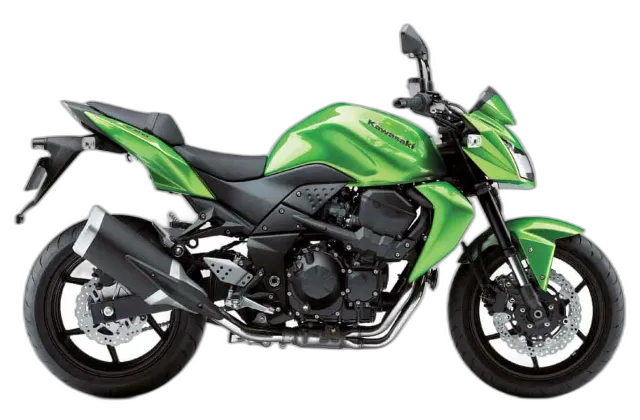
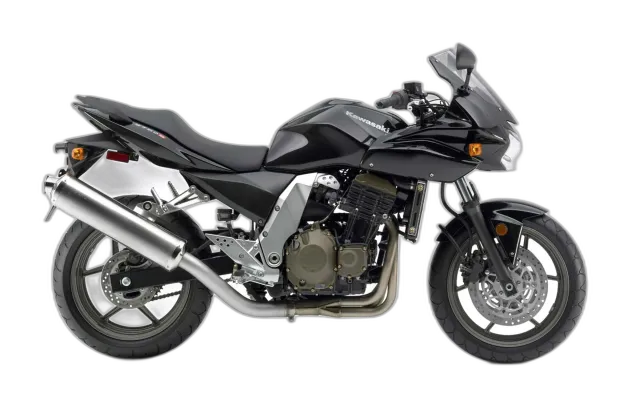
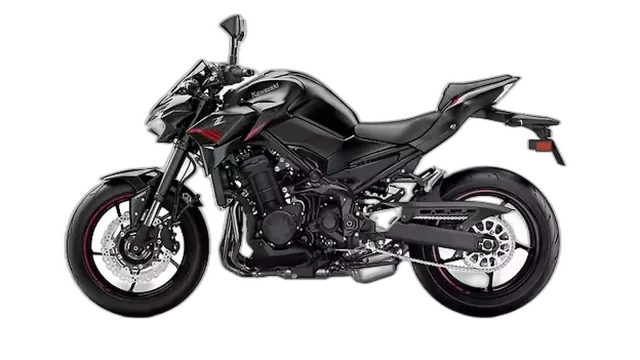
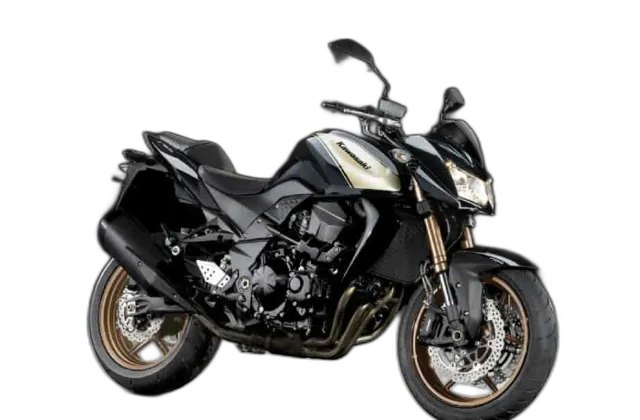
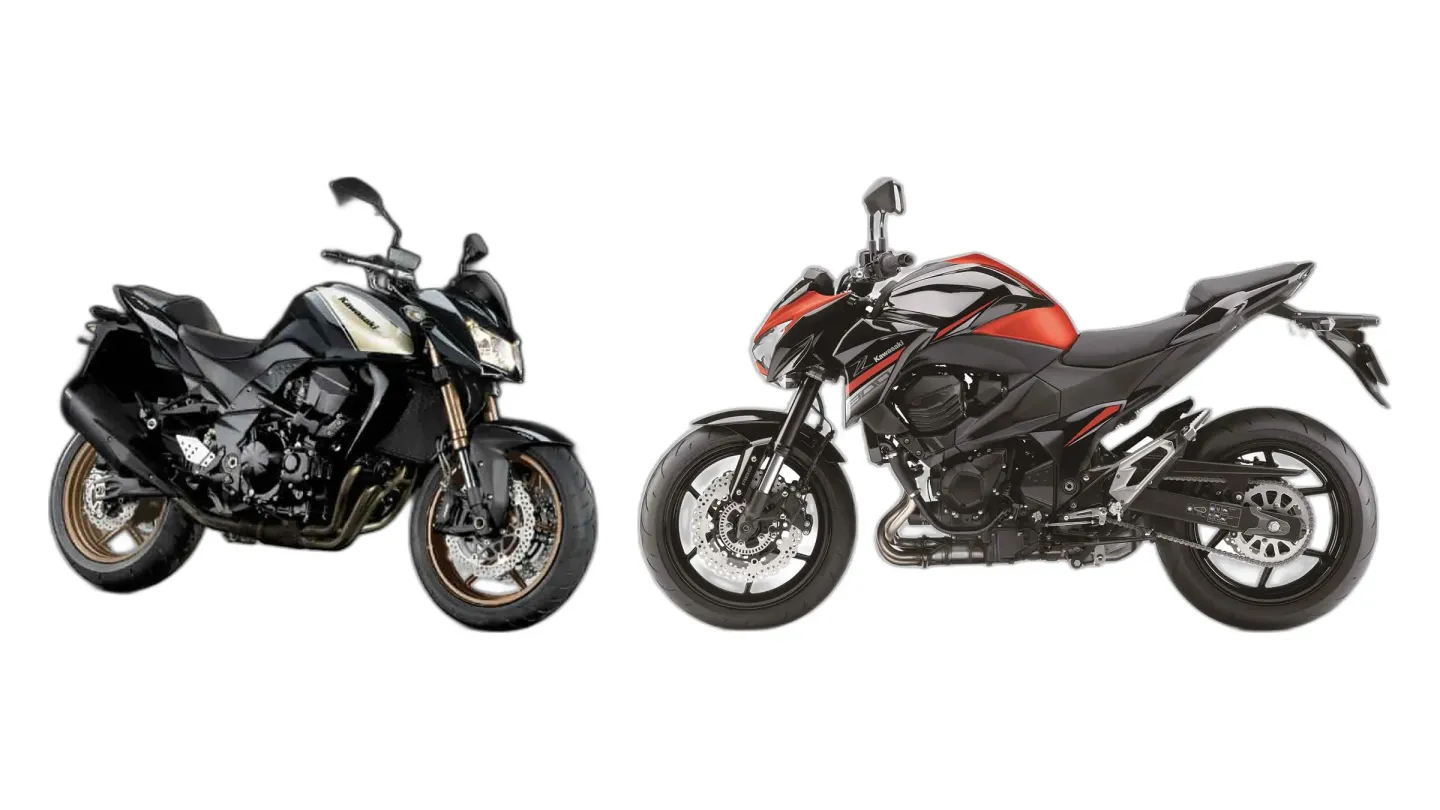
Kawasaki Z 750R (Z750R-MY2011) vs Z 800 (ZR A)
Kawasaki Z 750R vs Z 800: no fairing, no excuses. Here's how to pick.
You'll place the Kawasaki Z 750R in a corner and it goes exactly where you put it, without a wrestle. The Kawasaki Z 800 makes you feel its heft as you flick it from one side to the other. Once it's leaned over, it hides that mass well.
So which one do you buy?
The Z 750R has the edge if…
Daily commuting & city riding
Small edge: Z 750R
For the Monday-to-Friday grind, the Z 750R pulls a nose in front. Thank simpler maintenance for that. Your own commute could easily flip it.
The Z 800 has the edge if…
Traveling with luggage
Nose ahead: Z 800
For trips with luggage, the Z 800 nudges ahead. Not by much.
Sporty riding on twisty roads
Inches ahead: Z 800
Back-road fun leans slightly toward the Z 800. It's down to better suspension and more feel through the bars. It's a narrow call, so trust your test ride.
What makes each one tick
Z 750R
The Z 750R's inline-four answers clean off a closed throttle, and there's no surge or stumble to unsettle the chassis halfway through a bend. At corner entry, the front tucks in where you aim it. Long sessions don't soften the stock fork and shock. The four pulls without strain.
Nils rode the Z 750R in Slovakia in 2011, and in Hungary in 2012 (NastyNils Testride).
Z 800
The Z 800's bored-out four pulls eagerly from low revs, and there's no step in the power as the needle climbs. Broken pavement doesn't rattle it: the KYB fork and shock soak up the hits and keep the chassis settled. Wide bars set a neutral, slightly forward stance you'll hold for a full day. The four howls to its peak.
The Voice of Experience

What actually separates them
- The Z 750R has the lower wet weight: 494 lb (224 kg) vs 505 lb (229 kg).
- The Z 800 makes more peak power: 113 hp (83 kW) vs 106 hp (78 kW).
- The Z 800 makes more peak torque: 61 lb-ft (83 Nm) vs 58 lb-ft (78 Nm).
Which one for the way you ride
Comfortable long-distance riding
Both fall short
Long-haul comfort is a weak spot for both. If you tour, shop with that in mind.
A confidence-building first motorcycle
Not built for this
For a brand-new rider, both are the wrong place to start. Learn the basics on a smaller bike first.
Who each one is built for
What's good, and what you'll live with
Z 750R
From Nils' own saddle time
Strengths
- Clean, unstrained power delivery
- Metered torque through sweepers
- Stock suspension goes the distance
- Planted at highway speed
- Brakes shrug off hard use
Trade-offs
- Stock exhaust mutes the top end
- Hard parts touch down early
- Runs out of lean angle
- Fueling wants finishing
Z 800
What owners say
Strengths
- Surprisingly refined ride quality
- Comfortable, all-day ergonomics
Trade-offs
- Heavy weight dulls agility
- Intrusive engine vibrations at highway speed
- Lack of wind protection
- No gear indicator and basic dash
What they share
- Engine
- Inline-four
- Cooling
- Liquid-cooled
- Gearbox
- 6-speed
- Final drive
- Chain
- Fork
- Upside-down (USD)
- Front tire
- 120/70-17
- Rear tire
- 180/55-17
Where the spec sheets split
| Z 750R | Z 800 | |
|---|---|---|
| Seat height | 32.5 in (825 mm) | 32.8 in (834 mm) |
| Wet weight | 494 lb (224 kg) | 505 lb (229 kg) |
| Z 750R | Z 800 | |
|---|---|---|
| Displacement | 748 cc | 806 cc |
| Power | 106 hp (78 kW) | 113 hp (83 kW) |
| Peak power at | 10,500 rpm | 10,200 rpm |
| Torque | 58 lb-ft (78 Nm) | 61 lb-ft (83 Nm) |
| Peak torque at | 8,300 rpm | 8,000 rpm |
| Top speed | 137 mph (220 km/h) | 145 mph (233 km/h) |
| Z 750R | Z 800 | |
|---|---|---|
| Fuel capacity | 4.9 US gal (18.5 L) | 4.5 US gal (17 L) |
| Z 750R | Z 800 | |
|---|---|---|
| Front brake | 300 mm | 310 mm |
Head to head, area by area
Both bikes on the same scale, one area at a time.