By NastyNils·
Motorcycle comparison · Naked Bike
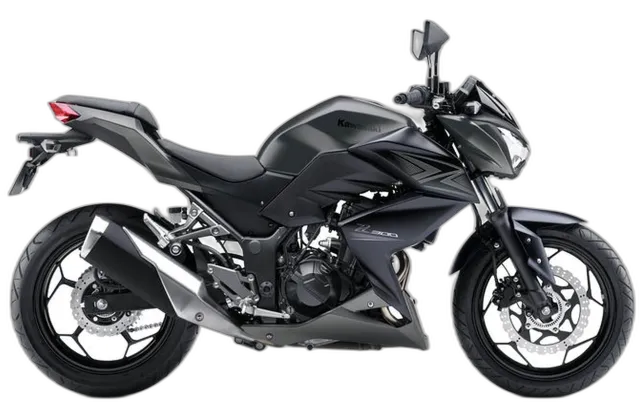
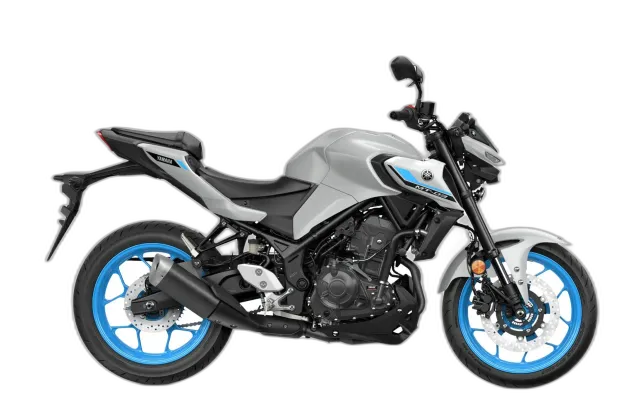
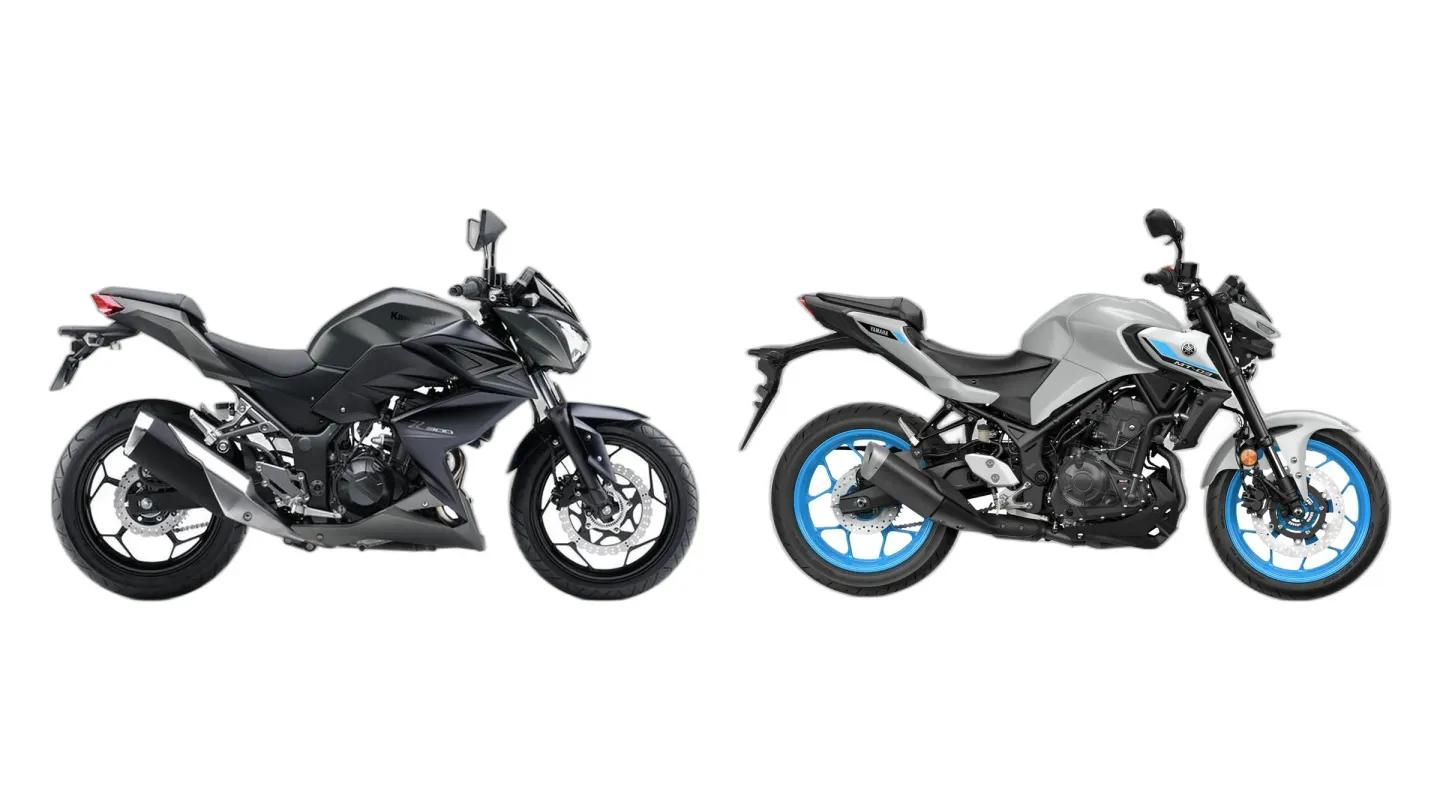
Kawasaki Z 300 (MY2015) vs Yamaha MT-03 (RH07)
Kawasaki Z 300 vs Yamaha MT-03: which one's easier to live with every day.
Roll on the Kawasaki Z 300 at lazy engine speeds and it doesn't pull until the needle swings high. The Yamaha MT-03 pulls smoothly off the bottom like a single. Higher up, it's rushing for the redline like a four.
What makes each one tick
Z 300
Its twin doesn't wake up in the lower half of the rev range. You'll stir the shifter constantly. Its featherlight clutch lever eases every gear change.
MT-03
You'll sit upright on the MT-03's low seat, and a full commuting day passes without complaint. The soft fork dives under braking. Corner entry asks little of the bars, which turn in neutrally and don't fight you. The diamond frame stays settled through slower bends.
The Voice of Experience
What actually separates them
- The MT-03 makes more peak power: 42 hp (31 kW) vs 39 hp (29 kW).
- The MT-03 makes more peak torque: 22 lb-ft (29 Nm) vs 20 lb-ft (27 Nm).
- The MT-03 has the larger engine: 321 cc vs 296 cc.
Which one for the way you ride
Comfortable long-distance riding
Look elsewhere
Neither of these is a mile-muncher. If big days are the plan, keep looking.
Traveling with luggage
Not built for this
If touring with luggage is the plan, keep looking. Neither one was built around it.
Call it even on commuting, twisty roads, and a first bike. Choose on fit, price and the one that makes you grin.
Who each one is built for
What's good, and what you'll live with
Z 300
What owners say
Strengths
- Agile and fun handling in the urban jungle
- Legendary reliability on a proven platform
Trade-offs
- Peaky power delivery demands high revs
MT-03
What owners say
Strengths
- Rev-happy parallel twin with dual character
- Comfortable ergonomics with low seat
- Light, agile handling for urban fun
Trade-offs
- Budget component feel
- Limited highway performance
- Soft suspension setup
Known problems to check before you buy
Z 300
No confirmed faults on file yet. That's not the same as fault-free.
MT-03
- Radiator leaks The factory radiator can develop leaks due to manufacturing defects, leading to coolant loss.
What they share
- Engine
- Parallel twin
- Cooling
- Liquid-cooled
- Gearbox
- 6-speed
- Final drive
- Chain
- Fork
- Telescopic
- Front tire
- 110/70-17
- Rear tire
- 140/70-17
Where the spec sheets split
| Z 300 | MT-03 | |
|---|---|---|
| Seat height | 30.9 in (785 mm) | 30.7 in (780 mm) |
| Wet weight | 375 lb (170 kg) | 370 lb (168 kg) |
| Z 300 | MT-03 | |
|---|---|---|
| Displacement | 296 cc | 321 cc |
| Power | 39 hp (29 kW) | 42 hp (31 kW) |
| Peak power at | 11,000 rpm | 10,750 rpm |
| Torque | 20 lb-ft (27 Nm) | 22 lb-ft (29 Nm) |
| Peak torque at | 10,000 rpm | 9,000 rpm |
| Z 300 | MT-03 | |
|---|---|---|
| Fuel capacity | 4.5 US gal (17 L) | 3.7 US gal (14 L) |
What comes fitted, what costs extra
| Z 300 | MT-03 | |
|---|---|---|
| ABS | Standard (from 2016) | Standard |
| Slipper Clutch | Standard | Not offered |
Head to head, area by area
Both bikes on the same scale, one area at a time.