By NastyNils·
Motorcycle comparison · Naked Bike
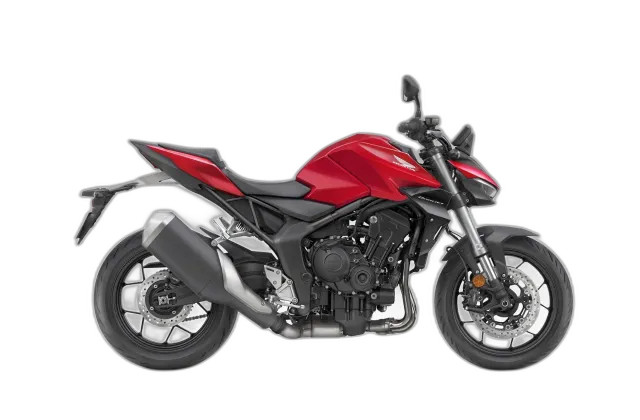
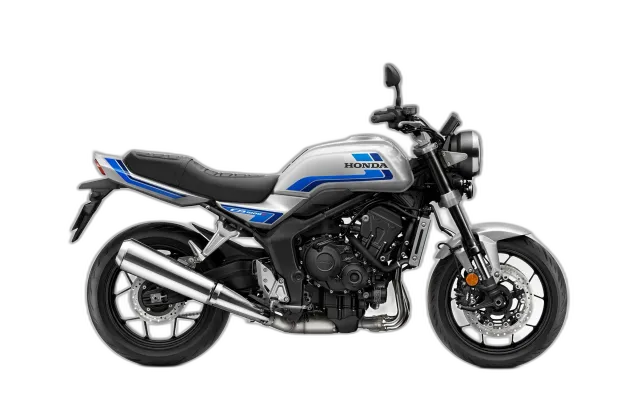
Honda CB1000 Hornet (SC86) vs CB1000F (MY2026)
Honda CB1000 Hornet vs CB1000F: which one's easier to live with every day.
You'll hit a broken patch of pavement, and the Honda CB1000 Hornet's short wheelbase keeps it steady. The Honda CB1000F's supple Showa suspension soaks the hit up.
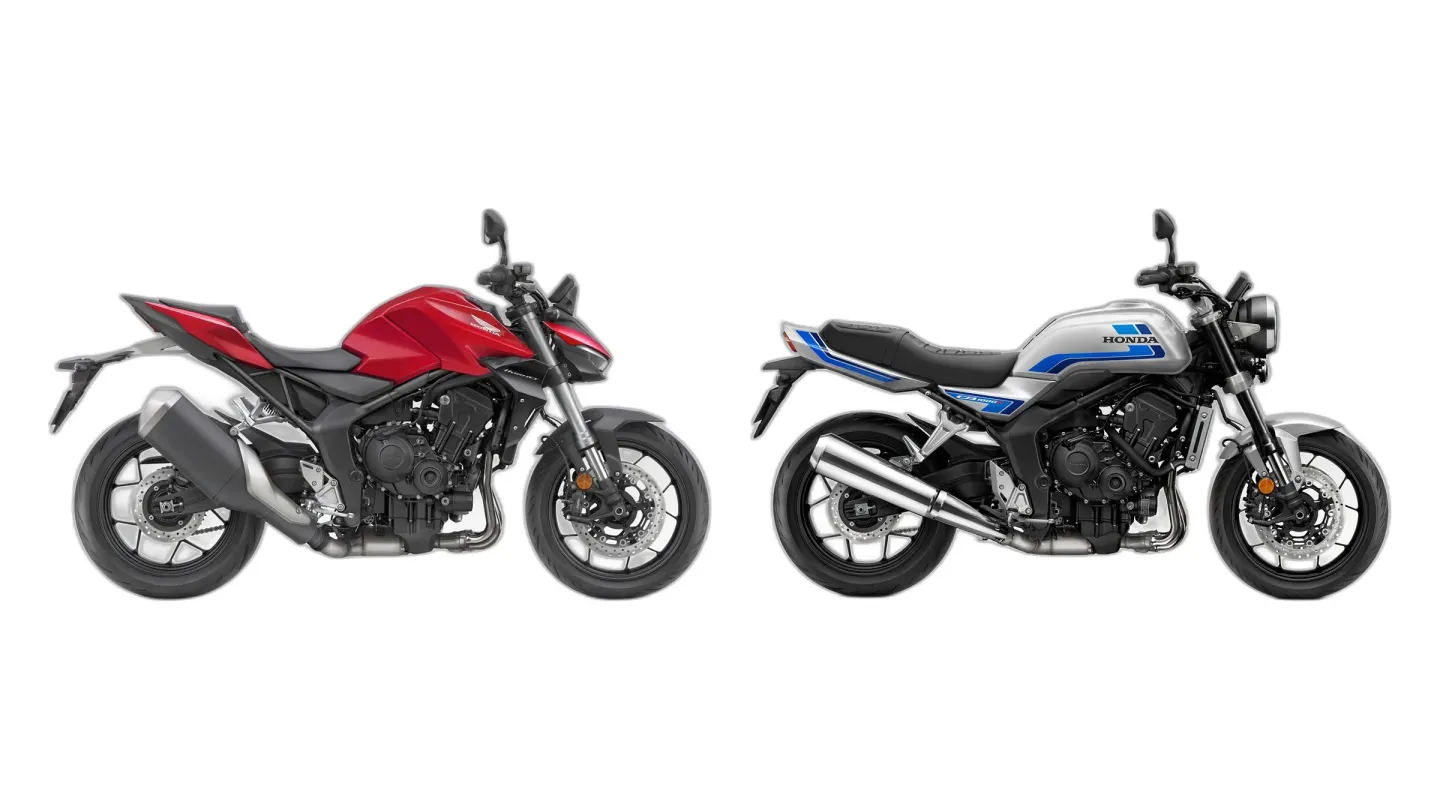
So which one do you buy?
The CB1000 Hornet has the edge if…
Sporty riding on twisty roads
Slight edge: CB1000 Hornet
The CB1000 Hornet nudges ahead once the pavement starts to wiggle. Don't expect a night-and-day difference.
What makes each one tick
CB1000 Hornet
There's clean pull from low revs in the Hornet's Fireblade-derived inline-four, and it keeps screaming to the redline. The narrow 180 rear tire and rigid twin-spar steel frame shape corner entry: the bike flicks in quickly and holds its line once it's leaned over. Around town it doesn't fight you. Its clutch lever pulls light at walking pace.
CB1000F
The CB1000F rides on a steel frame that holds a stable line through a bend, and its relaxed riding position keeps public-road miles comfortable. Under braking, the frame stays settled. There's real shove from the retuned inline-four once the revs reach the middle of the range. The intake howls an off-beat note.
The Voice of Experience

What actually separates them
- The CB1000F has the lower seat: 31.3 in (795 mm) vs 31.9 in (809 mm).
- The CB1000 Hornet makes more peak power: 152 hp (112 kW) vs 122 hp (90 kW).
- The CB1000 Hornet has the larger fuel tank: 4.5 US gal (17 L) vs 4.2 US gal (15.9 L).
Which one for the way you ride
Comfortable long-distance riding
Both fall short
Hours in the saddle won't flatter either of these. They're happier on shorter runs.
A confidence-building first motorcycle
Not built for this
A first bike should forgive mistakes, and these two don't do that well enough. Come back to them later.
Count commuting and running costs as a draw. The deal on the table and the condition of the bike matter more here.
Who each one is built for
What's good, and what you'll live with
CB1000 Hornet
What owners say
Strengths
- Powerful and flexible engine
- Premium componentry for the price
- Accessible and easy to ride
- Exceptional value for money
CB1000F
What owners say
Strengths
- Stunning neo-retro styling
- Exceptional value for money
Known problems to check before you buy
CB1000 Hornet
No confirmed faults on file yet. That's not the same as fault-free.
CB1000F
- Excessive oil consumption leading to engine damage The piston and top piston ring are poorly matched, leaving too much clearance between them. Repeated hard engine braking from high revs draws engine oil past the ring into the combustion chamber, where it burns off. The oil level drops noticeably between services, and if this goes unnoticed the resulting poor lubrication causes abnormal engine noise and can end in engine damage. Early-production bikes are affected.
What they share
- Displacement
- 1000 cc
- Engine
- Inline-four
- Cooling
- Liquid-cooled
- Gearbox
- 6-speed
- Final drive
- Chain
- Fork
- Upside-down (USD)
- Front tire
- 120/70-17
- Rear tire
- 180/55-17
Where the spec sheets split
| CB1000 Hornet | CB1000F | |
|---|---|---|
| Seat height | 31.9 in (809 mm) | 31.3 in (795 mm) |
| Wet weight | 467 lb (212 kg) | 472 lb (214 kg) |
| CB1000 Hornet | CB1000F | |
|---|---|---|
| Power | 152 hp (112 kW) | 122 hp (90 kW) |
| Torque | 77 lb-ft (104 Nm) | 76 lb-ft (103 Nm) |
| CB1000 Hornet | CB1000F | |
|---|---|---|
| Fuel capacity | 4.5 US gal (17 L) | 4.2 US gal (15.9 L) |
Head to head, area by area
Both bikes on the same scale, one area at a time.