By NastyNils· ·
Motorcycle comparison · Naked Bike
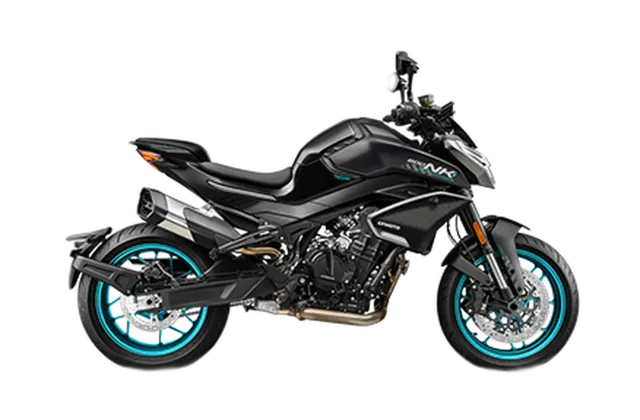
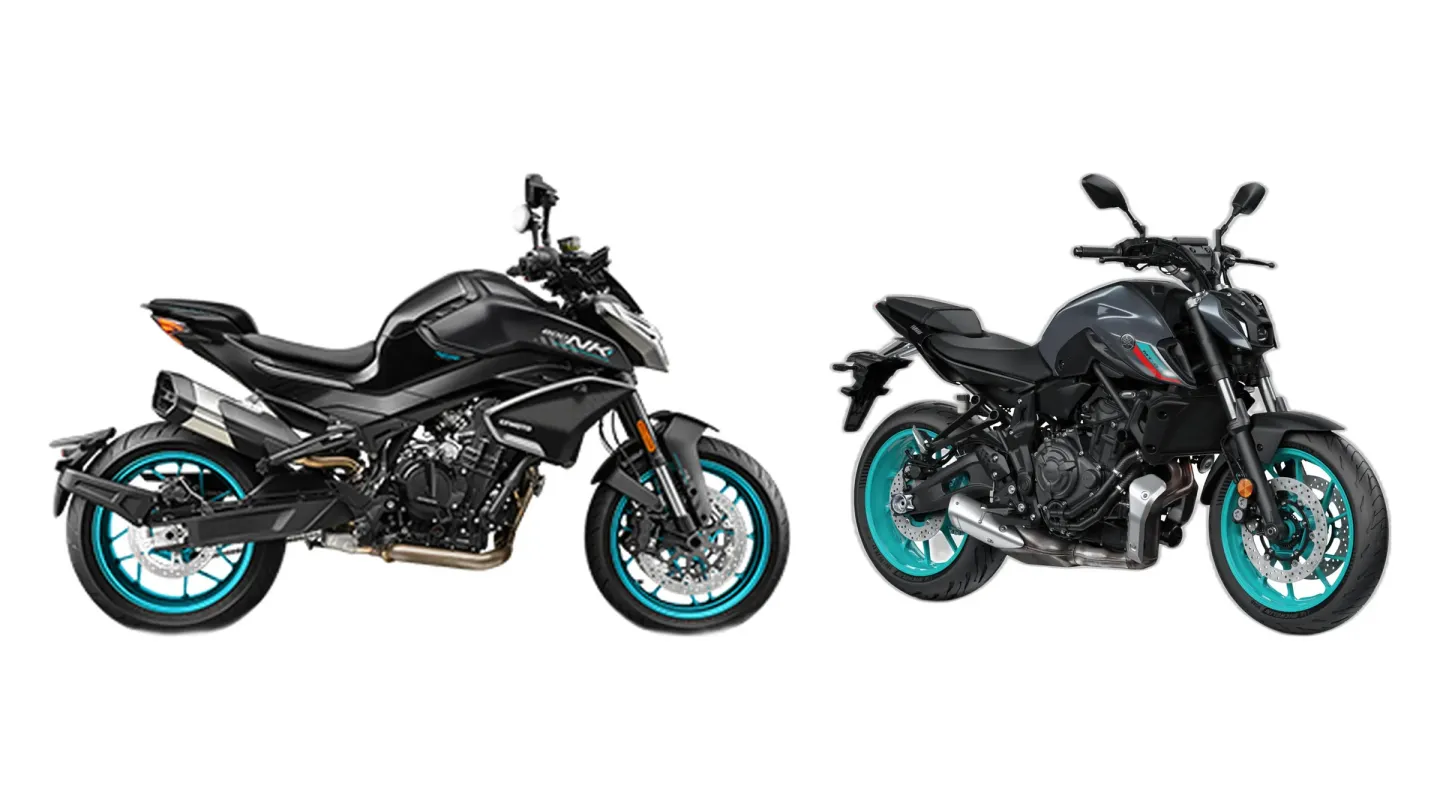
CFMOTO 800NK (MY2023) vs Yamaha MT-07 (RM33)
CFMOTO 800NK vs Yamaha MT-07: no fairing, no excuses. Here's how to pick.
You'll notice the CFMOTO 800NK's eagerness first: tip it in and it's darting toward the apex like a supermoto. The Yamaha MT-07's wider bar levers it in without stretching.
So which one do you buy?
The 800NK has the edge if…
Daily commuting & city riding
A touch ahead: 800NK
On the way to work, the 800NK asks a little less of you. Close enough that the test ride should settle it.
Sporty riding on twisty roads
Nose ahead: 800NK
On a winding road, the 800NK comes out a touch ahead. It's down to a sportier chassis and more feel through the bars. You wouldn't bet much on a gap like that.
The MT-07 has the edge if…
Keeping running costs low
Small edge: MT-07
For the money you spend after the purchase, the MT-07 nudges ahead. The gap is too small to plan a budget around.
What makes each one tick
800NK
Low revs already have the 800NK's twin pulling hard, and it keeps swelling into a rousing rush up top. There's an abrupt snatch at small throttle openings in town. The brake lever works a 320 mm front brake to haul the bike down from speed. The front end's itching to turn.
MT-07
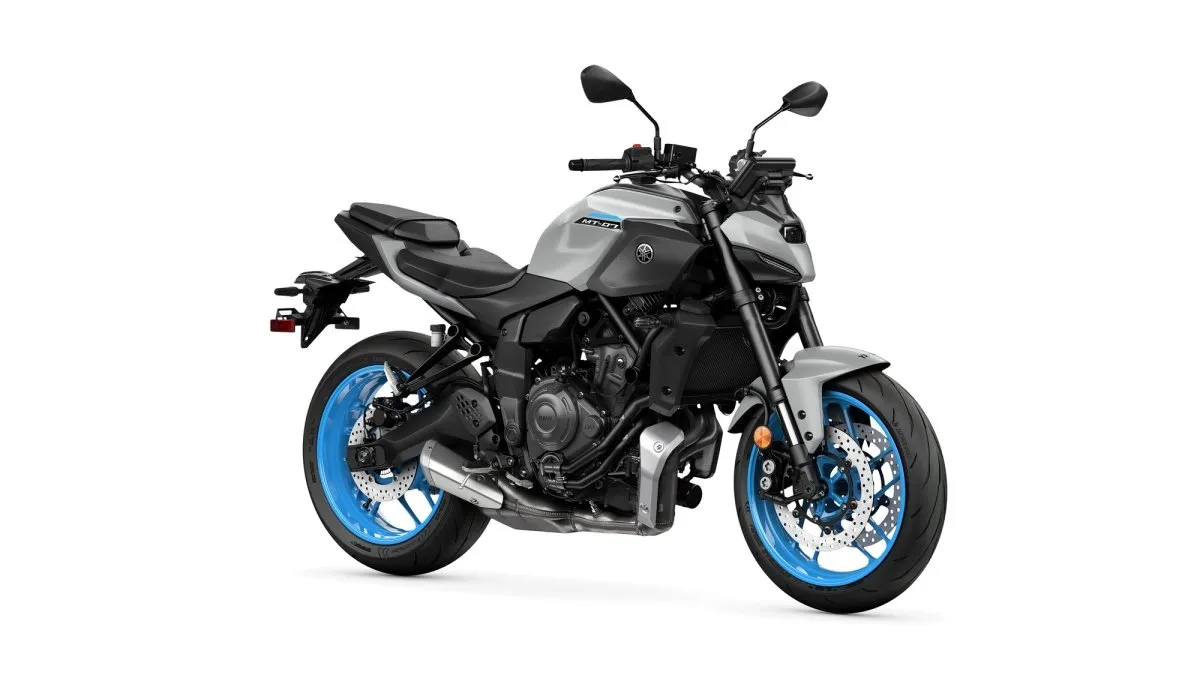
From low rpm the MT-07's twin pulls hard, then keeps climbing without a hiccup. Its clutch lever's light and feathers cleanly in stop-and-go traffic. Corner entry comes quick, and the chassis doesn't push wide once it's leaned over. Its right lever bites and modulates.
Nils rode the MT-07 in 2021, and in Austria in 2023 (NastyNils Testride).
The Voice of Experience

What actually separates them
- The 800NK makes more peak power: 99 hp (74 kW) vs 73 hp (54 kW).
- The 800NK makes more peak torque: 60 lb-ft (81 Nm) vs 49 lb-ft (67 Nm).
- The 800NK has the larger engine: 799 cc vs 689 cc.
Which one for the way you ride
Comfortable long-distance riding
Neither one fits
Neither of these is a mile-muncher. If big days are the plan, keep looking.
A confidence-building first motorcycle
Not built for it: 800NK
The 800NK isn't a first bike. Learn on something gentler and come back to it later.
Who each one is built for
What's good, and what you'll live with
800NK
What owners say
Strengths
- Excellent value for money
- Punchy, characterful parallel-twin engine
- Sharp, sporty handling
- High-quality fit and finish
- Awesome TFT display
Trade-offs
- Overly stiff suspension for lighter riders
- Snatchy low-speed throttle
- Uncomfortable seat and cramped ergonomics
- Wooden brakes lacking initial bite
MT-07
Strengths
- Engine With Real Character
- Begs You To Misbehave
- Flickable In Tight Turns
- Braking Is A Non-Issue
Trade-offs
- No Traction Control At All
- Fork Can't Be Adjusted
- Seat Quits After An Hour
- Rear Hops Under Engine Braking
- Build quality and surface finish
Known problems to check before you buy
800NK
No confirmed faults on file yet. That's not the same as fault-free.
MT-07
- Yamaha OEM accessory lower engine guard can impair rear brake pedal travel The Yamaha original accessory "lower engine protection" (crash bar/engine guard) can restrict rear brake pedal travel after installation, reducing braking effectiveness. Primarily affects motorcycles used in driving schools where the accessory is commonly fitted.
- Non-adjustable front fork too soft; instability at pace The stock front fork is a non-adjustable damper-rod design. It is too soft for spirited riding, causing front-end dive under braking, instability at higher speeds, and lack of composure on rough surfaces. The most commonly reported complaint across professional reviews and owner forums. Aftermarket solutions (progressive springs, cartridge kits) are widely recommended.
- Stock seat causes discomfort beyond 60–90 minutes The stock rider seat is too firm and flat for rides exceeding approximately one hour. The pillion seat is small and inadequate. This significantly limits touring usability. Aftermarket comfort seats, gel pads, or sheepskin covers are common remedies.
- Front LED turn signals loosen from vibration The front indicator/turn signal lights can work loose from vibration or minor impacts. The rubber mounting piece can cave into the signal socket. Left side more commonly affected. Requires periodic retightening.
- Noticeable vibration through handlebars and footpegs at sustained highway rpm The CP2 parallel twin produces vibrations that are transmitted through handlebars and footpegs, particularly at sustained cruising speeds around 6,000 rpm. Causes numbness in hands and feet on longer rides. Mirrors become blurry/unusable at higher speeds. Inherent engine characteristic of the parallel-twin layout. Bar-end weights and rubber-mounted mirrors are common aftermarket remedies.
What they share
- Engine
- Parallel twin
- Cooling
- Liquid-cooled
- Gearbox
- 6-speed
- Front tire
- 120/70-17
- Rear tire
- 180/55-17
Where the spec sheets split
| 800NK | MT-07 | |
|---|---|---|
| Seat height | 31.3 in (795 mm) | 31.7 in (805 mm) |
| Wet weight | 410 lb (186 kg) | 406 lb (184 kg) |
| 800NK | MT-07 | |
|---|---|---|
| Displacement | 799 cc | 689 cc |
| Power | 99 hp (74 kW) | 73 hp (54 kW) |
| Torque | 60 lb-ft (81 Nm) | 49 lb-ft (67 Nm) |
| 800NK | MT-07 | |
|---|---|---|
| Fuel economy | 47 mpg (US) / 5 L/100 km | 58 mpg (US) / 4.06 L/100 km |
| Fuel capacity | 4.0 US gal (15 L) | 3.7 US gal (14 L) |
| 800NK | MT-07 | |
|---|---|---|
| Fork | Upside-down (USD) | Telescopic |
| Front brake | 320 mm | 298 mm |
| Wheelbase | 57.7 in (1465 mm) | 55.1 in (1400 mm) |
What comes fitted, what costs extra
| 800NK | MT-07 | |
|---|---|---|
| Ride Modes | Standard | Not offered |
| Manually Adjustable Front Suspension | Standard | Not offered |
| Quickshifter | Standard | Not offered |
| Slipper Clutch | Standard | Not offered |
| TFT Display | Standard | Standard (from 2023) |
| Smartphone Connectivity | Standard | Standard (from 2023) |
Head to head, area by area
Both bikes on the same scale, one area at a time.