
KTM 790 Duke (MY2023) — Naked Bike
KTM Press

2023–2024 · Naked Bike · Buyer's Guide

790 Duke (MY2023)

The Scalpel That Bites Back

The Machine's Character

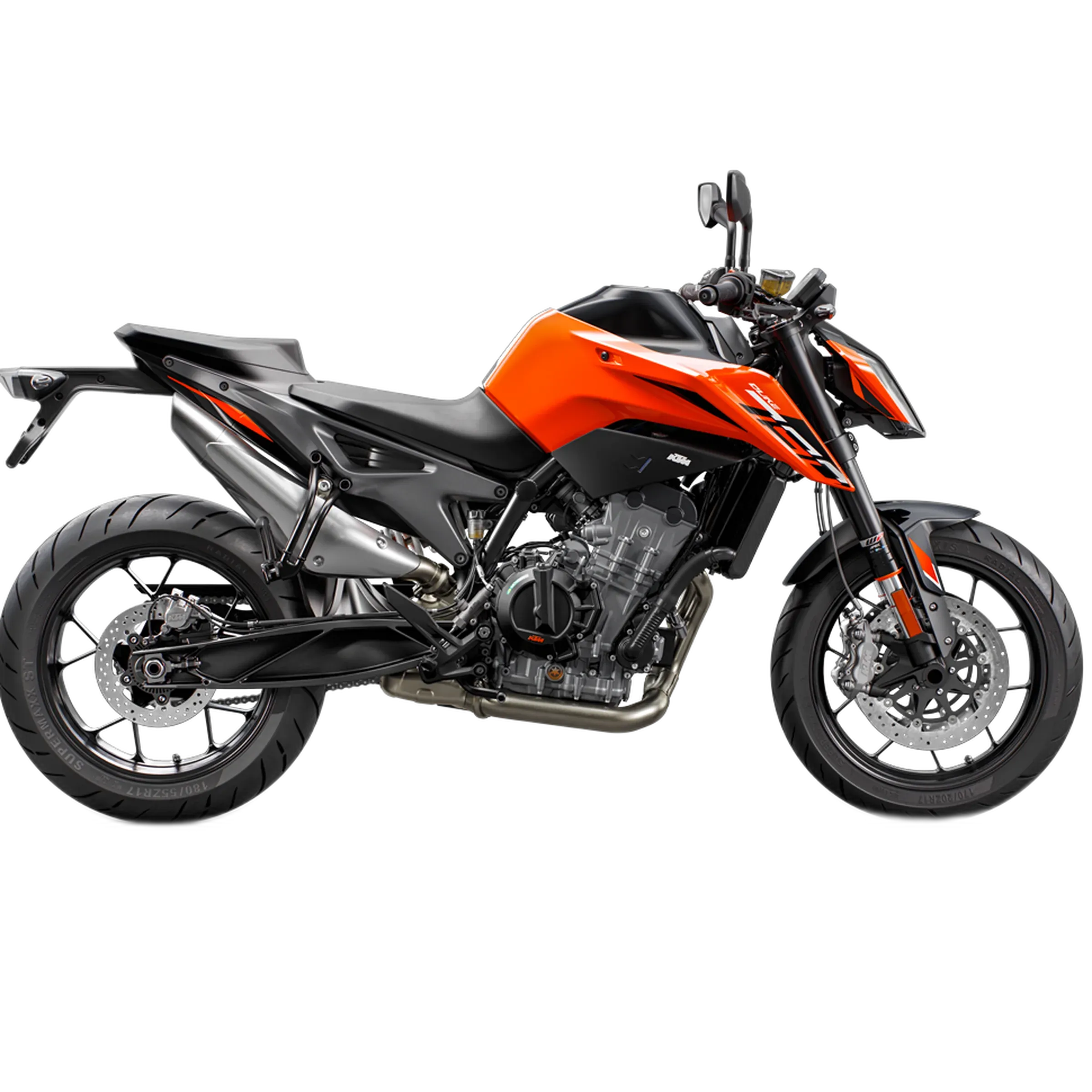
The 790 Duke builds its whole identity around the LC8c parallel twin: 799 cc, 95 hp, 64 lb-ft, all of it carried in a chassis that weighs 414 lb wet. That is a genuinely light naked bike, and the weight budget was spent where it shows. The wheelbase is short at 58.1 in, the lean clearance runs deep, and nothing about the package feels padded out. The rider aids are grown-up rather than showy. Cornering ABS, traction control and ride modes run off an IMU, with a TFT dash handling the display duties and a slipper clutch smoothing the downshifts.

The character shows up when you stop being polite with it. Ride it briskly and the bike gets tidier rather than looser, which makes it a natural fit for someone who spends weekends on the same set of good roads and still wants something manageable in Monday traffic. Two honest caveats belong on the table. The factory suspension is firm with almost nothing to adjust, so bad pavement stays bad. And the LC8c has a documented weakness for premature camshaft lobe wear, showing up as rising top-end noise and a slow loss of crispness. On a used example, check the service history and listen hard.

Hard Numbers

Spec sheets don't ride bikes, but they set the baseline.

Show full specs & equipment Hide specs & equipment
Key specifications
Power 95 hp (70 kW) @ 8,500 rpm
Torque 64 lb-ft (87 Nm) @ 8,000 rpm
Displacement 799 cc
Engine Parallel twin
Cooling Liquid-cooled
Gearbox 6-speed
Final drive Chain
Fork Upside-down (USD)
Front brake 300 mm
Front tire 120/70-17
Rear tire 180/55-17
Wheelbase 58.1 in (1475 mm)
Seat height 32.5 in (825 mm)
Wet weight 414 lb (188 kg)
Fuel capacity 3.7 gal (14 L)

Equipment check

Chassis

  • Rear Suspension Adjustable Standard

Connectivity

  • TFT Display Standard
  • Smartphone Connectivity Optional

Drivetrain

  • Quickshifter Optional
  • Slipper Clutch Standard

Lighting

  • LED Headlight Standard

Safety

  • ABS Standard
  • Traction Control Standard
  • Ride Modes Standard

The Voice of Experience

Portrait of NastyNils

The test ride

Swing a leg over and the 32.5 in seat feels tall, but the bike is narrow enough that it never turns into a stretch, and taller riders get a knee angle that stays open instead of folded. At 414 lb it moves under you like something smaller. Parking lot turns, filtering through stopped traffic, hauling it off the sidestand: none of that costs you anything. The gearbox is the tactile highlight, every shift landing with a short, machined click. Wind pressure builds early and stays honest, which is exactly the point of this shape of motorcycle, because it makes ordinary road speeds feel like an event. Two things break the spell. The seat goes soft on you, and the switchgear plastic feels cheap under your thumb in a way the rest of the bike never does.

Rated point by point — where it earns its keep

My own 0–100 score for this bike against the class, area by area — the marker on each bar is the class average.

Tight, linked bends are where this bike shows its hand. It changes direction with a lightness that doesn't match its size, and there's more lean angle available than the road ever asked me for. Traction control deserves credit too: the settings do something real, and the intervention stays subtle enough that drive off a corner survives it. My complaint is the suspension. Firm works fine at a quick pace, but with rear preload as the only lever, every rider and every surface gets the same answer.

Pick up the pace and the bike gets sharper instead of scruffier. Drive off every corner is strong, the chassis stays with me through whatever I ask of it, and the moment where I'd normally think about backing off never arrives. Holding a legal, sensible pace on it took more discipline than I'd like to admit. Read that as a compliment if you go out looking for exactly this, and as a warning if you already know your own habits.

The front brake does everything I want it to. Pressure translates straight into slowing, metering it out is easy, and it stays predictable when I carry brake deep into a corner rather than finishing everything upright. The back is another story. There's no defined bite point under my boot and not much retardation waiting at the end of the pedal travel, which feels undercooked given how hard this engine drives out of a turn.

What sold me is how honest the fueling stays. Closing the throttle partway through a bend produces nothing dramatic, so the chassis keeps doing its job while I sort out the exit. Ask for the top of the range and the twin answers with real intent instead of tapering off, and it feels most awake when I'm actually working it. The transmission backs that up with a heavy, precise action, and the optional quickshifter fires both ways without breaking the run.

Legroom is the win here. The seat height and knee angle give me a stance I can hold without folding myself up, which is rarer on a machine this compact than it should be. Two things chip away at it. The padding feels good early and then stops holding me up, so the second hour turns into a slow shuffle in the saddle. And the switch plastic under my thumb sits a grade below everything else on the bike.

There is nowhere to plug anything in. No USB, no accessory outlet, so a phone running navigation all day is on borrowed time from the moment you set off. On a short ride it never crosses my mind. On a long one it turns into something I'm actively managing. Sorting out your own power source is a cheap enough job, but it's a strange omission on a motorcycle otherwise put together to this standard.

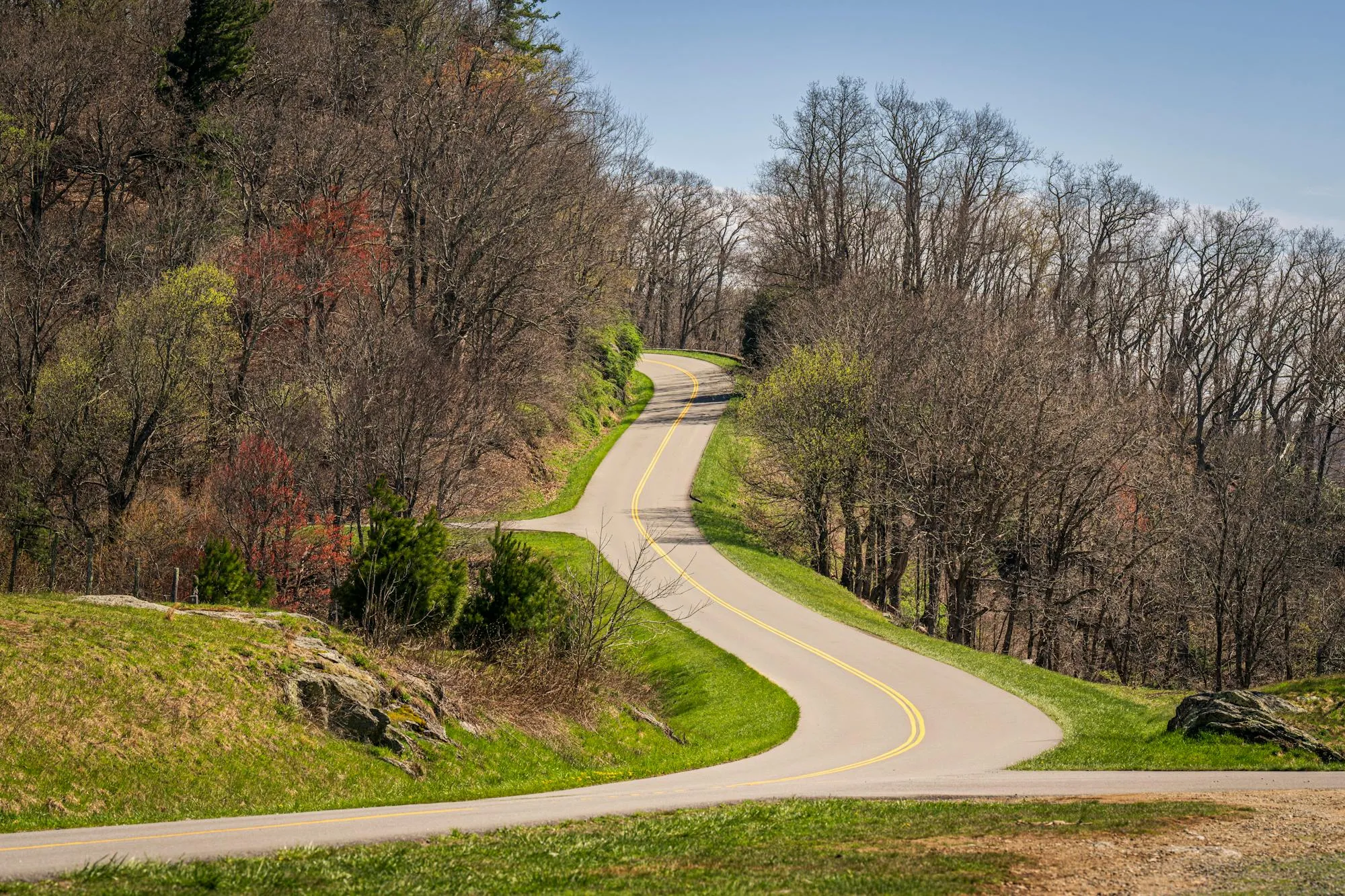
A winding asphalt road descending through the Appalachian Mountains, likely the famous Tail of the Dragon section in Tennessee and North Carolina. Multiple technical right-hand and left-hand curves are visible in this aerial perspective, surrounded by deciduous forest in spring foliage. Clear sunny conditions, well-maintained asphalt with yellow center lines marking the curves.
Mark Stebnicki / Pexels

The Truth on the Street

This part of the guide isn't my testing. It's what I've picked up over years of listening: conversations in the paddock, owners swapping notes at club nights, and the messages riders send me once a bike has lived with them a while. On the 790 Duke the chatter lands in a fairly tight pattern. Riders talk about how it moves and what it cost them, then circle back to a handful of mechanical rough edges.

What owners keep coming back to

Handling comes up first and most often. Riders describe a compact machine that turns in eagerly and feels lighter still the faster it goes. The engine draws the same enthusiasm, with owners pointing at the pull from low revs and the shove through the middle. Price sits right alongside both: people bring up the IMU-based rider aids and cornering ABS and what they paid to get them. A smaller group mentions the suspension on everyday roads, calling it cushy without going loose.

The rough edges riders name

The brakes head the complaint list. Owners agree the stopping power is there, but the first part of the lever travel feels soft rather than sharp. The gearbox gets nearly as much attention. Shifts land imprecisely, and enough riders find the optional quickshifter jerky that they go back to the clutch lever. A quieter thread reports a faint surge at small throttle openings down low that makes tidy town riding fussier than it should be.

Known issues

  • Premature camshaft lobe wear

    engine common

    A documented weakness of the LC8c parallel twin in which camshaft lobes wear far faster than the valvetrain's expected service life, showing up as growing top-end noise and a gradual loss of crispness well before major-service intervals would normally call for attention.

The Expert Benchmark

Where this KTM 790 Duke pulls ahead of — or falls behind — its rivals on the numbers, and the typical bike in its class on character.

What kind of bike this is — character vs. the class

This bike Class average

The shape of the KTM 790 Duke — numbers and character vs. the average Naked Bike

Head-to-head: KTM 790 Duke vs. its rivals

The 'Should I Buy It?' Score

Forget spec-sheet bragging. Here's who the 790 Duke is actually built for.

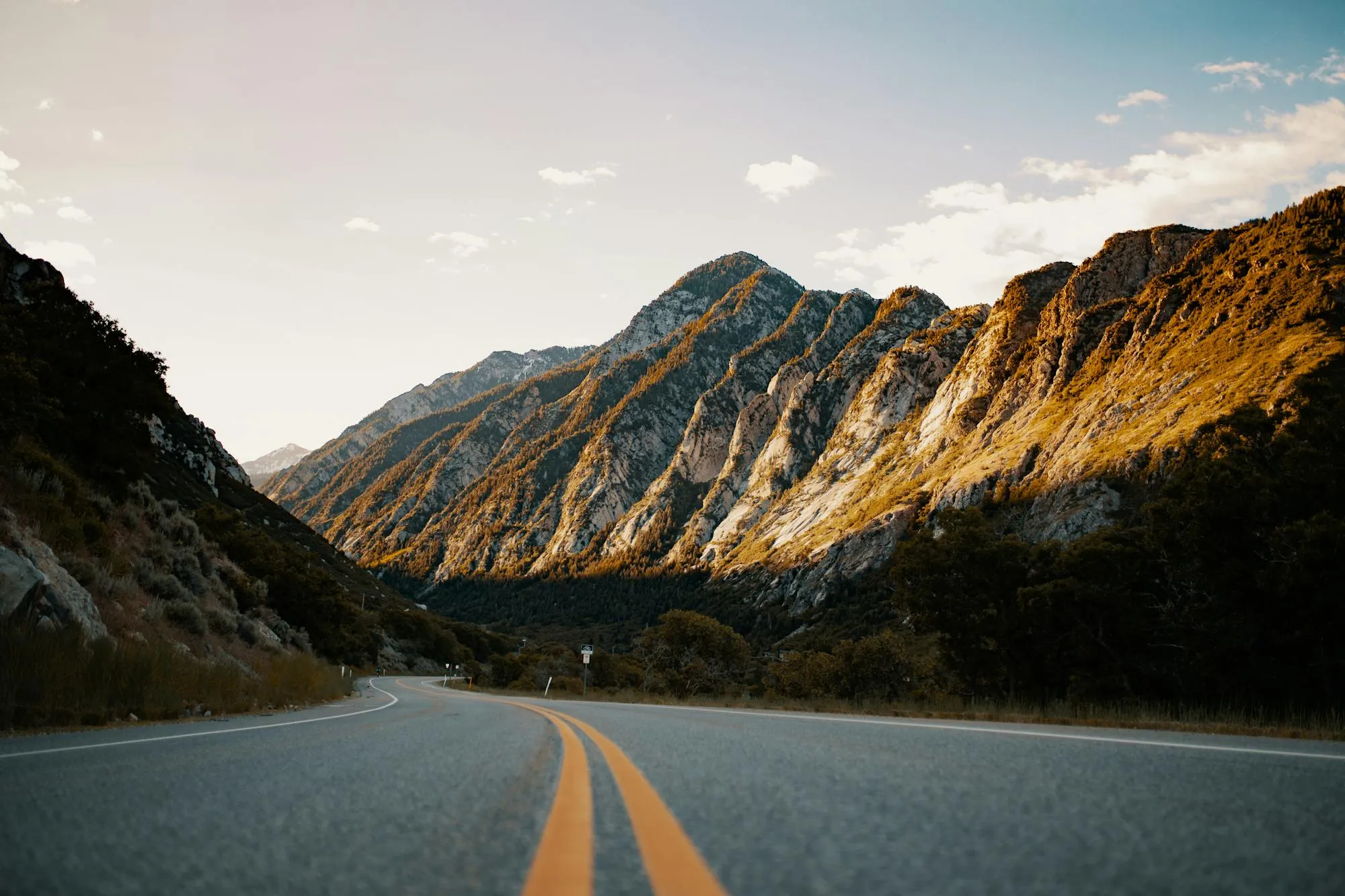
A scenic view of Angeles Crest Highway winding through rugged Southern California canyon terrain. Rocky mountainsides with golden earth tones frame the asphalt road with tight sweeping curves. Double yellow center line visible, sparse vegetation along the shoulders, clear blue sky with white clouds. Daylight, dry conditions. Iconic location for canyon-road enthusiasts.
Josh Sorenson / Pexels

Best motorcycle for Bay Area?

Skyline on Saturday, city traffic all week, and this bike handles both. It's light enough to be easy in town and sharp enough to be worth the ride out. Sorting your own phone power is the one chore.

Made for Bay Area Ridge Roads · San Francisco / Bay Area · Skyline Boulevard / Alice's Restaurant
Best motorcycle for Angeles Crest?

Canyon roads are where this one makes the most sense. It sharpens up the harder you push and clearance won't be your limit. Just accept that the stiff, barely adjustable setup leaves rough pavement rough.

Made for Angeles Crest Highway · Coronado Trail / US 191 · Highway 1 / Big Sur

Best motorcycle for Tail of the Dragon?

Tight, repeating corners suit it perfectly, and the light steering lets you work on your lines instead of wrestling the bike. The slab miles getting there are the weak part, because the seat fades.

Made for Back of the Dragon · Blue Ridge Parkway · Cherohala Skyway

Alternatives to the KTM 790 Duke

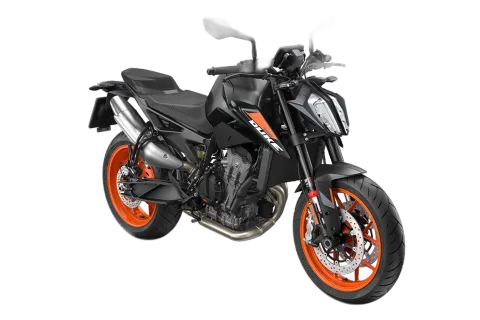
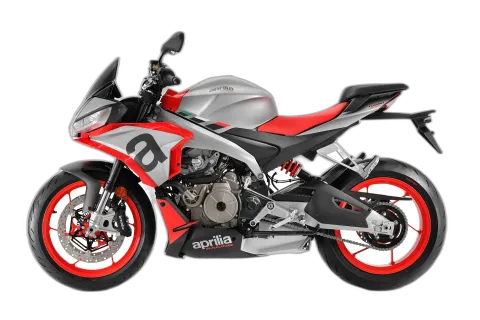
If this one isn't quite the fit, these are the bikes worth riding back-to-back against it.

Any price note compares both bikes at the same age — the youngest age both have on the used market — against this KTM 790 Duke. “cheaper/pricier” is what that bike costs second-hand, not how worn it is.