By NastyNils· ·
Motorcycle comparison · Naked Bike vs Adventure
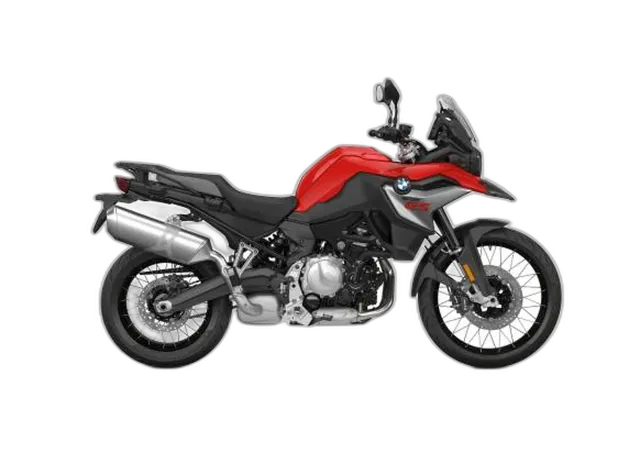
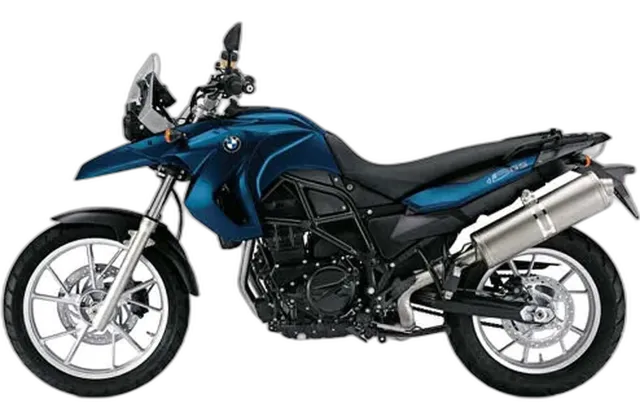
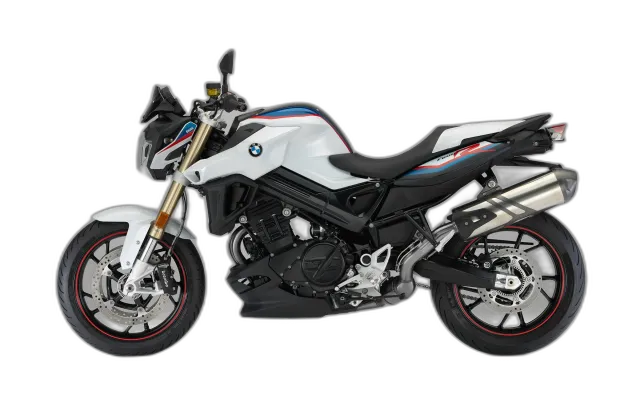
BMW F 800 R (K73-2) vs F 800 GS (K72)
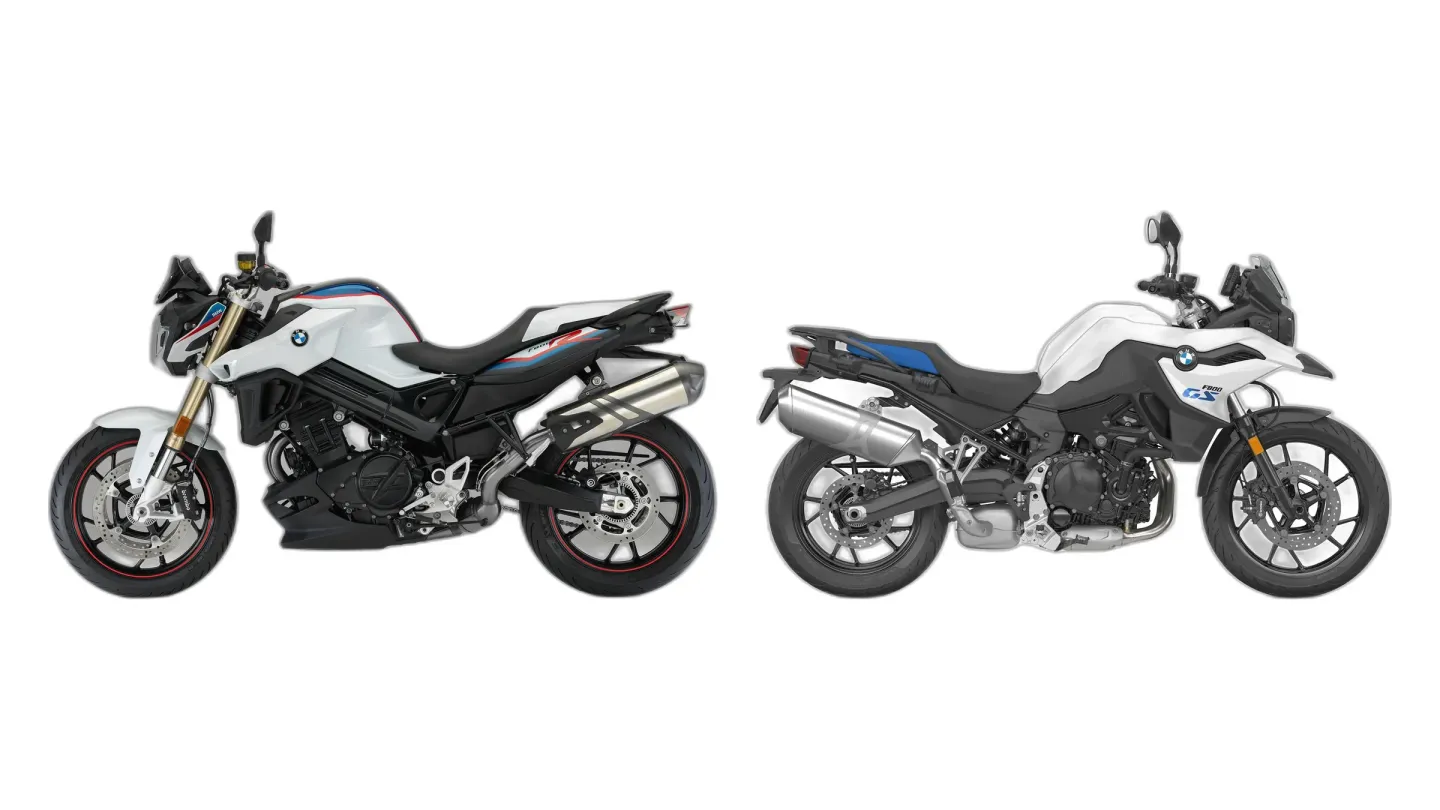
BMW F 800 R vs F 800 GS: different classes, one choice. Here's how to make it.
Switch the BMW F 800 R into Sport mode and it's steering clean, holding its line without the soft setting's vagueness. The BMW F 800 GS swallows broken pavement on long travel.
So which one do you buy?
The F 800 R has the edge if…
Daily commuting & city riding
Slight edge: F 800 R
On the way to work, the F 800 R asks a little less of you. Close enough that the test ride should settle it.
Sporty riding on twisty roads
Narrow edge: F 800 R
On a twisty road, the F 800 R edges ahead. It's down to stronger brakes. Not by enough to settle it alone.
What makes each one tick
F 800 R
The F 800 R's flat-sweep bar spreads wide and pulls your elbows up, and your weight's pitched toward the front wheel. Corner entry on the Angeles Crest Highway shows what the aluminum dual-beam frame can do. The nose drops in on command. The twin's still pulling as the revs climb.
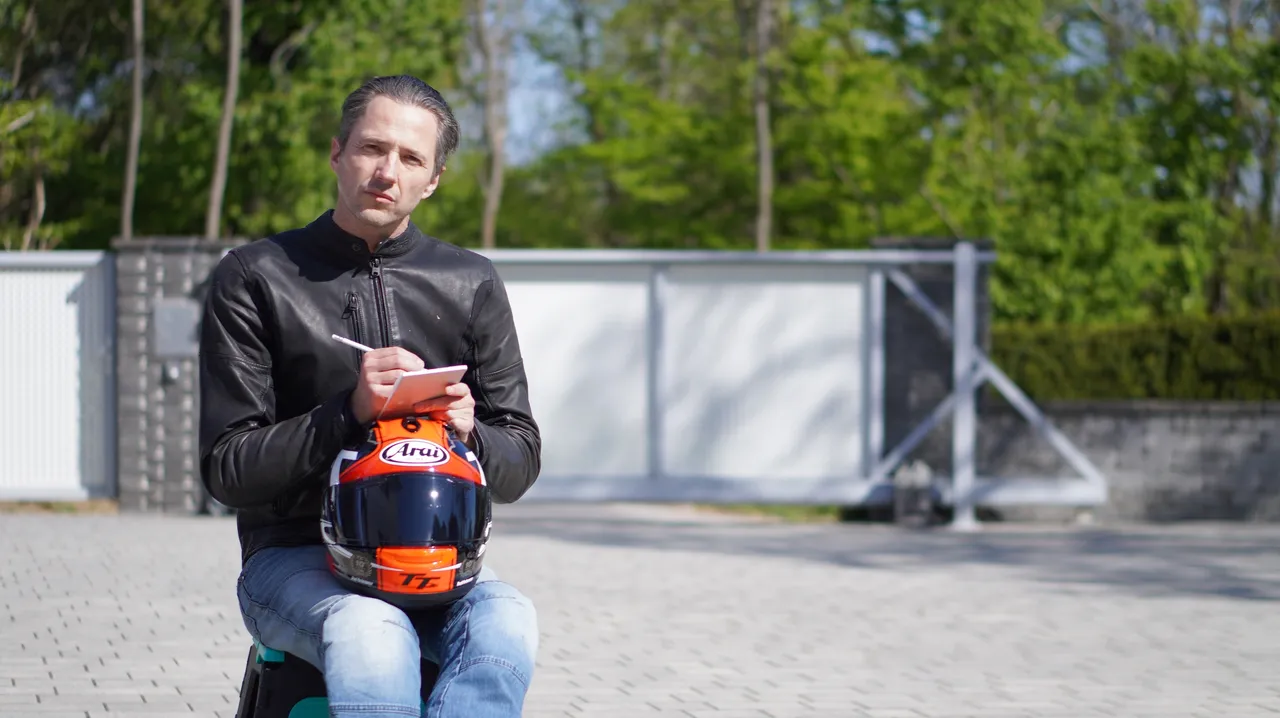
Nils rode the F 800 R in 2015 (NastyNils Testride).
F 800 GS
Mud doesn't get past the F 800 GS's cases, which keep the gear inside bone dry through a pressure wash. Fit, finish and feel of the controls are right up there with the larger BMWs. The throttle brings a rev-happy answer from the twin, which doesn't sulk when it's worked hard. Both seats stay right all day. The GS keeps rolling when snow blows across the road.
Nils rode the F 800 GS in Austria in 2008, and in 2011 (NastyNils Testride).
The Voice of Experience
What actually separates them
- The F 800 R has the lower seat: 31.1 in (790 mm) vs 34.6 in (880 mm).
- The F 800 R has the lower wet weight: 439 lb (199 kg) vs 456 lb (207 kg).
- Ride Modes: standard (from 2017) on the F 800 GS, option on the F 800 R.
Which one for the way you ride
Comfortable long-distance riding
Not built for it: F 800 R
There's no comfort verdict for the F 800 R here. Its job is somewhere else.
These two run dead level on running costs and a first bike. Sit on both in the showroom and trust what your body says.
Who each one is built for
What's good, and what you'll live with
F 800 R
Strengths
- Cultivated, tractable twin
- Sharpens right up in Sport
- Streetfighter riding position
- Five seat-height options
- Eager parallel-twin engine
Trade-offs
- Vague in the soft setting
- Jerky low-speed running
- Indicator switch niggle
- Vibrations at highway speeds
F 800 GS
From Nils' own saddle time
Strengths
- Suspension Travel Earns Its Keep
- Built To Take Real Abuse
- Luggage Fits Like Factory Kit
- Nothing To Decode First
- Dirt And Touring Balance Right
Trade-offs
- Runs Short Loaded Two-Up
- Capable, Not Commanding, Slow Off-Road
- Preload Needs The Toolkit
Known problems to check before you buy
F 800 R
- Indicator switch failure A few owners report the left-hand indicator switch becoming intermittent or failing.
- Rough low-speed engine running Some riders experience jerky throttle response or uneven idle during low-speed riding, particularly at steady throttle under light engine loads.
F 800 GS
- Rear shock absorber failure / weak shock mount Some owners report rear shock failure or cracking around the shock mount, especially under heavy load or rough terrain.
- 2008-2009 drive chain recall (NHTSA 10V274000) Recall 10V274000 NHTSA campaign 10V274000: drive chains on F 800 GS and F 650 GS machines built between 27 September 2007 and 30 March 2009 were not produced to specification and could break over time. A broken chain trapped between rear wheel and frame could lock the rear wheel. Dealers replaced chain and sprockets free of charge. The campaign opened in August 2010.
- 2013 side-stand switch recall (NHTSA 14V065000) Recall 14V065000 NHTSA campaign 14V065000: water could enter the side-stand switch on model-year 2013 F 800 GS machines (and several other BMW models), either preventing a start or shutting the engine down while riding. Dealers replaced the side-stand switch free of charge. The campaign opened in April 2014.
- 2009 front axle recall (NHTSA 09V088000) Recall 09V088000 NHTSA campaign 09V088000: 754 model-year 2009 F 800 GS machines left the factory with a front quick-release axle whose shaft wall thickness was out of specification. An under-thickness axle could deform or break. Dealers inspected the front wheel quick-release axle and fitted an improved part free of charge; the campaign opened in June 2009.
- 2008-2010 charcoal canister water ingress recall (NHTSA 09V499000) Recall 09V499000 NHTSA campaign 09V499000: on F 800 GS and F 650 GS machines built between January 2008 and December 2009, the routing of the evaporative canister ventilation hose let water be drawn into the charcoal canister, which could stall the engine. Dealers added and re-routed an additional hose free of charge. The campaign opened in May 2010.
- 2008 chain sprocket fastener recall (NHTSA 08V692000) Recall 08V692000 NHTSA campaign 08V692000: 509 model-year 2008 F 800 GS and F 650 GS machines had their chain sprocket fasteners tightened to inconsistent torque. The fasteners could work loose from the sprocket. Dealers loosened, inspected and re-torqued the fasteners, replacing any that were damaged. The campaign opened in January 2009.
- Steering head bearing wear Steering head bearings can develop a central notch, causing vague steering and difficulty turning. More common on bikes with heavy off-road use.
- Premature rear wheel bearing failure Rear wheel bearings can wear out early, often around 11,000 mi (18,000 km). Symptoms include play and noise.
- Rapid chain and sprocket wear The OEM chain and sprockets may wear quickly, requiring replacement as early as 8,100 mi (13,000 km). Aftermarket kits can improve longevity.
- Stator overheating and burnout, mainly on earlier model years The alternator stator sits inside the engine cover with limited cooling, so its windings run hot, the insulation breaks down and the windings burn out. Charging output drops, the battery drains, and the bike can eventually stall and refuse to restart. Earlier model years are the most affected; a later vented rotor design improved cooling, but failures are still reported on bikes built after the change.
What they cost used
These prices compare a 9-year-old F 800 R with a 9-year-old F 800 GS.
- F 800 R
- about $7,400
- F 800 GS
- about $7,000
At nine years old, the BMW F 800 R sits around $7,400 while the BMW F 800 GS lands near $7,000. That small gap doesn't change the math. These are estimates from the used market, not live listings.
What they share
- Displacement
- 798 cc
- Engine
- Parallel twin
- Cooling
- Liquid-cooled
- Fuel capacity
- 4.2 US gal (16 L)
- Gearbox
- 6-speed
- Final drive
- Chain
- Fork
- Upside-down (USD)
Where the spec sheets split
| F 800 R | F 800 GS | |
|---|---|---|
| Seat height | 31.1 in (790 mm) | 34.6 in (880 mm) |
| Wet weight | 439 lb (199 kg) | 456 lb (207 kg) |
| F 800 R | F 800 GS | |
|---|---|---|
| Power | 90 hp (66 kW) | 86 hp (63 kW) |
| Peak power at | 8,000 rpm | 7,500 rpm |
| Torque | 63 lb-ft (86 Nm) | 61 lb-ft (83 Nm) |
| F 800 R | F 800 GS | |
|---|---|---|
| Front brake | 320 mm | 300 mm |
| Front tire | 120/70-17 | 90/90-21 |
| Rear tire | 180/55-17 | 150/70-17 |
What comes fitted, what costs extra
| F 800 R | F 800 GS | |
|---|---|---|
| Ride Modes | Option | Standard (from 2017) |
| Quickshifter | Option | Not offered |
| Navigation | Not offered | Option |
Head to head, area by area
Both bikes on the same scale, one area at a time.