BMW F 800 GT (MY2013) — Sport Tourer
BMW Press

2013–2019 · Sport Tourer · Buyer's Guide

F 800 GT (MY2013)

Light, Connected, Easy Miles

The Machine's Character

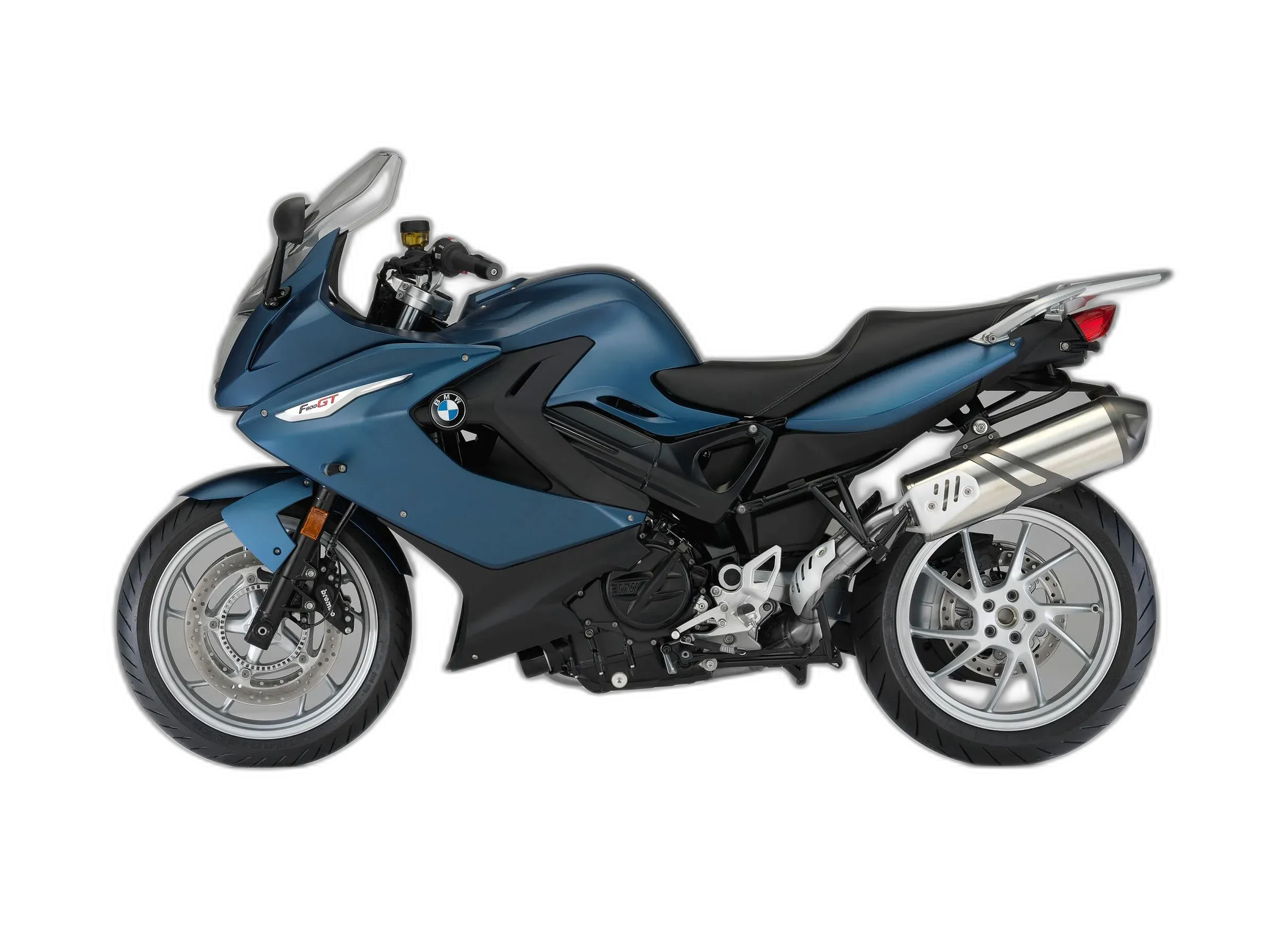
The F 800 GT is BMW's compact reading of sport-touring: a 798 cc liquid-cooled parallel twin making 90 hp at 8,000 rpm and 63 lb-ft at 5,800 rpm, wrapped in a full fairing with an adjustable screen and driving the rear wheel by belt. At 470 lb wet it sits at the light end of the class, on 17-inch wheels front and rear, a 320 mm front brake and a 59.6 in wheelbase. BMW Motorrad ABS is standard, and so are heated grips, tire pressure monitoring and that adjustable screen. BMW ESA (Electronic Suspension Adjustment) sits on the options list, and it is the box worth ticking.

This is a bike that asks very little of its rider. The 31.5 in seat and the honest curb weight make it easy to place in traffic and easy to trust on an unfamiliar road, and the six-speed twin is happy to lope or to rev. It ages well: the belt takes the messiest job in touring maintenance off your list, and the finish holds together. The caveats are real. The fork carries no adjustment at all, the rear gives you preload and nothing else, and there is no cruise control for the interstate slogs. On 2014–2016 bikes, recall 17V591000 covered rear reflectors that weren't properly visible; BMW repositions them free of charge.

Hard Numbers

Spec sheets don't ride bikes, but they set the baseline.

Show full specs & equipment Hide specs & equipment
Key specifications
Power 90 hp (66 kW) @ 8,000 rpm
Torque 63 lb-ft (86 Nm) @ 5,800 rpm
Displacement 798 cc
Engine Parallel twin
Cooling Liquid-cooled
Gearbox 6-speed
Final drive Belt
Fork Telescopic
Front brake 320 mm
Front tire 120/70 ZR 17
Rear tire 180/55 ZR 17
Wheelbase 59.6 in (1514 mm)
Seat height 31.5 in (800 mm)
Wet weight 470 lb (213 kg)
Fuel capacity 4.0 gal (15 L)

Equipment check

Chassis

  • Electronic Suspension BMW ESA (Electronic Suspension Adjustment) Damping tuning to styleAuto load leveling Optional
  • Rear Suspension Adjustable Standard

Comfort

  • Heated Grips Standard
  • Adjustable Windscreen Standard
  • Luggage System Optional

Connectivity

  • Navigation Optional
  • Tire Pressure Monitoring (TPMS) Standard

Safety

  • ABS BMW Motorrad ABS Stronger consistent brakingFirm brake lever feel Standard
  • Traction Control Optional
  • Ride Modes Optional

The Voice of Experience

Portrait of NastyNils

The test ride

Sit on it and nothing feels like a project. At 31.5 in most riders get a solid boot down at lights, the bars come back toward you instead of making you stretch, and your knees fold into the tank without argument. The twin has a flat, workmanlike beat at idle that settles into a low hum once you're rolling, and with a belt out back you don't get the driveline snatch that travels up through the pegs on so many middleweights. Set the screen by hand before you leave, thumb the grip heat on a cold start, and the bike more or less disappears underneath you. Real road pace is where it makes sense. The 470 lb feels lighter than the number under your hands, the line stays where you put it, and rough pavement doesn't rattle you out of your rhythm.

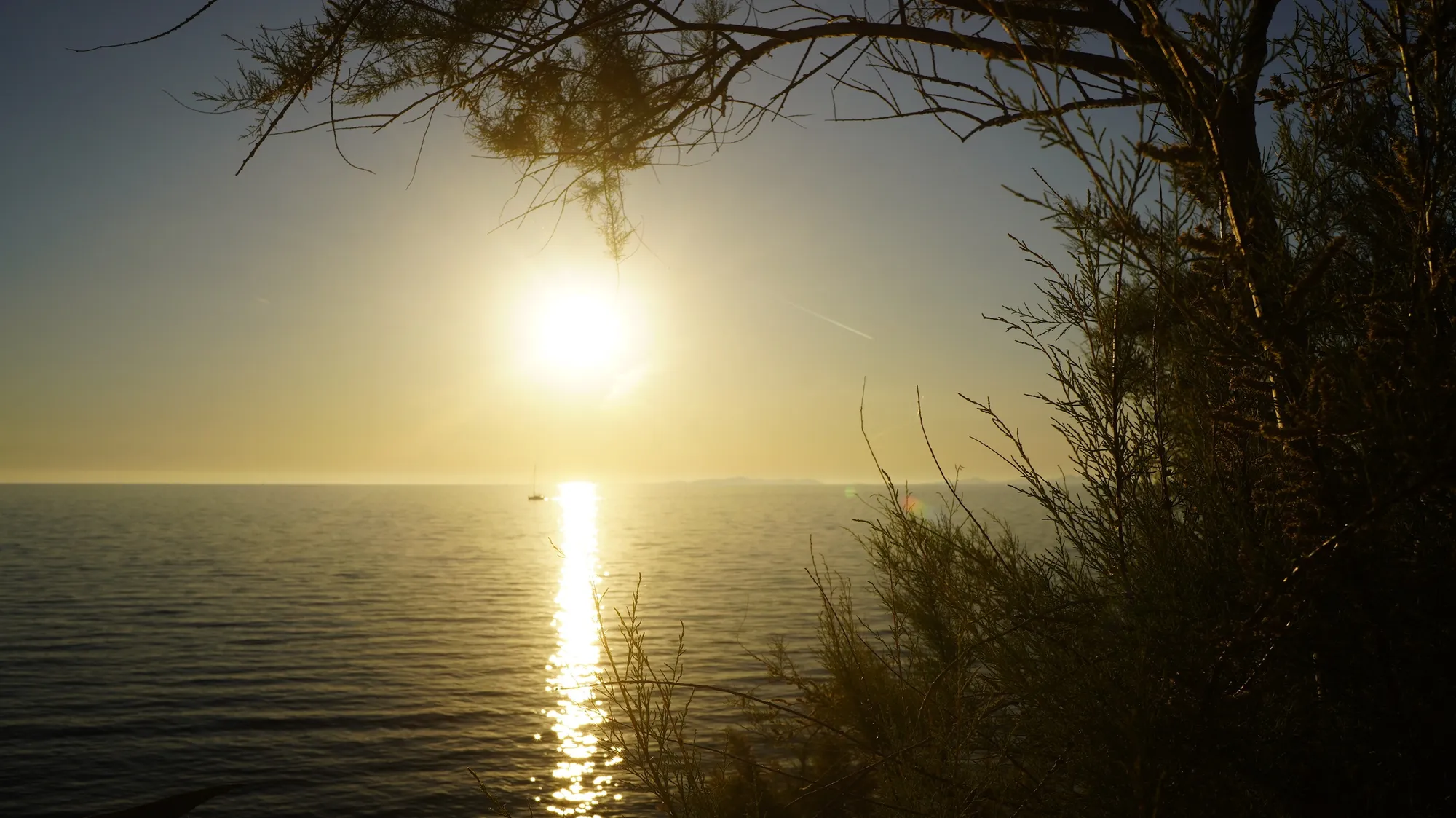
Sunset over the Adriatic Sea near Primosten, Croatia. Golden hour light bathes calm water in warm tones, with a small sailboat on the distant horizon. Rocky vegetation frames the right foreground. Clear skies and gentle conditions.

The Truth on the Street

What follows isn't from a press kit. It's what riders have told me over the years: paddock talk, owner chats at club nights, conversations at fuel stops, and the messages that land in my inbox from people living with the bike daily. On the F 800 GT the pattern is unusually consistent. Owners describe a bike that quietly does everything asked of it, with a handful of gripes that show up often enough to be worth knowing before you buy.

The all-rounder riders keep describing

The engine draws the most praise. Riders consistently report a smooth twin that pulls cleanly from low revs, happily runs to the top of the tacho, and returns real economy on the road. That flexibility feeds the second theme: owners use these bikes for commuting, weekend backroads, and long tours without feeling they've compromised on any of it. Handling comes up almost as often. The GT is described as light on its feet through corners and settled at speed. Wind protection and a quiet, comfortable cockpit round it out, and belt-drive owners bring up how little the bike asks of them between rides.

The gripes that keep coming back

Vibration is the most common complaint. Worked hard, the twin gets buzzy through the bars and pegs. Some owners also mention heat off the engine on hot days in slow traffic. A smaller number find the gearbox notchy and needing deliberate rev-matching on downshifts.

Known issues

  • Rear side reflex reflector obscured

    bodywork rare Recall

    Recall 17V591000: on 2014-2016 F 800 GT, the rear reflectors may not be properly visible, failing FMVSS 108. BMW repositions the reflectors free of charge.

  • Headlight bulb replacement difficult

    electrics common

    Access to the halogen low/high beam bulb is tight, making roadside or DIY replacement frustratingly time-consuming; many owners switch to LED for longer life.

  • Water pump seal failure

    cooling rare

    A small number of owners have reported coolant leaks from the water pump seal, likely due to a dried-out seal on bikes that sat unused for extended periods; typically addressed under warranty.

The Expert Benchmark

Where this BMW F 800 GT pulls ahead of — or falls behind — its rivals on the numbers, and the typical bike in its class on character.

What kind of bike this is — character vs. the class

This bike Class average

The shape of the BMW F 800 GT — numbers and character vs. the average Sport Tourer

Head-to-head: BMW F 800 GT vs. its rivals

The Long-Haul Verdict

Forget spec-sheet bragging. Here's who the F 800 GT is actually built for.

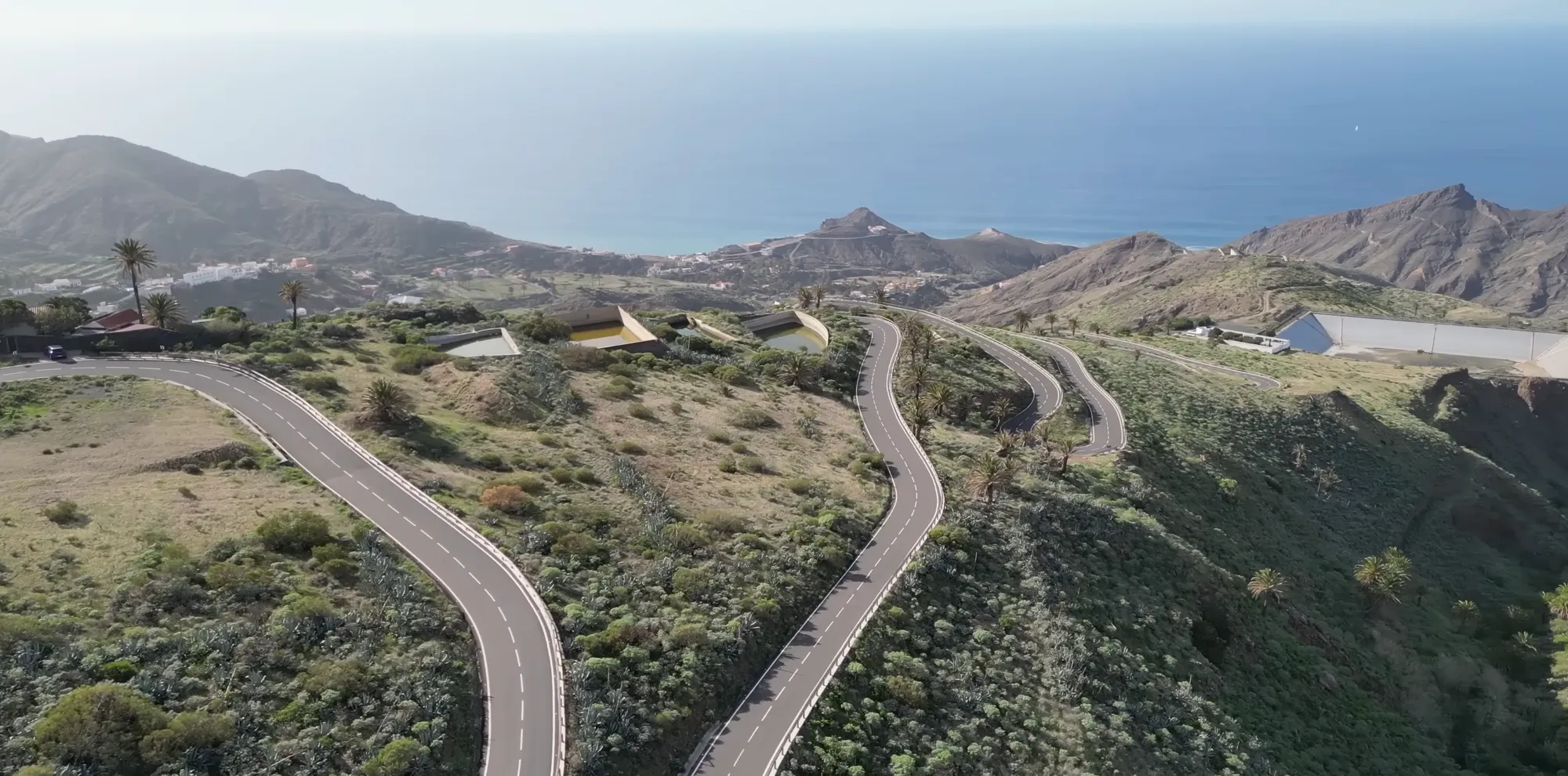
Aerial view of a winding asphalt road cutting through volcanic terrain on La Gomera, Canary Islands. The road curves through sparse green vegetation with rocky volcanic peaks visible in the background and a settled valley to the left. Clear lane markings, dry climate, partly cloudy sky.

Best motorcycle for Highway 1?

Highway 1 and the Blue Ridge in 200 to 400 mile days is exactly the job this bike was drawn around. Comfortable enough to keep going, light enough to enjoy it when the road finally starts turning.

Made for Black Hills · Blue Ridge Parkway · Cherohala Skyway

Best motorcycle for Tail of the Dragon?

For repeat runs on the Dragon and Cherohala it's honest company: easy to place, steady mid-corner, with lean angle left to work on your lines. It rewards technique more than brute speed.

Made for Back of the Dragon · Blue Ridge Parkway · Cherohala Skyway

Best touring motorcycle for long distance?

Solo big miles, it's genuinely capable. Two-up and fully loaded, you'll meet the limits sooner: 90 hp, preload-only at the rear, and a 4.0 gal tank between fill-ups.

Made for Beartooth Highway · Blue Ridge Parkway · Going-to-the-Sun Road

What's new versus the previous generation

If you're cross-shopping the older generation, here's what changed.

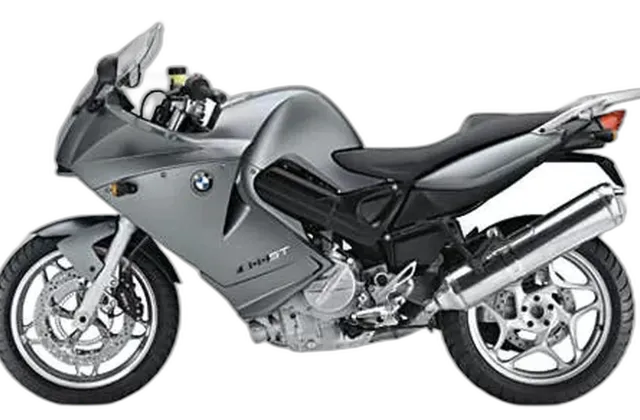
BMW F 800 ST (MY2006)

Previous generation · 2006–2012

BMW F 800 ST (MY2006)

Middleweight Touring Without Drama

Compare to the previous model →

Alternatives to the BMW F 800 GT

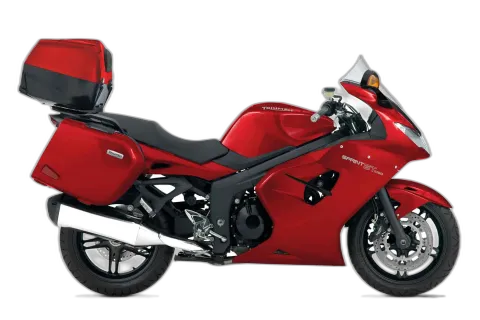
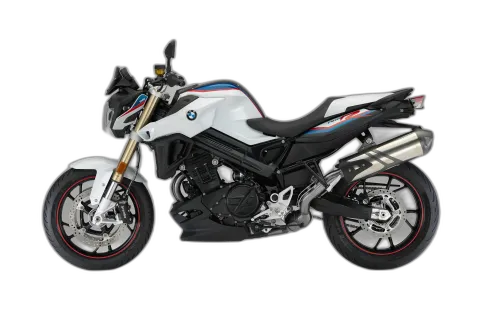
If this one isn't quite the fit, these are the bikes worth riding back-to-back against it.

Any price note compares both bikes at the same age — the youngest age both have on the used market — against this BMW F 800 GT. “cheaper/pricier” is what that bike costs second-hand, not how worn it is.