BMW F 800 R (K73-2) — Naked Bike
NastyNils / BMW Press

2015–2019 · Naked Bike · Buyer's Guide

F 800 R (K73-2)

Reliable Character, Surprising Range

The Machine's Character

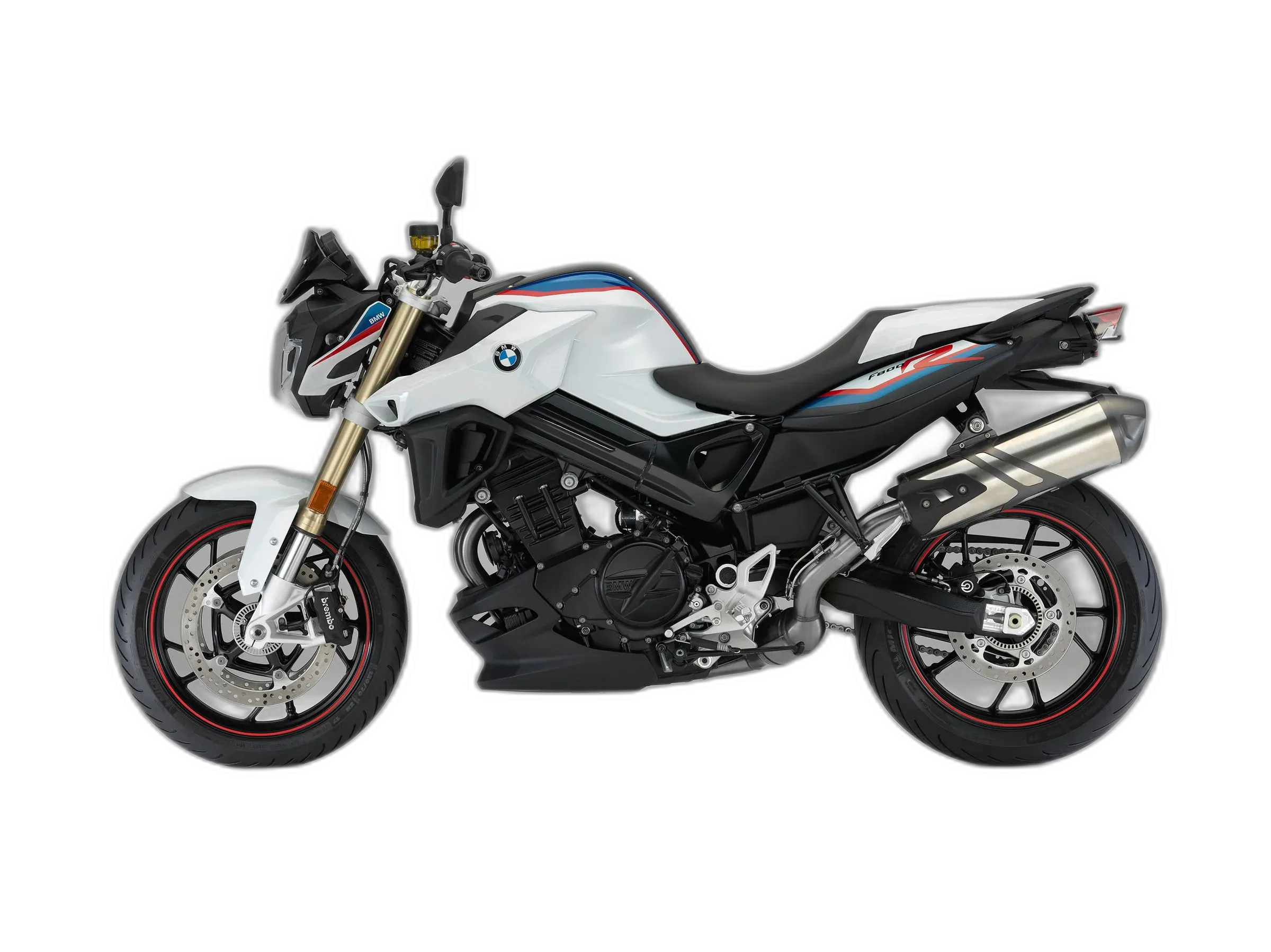
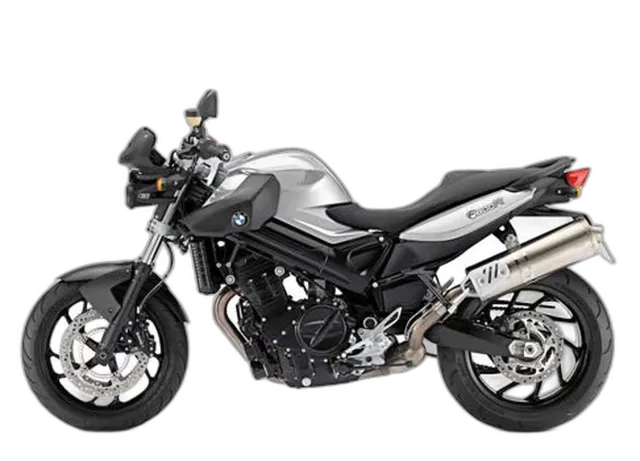
BMW built the F 800 R as a middleweight naked that structures its pace rather than dramatizes it. The 798cc liquid-cooled parallel twin makes 90 hp and 63 lb-ft, hung in an aluminum twin-spar frame that keeps the whole bike light on its feet. This is the brand's controlled-competence approach scaled to a real-world street machine: enough character in the motor to hold your interest on a mountain road, enough composure to stay smooth and easy in traffic. It sits as the sensible, do-everything option in the class, more grown-up than raw, and honest about it.

On the road it rewards riders who value trust over theatrics. Reliability is a genuine strength, running costs stay low, and 45 mpg means real range from the 4.2-gallon tank. Five seat-height options and an optional luggage rack let it shift from commuter to weekend tourer without feeling compromised in either job, which is why it suits newer and experienced riders alike. The honest caveat sits in the chassis: the fork is non-adjustable, and left in its softer comfort setting the bike goes vague mid-corner. Some examples also run rough and jerky at low speeds around 25 to 40 mph until you learn to feather the clutch.

Hard Numbers

Spec sheets don't ride bikes, but they set the baseline.

Show full specs & equipment Hide specs & equipment
Key specifications
Power 90 hp (66 kW) @ 8,000 rpm
Torque 63 lb-ft (86 Nm)
Displacement 798 cc
Engine Parallel twin
Cooling Liquid-cooled
Fuel system Fuel injection
Gearbox 6-speed
Final drive Chain
Frame Aluminum twin-spar
Fork Upside-down (USD)
Front brake 320 mm
Rear brake 265 mm
Front tire 120/70-17
Rear tire 180/55-17
Seat height 31.5 in (800 mm)
Wet weight 439 lb (199 kg)
Fuel capacity 4.2 gal (16 L)
Fuel economy 45 mpg (US)

Equipment check

Chassis

  • Rear Suspension Adjustable Standard

Safety

  • ABS BMW Motorrad Integral ABS (Generation I) Stronger consistent braking Standard
  • Traction Control Optional
  • Ride Modes Optional

Signature Tech

The named systems that set this bike apart — and what each one does for you.

Suspension

  • BMW ESA (Electronic Suspension Adjustment)Optional
    • Damping tuning to style
    • Auto load leveling
    • Wider usable range
    • Tool free setup

The Voice of Experience

Portrait of NastyNils

The test ride

Swing a leg over and the riding position sets the tone. The wide, flat-sweep handlebar puts your elbows up and your weight forward, a proper streetfighter stance that makes the bike feel more assertive than its displacement suggests. You sit planted and upright, in command of the front end. At a 31.5-inch seat the reach to the ground stays manageable, and the five seat options mean most riders settle in without aftermarket parts. The twin sends a low, workmanlike thrum through the bars instead of a frantic buzz, and it pulls cleanly through the midrange where you actually live on a back road. Flick it into Sport and the whole bike tightens up underneath you, shedding the soft, distant feel the default setting leaves behind. It reads like a tool built to be used, not babied.

Rated point by point — where it earns its keep

My own 0–100 score for this bike against the class, area by area — the marker on each bar is the class average.

My first run up a mountain section had me puzzled. The chassis felt vague and floppy through the middle of every corner, loose in a way I couldn't square with the bike. Turned out the previous rider had parked it in Comfort. One click into Sport and it woke up: turn-in tightened, it held composure deep into the arc, and that woolliness was simply gone. The hardware was never the issue.

Balance is the word I keep reaching for. Around town it's unhurried and undemanding on the throttle, content to crawl through traffic without snatching or stalling. Send it up a climbing road and the pull arrives with real conviction, backed by enough grunt and personality to keep me interested in what's happening underneath. It doesn't try to intimidate, yet it never goes quiet on you either. Building a motor that's useful everywhere rather than loud at the top is the harder job, and this one manages it.

Don't expect a sit-back-and-cruise cockpit. The bar is broad and nearly flat, and it lifts your arms while tipping your shoulders out ahead of the front wheel. That's an alert, working posture, far closer to a streetfighter than a mild roadster, and it keeps you switched on instead of loafing along. What catches me off guard is the sense of mass it lends you. From up there the bike carries more deliberation and presence than a middleweight has any right to, and I bought into it the moment I sat down.

Three things make this an easy bike to live with. The seat comes in five distinct heights, so most riders sort their fit on the showroom floor and leave the catalog alone. Bolt on the optional rack and it carries enough to travel for real; take it off and you're back to a trim naked with nothing awkward left bolted on. And where a lot of BMWs kept narrowing who they were built for, this one stayed open to beginners and old hands alike.

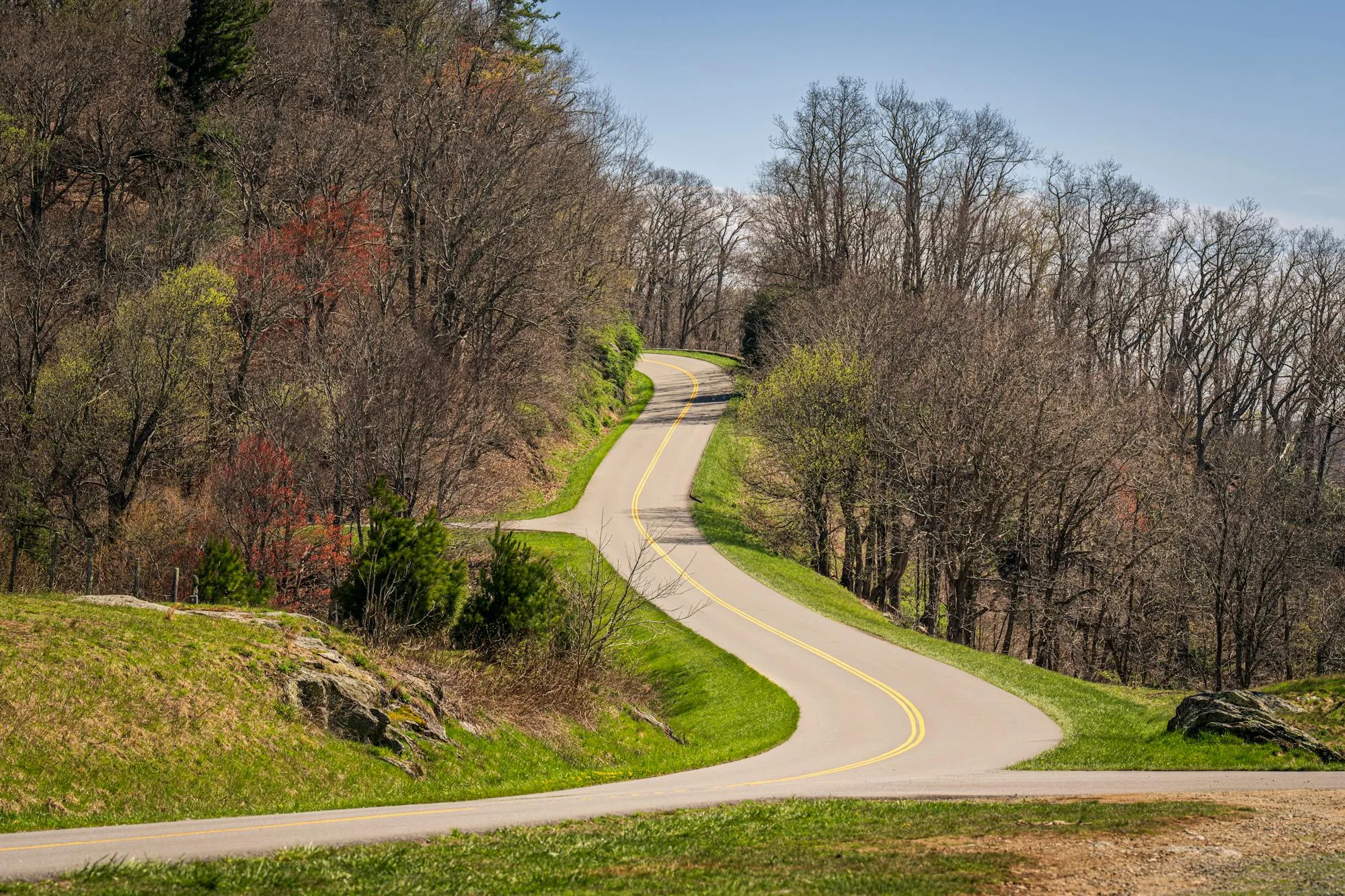
A winding asphalt road descending through the Appalachian Mountains, likely the famous Tail of the Dragon section in Tennessee and North Carolina. Multiple technical right-hand and left-hand curves are visible in this aerial perspective, surrounded by deciduous forest in spring foliage. Clear sunny conditions, well-maintained asphalt with yellow center lines marking the curves.
Mark Stebnicki / Pexels

The Truth on the Street

None of this comes from my own laps. It's what settles out after years of listening: paddock conversations, talks with owners, and the messages that land in my inbox. For the F 800 R the signal is steady, a machine riders rate highly with a short list of recurring gripes.

The strengths owners agree on

The engine and the chassis carry the praise. Owners call the parallel twin willing and even-tempered, with plenty of pull through the middle of the rev range and no rough edges. The frame and suspension earn the same warmth for clean cornering and easy manners in town. Low fuel use near 45 mpg gets mentioned often, and dependability rarely fails to come up. Firm Brembo front brakes round it out, with good feel at the lever.

The reservations that keep surfacing

The gripes are fewer but consistent. The one raised most is vibration: spin past the mid-range and a buzz creeps into the grips and pegs that wears on you over long highway stretches. Several owners find the power delivery a touch flat, capable without much mischief. The front fork draws criticism for giving nothing to tune as loads or preferences change, and a few taller riders say the room between pegs, seat, and bars runs tight.

Known issues

  • Rear reflector visibility recall (US)

    bodyworkrareRecall

    On 2015-2016 US models, the rear side reflex reflectors may be obscured, failing FMVSS 108. Dealers reposition the reflectors free of charge.

  • Indicator switch failure

    electricsoccasional

    A few owners report the left-hand indicator switch becoming intermittent or failing, typically replaced under warranty.

  • Rough low-speed engine running

    engineoccasional

    Some riders experience jerky throttle response or uneven idle at low speeds, especially around 25–40 mph (40–65 km/h), which can be mitigated by clutch feathering.

The Expert Benchmark

Where this BMW F 800 R pulls ahead of — or falls behind — its rivals on the numbers, and the typical bike in its class on character.

What kind of bike this is — character vs. the class

This bike Class average

The shape of the BMW F 800 R — numbers and character vs. the average Naked Bike

Head-to-head: BMW F 800 R vs. its rivals

The 'Should I Buy It?' Score

Forget spec-sheet bragging. Here's who the F 800 R is actually built for.

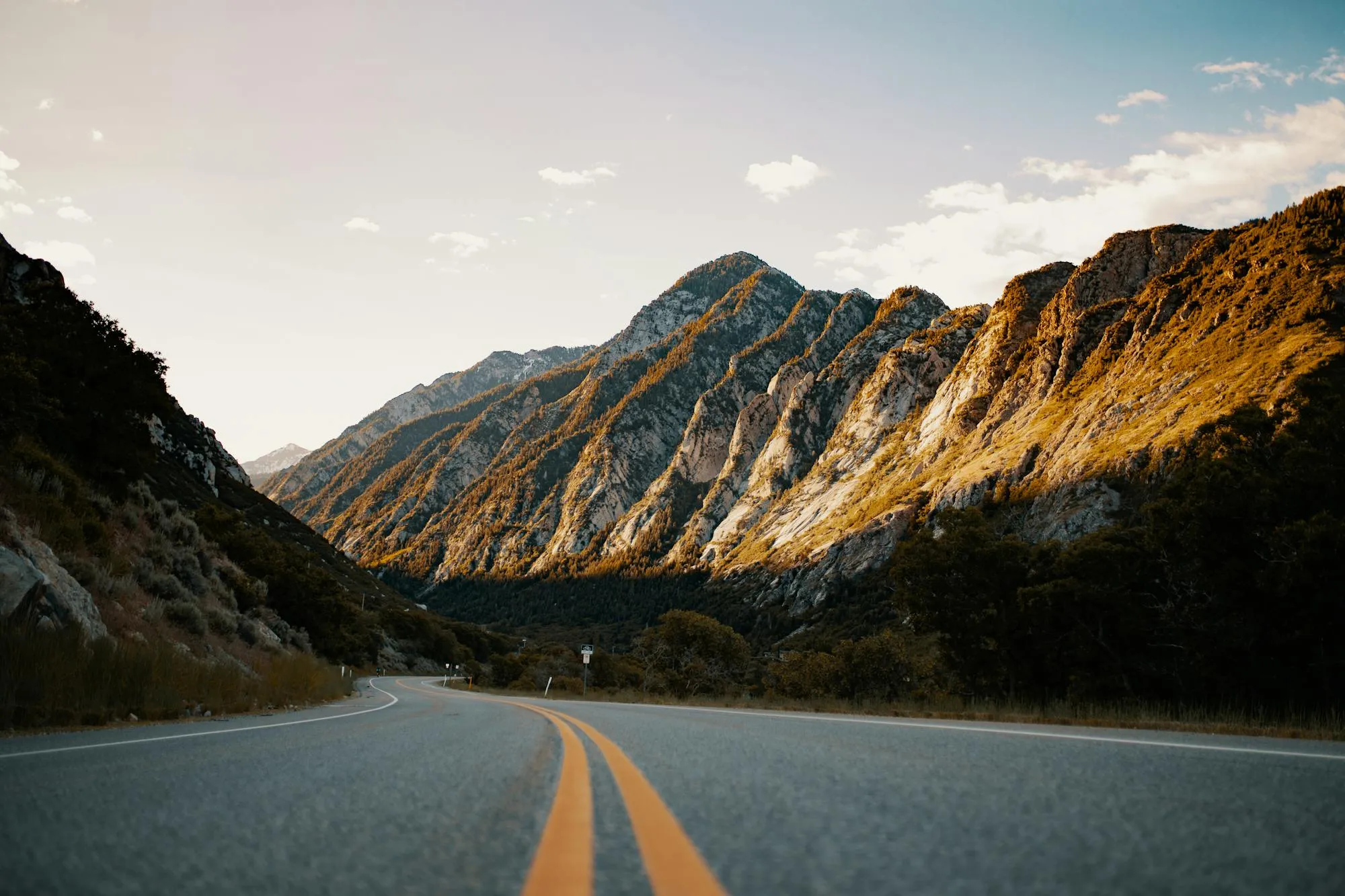
A scenic view of Angeles Crest Highway winding through rugged Southern California canyon terrain. Rocky mountainsides with golden earth tones frame the asphalt road with tight sweeping curves. Double yellow center line visible, sparse vegetation along the shoulders, clear blue sky with white clouds. Daylight, dry conditions. Iconic location for canyon-road enthusiasts.
Josh Sorenson / Pexels

Best motorcycle for Angeles Crest?

You want precision on Angeles Crest. This BMW handles light and accessible with strong feedback, but it's a composed middleweight, not a razor: great for honing clean lines, less about outright canyon pace.

Made for Angeles Crest Highway · Coronado Trail / US 191 · Highway 1 / Big Sur
Best motorcycle for Tail of the Dragon?

For skill-work on the Dragon and Blue Ridge, its nimble chassis, good lean clearance, and clear feedback let you drill technique. Flick it to Sport first, since the soft default blurs the front mid-corner.

Made for Back of the Dragon · Blue Ridge Parkway · Cherohala Skyway

Best motorcycle for Bay Area?

Commute through the city, then meet up on Skyline. It's easy in traffic, frugal at 45 mpg, and comfortable upright. Just know the tech list stays modest unless you tick the option boxes.

Made for Bay Area Ridge Roads · San Francisco / Bay Area · Skyline Boulevard / Alice's Restaurant

What's new versus the previous generation

If you're cross-shopping the older generation, here's what changed.

BMW F 800 R (K73)

Previous generation · 2009–2014

BMW F 800 R (K73)

BMW Competence With a Twin Soul

Compare to the previous model →

Alternatives to the BMW F 800 R

If this one isn't quite the fit, these are the bikes worth riding back-to-back against it.

Any price note compares both bikes at the same age — the youngest age both have on the used market — against this BMW F 800 R. “cheaper/pricier” is what that bike costs second-hand, not how worn it is.