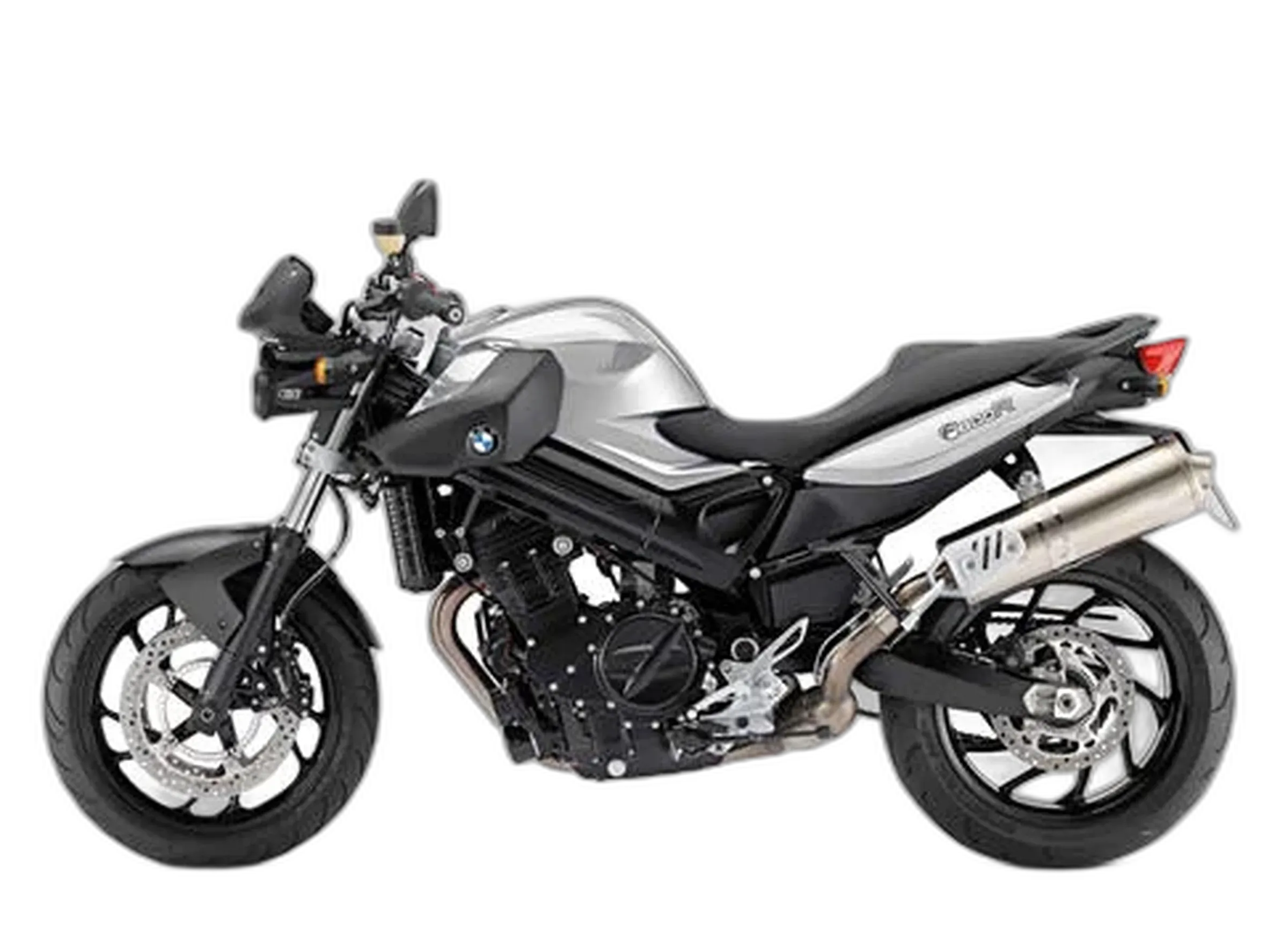
BMW F 800 R (K73) — Naked Bike
NastyNils / BMW Press

2009–2014 · Naked Bike · Buyer's Guide

F 800 R (K73)

BMW Competence With a Twin Soul

The Machine's Character

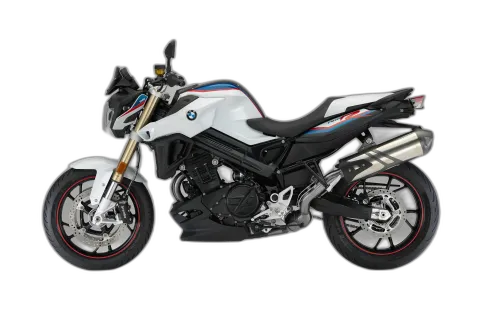
The F 800 R takes BMW's 798cc parallel twin and tunes it for the road rather than the spec sheet. With 87 hp and 63 lb-ft, it makes its case on torque, pulling cleanly from low revs where the numbers alone wouldn't predict it. A balance shaft keeps the twin civil, the aluminum twin-spar frame holds a line you can trust, and the brakes feel a class above the price. In a middleweight naked field full of revvy fours and budget twins, this one stakes out the premium, grown-up corner: composed, well-finished, and built to a standard you can feel at every touchpoint.

On the road it ages well, because nothing about it was overreaching to begin with. The chassis keeps margin in reserve, the finish holds up, and running costs stay low enough to matter if you ride real miles. It suits a rider who wants an honest all-rounder for both the commute and the Sunday back road. The caveat is character: it was built exactly to brief and not a step past it. Every parameter is correct, yet it never quite catches fire the way a more willful machine can. Want competence, and it delivers. Want drama, and you should look harder.

Hard Numbers

Spec sheets don't ride bikes, but they set the baseline.

Show full specs & equipment Hide specs & equipment
Key specifications
Power 87 hp (64 kW) @ 8,000 rpm
Torque 63 lb-ft (86 Nm) @ 5,800 rpm
Displacement 798 cc
Engine Parallel twin
Bore × stroke 82 × 75.6 mm
Compression 12:1
Cooling Liquid-cooled
Gearbox 6-speed
Final drive Chain
Frame Aluminum twin-spar
Fork Telescopic
Front brake 320 mm
Rear brake 265 mm
Front tire 120/70-17
Rear tire 180/55-17
Wheelbase 59.8 in (1520 mm)
Seat height 31.5 in (800 mm)
Wet weight 439 lb (199 kg)
Fuel capacity 4.2 gal (16 L)
Fuel economy 45 mpg (US)

Equipment check

Chassis

  • Rear Suspension Adjustable Standard

Safety

  • ABS Optional
  • Traction Control Optional
  • Ride Modes Optional

The Voice of Experience

Portrait of NastyNils

The test ride

Throw a leg over and fit is the first thing you register. The seat comes in low, standard, and high settings from the factory, and a small ridge in the foam keeps you planted under both hard drive and heavy braking. Roll away and the front feels oddly wooden at walking pace, heavier than the bike's actual weight, until speed builds and it frees up. Past 5,000 rpm the bars buzz enough to numb your hands on a long motorway haul, and bar-end weights only soften it. The cockpit, though, tells you everything: clock, gear position, range, temperatures, all accurate. One sour note is the handlebar brake reservoir, oversized and visibly wobbling on a bike otherwise screwed together this well. And with the real fuel tank tucked under the seat, a tank bag clips to the front cover and stays put through every fill.

Rated point by point — where it earns its keep

My own 0–100 score for this bike against the class, area by area — the marker on each bar is the class average.

At the lever there's genuine power, but what convinces me is the control. The bite is easy to meter, so leaning right up to the edge of grip feels deliberate rather than fraught, and that's usually a quality you pay more to get. The optional ABS impresses me for how seldom it intrudes. It can tell a rear wheel that's truly about to come off the ground in a hard stop from one that's merely skipping across broken tarmac, and it only steps in for the one that actually matters.

What strikes me first is that this chassis needs no settling-in time. BMW's boxers and bigger bikes can take a few sessions before their behavior starts to make sense; this one speaks clearly from the very first corner. Lean on the bar and it drops into the turn just where I chose and stays locked onto that arc. Push harder and it simply keeps finding grip, with the clear sense that there's still something in hand as the pace rises rather than the chassis tightening up as I ask more of it. The one place it disappoints sits at parking-lot speed, where the standard steering damper loads up the front and makes slow turns feel heavier and lazier than the bike's real weight should allow. Gather any momentum and that heaviness melts away, so the crawl through traffic badly undersells how crisp it becomes once the road opens up.

This is where I settle on what the bike is, not just what it does. It's welcoming enough that a newer rider won't feel out of their depth, yet keen enough that it held my interest long after I expected to switch off. The flip side is its ceiling, and I'll be straight about it. Every box is ticked and nothing feels crude, but it was built squarely to its remit and not an inch beyond, so the personality stays measured where a more willful machine would have grabbed me by the collar.

Ownership looks cheap and trouble-free from what I saw of it. The bike barely touches its fuel, the kind of thrift that adds up fast for anyone piling on daily miles. And the quality runs deeper than the panels you actually look at; materials and finish hold to one standard right through the machine, so it should weather hard use without turning shabby early. Across all my time aboard, nothing once gave me cause for concern.

Twist the grip anywhere in the band and the motor returns precisely what I asked of it, with no sudden swell as it comes on and no flat patch to wait out. What stays with me more is the nature of the torque. The strongest pull lives low down where I actually ride, so easing out of a slow corner or rolling away from a junction the bike digs in and does real work instead of making me wring its neck for it. Of everything I rode in this group, it has the most low-end muscle by a clear margin. The balance shaft deserves a word too: this engine type is notorious for shaking your hands raw over a long run, and BMW's countermeasure keeps it well-mannered across the rev range without leaving the power delivery flat or synthetic. My one gripe is the lowest ratio, geared too long, so there's a beat off the line where the engine feels like it's reaching before second tidies it up.

What makes this one livable, in my experience, is that you choose how it fits you. The low seat is the option I keep pointing shorter riders toward, since it genuinely brings the machine within reach rather than promising that only on paper. Specify it tall instead and the room suits long legs just as readily, so one model covers a broad span of riders without anyone forced into a poor fit. The hand wheel on the rear shock is the other thing I lean on, letting me wind in preload with no tools, firm for circuit work and back to soft again inside a minute. My enthusiasm only cools at the damping. The shock does honest work and rates above the cut-price Japanese parts, yet it's plainly not the component you boast about, and a truly broken surface makes that gap easy to feel.

Live with it for a while and the everyday thinking behind it shows. The instrument cluster hands you more than almost anything else in the class: a clock, the gear you're in, remaining range, plus coolant and ambient temperature, and every figure I checked against reality held true. The hardware carries the same intent, from the grade of the fasteners and the aluminum bars to the cast wheels and the switchgear, none of it feeling chosen down to a price. Best of all is the fuel layout, with the real tank set into the rear of the frame so a soft bag fixed to the front cover stays put through every fill. The one mark against it is the switch to a chain. It shed a little weight over the old belt, but it puts routine adjustment and an eventual replacement back onto the upkeep list that the belt never demanded.

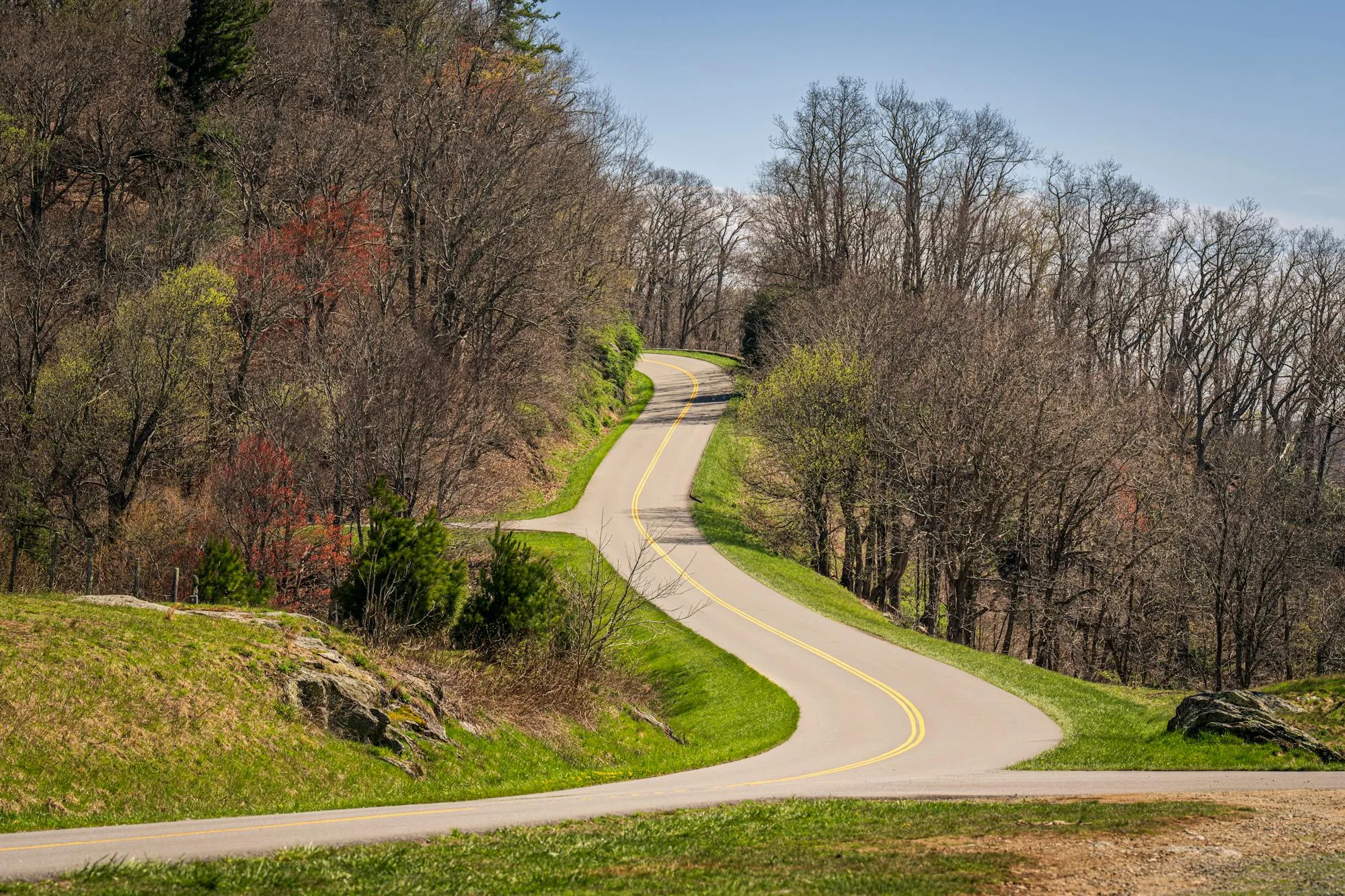
A winding asphalt road descending through the Appalachian Mountains, likely the famous Tail of the Dragon section in Tennessee and North Carolina. Multiple technical right-hand and left-hand curves are visible in this aerial perspective, surrounded by deciduous forest in spring foliage. Clear sunny conditions, well-maintained asphalt with yellow center lines marking the curves.
Mark Stebnicki / Pexels

The Truth on the Street

This isn't my own test ride. It's what riders have told me over years of owner chats, paddock talk, and the steady stream of messages and emails that reach me directly. For the F 800 R the same picture keeps forming: a dependable middleweight that earns trust slowly, with a few reservations that never quite fade.

The praise that keeps coming back

Handling tops the list. Riders consistently describe a neutral, planted chassis that flatters newcomers and veterans alike and stays composed over broken pavement. The finish draws nearly as much credit, with paint and plating that hold up better than similarly priced Japanese rivals as the miles climb. The parallel twin and its gearbox rarely give anyone trouble, and fuel stops stay rare, with many seeing close to 45 mpg and a range past 190 miles.

The complaints that recur

The gripes are just as steady. Past 80 mph and 5,000 rpm, a buzz works into the bars and pegs, enough to numb the hands on a long highway run. Some riders wish the engine had more character; it spins up smoothly but never lands the mid-range punch they find elsewhere. And the tallest, over 6 ft, find the stock seat sets the pegs too close, bunching them into a cramped crouch.

Known issues

  • Excessive handlebar vibration at motorway speeds

    enginecommon

    Constant engine vibes through the bars above 5,000 rpm cause discomfort and hand numbness; aftermarket bar-end weights mitigate but don’t eliminate the issue.

The Expert Benchmark

Where this BMW F 800 R pulls ahead of — or falls behind — its rivals on the numbers, and the typical bike in its class on character.

What kind of bike this is — character vs. the class

This bike Class average

The shape of the BMW F 800 R — numbers and character vs. the average Naked Bike

Head-to-head: BMW F 800 R vs. its rivals

The 'Should I Buy It?' Score

Forget spec-sheet bragging. Here's who the F 800 R is actually built for.

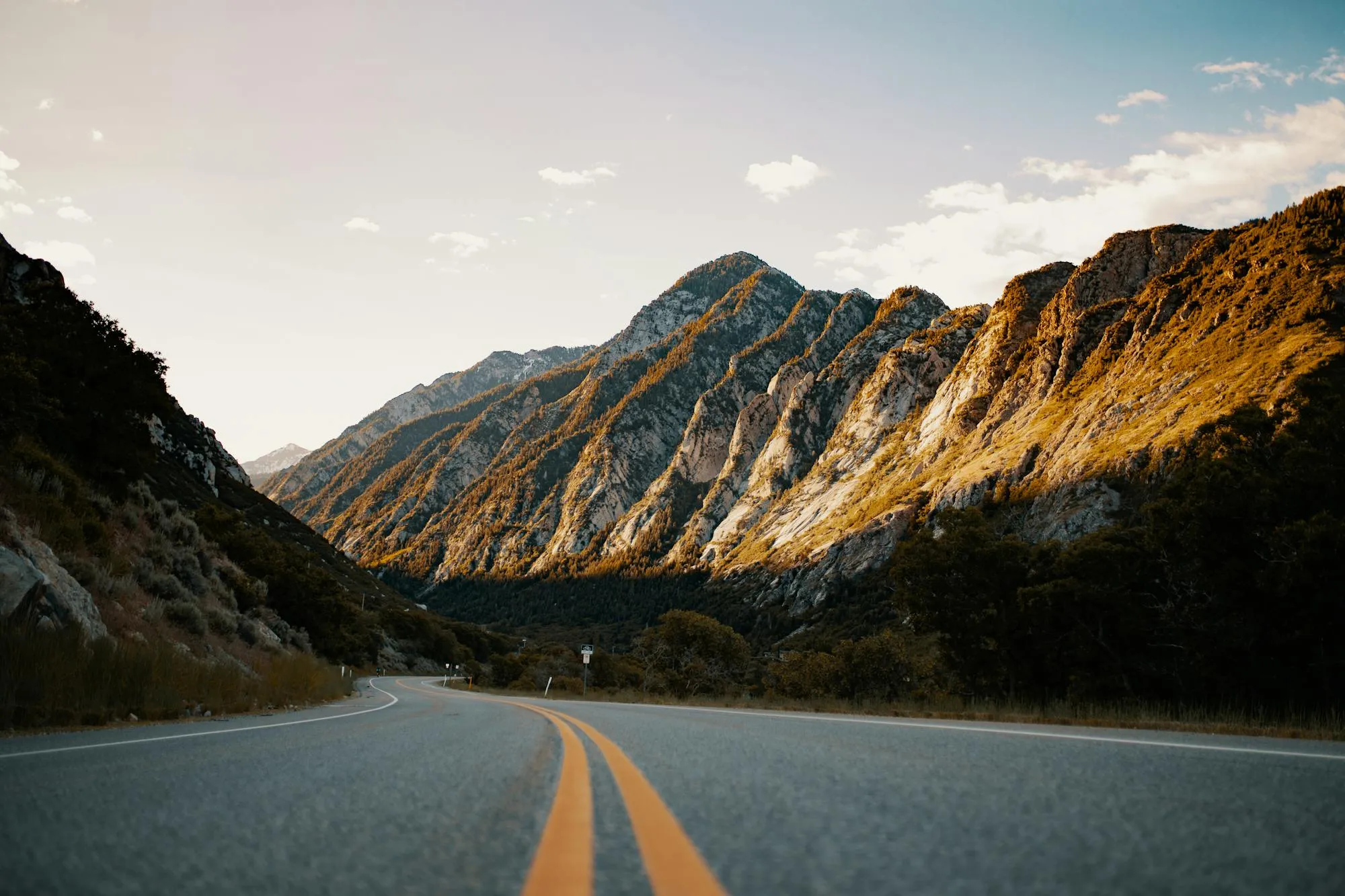
A scenic view of Angeles Crest Highway winding through rugged Southern California canyon terrain. Rocky mountainsides with golden earth tones frame the asphalt road with tight sweeping curves. Double yellow center line visible, sparse vegetation along the shoulders, clear blue sky with white clouds. Daylight, dry conditions. Iconic location for canyon-road enthusiasts.
Josh Sorenson / Pexels

Best motorcycle for Angeles Crest?

For Angeles Crest weekends, this bike rewards clean lines and precision more than outright aggression. It carries pace and stays composed when you push, but if you want a machine that bites back, it will feel a touch polite.

Made for Angeles Crest Highway · Coronado Trail / US 191 · Highway 1 / Big Sur
Best motorcycle for Tail of the Dragon?

On the Dragon and Blue Ridge, where skill beats speed, its precise, stable chassis lets you repeat your lines all day. Easy to ride hard without wearing you out, just don't expect fireworks between the corners.

Made for Back of the Dragon · Blue Ridge Parkway · Cherohala Skyway

Alternatives to the BMW F 800 R

If this one isn't quite the fit, these are the bikes worth riding back-to-back against it.

Any price note compares both bikes at the same age — the youngest age both have on the used market — against this BMW F 800 R. “cheaper/pricier” is what that bike costs second-hand, not how worn it is.