By NastyNils· ·
Motorcycle comparison · Adventure
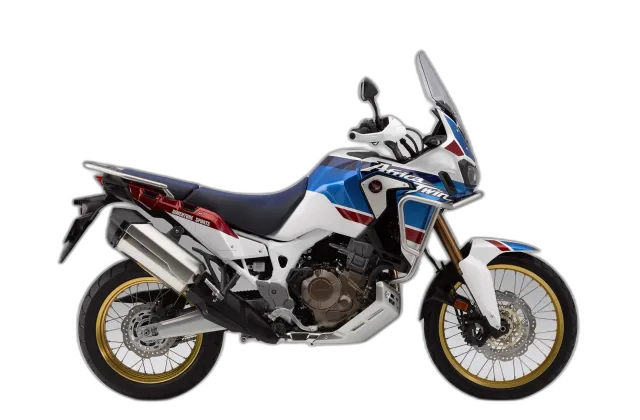
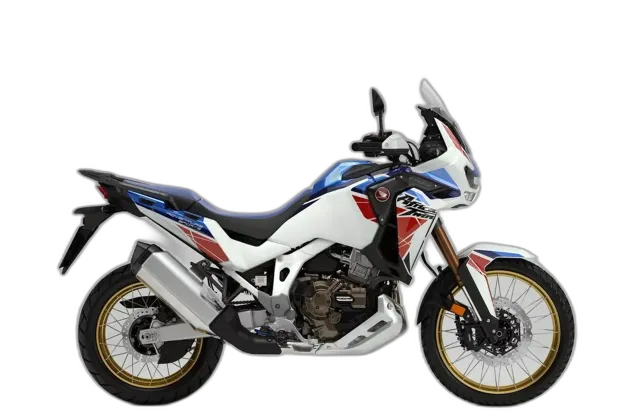
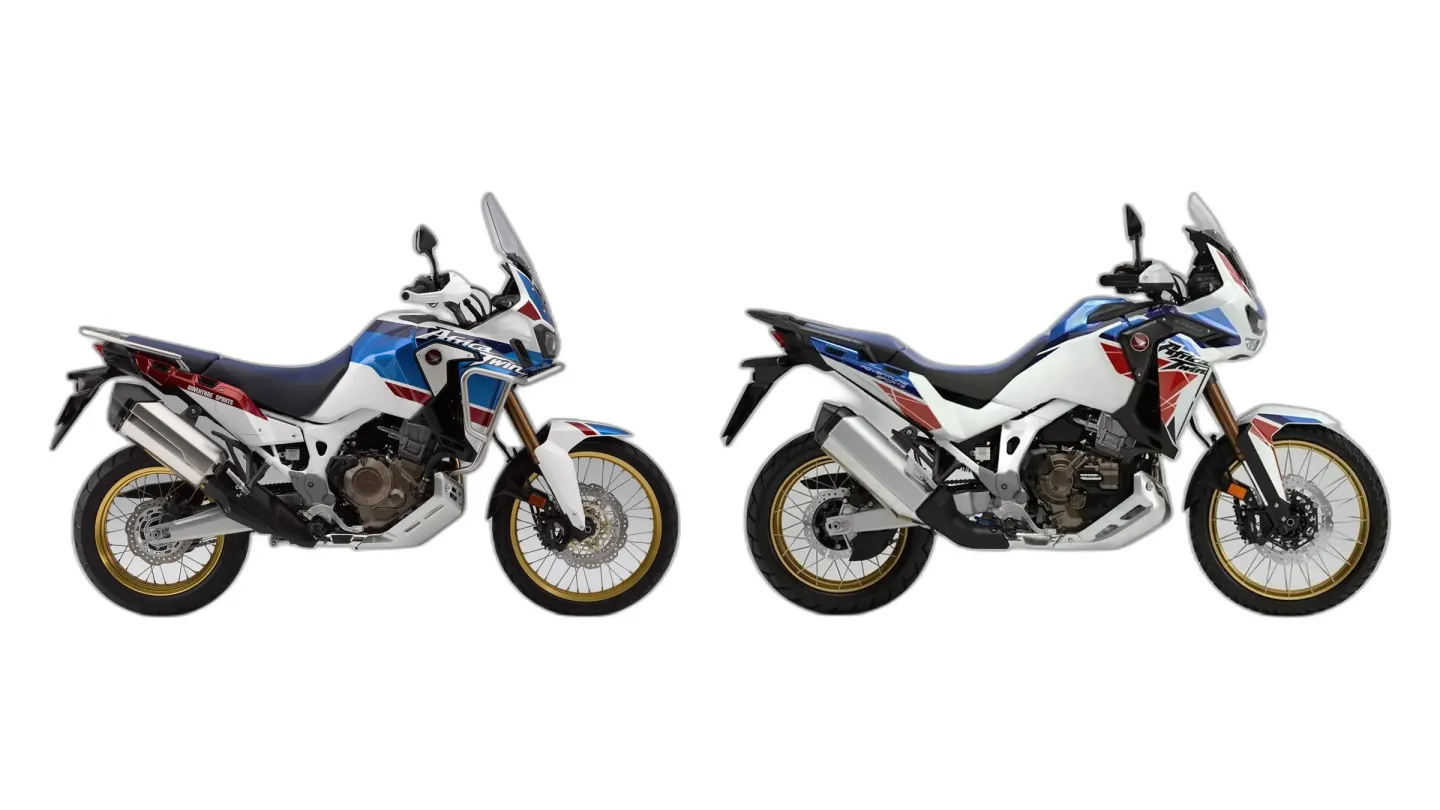
Honda CRF1000L Africa Twin (SD 06-AdventureSportsDCT) vs CRF1100L Africa Twin (SD 08-AdventureSportsDCT)
Tip the Honda CRF1000L Africa Twin into a bend and it's quick to fold in, narrow between your knees. On the Honda CRF1100L Africa Twin, the front dips just enough at turn-in and doesn't wander. It sets the new line cleanly, every time.
So which one do you buy?
The CRF1100L Africa Twin has the edge if…
Comfortable long-distance riding
Nose ahead: CRF1100L Africa Twin
On a long day in the saddle, the CRF1100L Africa Twin comes out a little ahead. Thank better wind protection for that. Ride both before you decide.
Real off-road capability
Small edge: CRF1100L Africa Twin
Once the asphalt stops, the CRF1100L Africa Twin noses ahead. It's down to more suspension adjustment and more low-end pull. Tires and your own skill can easily cancel that out.
Sporty riding on twisty roads
By a nose: CRF1100L Africa Twin
In the twisties, the CRF1100L Africa Twin asks a bit less of you to go quickly. That comes from better suspension and harder acceleration. Call it a modest edge.
Keeping running costs low
Narrow edge: CRF1100L Africa Twin
Day to day, the CRF1100L Africa Twin works out slightly cheaper to own. The saving is small.
Daily commuting & city riding
Slight edge: CRF1100L Africa Twin
Your daily ride leans slightly toward the CRF1100L Africa Twin. Fit and price can easily outweigh that.
What makes each one tick
CRF1000L Africa Twin
The CRF1000L Africa Twin doesn't feel big once it's on gravel and dirt, with its compact twin and off-road-size wheels keeping it light on its feet. The twin's growl stays pleasing, and there's enough smooth pull in it to keep a long day in the saddle engaging without wearing you out. The DCT takes the clutch work out of stop-start traffic, though at walking pace it'll sometimes hold a gear too high and lurch until you grab the paddles. Its wide bars fit a six-footer.
CRF1100L Africa Twin
The CRF1100L Africa Twin tracks dead straight at highway speed, and there's a calm pocket of air behind its wider fairing and taller windshield. There's a plush ride on broken pavement, where the suspension swallows each bump before it reaches the seat. In its softest mode the twin goes calm enough for city traffic, while Tour wakes it up into something that actually wants to move. The exhaust note means business.
The Voice of Experience

What actually separates them
- The CRF1100L Africa Twin has the lower seat: 33.5 in (850 mm) vs 36.2 in (920 mm).
- The CRF1100L Africa Twin makes more peak power: 102 hp (75 kW) vs 95 hp (70 kW).
- The CRF1100L Africa Twin makes more peak torque: 77 lb-ft (105 Nm) vs 72 lb-ft (98 Nm).
Which one for the way you ride
Who each one is built for
What's good, and what you'll live with
CRF1000L Africa Twin
What owners say
Strengths
- Comfortable all‑day riding position
- Genuine off‑road capability with a light, narrow feel
- Smooth, characterful parallel‑twin engine
Trade-offs
- Finished marred by rust on early models
- DCT can be dim‑witted at slow speeds
- Noticeably down on power compared to European rivals
- Basic suspension lacks electronic adjustment
- Inadequate wind protection at highway speeds
CRF1100L Africa Twin
Strengths
- Quiet pocket at highway speed
- Rock-steady at serious speed
- Off-road modes that earn their keep
- DCT picks the right gear
- Screen doubles as your map
Trade-offs
- Electronics hide the mass
- Left switchgear reads like a cockpit
- TFT screen has a history
- Expensive compared to rivals
- Frustrating TFT touchscreen
Known problems to check before you buy
CRF1000L Africa Twin
- Switch cluster failures Sticky or corroded switchgear causes intermittent faults including DCT error codes, headlight failure and starting problems. Cleaning or replacing the clusters is usually the cure.
- Premature wheel bearing wear Rear wheel bearings can fail as early as 9,300 mi (15,000 km) when the bike is subjected to regular off‑road use, requiring replacement.
- Spoke and fastener corrosion Nickel‑plated spokes on early models rust quickly, especially after off‑road use; some frames also show surface rust. Often requires wheel rebuilds or replacement.
CRF1100L Africa Twin
- TFT display fragility and glitches Some displays are prone to cracking even without impact, and electronic glitches cause freezing or rebooting. Honda extended warranty on TFT to 2033.
What they share
- Engine
- Parallel twin
- Cooling
- Liquid-cooled
- Peak power at
- 7,500 rpm
- Gearbox
- 6-speed
- Final drive
- Chain
- Front tire
- 90/90-21
- Rear tire
- 150/70-18
- Wheelbase
- 62.0 in (1575 mm)
Where the spec sheets split
| CRF1000L Africa Twin | CRF1100L Africa Twin | |
|---|---|---|
| Seat height | 36.2 in (920 mm) | 33.5 in (850 mm) |
| Wet weight | 558 lb (253 kg) | 547 lb (248 kg) |
| CRF1000L Africa Twin | CRF1100L Africa Twin | |
|---|---|---|
| Displacement | 998 cc | 1084 cc |
| Power | 95 hp (70 kW) | 102 hp (75 kW) |
| Torque | 72 lb-ft (98 Nm) | 77 lb-ft (105 Nm) |
| Peak torque at | 6,000 rpm | 6,250 rpm |
| CRF1000L Africa Twin | CRF1100L Africa Twin | |
|---|---|---|
| Fuel economy | 50 mpg (US) / 4.7 L/100 km | 51 mpg (US) / 4.59 L/100 km |
| Fuel capacity | 6.4 US gal (24.2 L) | 6.6 US gal (25 L) |
| CRF1000L Africa Twin | CRF1100L Africa Twin | |
|---|---|---|
| Fork | Upside-down (USD) | Telescopic |
| Ground clearance | 10.6 in (270 mm) | 9.8 in (250 mm) |
| Front travel | 9.9 in (252 mm) | 9.1 in (230 mm) |
| Rear travel | 9.4 in (240 mm) | 8.7 in (220 mm) |
What comes fitted, what costs extra
| CRF1000L Africa Twin | CRF1100L Africa Twin | |
|---|---|---|
| Cornering ABS | Not offered | Standard |
| Electronic Suspension | Not offered | Standard |
| Cruise Control | Not offered | Standard |
| TFT Display | Not offered | Standard |
| Smartphone Connectivity | Not offered | Standard |
| USB Charging Port | Not offered | Standard |
Head to head, area by area
Both bikes on the same scale, one area at a time.