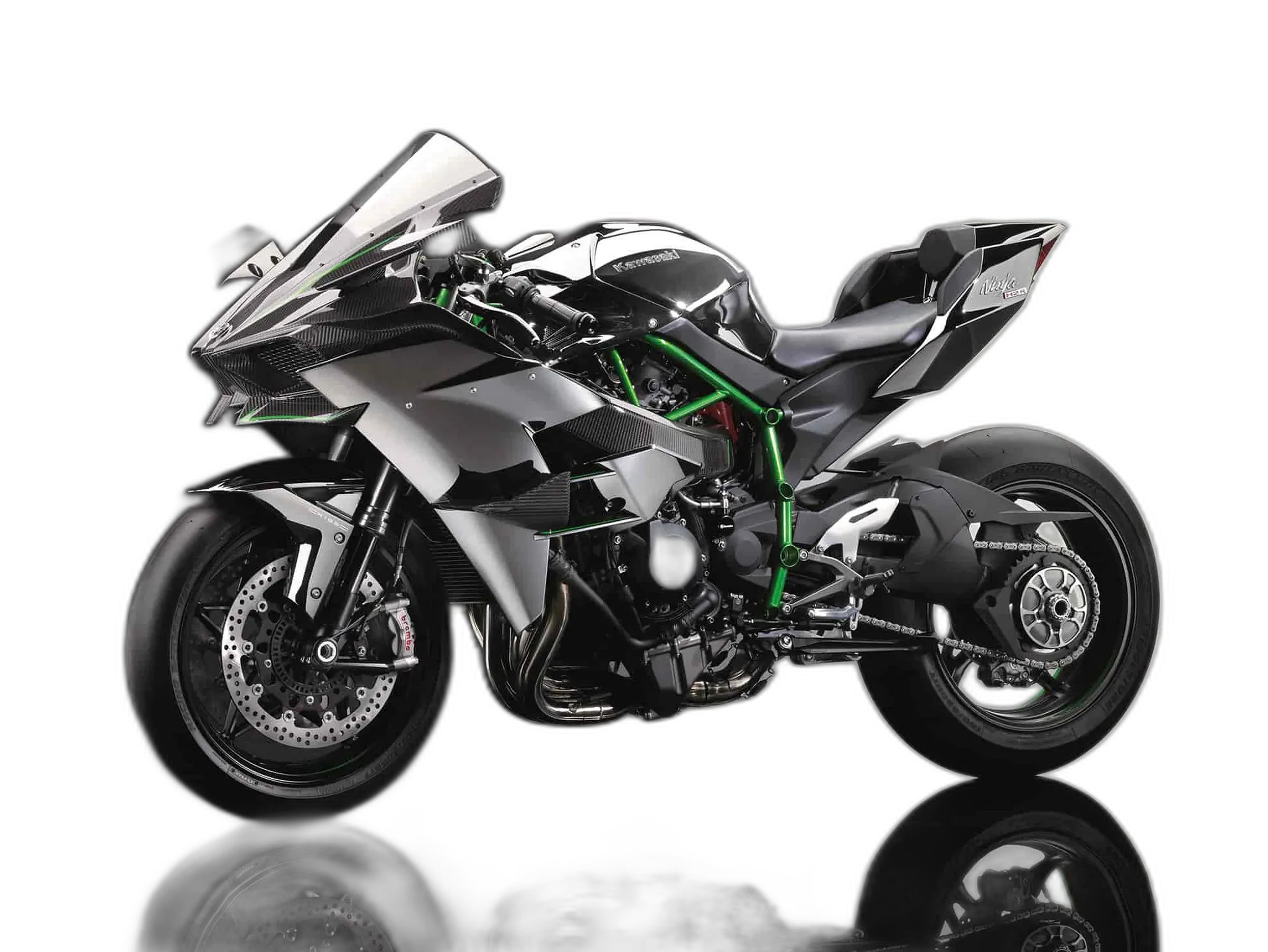
Kawasaki Ninja H2R (MY2015) — Supersport
NastyNils / Kawasaki Press

2015 · Supersport · Buyer's Guide

Ninja H2R (MY2015)

The Supercharger That Rewires Reality

The Machine's Character

The H2R runs a supercharged 998cc inline-four making 310 hp and 122 lb-ft, and it exists for one reason: to accelerate harder than anything wearing a license plate. This is a track-only machine with no compromise toward the street. What sets it apart in the supersport world isn't just the dyno number. It's that the output stays usable. You can modulate it, steer the engine with fine throttle inputs across the rev range, and trust the chassis to stay composed when you load the front hard into a corner entry. The real surprise at circuit pace is the stability, not the horsepower.

How it rides depends entirely on whether you can commit. The power lives high in the rev range, so you drop a gear and mean it, or nothing happens. Reliability has held up better than the early skeptics predicted; keep to the maintenance schedule without shortcuts and the supercharged motor holds together across real accumulated mileage. Who is it genuinely for? A very small group with track access, deep pockets, and a venue that will actually let it run. The honest caveat is that most H2Rs spend more time on display than on track, and that isn't an accident of ownership. It's the design.

Hard Numbers

Spec sheets don't ride bikes, but they set the baseline.

Show full specs & equipment Hide specs & equipment
Key specifications
Power 310 hp (228 kW) @ 14,000 rpm
Torque 122 lb-ft (165 Nm) @ 12,500 rpm
Displacement 998 cc
Engine Inline-four
Cooling Liquid-cooled
Gearbox 6-speed
Final drive Chain
Front tire 120/70ZR17
Rear tire 190/65-17
Seat height 32.7 in (830 mm)
Wet weight 476 lb (216 kg)
Fuel capacity 4.5 gal (17 L)

The Voice of Experience

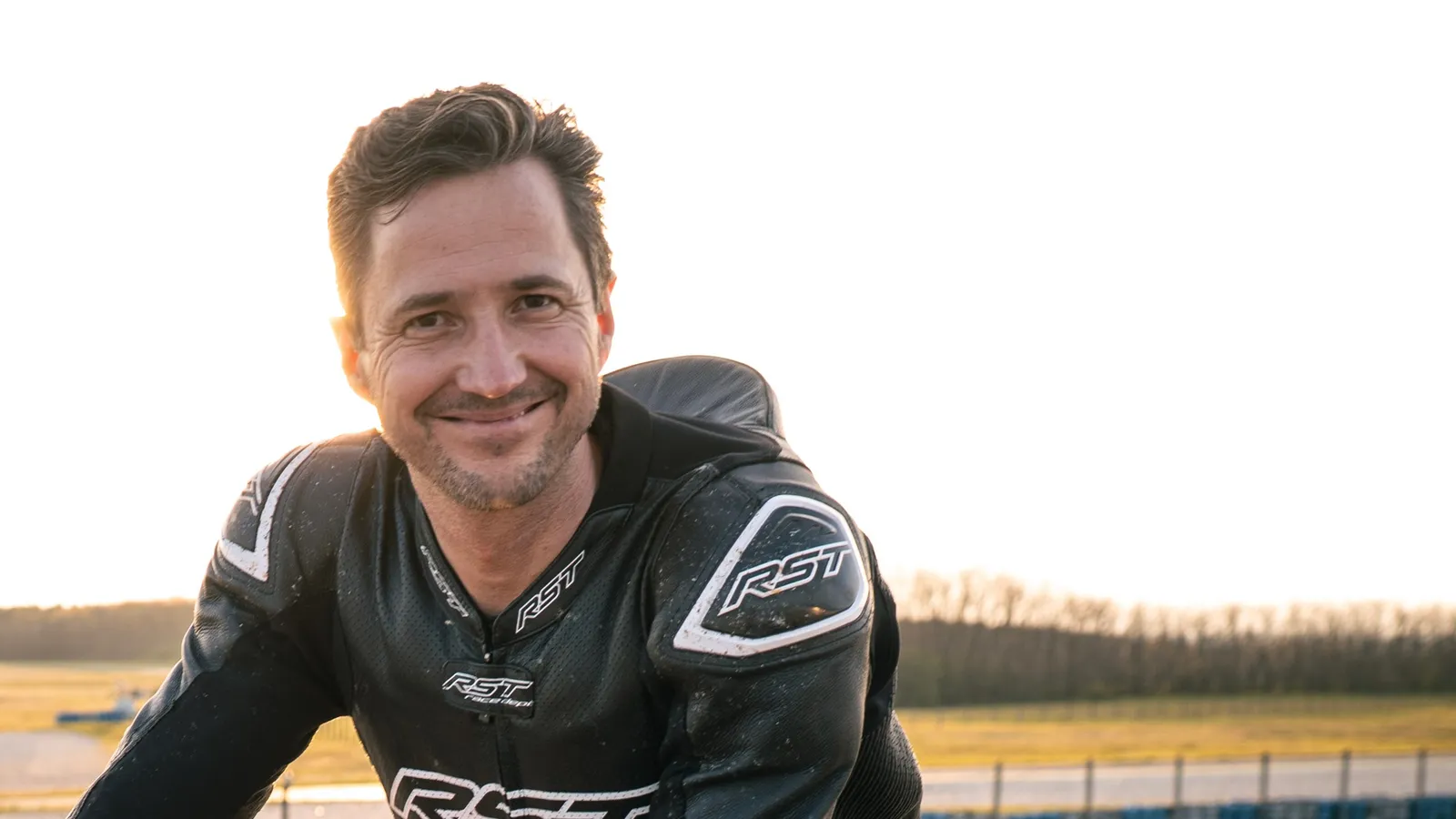
Portrait of NastyNils

The test ride

Fire it up in the pits and the sound arrives as pressure, not volume. Coffee cups rattle on the tables, and everyone in earshot reaches for earplugs because they have to, not out of caution. Once you're moving, the ergonomics surprise you. The seating is set back and slightly less aggressive than pure race hardware, which gives a skilled rider somewhere to work from rather than something to fight against. The part your body never adjusts to is speed itself. The rate of acceleration scrambles your ability to judge how fast you're actually going, so you hit brake point after brake point pulling the lever too hard and arriving at the apex carrying nowhere near enough entry speed. You know it's happening. You do it anyway.

Rated point by point — where it earns its keep

My own 0–100 score for this bike against the class, area by area — the marker on each bar is the class average.

Push it into a corner hard on the brakes and the composure is almost eerie for something this fast, and the same holds on the way back out where the pace would have most things twitching. So the surprises are the two places it does move around. In the long, quick left-hander it runs wide. Only slightly, but at the velocity it hauls through there, slight is plenty to feel it drift off your intended arc. Chase the very edge of what a circuit can physically hold and the front starts to wash in the same way, the geometry finally admitting a limit it hides everywhere else. Neither is drama, and neither is a fault you'd trade the rest of the package for. They're just the honest edges of a chassis that spends most of its life uncannily settled.

What tends to get lost behind the acceleration is that the stopping is its equal, and almost nothing manages that. Pull hard on the lever at the speeds this thing reaches and it hunkers down and stays dead settled beneath you. The stretched wheelbase and the weight sat well to the rear hand the braking a grounded, unflustered character exactly where you'd expect it to feel frantic. Being able to throw out the anchor that hard and trust the result without a flicker of doubt is not something I ever take for granted at that pace.

The opening of a straight barely counts; that's just holding on. The real event begins past the point where every other sportbike has emptied its tank, and from there it keeps stacking speed until the sensation stops matching anything two wheels have ever handed me. The clearest evidence wasn't a stopwatch. Seasoned racers, people who'd contested the TT and ridden factory equipment, came back from their runs almost unable to speak, and the calmest of them could only call it the best they'd known.

For all the shock value in the output, what stays with me is that the engine listens. Small, deliberate inputs at the grip get a clean, proportional answer back, right where I'd braced for a machine that only knows on and off. It stays in conversation with you instead of bullying you. The price of that is discipline with the gearbox. The urge lives high, and the R gives up bottom-end grunt against the street version in a way you register instantly, so I found myself rowing down a gear as ordinary practice just to keep it breathing. It only rewards a rider who commits and means it. The lone sour note is the first hair of travel off a fully closed throttle, where the response turns woolly on a bike otherwise honed to a razor.

The doubts that greeted the supercharger have quietly been retired by the odometers. Owners who follow the service book to the letter, no corners cut, report engines that show no real wear even after they've piled on serious miles, and that's the reassuring part. The rest of the reliability story is really a running-cost story. The cooling system lives close to its ceiling, so enough owners fit an auxiliary oil cooler to stay ahead of the heat that it reads as sensible rather than paranoid. Kawasaki wants the bike inspected after every session on track or every few thousand miles, and the bill for a full service climbs into serious money before a wrench touches a component. Tires and general upkeep burn through at a rate a normal motorcycle never approaches. The hardware holds; your wallet does the suffering.

Here's the twist: a bike making more than factory race iron is the easier one to lean on. The relatively relaxed seating and settled stance give a good rider a platform to actually work from rather than a fight to manage, and I stepped off hard sessions less wrung out than tamer machines have left me. What no posture cures is the acceleration scrambling your read on speed, so you keep arriving at braking markers having grabbed too much lever and rolled in far too slow.

The problems that actually govern living with one aren't about how it rides. Too loud for the noise ceilings at most circuits, it turns booking a venue that will even let it lap into a project before you load the van. Add the rarity and the relentless service appetite and most of these bikes stop being motorcycles in any real sense; they become exhibits, wheeled out a handful of days a year and parked under lights the rest of the time. Owning one looks closer to conservation than riding.

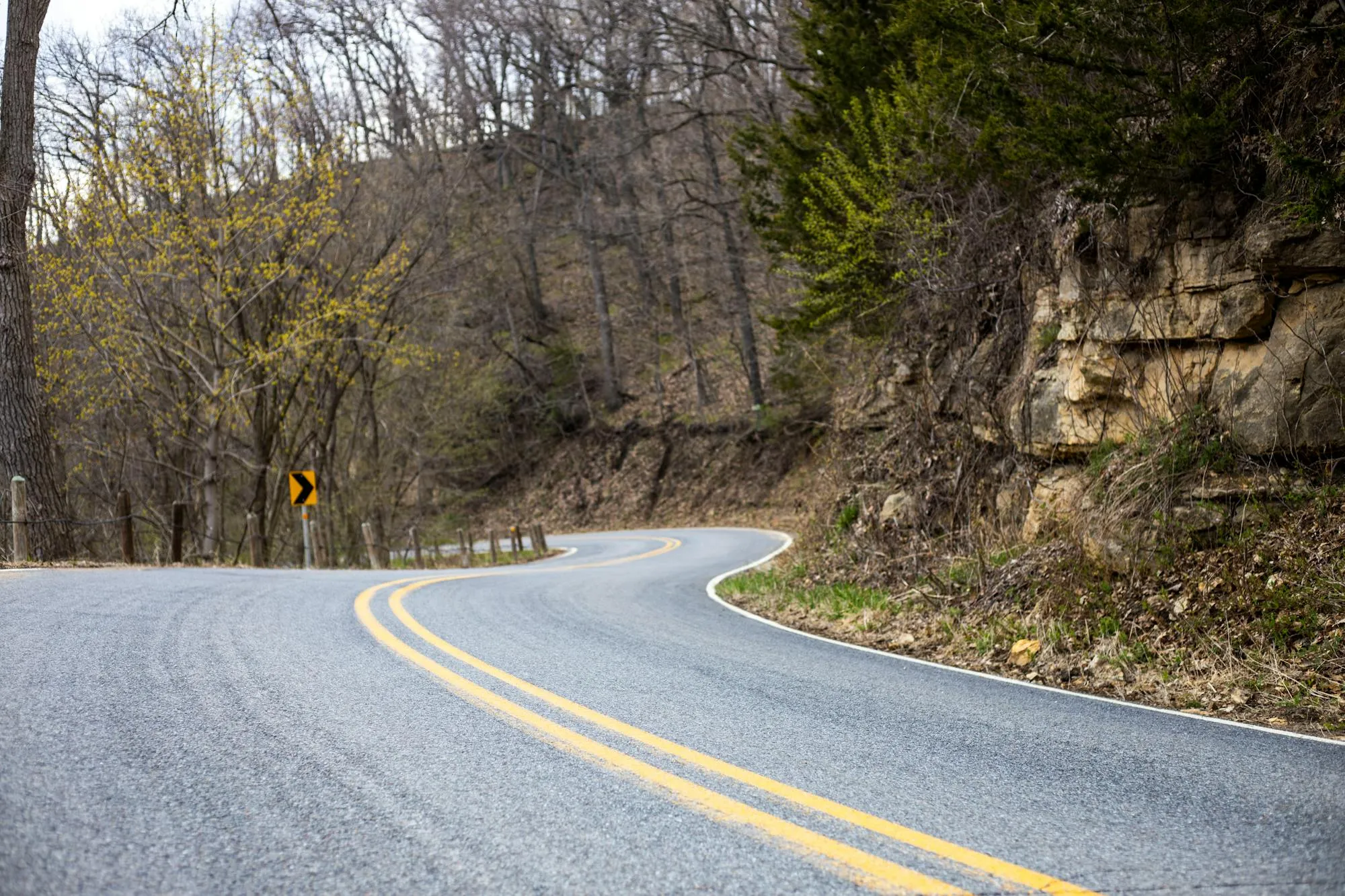
A winding two-lane asphalt road in the Appalachian mountains, photographed in dry daylight. Yellow double-center line markings guide through a series of tight left-hand curves. Dense deciduous and evergreen forest flanks both sides; a rock cut is visible on the right. The road surface and geometry suggest a technical, high-traffic riding corridor popular with motorcyclists.
Chris Flaten / Pexels

The Truth on the Street

Known issues

  • Engine meltdown under sustained WOT

    enginerare

    Several owners have reported catastrophic engine damage after prolonged wide-open-throttle use. The supercharged motor can overheat, and intake air temperature must be closely monitored. Avoid extended flat-out runs to prevent this failure.

  • Extremely limited trackday acceptance due to noise

    exhaustcommon

    The unbaffled exhaust can produce noise levels far exceeding typical circuit limits, meaning owners struggle to find venues that will allow the bike to run.

The Expert Benchmark

Where this Kawasaki Ninja H2R pulls ahead of — or falls behind — its rivals on the numbers, and the typical bike in its class on character.

What kind of bike this is — character vs. the class

This bike Class average

The shape of the Kawasaki Ninja H2R — numbers and character vs. the average Supersport

Head-to-head: Kawasaki Ninja H2R vs. its rivals

The Handshake Score

Forget spec-sheet bragging. Here's who the Ninja H2R is actually built for.

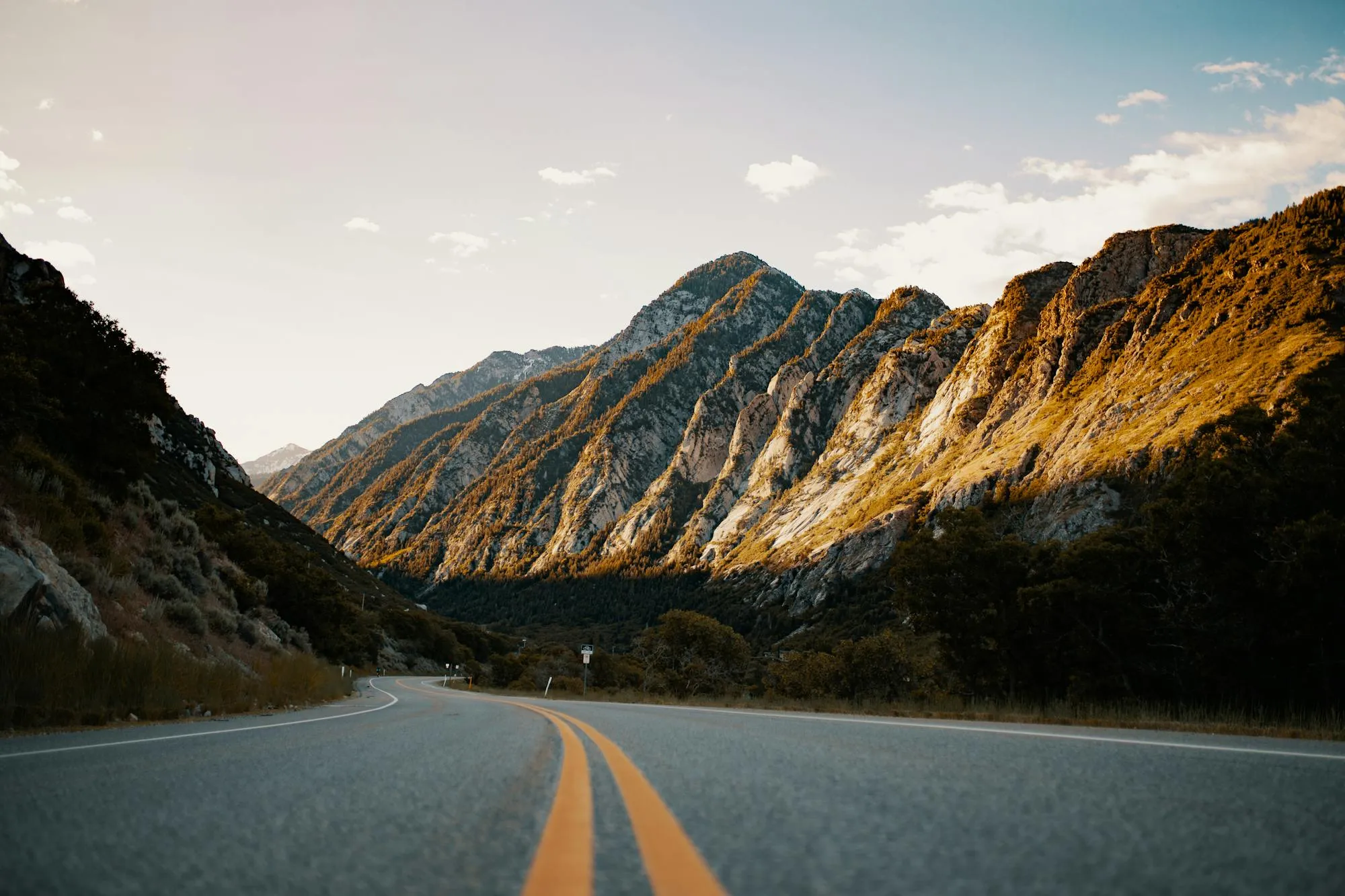
A scenic view of Angeles Crest Highway winding through rugged Southern California canyon terrain. Rocky mountainsides with golden earth tones frame the asphalt road with tight sweeping curves. Double yellow center line visible, sparse vegetation along the shoulders, clear blue sky with white clouds. Daylight, dry conditions. Iconic location for canyon-road enthusiasts.
Josh Sorenson / Pexels

Best motorcycle for Laguna Seca?

This is the closest thing to a natural home for the H2R, but go in clear-eyed. The noise locks it out of most venues, the service demands are relentless, and it's more machine than most track days can actually use.

Made for Barber Motorsports Park · WeatherTech Raceway Laguna Seca · Circuit of the Americas

Best motorcycle for Angeles Crest?

Skip it. The H2R has no plates and no business on Angeles Crest; it's a track-only weapon that can't legally touch the canyons you actually ride. Your fun lives on a street-legal bike.

Made for Angeles Crest Highway · Coronado Trail / US 191 · Highway 1 / Big Sur

Best motorcycle for Tail of the Dragon?

Wrong tool. The Dragon rewards a light, street-legal bike you can ride all weekend, and this one can't run there at all. Its speed needs runway and a closed circuit, not public twisties.

Made for Back of the Dragon · Blue Ridge Parkway · Cherohala Skyway