Yamaha XJ6 Diversion F ABS (RJ19) — Sport Tourer
NastyNils / Yamaha press archive

2010–2017 · Sport Tourer · Buyer's Guide

XJ6 Diversion F ABS (RJ19)

Smooth Miles, Zero Drama

The Machine's Character

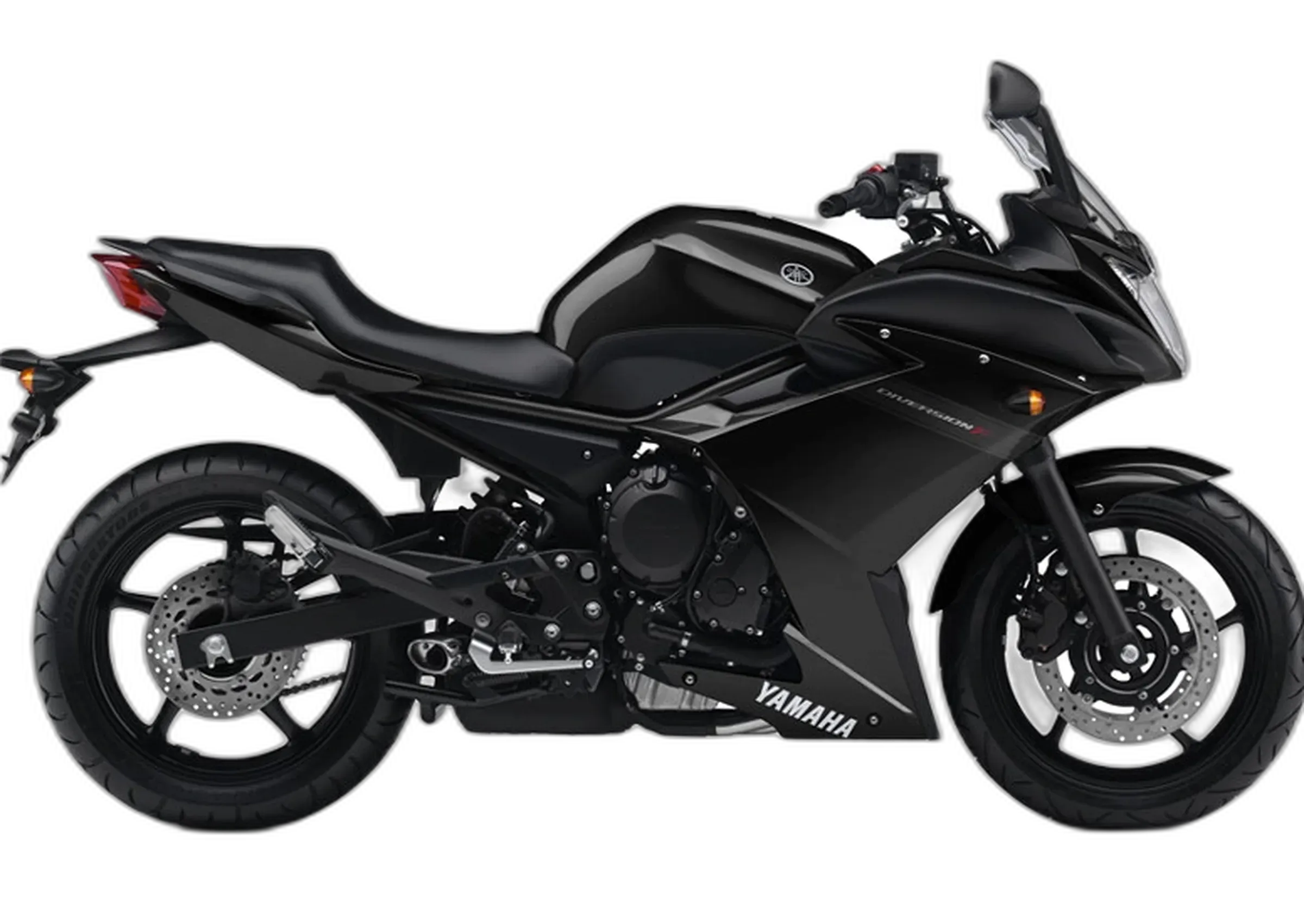
The XJ6 Diversion F builds its 600cc inline-four from Yamaha's sportbike bloodline, then retunes it for the road. What you get is 78 hp and 44 lb-ft delivered with unusual polish: liquid-cooled, six-speed, calibrated so cleanly there's no flat spot to work around. Add a full fairing, standard ABS, and an upright seating triangle, and this lands as one of the more approachable middleweight sport-tourers in its class. It doesn't chase headline numbers. It aims to make big-bike touring feel manageable from the first mile, and it mostly succeeds.

Ride it and the appeal is in how little it asks of you. The handling stays light and neutral, the fueling never surprises, and the reliability record is strong enough to trust on a long weekend. It fits newer riders stepping up to their first big bike and commuters who still want a machine with some personality. The honest caveat: the front fork takes no adjustment and the rear offers only preload, so load it two-up with gear and the suspension runs out of answers. There's also no factory luggage, which stings on a bike this ready to travel.

Hard Numbers

Spec sheets don't ride bikes, but they set the baseline.

Show full specs & equipment Hide specs & equipment
Key specifications
Power 78 hp (57 kW)
Torque 44 lb-ft (60 Nm)
Displacement 600 cc
Engine Inline-four
Cooling Liquid-cooled
Gearbox 6-speed
Final drive Chain
Fork Telescopic
Front brake 298 mm
Front tire 120/70-17
Rear tire 160/60-17
Seat height 30.9 in (785 mm)
Wet weight 489 lb (222 kg)
Fuel capacity 4.5 gal (17 L)
Top speed 125 mph (201 km/h)
Fuel economy 37 mpg (US)

Equipment check

Chassis

  • Rear Suspension Adjustable Standard

Safety

  • ABS Standard

The Voice of Experience

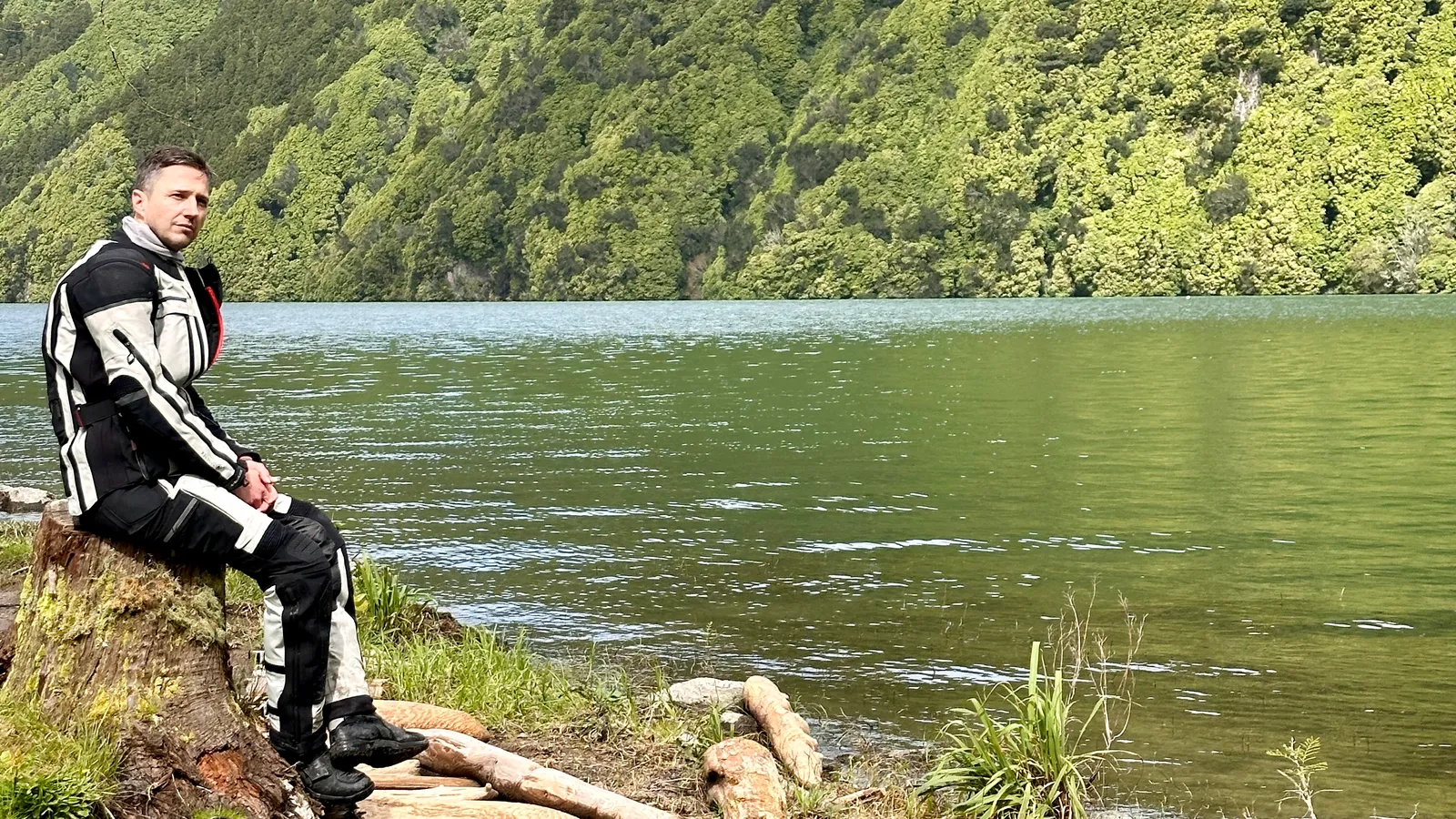
Portrait of NastyNils

The test ride

Swing a leg over and the 30.9-inch seat sits low enough to plant your feet, wide enough to keep earning miles instead of hunting for relief. The clutch pull is feather-light and the shifts drop in clean, so slow city crawling never turns your left hand into the weak link. At highway pace the fairing does real work, pulling the blast off your chest so the wind stops chipping away at you. The inline-four spins with a quiet, glassy smoothness that keeps buzz out of the bars and pegs. Steering is the easy part: it tips in with almost no input and settles without fuss once you're leaned over. The center stand waits underneath for chain days and level parking, fitted from the factory.

Rated point by point — where it earns its keep

My own 0–100 score for this bike against the class, area by area — the marker on each bar is the class average.

My one hard note here is range, and it lands in the plus column. The engine sips a little harder than I'd want in a perfect world, but the tank holds enough that the real-world distance between stops never becomes something I plan around. I've linked up long highway runs and drawn-out mountain climbs without rationing the ride to reach the next pump. The fill-up happens on my schedule, not the fuel gauge's.

Turning this bike asks next to nothing of you. At crawling speeds it feels light and eager to change line, and as the pace picks up it settles into something planted instead of nervous. What kept striking me over a full day is how willing the chassis is to help. It clears the path in front of you instead of adding to your workload, and that easy cooperation is a big reason the bike never gets your guard up, even riding it cold for the first time.

Three things carry a long day for me here. The clutch takes almost no muscle to work and the gears drop in cleanly, so a stop-and-go commute never leaves my left hand as the weak link no matter how long I'm out. The fairing does honest work once the speed builds, pushing enough wind away that a full day doesn't wear me thin. And the seat surprised me. It holds up well past where I expected the aches to start, close enough to real touring comfort that I quit searching for a kinder position. The one clear limit shows up under load. Add a passenger and packed gear and the travel runs short fast, with nothing to dial in and firm things back up, so a rough surface keeps the rear working. Ride it solo and none of that reaches you.

For a Japanese middleweight in this bracket, it shows more attitude than the segment usually permits. The colors are louder and the bodywork more aggressive than the play-it-safe look most of these bikes wear, and that streak runs deeper than the paint. Get it rolling and the same personality comes through in how it carries itself. It comes across as a bike bought on desire rather than on a sensible spec sheet.

The tuning is the standout. The inline-four spins with an almost eerie smoothness from bottom to top, no hesitation, no soft patch to ride around, calibrated tighter than this class usually bothers with. What it won't do is stir you. All that polish arrives without any theater, so the power shows up, does what's asked, and never once quickens your pulse. Competent and clean, just short on character.

The center stand earns its keep. Fitted from the factory, it keeps chain work and level parking simple from day one, which is more than plenty of rivals bother to fit. The weak spot is luggage. Yamaha never listed hard cases for this bike, and no mounting kit exists in the accessory catalog to add them down the road, so packing for a trip means soft bags on the luggage hooks and figuring out the load yourself. For a bike that otherwise carries real touring intent, that absent hard-case option is a genuine shortfall.

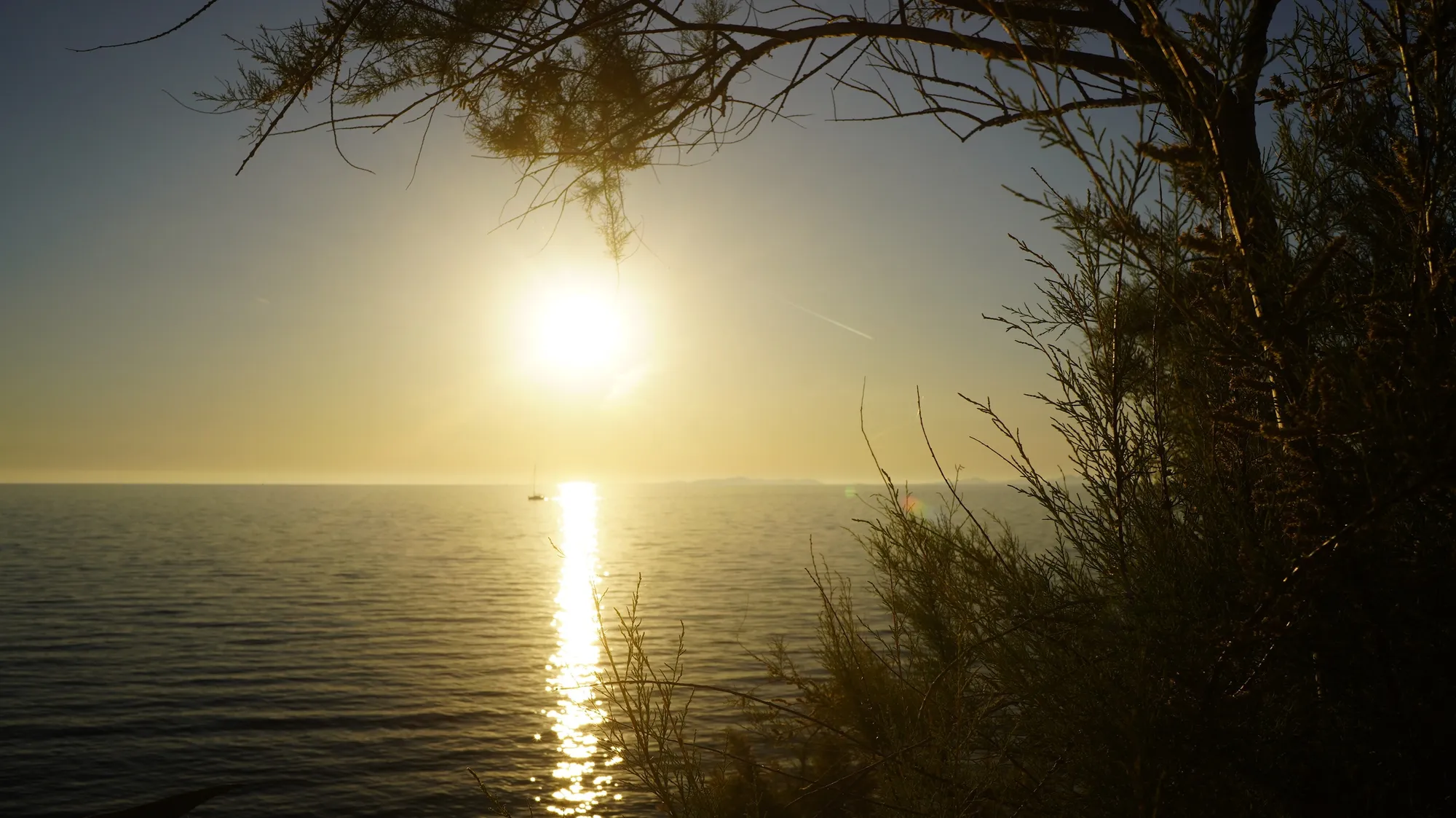
Sunset over the Adriatic Sea near Primosten, Croatia. Golden hour light bathes calm water in warm tones, with a small sailboat on the distant horizon. Rocky vegetation frames the right foreground. Clear skies and gentle conditions.

The Truth on the Street

None of this comes off a spec sheet. It's what has settled out of years of listening to the people who own these bikes: message boards where riders trade notes over the long haul, talk at rallies and group rides, and the emails that land straight in my inbox. For this Yamaha the picture lines up cleanly. Owners hold onto it because it's dependable and easy to live with, and they name the same short list of compromises when the road gets serious.

What keeps owners loyal

Dependability is the drumbeat. Riders keep coming back to an under-stressed engine that rarely gives trouble and costs little to service, with high odometer readings and no drama behind them. Close behind is the power itself, smooth and easy to meter out, which suits newer hands and damp commutes alike. Many add that the tall, relaxed seating makes long days painless, and that the everyday gear (ABS, a center stand, underseat storage, and a legible digital display) covers more ground than rivals bother to.

Where the gripes cluster

The complaints land on the chassis. The basic fork and preload-only shock draw the most heat, jittery over broken pavement and out of their depth with a passenger aboard. A steady chorus calls out the fixed screen for buffeting once the pace climbs. At 489 lb (222 kg) wet the steering feels heavy in town, and the soft setup grounds the pegs early when the cornering gets keen. A smaller group flags corroding brake calipers, the rear worst of all.

Known issues

  • Brake caliper seizing and corrosion

    brakescommon

    Front and rear brake calipers are prone to corrosion, causing pistons to seize, resulting in poor braking and MOT failures. Regular cleaning and greasing is essential.

  • Brake light switch failure

    electricsoccasional

    The front brake light switch can fail due to corrosion or poor contact, causing the brake light to stay on or not activate.

  • Ignition key difficult to turn

    electricsoccasional

    The ignition barrel can become sticky and the key difficult to turn, requiring regular lubrication or eventual replacement.

  • Centre stand rubber bumper falls off

    chassiscommon

    The rubber stop on the centre stand often perishes and falls off, leading to metal-on-metal clanking; a cheap fix with a door stop.

  • Exhaust system surface rust

    exhaustoccasional

    Original exhaust downpipes and the collector box are prone to surface rust, especially on bikes ridden through winter without adequate protection.

The Expert Benchmark

Where this Yamaha XJ6 Diversion F ABS pulls ahead of — or falls behind — its rivals on the numbers, and the typical bike in its class on character.

What kind of bike this is — character vs. the class

This bike Class average

The shape of the Yamaha XJ6 Diversion F ABS — numbers and character vs. the average Sport Tourer

Head-to-head: Yamaha XJ6 Diversion F ABS vs. its rivals

The Long-Haul Verdict

Forget spec-sheet bragging. Here's who the XJ6 Diversion F ABS is actually built for.

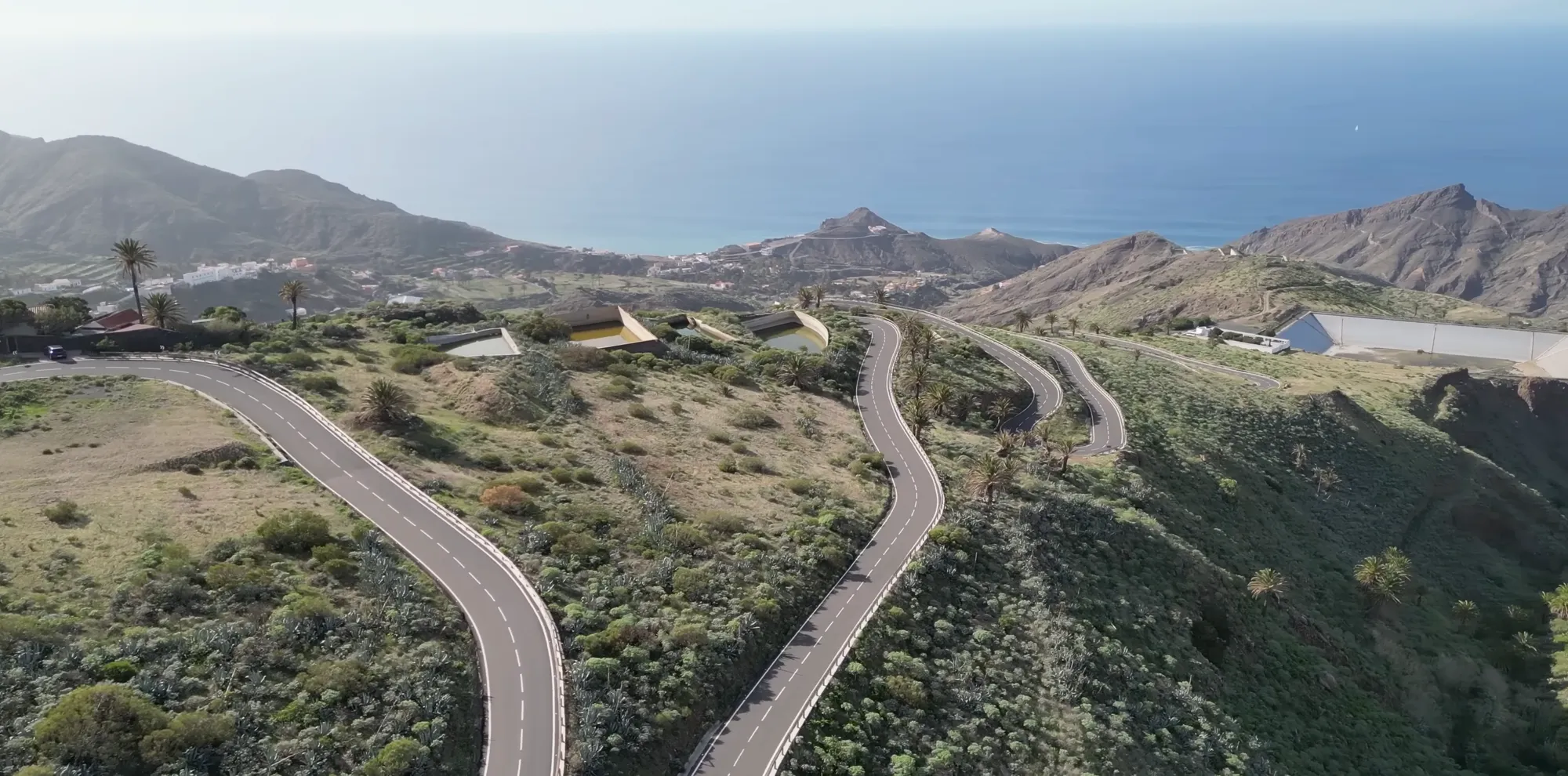
Aerial view of a winding asphalt road cutting through volcanic terrain on La Gomera, Canary Islands. The road curves through sparse green vegetation with rocky volcanic peaks visible in the background and a settled valley to the left. Clear lane markings, dry climate, partly cloudy sky.

Best motorcycle for Tail of the Dragon?

For working technique on the Dragon and Blue Ridge, the light, neutral steering plays along and the seat lets you stay out all day. Just know the engine won't feed you top-end drama when you push for it.

Made for Back of the Dragon · Blue Ridge Parkway · Cherohala Skyway
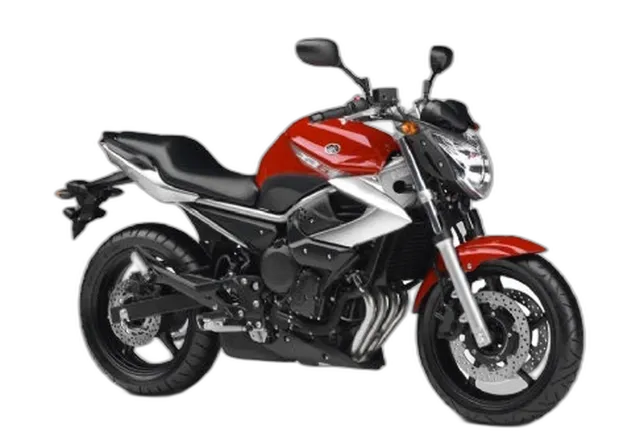
Best motorcycle for Highway 1?

This is your lane. Comfort, easy miles, and real wind protection make 200-to-400-mile days on Highway 1 or the Blue Ridge feel effortless, provided you travel solo or light and sort your own soft luggage.

Made for Black Hills · Blue Ridge Parkway · Cherohala Skyway
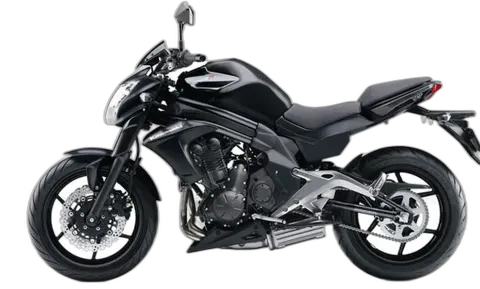
Best touring motorcycle for long distance?

Honest answer: this one's a stretch. Solo it tours well, but load it two-up with full gear and the suspension runs short, and with no factory luggage the big-mileage setup falls on you.

Made for Beartooth Highway · Blue Ridge Parkway · Going-to-the-Sun Road

What's new versus the previous generation

If you're cross-shopping the older generation, here's what changed.

Yamaha XJ6 (MY2009)

Previous generation · 2009–2017

Yamaha XJ6 (MY2009)

Smooth Four, Zero Drama

Compare to the previous model →

Alternatives to the Yamaha XJ6 Diversion F ABS

If this one isn't quite the fit, these are the bikes worth riding back-to-back against it.

Any price note compares both bikes at the same age — the youngest age both have on the used market — against this Yamaha XJ6 Diversion F ABS. “cheaper/pricier” is what that bike costs second-hand, not how worn it is.