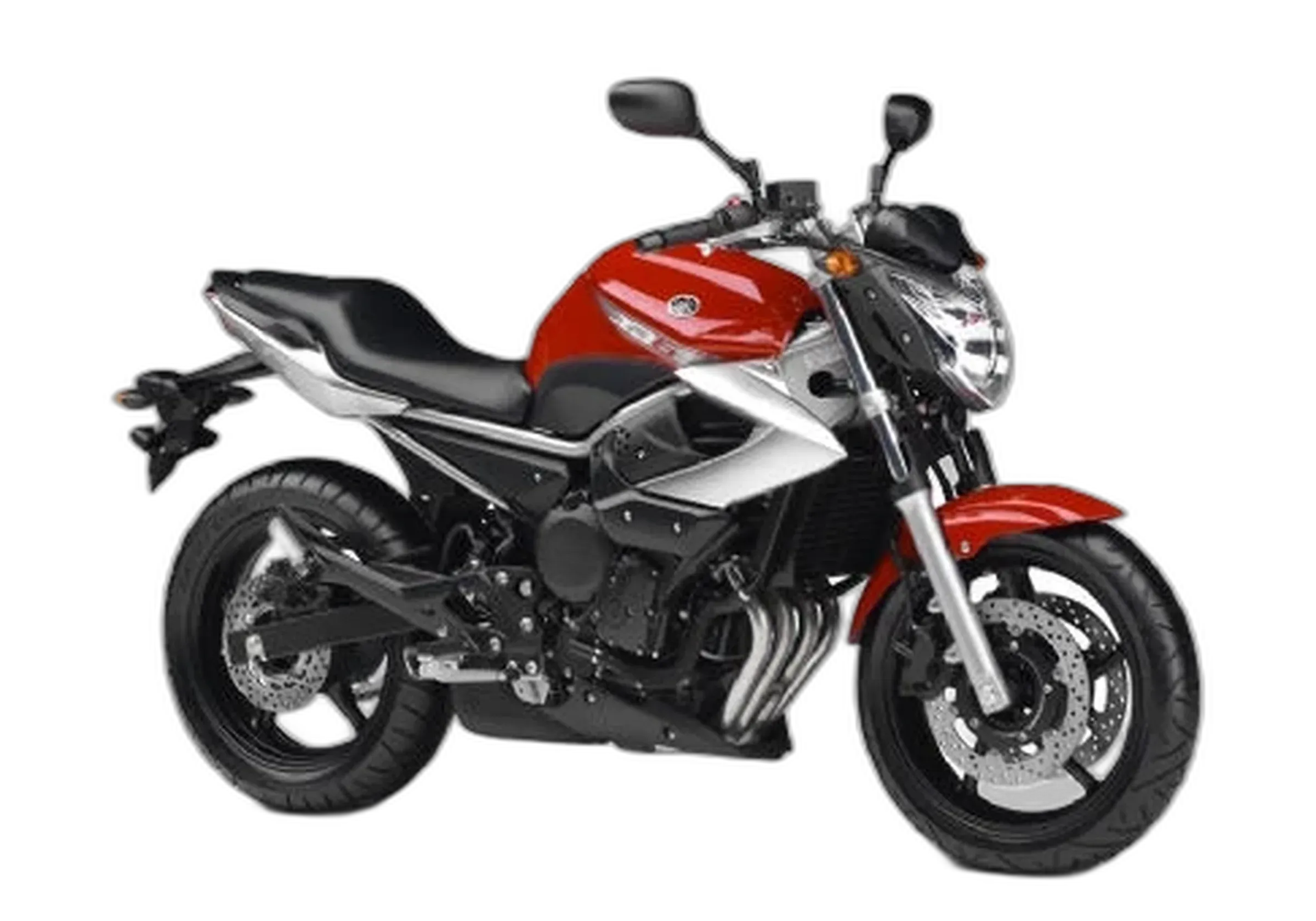
Yamaha XJ6 (MY2009) — Naked Bike
NastyNils / Yamaha Press

2009–2017 · Naked Bike · Buyer's Guide

XJ6 (MY2009)

Smooth Four, Zero Drama

The Machine's Character

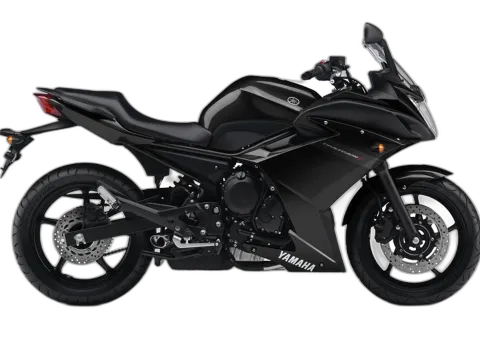
The XJ6 takes the inline-four idea and tunes it for the road rather than the rev limit. You get 78 hp and 44 lb-ft from 600 cc of liquid-cooled four, hung in a steel frame with a six-speed box and chain final drive. It isn't built to chase a spec sheet. The low end keeps you moving, the genuine pull lands in the mid-range, and the four-cylinder note stays quiet and silky in a way no twin manages. Light naked weight and easy steering put it in the part of the class that prizes usability over outright bite, and it earns its place there honestly.

This is a bike you keep, not one you tolerate for a season. Reliability is its strongest card, running costs stay low, and the relaxed riding position holds up over a full day in the saddle. At 452 lb (205 kg) wet with a 30.9 in (785 mm) seat, it stays approachable for newer hands without feeling like a starter toy. The honest caveats: there's no windscreen, so highway air pressure builds into real fatigue on long runs, and the swingarm and rear axle hardware look cheap next to everything else. Buy it for what it does well and it rarely lets you down.

Hard Numbers

Spec sheets don't ride bikes, but they set the baseline.

Show full specs & equipment Hide specs & equipment
Key specifications
Power 78 hp (57 kW) @ 10,000 rpm
Torque 44 lb-ft (60 Nm) @ 8,500 rpm
Displacement 600 cc
Engine Inline-four
Cooling Liquid-cooled
Gearbox 6-speed
Final drive Chain
Fork Telescopic
Front brake 298 mm
Front tire 120/70-17
Rear tire 160/60-17
Wheelbase 56.7 in (1440 mm)
Seat height 30.9 in (785 mm)
Wet weight 452 lb (205 kg)
Fuel capacity 4.5 gal (17 L)

Equipment check

Safety

  • ABS Optional

The Voice of Experience

Portrait of NastyNils

The test ride

Swing a leg over and the bike asks almost nothing of you to get rolling. The clutch lever needs barely any effort, even after a long stretch of stop-and-go, and every shift clicks into its gate cleanly with no missed gears or false neutrals. The tank shape lets your knees lock in through tighter sections, so you stay plugged into the machine instead of perched on top of it. Over patchy pavement the suspension soaks up the rough stuff without firing stress back through the bars and the seat. The four spins up smooth and quiet, and on a solo back road the lighter naked body flicks from side to side with real willingness.

Rated point by point — where it earns its keep

My own 0–100 score for this bike against the class, area by area — the marker on each bar is the class average.

Across my miles the bike never gave me a mechanical reason for doubt, save for one thing your eyes keep landing on. The swingarm and its rear axle mount are the lone spot where the low-budget brief surfaces, that hardware finished a clear notch below the clean components bolted all around it. I read it as cosmetics rather than a durability worry. It nags only because the rest of the machine is put together neatly enough that a single coarse-looking corner draws the eye straight to it.

The steel frame quietly beats expectations. This is nothing like the vague budget tubing that used to go light once the pace climbed; the XJ6 plants itself on a fast line and tracks it without correction from me, and the slim naked body snaps through quick direction changes with real appetite. The limit shows under load. Solo and brisk the springs stay composed and out of mind, but add a passenger and the rear shock gives up its travel early while the fork clearly has more in reserve, a front-to-rear mismatch you feel working beneath you.

Outright power and the fun you actually take home aren't the same currency, and this is where the XJ6 makes its case. I watched riders raised on supersport horsepower come off a launch day genuinely rethinking what they want from a machine. There's real playfulness behind the argument too. Lift the front in first and even a newcomer can hold it; the trick is carrying the wheel across the shift into second, where timing matters far more than throttle.

The fueling is what stays with me. Deep in a slow hairpin the throttle answers precisely as much as I ask, no hesitation and no stumble, and snapping it shut mid-bend brings no driveline jerk at all, the handoff onto engine braking perfectly clean. There's enough low down to pull cleanly away, but the genuine drive lives in the mid-range, where the four runs with a quiet, smooth composure no twin reaches at this size.

In town the standout is how little your left hand has to do. Yamaha revised a clutch that was already decent, and the result is a lever so light it disappears from your attention even after a long stop-and-go grind. The shift action backs it up, every gear engaging positively with no false neutrals to catch you out. Over a longer day the package holds together, the tank giving my legs solid contact for control while the suspension trims the worst of a rough surface before it reaches me, so the miles never turn into an ordeal. The honest debits: with no fairing to part the air, a steady highway speed builds wind pressure into genuine fatigue, and the dash skips a gear indicator, a real miss on a machine aimed at riders still finding the box by feel.

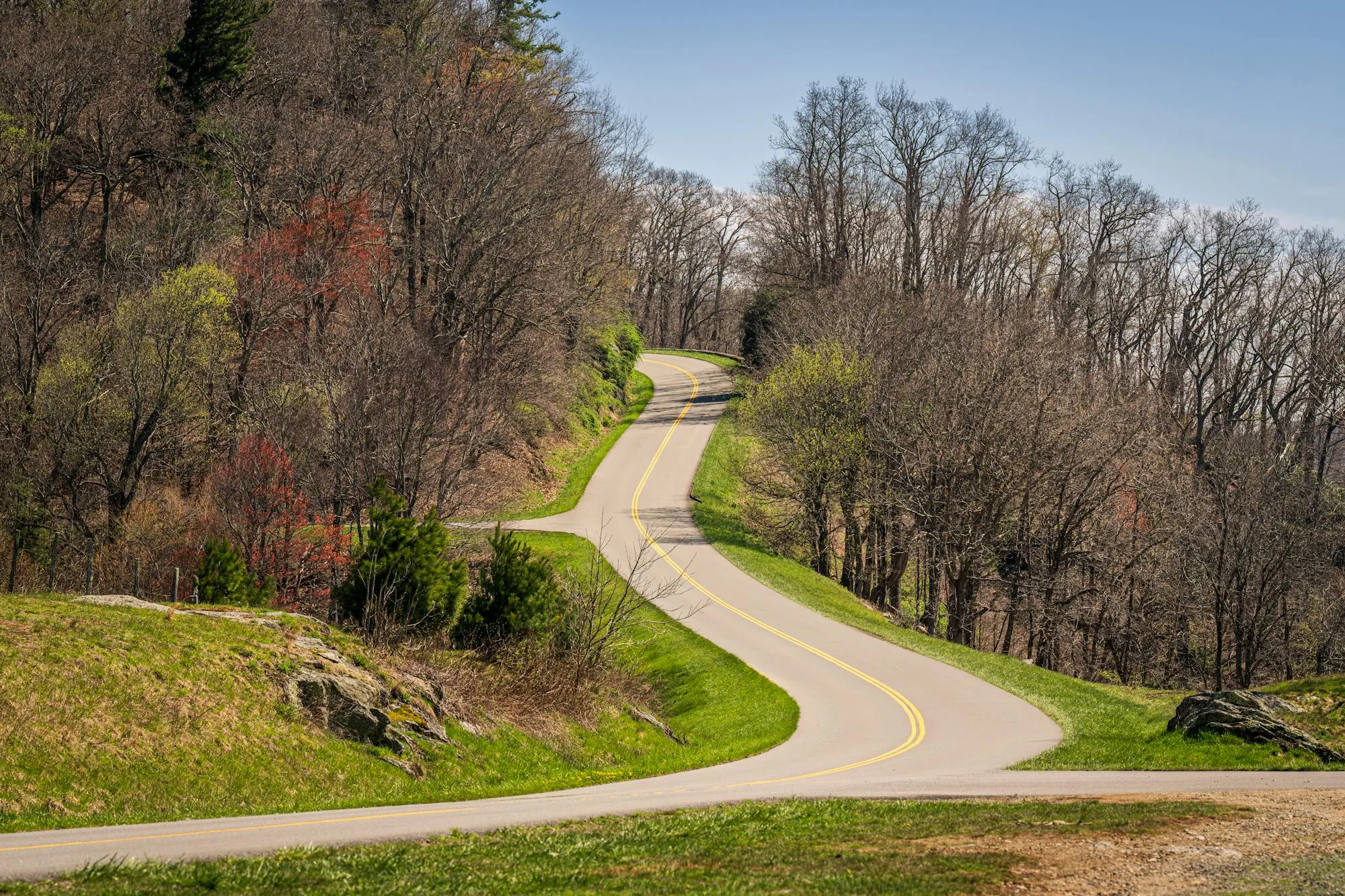
A winding asphalt road descending through the Appalachian Mountains, likely the famous Tail of the Dragon section in Tennessee and North Carolina. Multiple technical right-hand and left-hand curves are visible in this aerial perspective, surrounded by deciduous forest in spring foliage. Clear sunny conditions, well-maintained asphalt with yellow center lines marking the curves.
Mark Stebnicki / Pexels

The Truth on the Street

What follows isn't pulled from a brochure. It's the picture I've built over years of rider talk: paddock conversations, owners I stay in touch with, and the questions that keep filling my inbox. Strip it down and one pattern holds steady. Deep trust in how dependable and easy the XJ6 is to live with, with the criticism saved for where the budget shows.

Why owners hold onto it

Reliability tops nearly every account. Riders describe a four-cylinder that simply keeps running, sips oil, and costs little to service. Close behind sits the ease of it: light steering, a low perch, and a chassis forgiving enough for newcomers yet still rewarding once you know your way around. The power draws steady mention for building smoothly and evenly, with nothing abrupt in the delivery, and many call it a comfortable companion for short errands and long days alike.

Where the budget shows

The criticism runs just as consistent. Suspension leads it: pushed hard over rough pavement, owners say the bike floats and washes wide of its line. Corrosion comes up often too, with rust reported on the forks, suspension hardware, and the exhaust on bikes that see winter use. A few cite the weight, noticeable mainly in tight low-speed handling, and others note how little technology is aboard, lacking traction control, ride modes, or similar electronics.

Known issues

  • Shift shaft recall (potential)

    drivetrainrareRecall

    Some early models were recalled because the shift shaft could break, potentially locking the gearbox. Owners should verify the recall work was carried out.

  • Rear shock absorber deflation

    suspensionoccasional

    The rear shock can lose pressure and eventually deflate, causing a harsh ride and reduced damping control. Replacement or rebuild may be needed.

  • Front brake calipers seizing

    brakesoccasional

    The sliding pins on the front calipers corrode if not cleaned regularly, causing uneven pad wear and dragging brakes.

  • Inconsistent idle speed / stalling

    fuel systemoccasional

    The idle can fluctuate or drop below 1000 rpm after a blip of throttle and occasionally stalls. On this fuel-injected engine the usual causes are gummed or dirty throttle bodies, a fouled idle-air/idle-speed control circuit, or dirty injectors rather than carburetor jetting; a throttle-body clean and sync generally sorts it.

  • Loose handlebar clamps

    chassisoccasional

    Some owners report the handlebar clamps working loose after a few months; tightening and thread-locking agent resolves the issue.

  • Chain noise in higher gears

    drivetrainoccasional

    Unusual rattling or slapping sounds from the final drive chain in top gears, often caused by improper tension or worn sprockets.

  • Corrosion on suspension linkages and fasteners

    chassiscommon

    Swingarm and suspension linkage bearings seize if not regularly greased; substandard zinc plating on bolts leads to rust, especially on fork legs and exhaust collector.

The Expert Benchmark

Where this Yamaha XJ6 pulls ahead of — or falls behind — its rivals on the numbers, and the typical bike in its class on character.

What kind of bike this is — character vs. the class

This bike Class average

The shape of the Yamaha XJ6 — numbers and character vs. the average Naked Bike

Head-to-head: Yamaha XJ6 vs. its rivals

The 'Should I Buy It?' Score

Forget spec-sheet bragging. Here's who the XJ6 is actually built for.

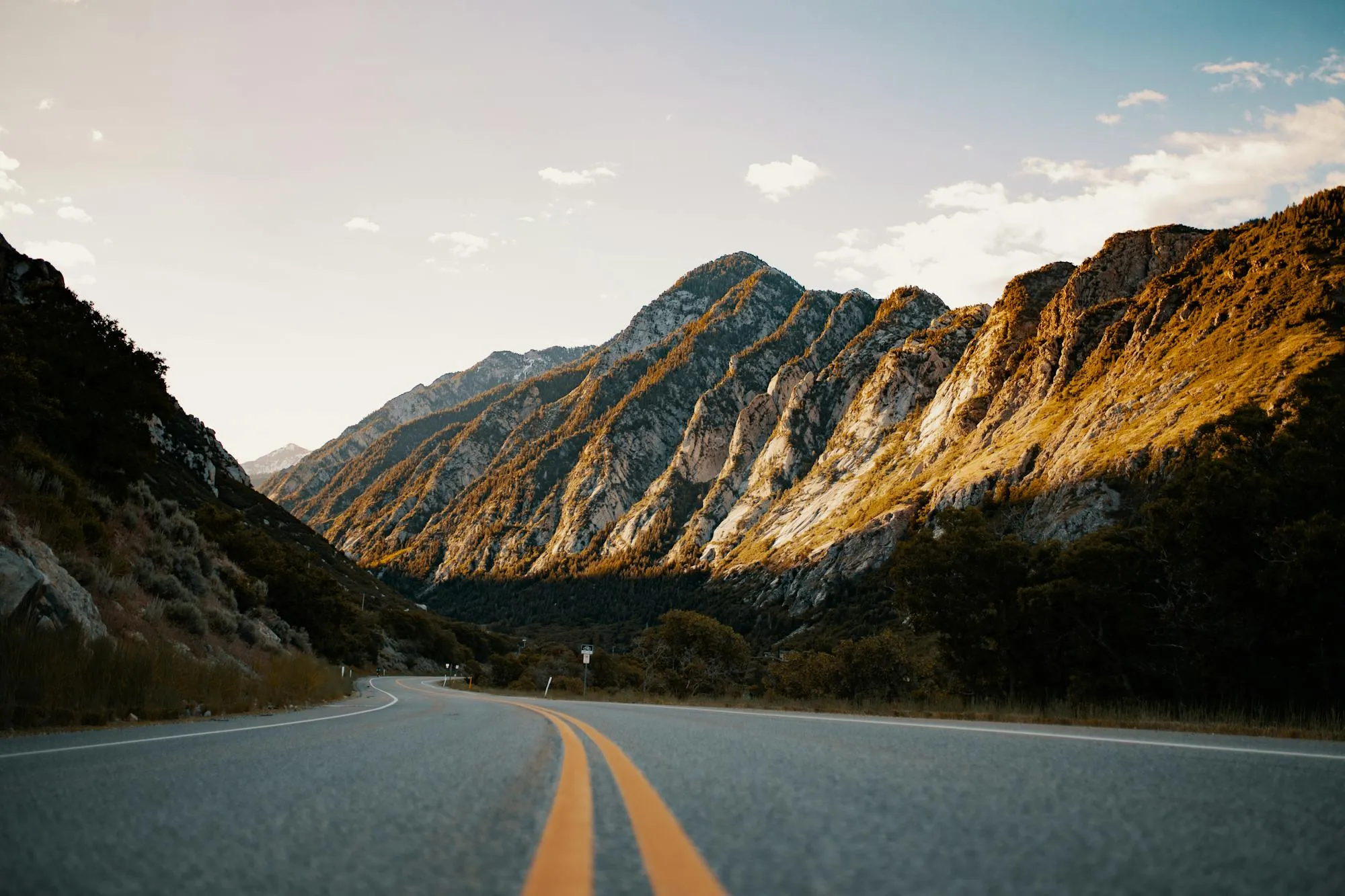
A scenic view of Angeles Crest Highway winding through rugged Southern California canyon terrain. Rocky mountainsides with golden earth tones frame the asphalt road with tight sweeping curves. Double yellow center line visible, sparse vegetation along the shoulders, clear blue sky with white clouds. Daylight, dry conditions. Iconic location for canyon-road enthusiasts.
Josh Sorenson / Pexels

Best motorcycle for Tail of the Dragon?

If your weekends are about working the technical corners rather than chasing top speed, the XJ6 fits. It's light, flicks willingly through quick changes, and rewards clean lines over raw power.

Made for Back of the Dragon · Blue Ridge Parkway · Cherohala Skyway
Best motorcycle for Angeles Crest?

Solo at a spirited pace it steers easily and holds its line, but go in clear-eyed: this is a usable middleweight, not a sharp track weapon, and the suspension has no adjustment to dial in.

Made for Angeles Crest Highway · Coronado Trail / US 191 · Highway 1 / Big Sur

Best motorcycle for Texas Hill Country?

Comfortable, dependable, and easy to live with on a long day of backroads and BBQ stops. Just plan around the missing windscreen, since highway air builds into fatigue on the longer hauls.

Made for Austin / Texas Hill Country · Twisted Sisters · Austin / Handbuilt Motorcycle Show

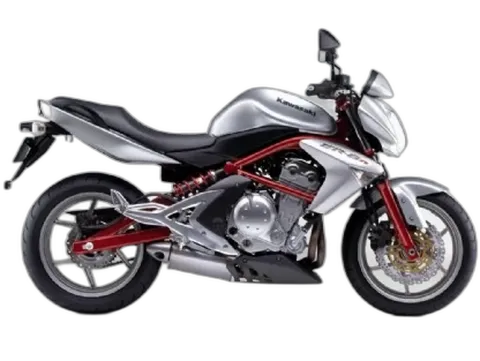
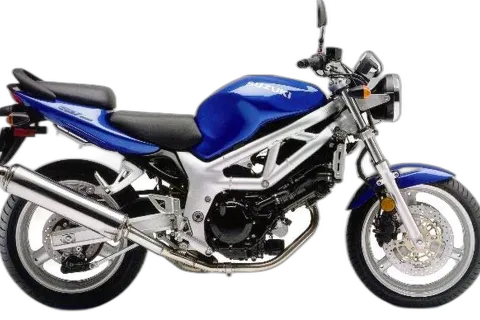
Alternatives to the Yamaha XJ6

If this one isn't quite the fit, these are the bikes worth riding back-to-back against it.

Any price note compares both bikes at the same age — the youngest age both have on the used market — against this Yamaha XJ6. “cheaper/pricier” is what that bike costs second-hand, not how worn it is.