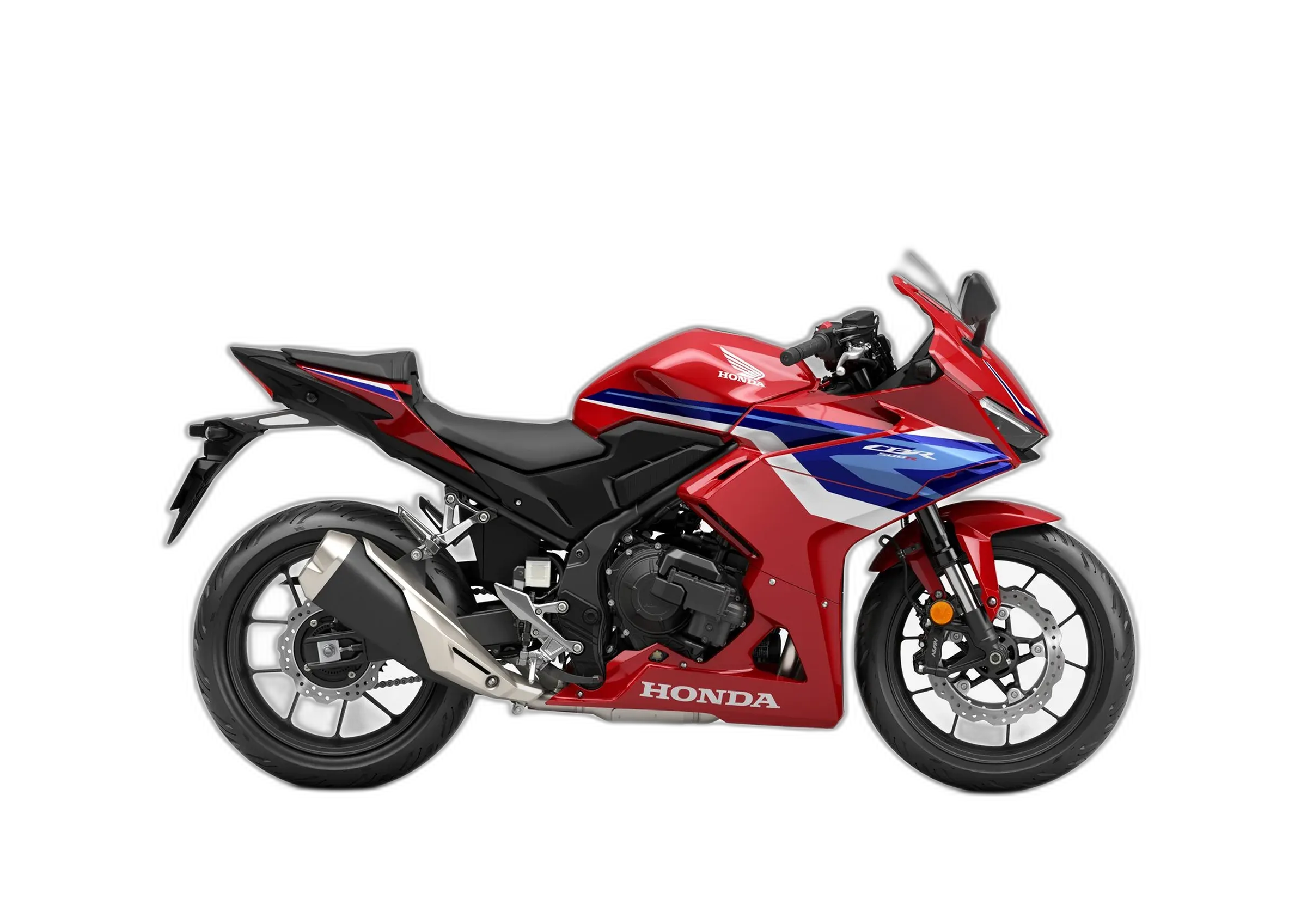

Honda CBR500R (PC 62A-E_Clutch) — Sport Tourer
Honda press archive

2026 · Sport Tourer · A variant of the CBR500R

CBR500R E-Clutch (PC 62A-E_Clutch)

Differences between the standard CBR500R and the E-Clutch

4 / 5 NastyNils Rating · against its class

The Clutch-Free Manual

The Machine's Character

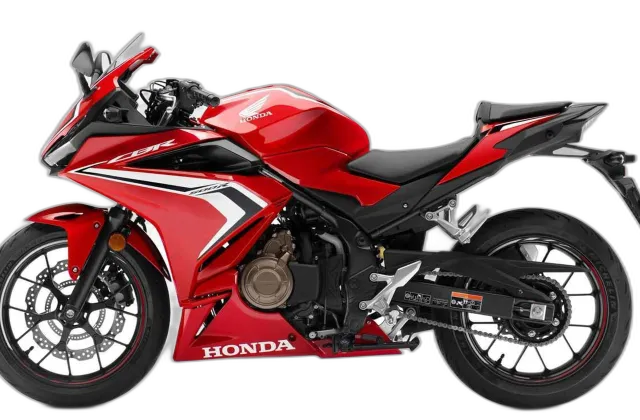
Honda builds the CBR500R around a 471 cc liquid-cooled parallel twin making 48 hp and 32 lb-ft, wrapped in full sportbike bodywork and hung on a steel tube frame with an upside-down fork. The E-Clutch handles clutch duty at take-off, at stops and through gear changes, while the foot shifter stays entirely in your hands. Around that sit ABS, traction control, a slipper clutch, a TFT screen with navigation and phone pairing, and LED lighting. It looks and sits like a bigger machine, but everything about how it makes and delivers its power is calibrated to keep the rider relaxed.

Out on the road that calibration is the whole point. Nothing snaps at you, nothing punishes a clumsy input, and the parts that usually go loose or ugly after a couple of hard seasons stay tight on this one. That makes it a genuine long-term keeper for riders stacking up commutes, weekend loops and 200 to 400 mile days without wanting drama in return. The honest caveat sits in the gap between the bodywork and the engine. The fairing writes a check for a machine that revs harder and pulls harder than this one does. You ride it for composure and range, not urgency.

Hard Numbers

Spec sheets don't ride bikes, but they set the baseline.

Show full specs & equipment Hide specs & equipment
Key specifications
Power 48 hp (35 kW) @ 8,600 rpm
Torque 32 lb-ft (43 Nm) @ 6,500 rpm
Displacement 471 cc
Engine Parallel twin
Cooling Liquid-cooled
Gearbox 6-speed
Final drive Chain
Fork Upside-down (USD)
Front brake 296 mm
Front tire 120/70-17
Rear tire 160/60-17
Wheelbase 55.5 in (1410 mm)
Seat height 31.1 in (790 mm)
Wet weight 421 lb (191 kg)
Fuel capacity 4.5 gal (17 L)
Top speed 112 mph (180 km/h)
Fuel economy 67 mpg (US)

Equipment check

Chassis

  • Rear Suspension Adjustable Standard

Comfort

  • Heated Grips Optional

Connectivity

  • TFT Display Standard
  • Smartphone Connectivity Standard
  • Navigation Standard

Drivetrain

  • Automated Clutch (E-Clutch / auto clutch) Honda E-Clutch Clutchless ridingStall free low speed Standard
  • Quickshifter Standard
  • Slipper Clutch Standard

Lighting

  • LED Headlight Standard

Safety

  • ABS Standard
  • Traction Control Standard
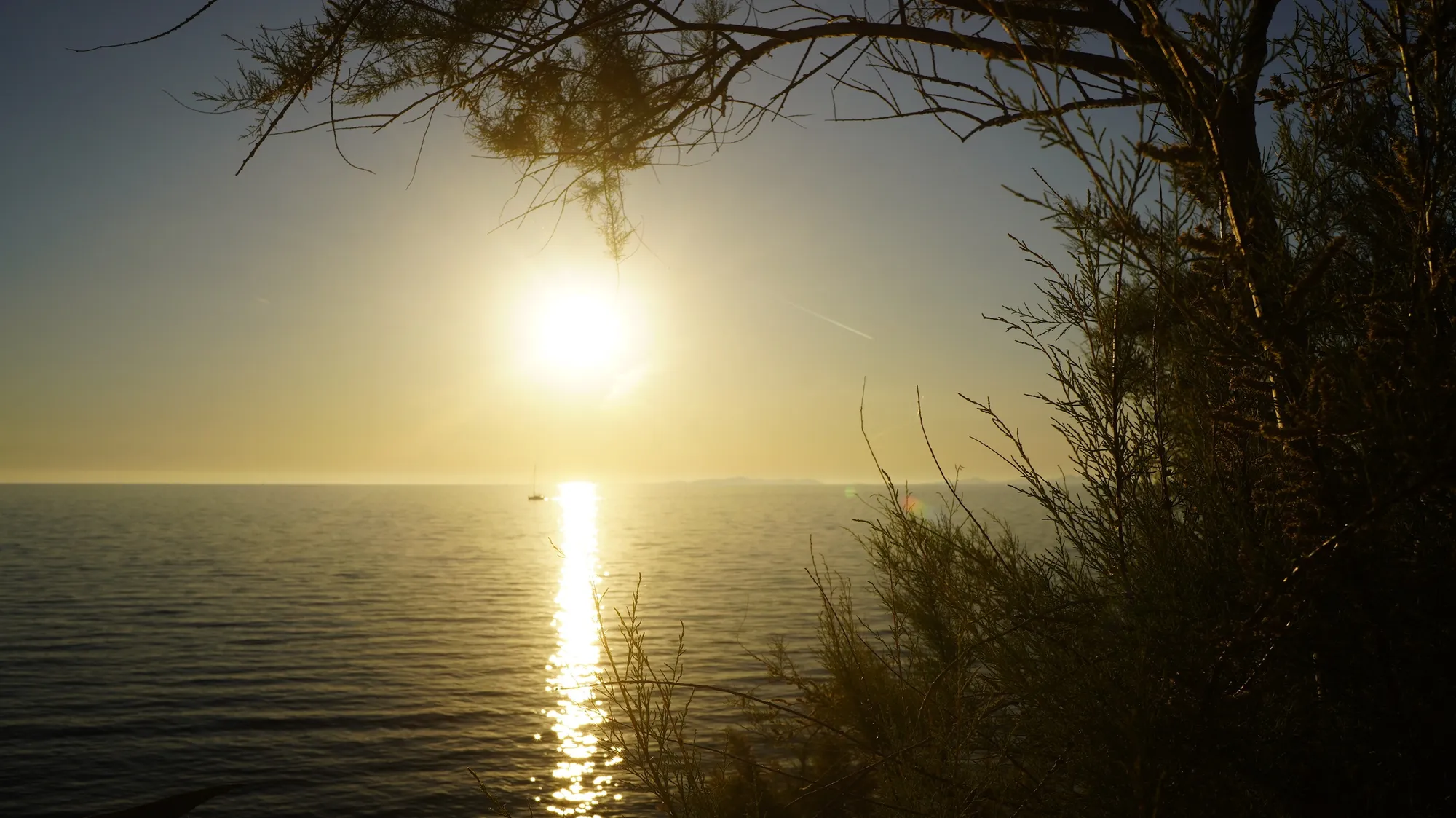
Sunset over the Adriatic Sea near Primosten, Croatia. Golden hour light bathes calm water in warm tones, with a small sailboat on the distant horizon. Rocky vegetation frames the right foreground. Clear skies and gentle conditions.

The Truth on the Street

Over the years I've collected what owners of this bike tell me: talk in the paddock, long chats with people who have lived with one, club-night conversations, and the messages riders send me directly. On this CBR500R the pattern is unusually consistent. Owners trust the engine and the chassis. Their complaints come back to the same few places: weight, the rear shock, and what the riding position does to your body after a few hours.

The twin nobody worries about

Reliability is the point riders come back to most. The twin has a reputation for being very hard to hurt. One story I keep hearing involves bikes used at a riding school, thrashed for thousands of miles and still running without mechanical trouble. Owners with high-mileage examples say they see little wear beyond the usual consumables. The same people like how the engine pulls low and in the middle of the rev range. It handles real-world riding without constant downshifting, and several owners rate that torque above what the smaller-displacement bikes in the class offer. Fuel economy comes up almost as often, with owners landing around 67 mpg in everyday use. The light, slipper-assisted clutch also gets steady praise, mostly from riders who spend their week in traffic.

A sharp front, a soft rear

Riders consistently describe the handling as light, neutral and predictable. The chassis stays composed when pushed and keeps asking for more corner speed. Many single out the front end, crediting the upside-down fork with controlled damping and a ride that feels a class above budget rivals. The rear is a different story. A recurring complaint is a shock that feels soft and underdamped, with preload as its only adjustment. Owners say the gap between the better fork and the shock leaves the back of the bike loose and imprecise. Weight is the other sore point. Even owners who praise the light steering call the bike heavier than its direct rivals. They feel it most in tight corners and at walking pace, where it can turn a little cumbersome.

Wind, wrists and a quiet twin

Long days are where the clip-ons start to hurt. Owners report wrist and back fatigue after two to three hours, and some say the naked CB500F sibling is the more comfortable choice for touring. The stock screen draws steady complaints for pushing turbulent air at helmet height, which brings real noise and buffeting at speed. Riders who switch to an aftermarket screen say the difference in noise is dramatic. The mirrors are another common first fix, because the stock pair mostly shows your own arms and gloves. Then there is character. Plenty of owners find the twin smooth but bland, with a sound that doesn't stir much. Experienced riders say the fun is over around 9,000 rpm, well before they're ready to stop revving.

Known issues

  • Intermittent starting problem reported on 2026 model

    electrics occasional

    A few owners have reported intermittent starting issues on early 2026 models, possibly linked to the immobilizer or ECU, though Honda has not issued a formal recall.

  • Throttle hesitation on higher-mileage units

    fuel system occasional

    Some higher-mileage owners report a stumble or hesitation during initial throttle opening, potentially caused by fouled throttle bodies or degraded sensors.

  • Engine rattling noise at 4,700–5,000 rpm

    engine occasional

    A rattling or knocking sound has been reported by some owners between 4,700 and 5,000 rpm, possibly related to valve train or cam chain tensioner.

  • ABS Sensor Ring Corrosion or Damage

    brakes occasional

    Corrosion or damage causes the anti-lock braking system to misread the sensor, triggering a fault code warning on the dashboard.

  • Brake Caliper Sticking on Slider

    brakes common

    The brake caliper tends to stick on its slider mechanism.

  • Throttle body sync issues causing rough idle

    fuel system occasional

    Throttle body synchronization issues lead to an uneven or rough idle and hesitation during acceleration.

  • Accelerated chain and sprocket wear

    drivetrain common

    The drive chain and sprockets suffer from premature and accelerated wear, particularly when routine maintenance intervals are neglected.

  • Stator/charging system failure

    electrics occasional

    The stator and charging system fail, which presents as dim lighting and improper battery charging at idle.

  • Damage from DIY Maintenance Neglect

    chassis occasional

    Improper servicing leads to overtightened sump bungs and oil filters, incorrectly torqued spark plugs, and broken fairing panels.

  • Fastener Corrosion

    chassis occasional

    Corrosion forms on the fasteners, often depending on cleaning habits and general upkeep.

  • Broken Fairing Mounting Tabs and Lugs

    bodywork common

    Mounting tabs that secure the fairing sections together easily snap off, compromising the fit and alignment of the body panels.

The Expert Benchmark

Where this Honda CBR500R pulls ahead of — or falls behind — its rivals on the numbers, and the typical bike in its class on character.

What kind of bike this is — character vs. the class

This bike Class average

The shape of the Honda CBR500R — numbers and character vs. the average Sport Tourer

Head-to-head: Honda CBR500R vs. its rivals

The Long-Haul Verdict

Forget spec-sheet bragging. Here's who the CBR500R is actually built for.

Aerial view of a winding asphalt road cutting through volcanic terrain on La Gomera, Canary Islands. The road curves through sparse green vegetation with rocky volcanic peaks visible in the background and a settled valley to the left. Clear lane markings, dry climate, partly cloudy sky.

Best motorcycle for Highway 1?

For 200 to 400 mile days on roads like the Blue Ridge, this fits: comfortable, cheap to run, easy to keep rolling. Just accept that you carry momentum rather than make power.

Made for Highway 1 / Big Sur · Black Hills · Blue Ridge Parkway
Best touring motorcycle for long distance?

Straight answer: loaded two-up on long interstate days, 48 hp and the vibration at sustained highway speed will wear on you. It can cover big distances, but it won't swallow them whole.

Made for Beartooth Highway · Blue Ridge Parkway · Going-to-the-Sun Road

Best motorcycle for Tail of the Dragon?

A proper tool for sharpening technique. The chassis rewards precision and the power never bails you out. You will find the lean-angle limit sooner than you would like on the tightest sections.

Made for Tail of the Dragon · Back of the Dragon · Blue Ridge Parkway

What's new versus the previous generation

If you're cross-shopping the older generation, here's what changed.

Honda CBR500R (PC62)

Previous generation · 2019–2021

Honda CBR500R (PC62)

The Beginner's Reliable Track Primer

Compare to the previous model →

Alternatives to the Honda CBR500R

If this one isn't quite the fit, these are the bikes worth riding back-to-back against it.

Any price note compares both bikes at the same age — the youngest age both have on the used market — against this Honda CBR500R. “cheaper/pricier” is what that bike costs second-hand, not how worn it is.