·

Honda CBR500R (PC62) — Supersport
NastyNils / Honda press archive

2019–2023 · Supersport · Buyer's Guide

CBR500R (PC62)

The Beginner's Reliable Track Primer

The Machine's Character

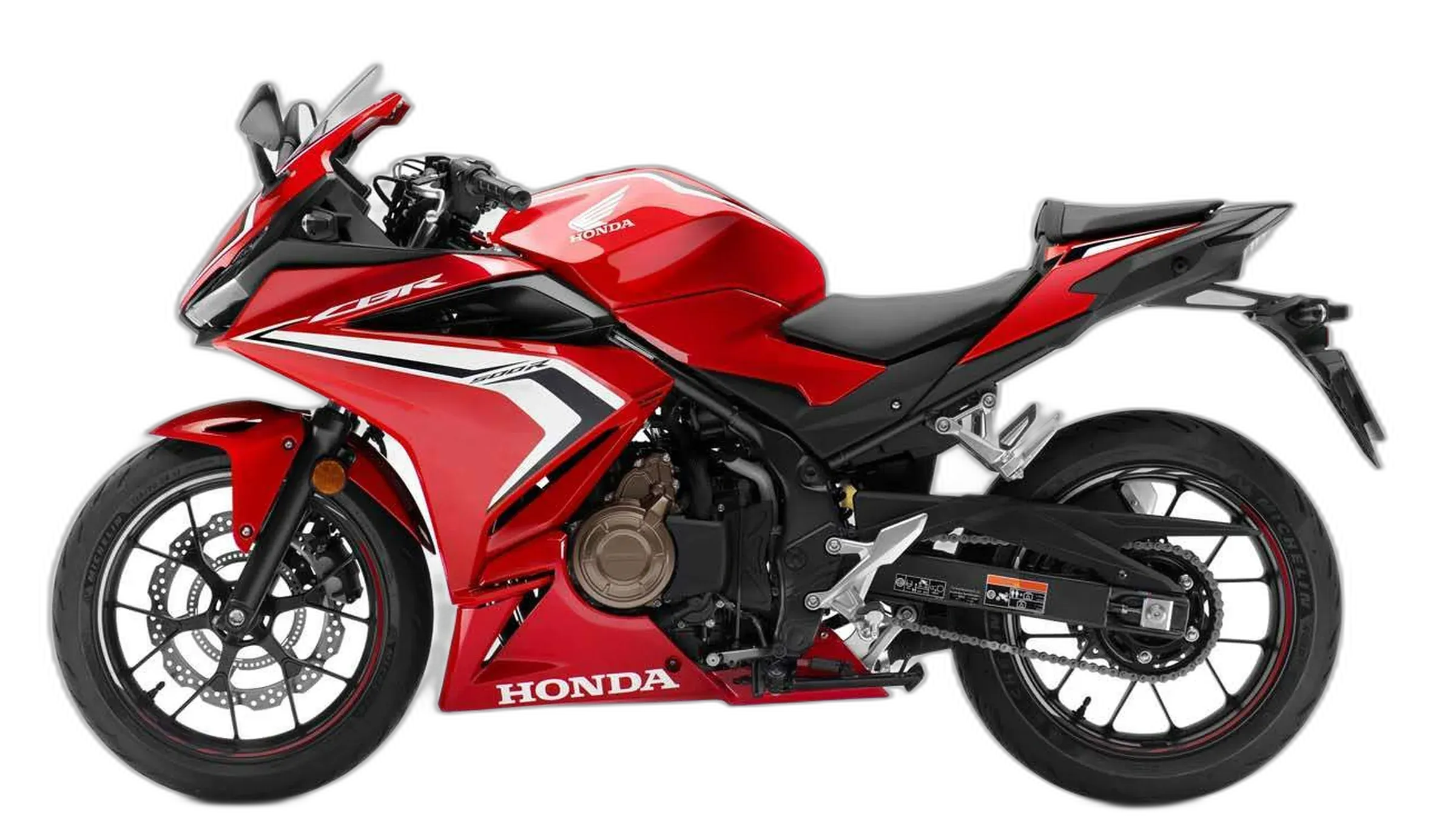
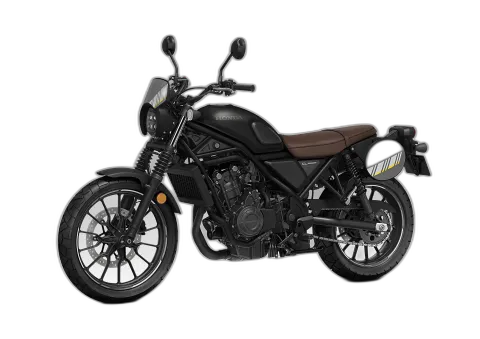
The CBR500R is a fully faired sportbike built around a 471 cc parallel twin that chases refinement and accessibility instead of outright drama. The 48 hp twin hands over its 32 lb-ft progressively, with no surges to catch you out, and the chassis sits in a genuine sweet spot between nervous and lazy. Near 50/50 weight balance and light, neutral steering let a newer rider relax while someone with real miles still finds corner pace. In a class that usually rewards aggression, this Honda earns its place on composure and a confidence that never asks you to prove yourself first.

On the road it ages the way Hondas tend to: clean build, controls that just work, and running costs low enough to forget about. It rewards riders who want to learn the craft of cornering without a motor trying to overwhelm them, and it commutes without resentment thanks to a genuinely generous tank. The honest caveat is the styling. The fairing promises a track weapon the engine never set out to be, so anyone shopping for top-end thrust or hard circuit pace will feel the gap between how it looks and what it actually delivers.

Hard Numbers

Spec sheets don't ride bikes, but they set the baseline.

Show full specs & equipment Hide specs & equipment
Key specifications
Power 48 hp (35 kW) @ 8,600 rpm
Torque 32 lb-ft (43 Nm) @ 6,500 rpm
Displacement 471 cc
Engine Parallel twin
Bore × stroke 67 × 66.8 mm
Compression 10.7:1
Cooling Liquid-cooled
Fuel system EFI (throttle body)
Gearbox 6-speed
Final drive Chain
Frame Steel tube
Fork Telescopic
Front brake 320 mm
Rear brake 240 mm
Front tire 120/70-ZR17
Rear tire 160/60-ZR17
Wheelbase 55.5 in (1410 mm)
Seat height 30.9 in (785 mm)
Wet weight 423 lb (192 kg)
Fuel capacity 4.5 gal (17.1 L)
Top speed 117 mph (188 km/h)
Fuel economy 56 mpg (US)

Equipment check

Chassis

  • Rear Suspension Adjustable Standard

Drivetrain

  • Slipper Clutch Standard

Lighting

  • LED Headlight Standard

Safety

  • ABS Standard

The Voice of Experience

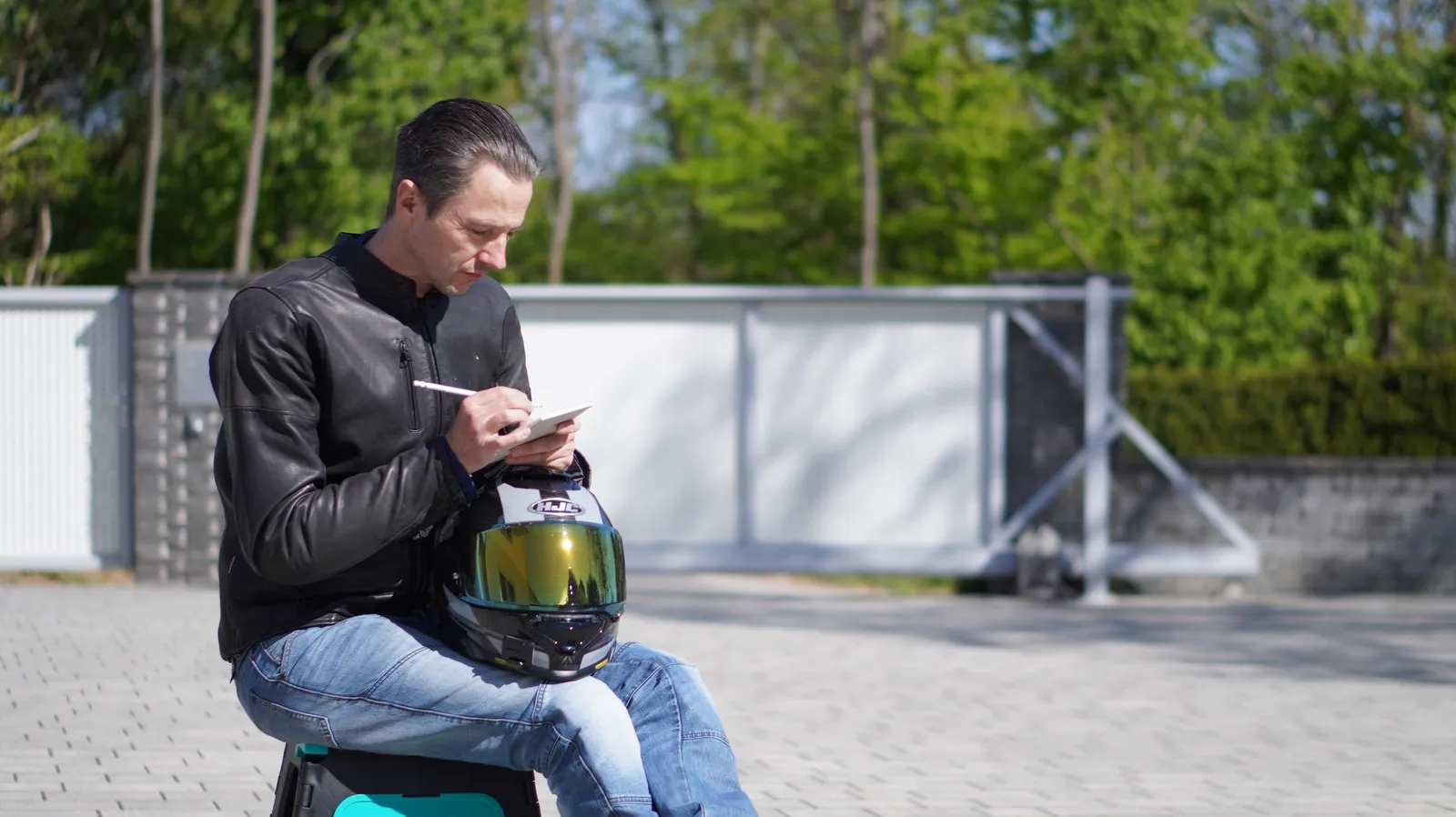
Portrait of NastyNils

The test ride

Swing a leg over and the first thing that registers is how little you have to negotiate with the bike. The seat is low enough to plant both feet flat at a light, the reach to the bars is easy, and after an hour you are not folding yourself off it. The twin runs along smoothly at a cruise, though hold a sustained highway pace up in the revs and the bars start buzzing enough to numb your hands over a long stretch. There is a faint rattle from the fairing and dash around the 5,000 rpm mark if you go looking for it, the kind of thing that fades into the background once you are moving. The tank is big for the class, so the ride stays about the road instead of the next gas stop.

Rated point by point — where it earns its keep

My own 0–100 score for this bike against the class, area by area — the marker on each bar is the class average.

What keeps me coming back to this bike is the way it turns. Honda found a rare middle ground in the steering: calm enough that a rider still learning won't get caught out, lively enough that I could lean on it for real pace and grin doing it. On a track surface it sits flat and obedient through corners where plenty of nakeds start to fidget, holding its arc without fighting me for every apex. Neither end is racing kit, but both stay honest; the fork holds composure as I push into a corner and the shock keeps the bike supported through transitions, with rear preload there if you want to firm it up for a circuit weekend. The limits arrive as hardware touching down rather than the chassis protesting: pegs first, then the exhaust. Heat is the other ceiling. Once summer asphalt bakes, the all-season rubber gives up grip while the chassis still has plenty left to offer.

I judge this one by how it's screwed together, and it reads as textbook Honda. Look closely and the panel seams are even, the finish is clean, and there's no telltale spot where a few dollars got quietly clawed back at your expense. None of it is flashy. It's the kind of unshowy, careful assembly that keeps earning its keep over years of ownership, which is exactly the reassurance the badge is supposed to carry.

Comfort here has less to do with plush cushioning and more with how relaxed the bike leaves you. The seat sits low enough that I can plant both feet flat at a light, which pulls a real chunk of stress out of slow, tight maneuvering and parking-lot crawling. When I first swung aboard, the bars, levers, and pegs all landed right where I reached, so there was nothing to learn or adjust before it felt natural. It works with you right from the start.

What this bike does best is hand you the feeling of getting away with something well before things get tense. The power stays modest, so it never bites back, and that freed me to push my braking point, play with my line, and lean it harder without it getting away from me. The riding becomes about the chassis underneath you. The catch shows up in company: tuck in behind the fairing with faster machines around on a circuit, and the gap between how aggressively it looks and what it delivers gets hard to ignore.

On the road the front brake does its job without ever drawing attention. One squeeze and it hauls the bike down consistently, nothing to manage. The story changes when the pace climbs on a circuit. The first part of the lever travel lacks real urgency, so braking late and trying to carry more speed toward a corner left me reaching for bite that wasn't there. Perfectly fine for daily roads. It just runs out of depth the moment you ask it for a genuinely quick lap.

The everyday case for this bike rests on range. The tank holds more than I expect from a faired machine this size, enough that I could string together a full day without keeping one eye on the fuel gauge. That reach counts for far more on an ordinary weekday than on any weekend ride. It helps that the power delivery stays gentle in traffic and approachable from the first mile, so the bike never makes the daily grind harder than it needs to be. Running errands and getting to work doesn't feel like the price you pay for sporty bodywork. It just gets on with the miles and rarely hands me a reason to gripe.

The motor is where the bike comes up short of how it dresses. It spins up smoothly and freely, but the bottom end stays polite when I crack the throttle out of a corner, and the top never finds the urgency the sport shell implies. Sitting on it geared up for a quick lap, I kept hunting revs that didn't pay off the way I wanted. You can make honest progress by keeping it busy in the gearbox, only that's effort the bodywork never warned you about.

A winding two-lane asphalt road in the Appalachian mountains, photographed in dry daylight. Yellow double-center line markings guide through a series of tight left-hand curves. Dense deciduous and evergreen forest flanks both sides; a rock cut is visible on the right. The road surface and geometry suggest a technical, high-traffic riding corridor popular with motorcyclists. No motorcycle, no person visible.
Chris Flaten / Pexels

The Truth on the Street

None of this comes off my own stopwatch. It's what I've pieced together over years of reading the comments under my videos, following the forum threads, talking with owners in the paddock, and answering the emails and messages riders keep sending me about this Honda. Line it all up and the shape is steady: people hang onto this one and stay quietly content, while a smaller group keeps wishing it had a little more spark and treated them a little better after a long day.

Built To Outlast The Payments

Durability is the drum owners beat hardest. The story repeats from one rider to the next: the little parallel twin shrugs off the miles on basic scheduled service, high-hour bikes show no real signs of fatigue, and even the ones that get thrashed stay tight with nothing letting go. Running close behind is value. Riders keep saying the paint, the finish, and the switchgear read richer than what they paid, and that a thrifty motor paired with a generous tank stretches the distance between fill-ups further than they bargained for.

Easy To Live With From The First Mile

The other steady refrain is how little the bike asks of whoever's aboard. A low seat, a slim waist, and power that builds gently make it approachable straight away, and riders save particular praise for the clutch: a pull light enough to spare the hand in stop-and-go traffic, with a slipper action that keeps the rear settled during quick, hard downshifts. A good number credit the motor with real usable pull through the low and middle revs, so they aren't forever working the box. They read the handling as light and predictable, composed when leaned on and willing to hold a tight line, and those on the later upside-down fork and twin front discs describe a more reassuring bike as the speed climbs.

The Gripes That Keep Surfacing

For all that goodwill, a handful of complaints recur. Two land on the chassis. There's wide agreement the Honda carries more weight than the rivals it gets measured against, and that heft takes a little edge off its agility. The rear shock draws sharper words still, knocked across every year of the run for being soft and underdamped, with preload the only thing on offer to tune. The rest split between comfort and kit. The forward lean to the bars starts nagging at the wrists and lower back after two or three hours, and the stock screen takes regular flak for the noisy, churned-up air it throws at the helmet once the pace picks up. The mirrors get ribbed for filling with elbows and gloves instead of traffic. And however smooth riders find the motor, plenty wish it had more personality and note how the urge thins out near the top of the tach, while a smaller contingent asks for more equipment, citing the plain display and the absence of traction control or a quickshifter.

Known issues

  • ABS modulator brake fluid leak due to excessive grease

    brakesoccasional

    Excessive grease applied to the O-ring of the ABS modulator's reservoir piston during assembly. Continued use allows foreign matter to adhere to grease and get stuck in the check valve during braking, causing brake fluid to leak. Can increase braking distance when ABS is not activated.

  • Rear reflector lens insufficient photometric performance

    bodyworkoccasional

    Manufacturing process change resulted in rear reflectors with lower photometric performance than required by FMVSS 108. Reduced visibility to following vehicles, particularly at night.

  • Fairing panels and dashboard rattle/vibrate at certain RPMs

    bodyworkoccasional

    Fairing panels vibrate and rattle, particularly noticeable at approximately 4,900–5,000 rpm. Dashboard can develop rattle requiring removal and re-seating with padding material. Windscreen vibration reported separately. Some owners report persistent fairing vibrations that dealers cannot resolve.

  • Cam chain tensioner not self-adjusting properly, causing engine rattle

    engineoccasional

    Honda's automatic cam chain tensioner can fail to advance properly, causing a rattle/ticking noise particularly audible on the right side of the engine at idle and around 3,500 rpm. Noise increases momentarily when blipping the throttle. Can be resolved with a manual tensioner reset (8 mm bolt on right side of engine) or tensioner replacement.

  • Handlebar vibration causing numb hands at sustained highway speed

    enginecommon

    Noticeable vibration through handlebars above 5,000–6,500 rpm (roughly 60+ mph (100+ km/h) in higher gears). Can cause completely numb hands during prolonged motorway riding. Mirrors become blurred/unreadable at certain RPM ranges. Inherent characteristic of the 180-degree parallel twin's firing order. Heavier bar-end weights reduce vibration; lighter aftermarket bar-ends worsen it.

The Expert Benchmark

Where this Honda CBR500R pulls ahead of — or falls behind — its rivals on the numbers, and the typical bike in its class on character.

What kind of bike this is — character vs. the class

This bike Class average

The shape of the Honda CBR500R — numbers and character vs. the average Supersport

Head-to-head: Honda CBR500R vs. its rivals

The Handshake Score

Forget spec-sheet bragging. Here's who the CBR500R is actually built for.

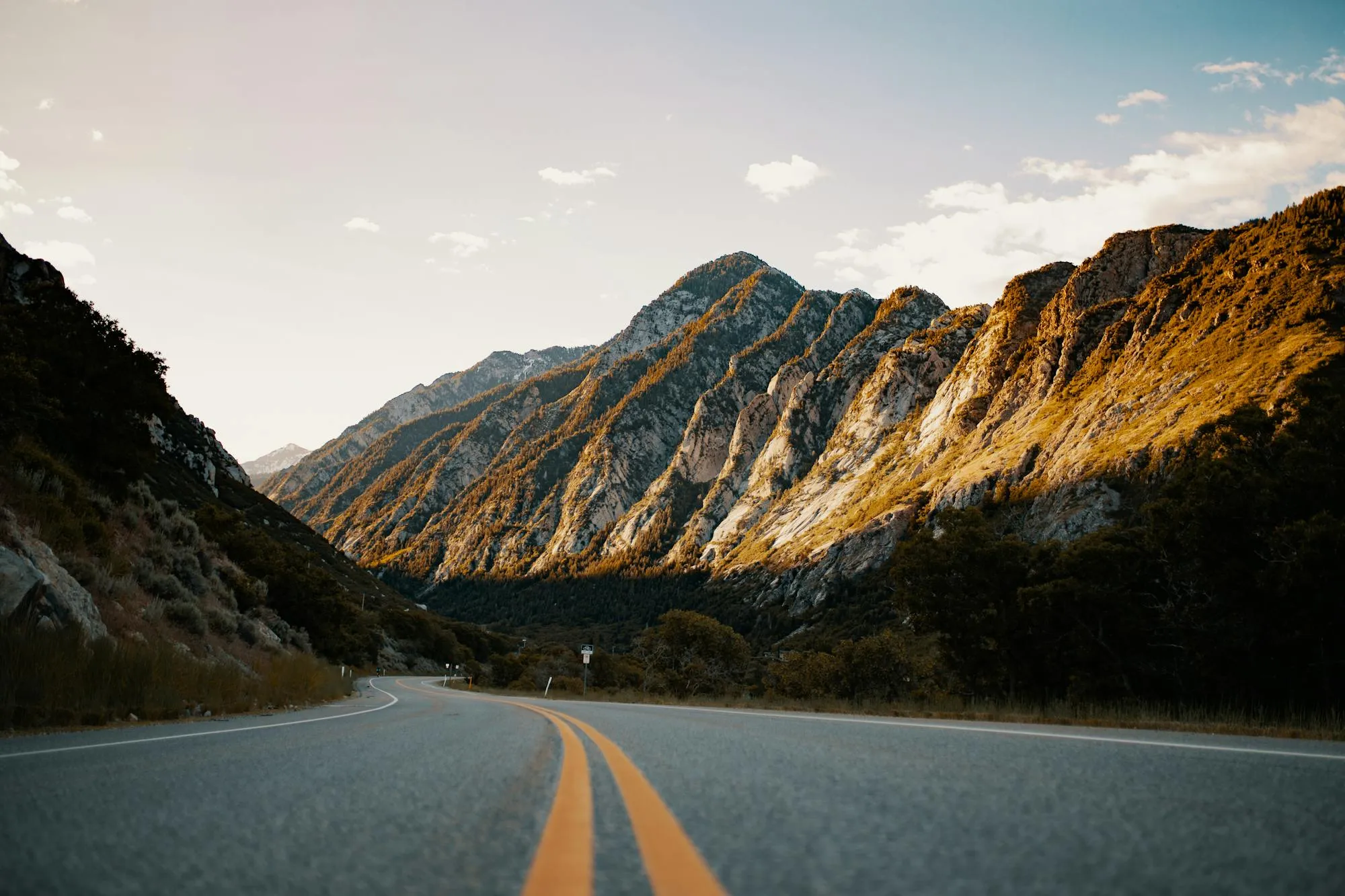
A scenic view of Angeles Crest Highway winding through rugged Southern California canyon terrain. Rocky mountainsides with golden earth tones frame the asphalt road with tight sweeping curves. Double yellow center line visible, sparse vegetation along the shoulders, clear blue sky with white clouds. Daylight, dry conditions. No motorcycle or rider visible. Iconic location for canyon-road enthusiasts.
Josh Sorenson / Pexels

Best motorcycle for Angeles Crest?

You ride Angeles Crest for precision, not bragging numbers, and this bike rewards exactly that. It finishes corners cleanly and lets you work the chassis, though faster canyon traffic will pull away when the road opens up.

Made for Angeles Crest Highway · Coronado Trail / US 191 · Highway 1 / Big Sur
Best motorcycle for Tail of the Dragon?

For tight, technical twisties where skill beats outright speed, this is a strong fit. The balanced chassis holds its line through repeated corners and never punishes a rider who is still learning the craft.

Made for Back of the Dragon · Blue Ridge Parkway · Cherohala Skyway

Best motorcycle for Texas Hill Country?

For relaxed sporty loops through the Hill Country, the easy ergonomics, low-stress power and generous range make this a bike you enjoy all day without fatigue or constant fuel stops.

Made for Austin / Texas Hill Country · Twisted Sisters · Austin / Handbuilt Motorcycle Show

Alternatives to the Honda CBR500R

If this one isn't quite the fit, these are the bikes worth riding back-to-back against it.

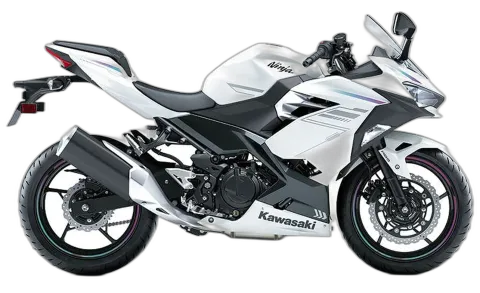
Any price note compares both bikes at the same age — the youngest age both have on the used market — against this Honda CBR500R. “cheaper/pricier” is what that bike costs second-hand, not how worn it is.