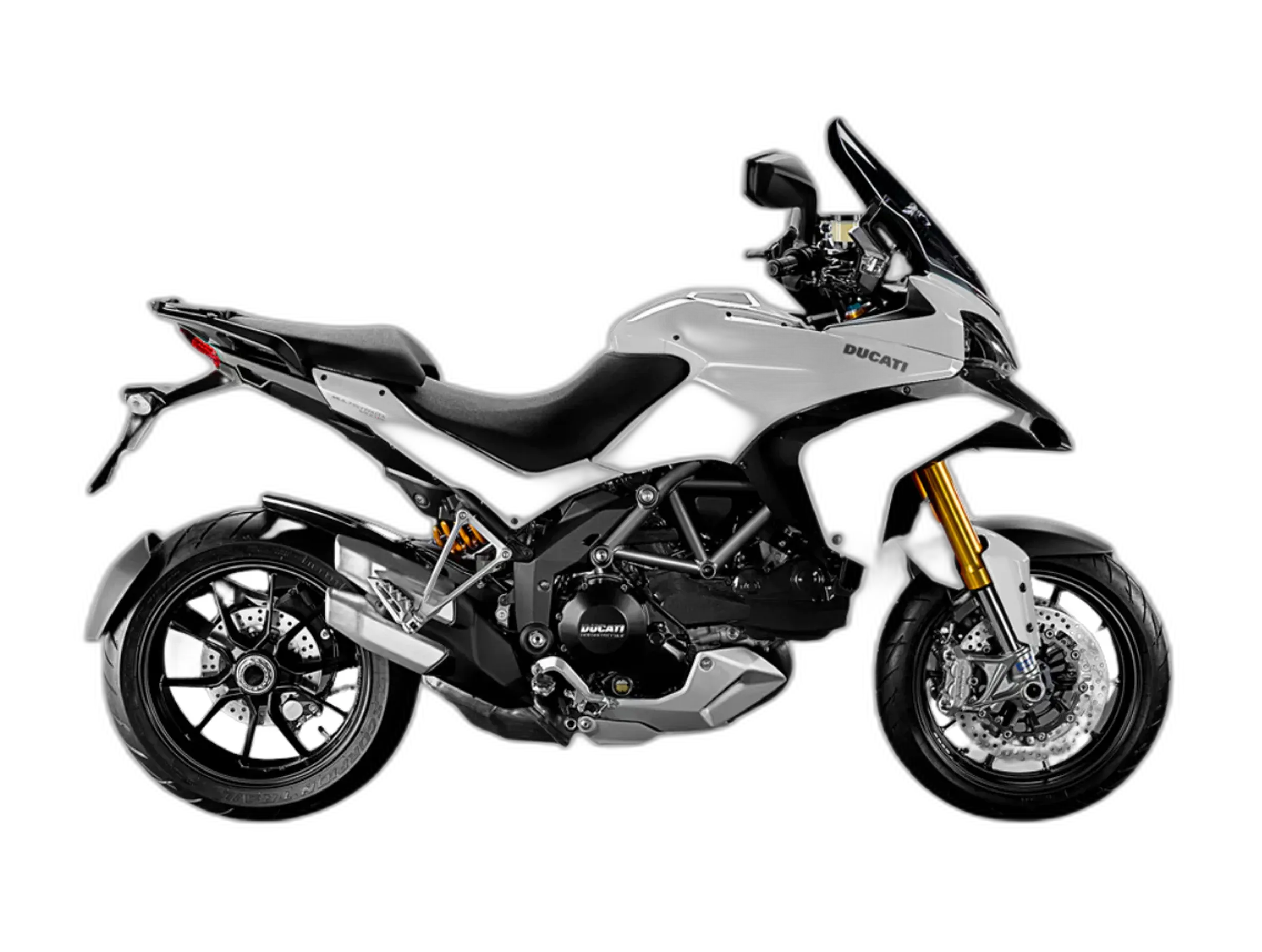
Ducati Multistrada 1200 S (MY2010) — Sport Tourer
NastyNils / Ducati Press

2010–2014 · Sport Tourer · Buyer's Guide

Multistrada 1200 S (MY2010)

Superbike Soul, Touring Skin

The Machine's Character

Ducati built the Multistrada 1200 S to refuse a single label. Its 1198 cc 90° V-twin puts out 150 hp and 88 lb-ft, real superbike numbers wrapped in a tall, commanding chassis. What ties it together is the electronics package: ABS, traction control, wheelie control, and ride modes that genuinely reshape the bike. Fully fueled it undercuts the heaviest machines in this class by a real margin. This is a sport tourer that carves like something built lower and racier, yet still glides through a long day in the saddle without punishing you for the pace.

On the road it splits cleanly by who's riding it. Come from sportbikes and it reads as a tourer with superbike legs; come from big adventure machines and it's the sharpest thing in the class. Both reads are accurate. It ages as a serious tool rather than a soft cruiser, holding its composure two-up and loaded thanks to suspension with real reserve. The honest caveat: this engine wasn't built for gentleness. Below the powerband the throttle turns peevish, the gearbox shifts with a mechanical notch, and the narrow tail forces you into the factory hard cases if you want to carry anything.

Hard Numbers

Spec sheets don't ride bikes, but they set the baseline.

Show full specs & equipment Hide specs & equipment
Key specifications
Power 150 hp (110 kW) @ 9,250 rpm
Torque 88 lb-ft (119 Nm) @ 7,500 rpm
Displacement 1198 cc
Engine 90° V-twin
Cooling Liquid-cooled
Gearbox 6-speed
Final drive Chain
Fork Upside-down (USD)
Front brake 320 mm
Front tire 120/70-17
Rear tire 190/55-17
Wheelbase 60.2 in (1530 mm)
Seat height 33.5 in (850 mm)
Wet weight 485 lb (220 kg)
Fuel capacity 5.3 gal (20 L)
Top speed 145 mph (233 km/h)
Fuel economy 33 mpg (US)

Equipment check

Chassis

  • Front Suspension Adjustable Standard
  • Rear Suspension Adjustable Standard

Comfort

  • Heated Grips Optional
  • Adjustable Windscreen Standard

Connectivity

  • Tire Pressure Monitoring (TPMS) Optional

Drivetrain

  • Slipper Clutch Standard

Lighting

  • LED Headlight Standard

Safety

  • ABS Standard
  • Traction Control Standard
  • Ride Modes Standard

The Voice of Experience

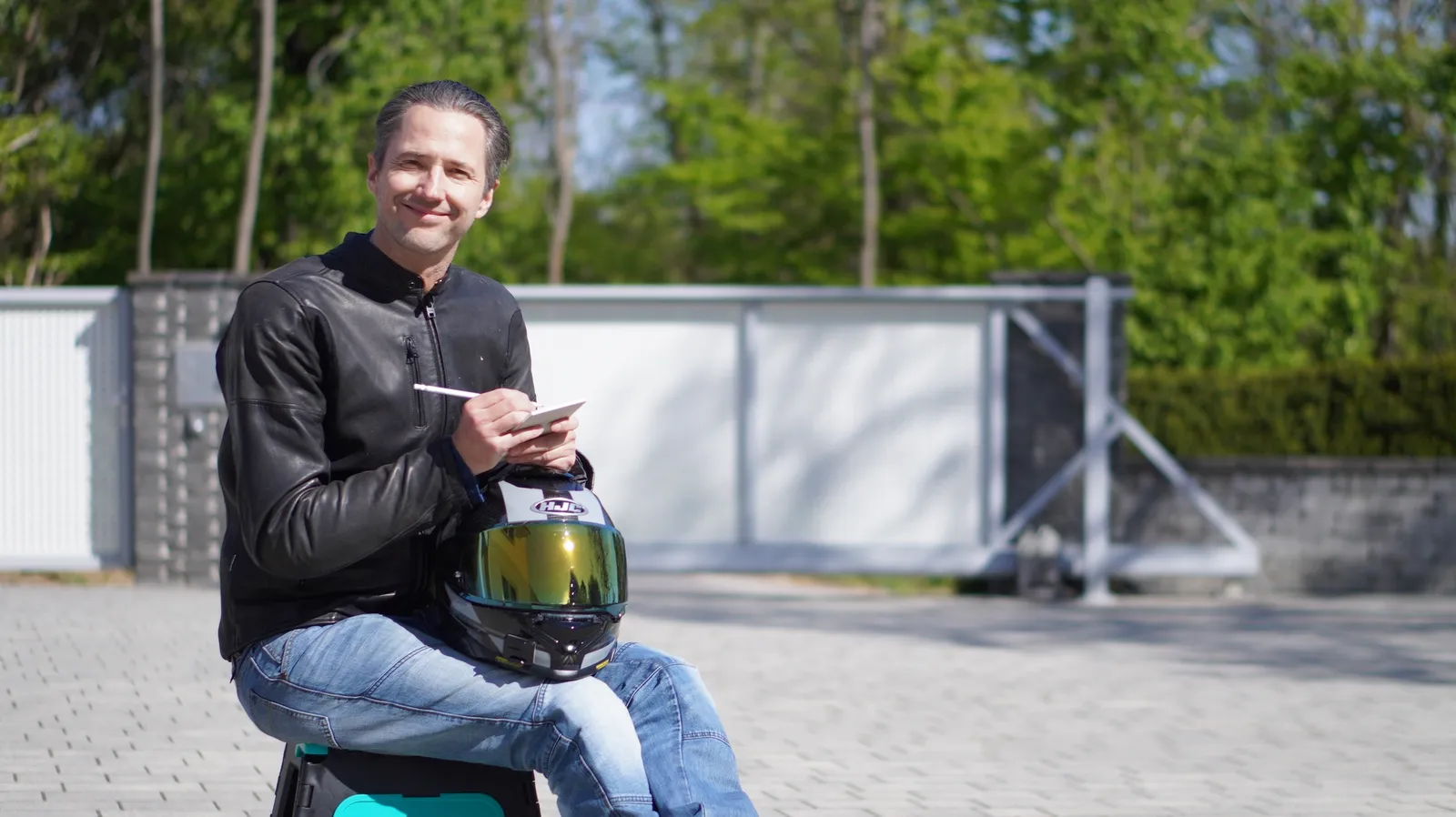
Portrait of NastyNils

The test ride

Thumb the starter and the V-twin settles into that unmistakable Ducati beat, one of the better-sounding engines you'll live with day to day. The first surprise is the clutch. Old Ducatis earned a reputation for a heavy, awkward left hand at walking pace, and this one simply doesn't. The pull is light and easy to feather through parking lots and traffic, no strong grip or careful technique required. Grip the bars at a real mountain pace and it feels planted and unflustered, with clearance to spare when you lean it hard onto the pegs. The weight advantage is something your arms register directly, flicking through a switchback sequence with less effort than the size suggests. The one sour note in the feel is the gearbox, which shifts with a notchiness you catch every time after a slicker box.

Rated point by point — where it earns its keep

My own 0–100 score for this bike against the class, area by area — the marker on each bar is the class average.

The brakes are a match for everything the engine hands them. On long alpine descents, scrubbing off real speed corner after corner, the stopping power stays strong and consistent instead of fading as the miles stack up. What I value most is the bite from the very first pull of the lever. The confidence is there straight away, so I can lean on them hard into a steep downhill hairpin without a moment spent wondering whether they'll still be there at the bottom.

This is where the bike flatly refuses one label. The modes aren't cosmetic. One tightens the throttle and firms the whole machine into something close to a stripped sportbike, another relaxes it into an easy urban tool, and the swing between them is large and immediate. That breadth is why it reads two ways at once. Bring a sportbike habit and it feels like a touring machine with superbike legs. Bring a big adventure bike and it's the most athletic thing in the class. Both of those reads are accurate.

The front end is the whole story here. Through open alpine corners it feeds me enough information to trail-brake deep with real confidence, committing to a fast bend without a flicker of vagueness. Load it with a passenger and bags and the suspension still holds reserve in hand, staying composed through quick sweepers rather than going soft and undefined. It also changes direction with less muscle than a machine this size has any right to ask for, and that ease is what keeps a long day of switchbacks from wearing me down.

Comfort here is more about control than plushness. The clutch is the pleasant shock. For all the torque sitting behind it, the lever is light and easy to feather, so slow maneuvering never demands a firm grip or careful technique. The gearbox is the offsetting flaw. Every change lands with a mechanical notch that stands out, a small reminder that this powertrain wasn't drawn up for all-day ease. It works fine, but you feel that notchiness each time you swap gears, and it never quite disappears.

What stays with me is how sorted the torque delivery is once you're into the revs. The electronics smooth it all into a clean, linear pull with no hit and no surge, nothing that asks you to manage it. Down low it's a different story. Below a certain point the throttle goes rough and unwilling, an irritation in slow corners and city traffic that clears the moment you pick up the pace. Highest in the mountains the drive stays thick where thin air usually saps a big twin, and that reserve out of a slow summit hairpin is where it leaves most of the class behind.

For an engine that pulls this hard uphill, the fuel economy genuinely caught me off guard. It drinks less than the performance would ever suggest, and a full tank stretches across a serious day in the mountains without a fuel stop dictating your route. That kind of range is what lets you actually spend the pace on offer instead of riding cautious and nursing the bike from one station to the next. On a machine this quick, I didn't expect to think about fuel as little as I did.

The practical catch sits at the back. The tail is cut too narrow for strap-on or soft bags to seat securely, so anything you try to improvise ends up fighting the shape of the motorcycle instead of riding along with it. In practice that steers you straight to the factory hard cases, and trying to save money by working around them just costs you a clean fit and peace of mind. Treat the luggage as part of the buying decision, not something you sort out later.

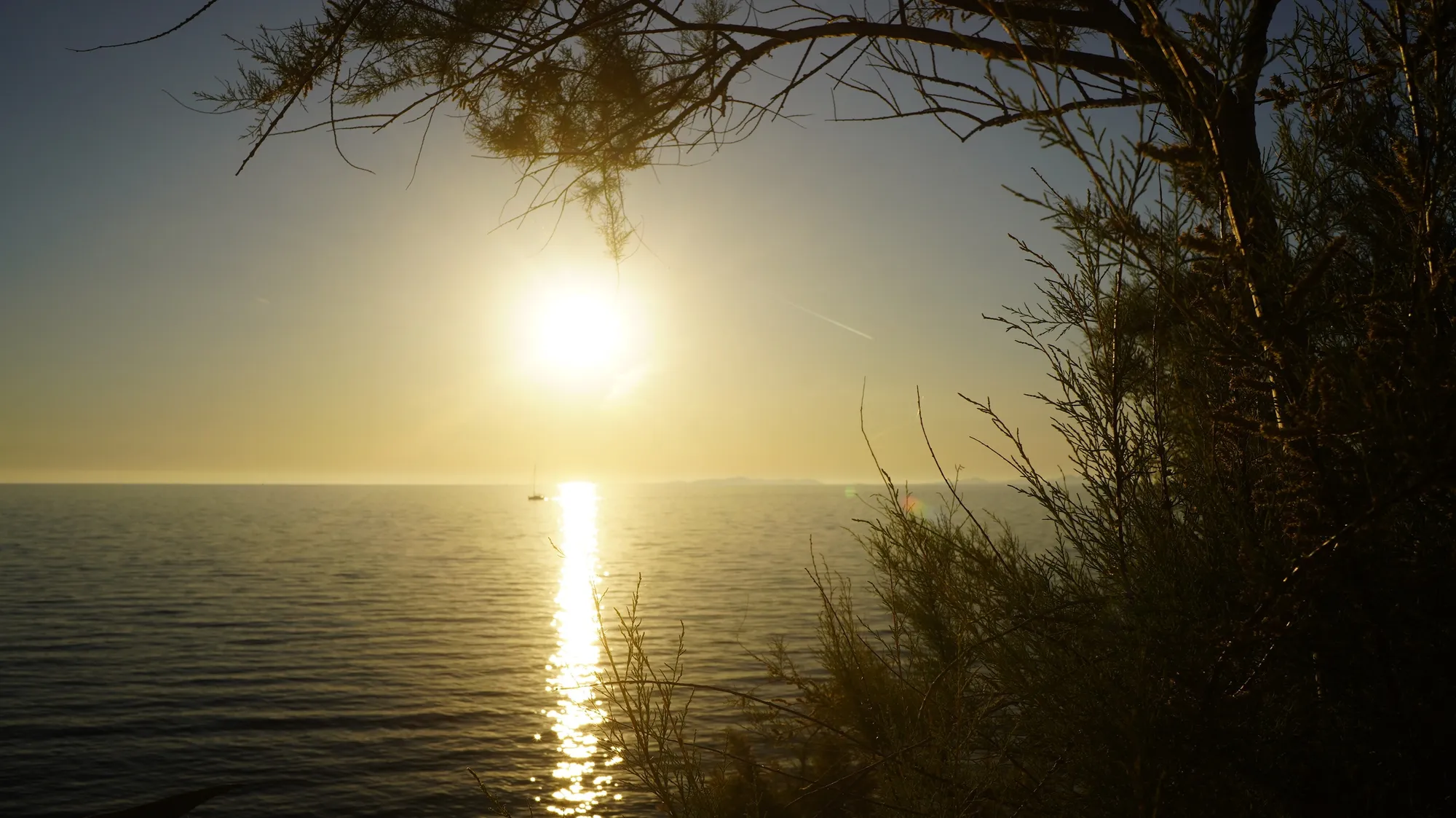
Sunset over the Adriatic Sea near Primosten, Croatia. Golden hour light bathes calm water in warm tones, with a small sailboat on the distant horizon. Rocky vegetation frames the right foreground. Clear skies and gentle conditions.

The Truth on the Street

This isn't my own ride report. It's what I've pieced together over years of listening to riders: threads that run on for pages, conversations in the paddock, owner chats, and the messages that land directly in my inbox. For the Multistrada 1200 S the pattern comes through clearly. The praise centers on what the engine and the sheer breadth of the bike deliver, and the gripes cluster tightly around low-speed manners.

The engine and the range of roles

The loudest praise is for the engine. Riders describe a broad, flexible spread of torque, strong from low in the rev range yet eager all the way to the redline, and they keep coming back to how addictive that character becomes. Close behind is the versatility. Owners regularly say it does the work of several bikes at once, standing in for a sportbike, a tourer, and a daily commuter without feeling compromised in any of those roles.

Where it turns awkward and hot

The complaints are narrower and settle on slow going. A recurring one is heat. Stuck in stop-start traffic, the engine roasts the rider's legs, and prolonged inner-city commuting turns uncomfortable. The other is bulk at walking pace. With a tall seat and real weight behind it, some owners find the bike cumbersome to maneuver at a crawl, most of all with a full tank of fuel.

Known issues

  • Throttle opening cable may dislodge from housing

    enginerareRecall

    The tubing inside the throttle opening Bowden cable sheath could disengage from its seat, obstructing throttle closure. Safety recall RCL-15-001 (NHTSA 15V152) addressed this by replacing the front half of the throttle control housing.

  • Side stand pivot bolt may loosen

    chassisrareRecall

    The side stand bolt can loosen over time, leading to potential stand failure. Safety recall RCL-15-003 addresses this issue.

  • Weak or spongy rear brake

    brakesoccasionalRecall

    Many owners report that the rear brake becomes ineffective or spongy over time, often requiring repeated bleeding. A recall (SRV-TSB-23-001) was issued to replace the rear brake hoses, but some riders still report poor performance.

  • Faulty fuel level sensor

    fuel systemoccasional

    The fuel level sensor is prone to premature failure, causing inaccurate or non-functional fuel gauge readings. Many owners have had the sensor replaced under warranty.

  • Heated grip failures

    electricsoccasional

    The handgrip heating elements can stop working or develop a short. Often replaced under warranty; failure seems common within the first few years of ownership.

  • Clutch slave cylinder seal failure

    drivetrainrare

    Some owners report fluid weeping from the clutch slave cylinder, requiring seal replacement. Not a widespread issue but documented in forums.

The Expert Benchmark

Where this Ducati Multistrada 1200 S pulls ahead of — or falls behind — its rivals on the numbers, and the typical bike in its class on character.

What kind of bike this is — character vs. the class

This bike Class average

The shape of the Ducati Multistrada 1200 S — numbers and character vs. the average Sport Tourer

Head-to-head: Ducati Multistrada 1200 S vs. its rivals

The Long-Haul Verdict

Forget spec-sheet bragging. Here's who the Multistrada 1200 S is actually built for.

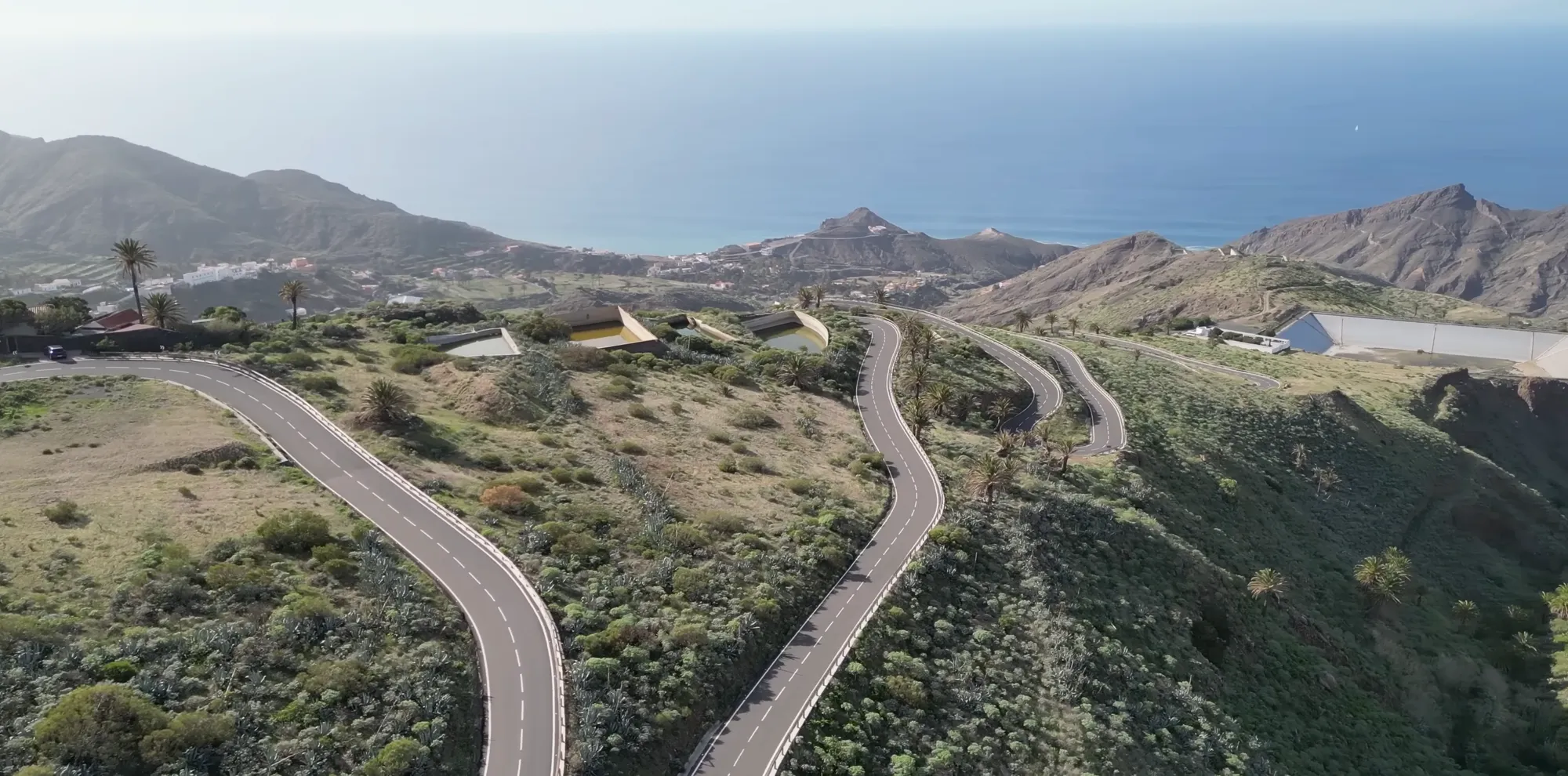
Aerial view of a winding asphalt road cutting through volcanic terrain on La Gomera, Canary Islands. The road curves through sparse green vegetation with rocky volcanic peaks visible in the background and a settled valley to the left. Clear lane markings, dry climate, partly cloudy sky.

Best motorcycle for Highway 1?

If your weekend is 300 miles of Blue Ridge or Highway 1 with real corners in it, this fits cleanly. It's comfortable, protective, and quick enough to keep the twisties genuinely interesting.

Made for Black Hills · Blue Ridge Parkway · Cherohala Skyway
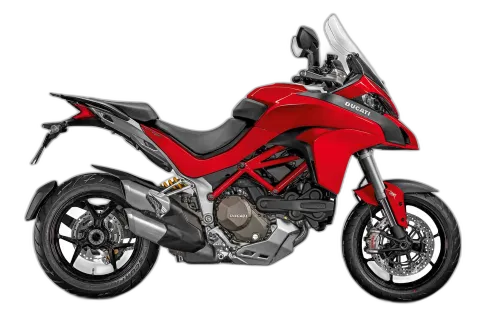
Best motorcycle for Tail of the Dragon?

Repeat runs at the Dragon and Cherohala reward its light steering and planted front. You'll trail-brake with confidence, though the low-rpm snatch nags in the tightest first-gear stuff.

Made for Back of the Dragon · Blue Ridge Parkway · Cherohala Skyway
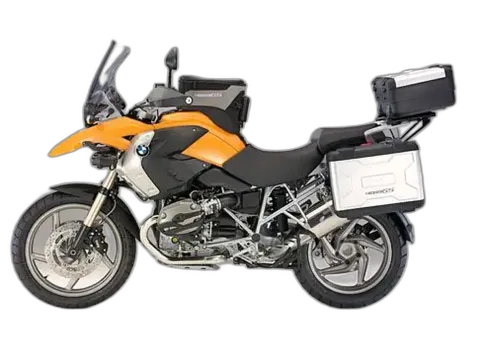
Best motorcycle for Angeles Crest?

On Angeles Crest it carves like a sportbike with a better view. Precision, grip, and clearance are all there; just don't expect polish below the powerband while you crawl out of LA traffic.

Made for Angeles Crest Highway · Coronado Trail / US 191 · Highway 1 / Big Sur