
Honda Forza 750 (NSS750S) — Scooter
NastyNils / Honda press archive

2025 · Scooter · Buyer's Guide

Forza 750 (NSS750S)

Touring Comfort in Scooter Clothes

The Machine's Character

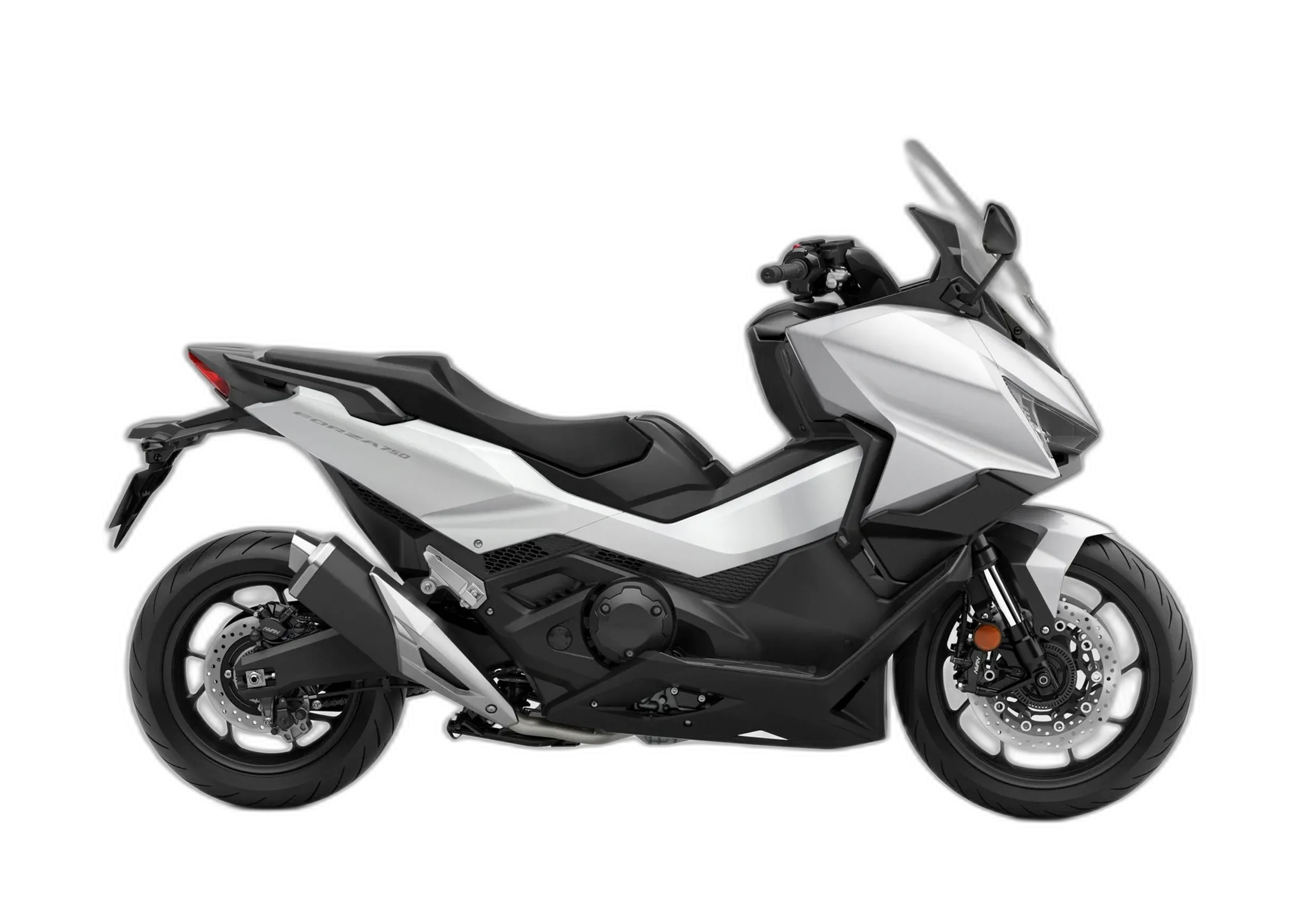
The Forza 750 sits in that odd, useful space where a scooter stops being just a scooter. Under the step-through bodywork lives a 745 cc liquid-cooled parallel twin making 59 hp and 51 lb-ft, run through Honda's DCT (3rd generation), so there's no clutch lever and no gear pedal to think about. Honda RoadSync ties your phone into the TFT for calls and navigation prompts. What you get is twist-and-go city ease bolted onto genuine highway legs, a maxi-scooter built to swallow a commute Monday and a long weekend Saturday without changing character.

On the road it rides like something you can trust for years rather than months. The seating is roomy, the weather protection is real, and the reliability is the kind you stop thinking about. It fits the rider who wants one machine for dense city miles and open touring, without the fuss of a manual gearbox. The honest catch is the chain final drive, which asks for regular cleaning and adjustment on a bike sold on convenience, and the under-seat storage trails the smaller Forza. Live with those, and it makes quiet, logical sense.

Hard Numbers

Spec sheets don't ride bikes, but they set the baseline.

Show full specs & equipment Hide specs & equipment
Key specifications
Power 59 hp (43 kW) @ 6,750 rpm
Torque 51 lb-ft (69 Nm) @ 4,750 rpm
Displacement 745 cc
Engine Parallel twin
Cooling Liquid-cooled
Gearbox 6-speed
Final drive Chain
Front tire 120/70-17
Rear tire 160/60-15
Seat height 31.1 in (790 mm)
Wet weight 518 lb (235 kg)
Fuel capacity 3.5 gal (13.2 L)
Top speed 99 mph (160 km/h)

Equipment check

Comfort

  • Heated Grips Optional
  • Adjustable Windscreen Standard
  • Luggage System Optional

Connectivity

  • TFT Display Standard
  • Smartphone Connectivity Honda RoadSync Integrated navigationHandsfree phone integration Standard
  • USB Charging Port Standard
  • Keyless System Standard

Drivetrain

  • Automatic Shift (DCT / ASA / AMT) Honda DCT (3rd generation) Clutchless ridingAutomatic gear selection Standard

Lighting

  • LED Headlight Standard

Safety

  • ABS Standard
  • Traction Control Standard

The Voice of Experience

Portrait of NastyNils

The test ride

Spend a day on it and the first thing that registers is how planted it feels for a scooter: wide bars, feet forward, a seat that stays kind well past the hundred-mile mark. On open country roads outside Sicily I set the cruise and let my right hand relax while the wind slipped cleanly over the screen at a steady clip. The riding position invites long hours. Where it nags is the interface. The new joystick that works the menus takes real seat time before your thumb stops fighting it, and adjusting the electric windscreen means burrowing into that same menu while you're moving, both hands occupied. At dusk the LED band throws a sharp signature ahead of you. Little friction points aside, it carries you all day and leaves you fresh.

Rated point by point — where it earns its keep

My own 0–100 score for this bike against the class, area by area — the marker on each bar is the class average.

Comfort is where the Forza quietly earns its keep. Put in a full day and it never wears on you; the riding position and the weather shelter hold up long after most machines start begging for a break, and a passenger steps off just as settled. The display sitting in front of you is clean and quick to read at a glance, too. The one snag is the joystick that replaced the old scroll wheel, which takes genuine mileage before working the menus feels natural rather than clumsy.

The drivetrain is the wrinkle here. This is a scooter sold on keeping life simple, yet it still runs a chain to the rear wheel, so you're back to scheduled cleaning and adjustment on a machine you'd expect to just look after itself. It's tucked neatly out of sight, but out of sight isn't gone. On the credit side, it sips fuel for the power on tap, which keeps the mechanical strain low and means one less thing nagging at you across a hard week in the saddle.

What I keep coming back to on the Forza is the connectivity gap. The TFT pairs to your phone over Bluetooth and leans on Honda's own voice control, which reads fine on paper, but there's no Apple CarPlay and no Android Auto on offer. So you end up doing the very thing the system was meant to spare you: bolting your phone to the bars on a separate mount and running your own maps anyway. For a machine built to take the friction out of a commute, that's a genuine miss, and it's the sort of thing you register every single day rather than once in a blue moon. The practical bones underneath are sound, but this is one spot where the bike hands you homework it really shouldn't.

The engine itself is willing, but the way the DCT behaves at a crawl is what defines this section. Ease through heavy traffic and the box balks on the change from first to second, stumbling right when you want it smooth. Honda has clearly worked on it and it's better than before, yet the stumble hasn't fully left. It grates on some riders more than others; one owner I know of moved his bike on after only a few thousand miles for this exact reason, which tells you it isn't a triviality for everyone.

This one is really about how thoroughly Honda redrew the machine. Rather than nipping and tucking an old shape, they went back and genuinely reinterpreted the front of the bike, and it shows: the Forza reads as current and properly modern from the saddle, not like last year's model wearing fresh badges. That effort lands cleanly, and it's the part most people warm to first.

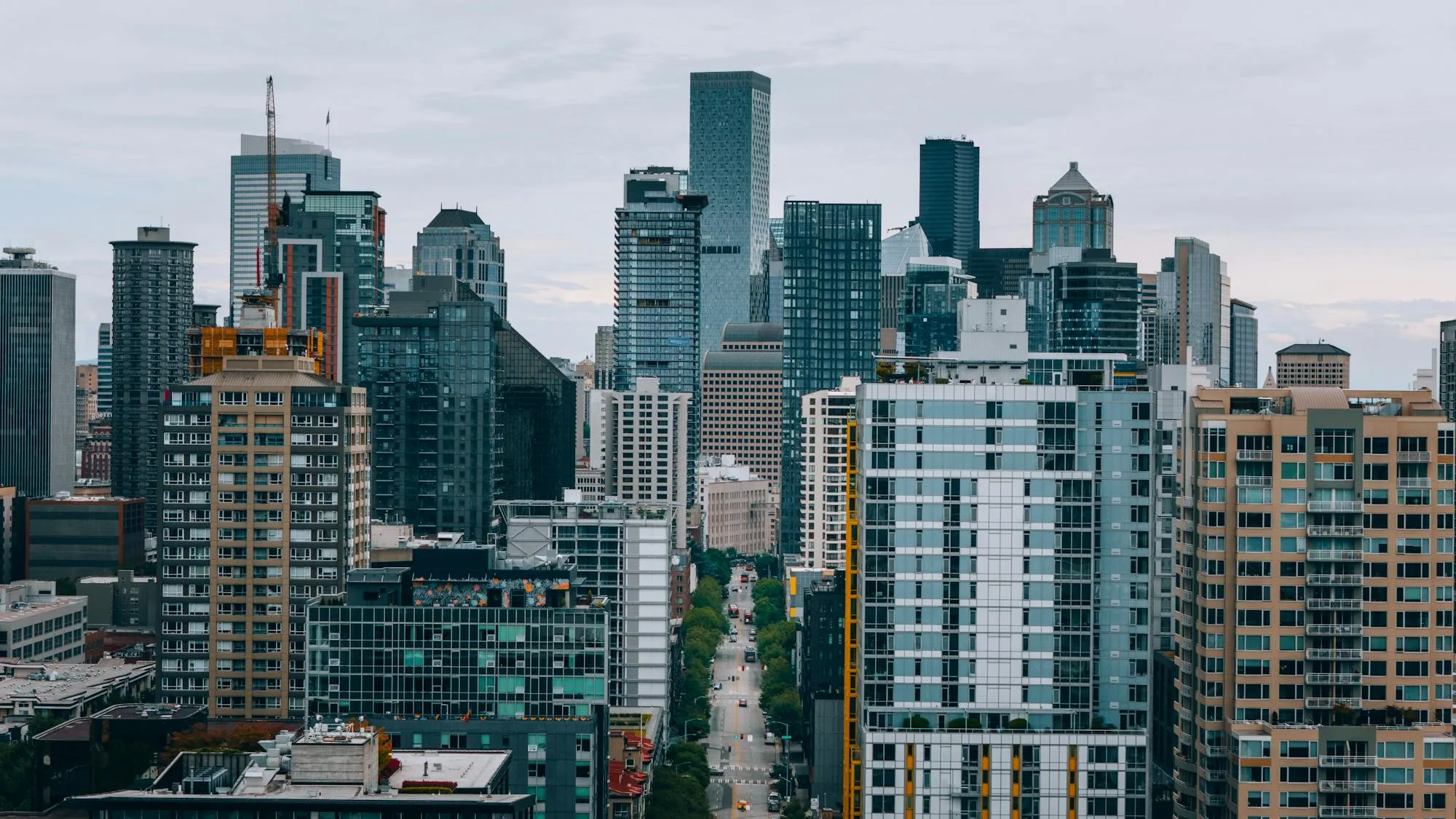
Elevated aerial view of Seattle's downtown skyline looking toward the city core along a dense urban street canyon. A mix of glass-and-steel skyscrapers and mid-rise residential towers fills the frame. A construction crane is active on the left. The street below carries light vehicle traffic flanked by mature street trees.
Josh Hild / Pexels

The Truth on the Street

This isn't my own verdict. It's what I've gathered over years of listening to the people who actually live with this bike: paddock talk, owners comparing notes, and the steady stream of messages riders send me directly. On the Forza 750 the chatter lands in a consistent place. Most come away impressed by how much real motorcycle hides under the scooter shell, with a couple of practical gripes that surface again and again.

The engine that outruns the looks

The sentiment riders return to most is plain surprise at the engine. The parallel twin pulls with genuine torque and brisk acceleration, and owners consistently mention a top speed past 100 mph that flatly contradicts the styling. Most also find the DCT easy to live with whatever the traffic throws at them, which only adds to the sense of far more machine than the bodywork lets on.

Where the scooter label bites back

Two complaints recur. The price sits alongside full-size motorcycles, and riders who still read it as 'just a scooter' find that a hard sell, even when they concede the performance and comfort earn it. The other is weight. Some owners say it takes real effort to wheel around a parking lot and to manage at walking pace, more of a chore than lighter scooters ask of you.

Known issues

No widely-reported issues on record.

    The Expert Benchmark

    Where this Honda Forza 750 pulls ahead of — or falls behind — its rivals on the numbers, and the typical bike in its class on character.

    What kind of bike this is — character vs. the class

    This bike Class average

    Head-to-head: Honda Forza 750 vs. its rivals

    The 'Should I Buy It?' Score

    Forget spec-sheet bragging. Here's who the Forza 750 is actually built for.

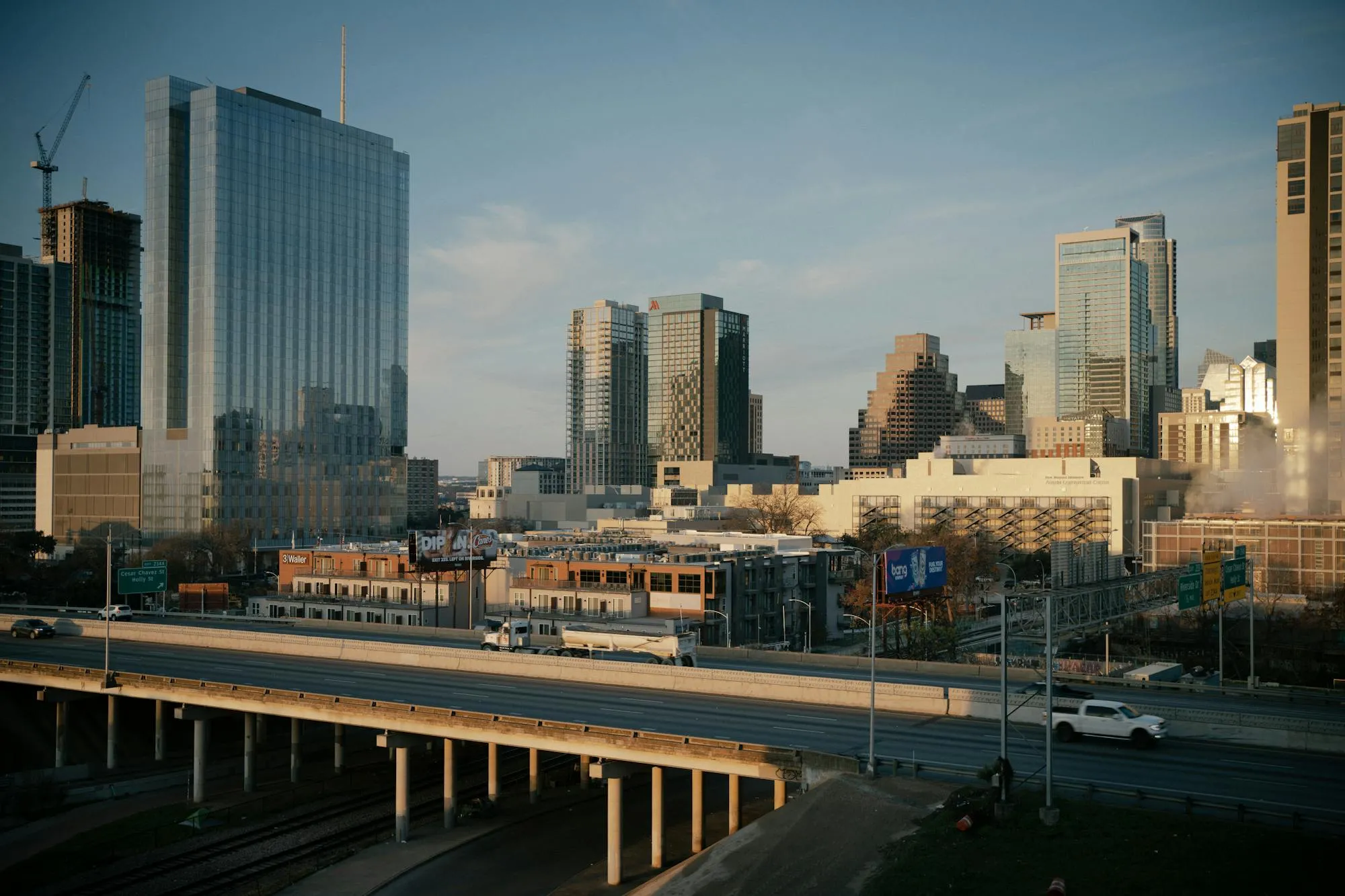
    Aerial photograph of downtown Austin, Texas, showing modern high-rise buildings against a clear blue sky. Urban infrastructure, highways, and parking structures visible in the foreground.
    Thomas Balabaud / Pexels

    Best motorcycle for Bay Area?

    You run city streets through the week and chase ridge roads on weekends. The Forza's modern face and effortless twist-and-go suit both, though it's tuned for relaxed touring miles more than hard canyon pace.

    Made for Bay Area Ridge Roads · San Francisco / Bay Area · Skyline Boulevard / Alice's Restaurant

    Best scooter for NYC?

    For daily miles in tight, crowded traffic this is a lot of scooter, easy to place and quick between the lights. Just weigh the under-seat storage, which comes up a little short, before you commit.

    Made for Austin · Los Angeles · Miami Beach / Miami