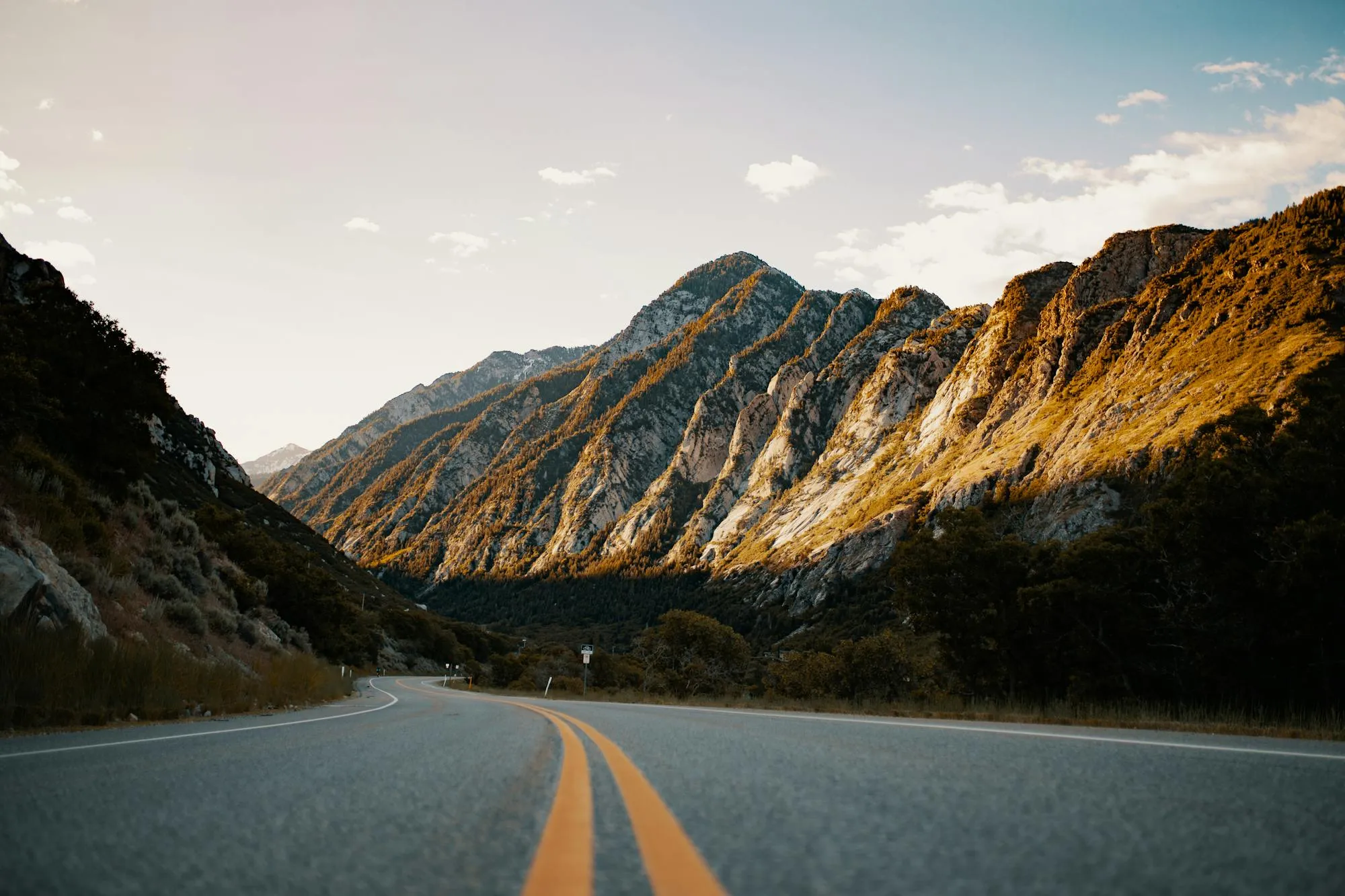
Yamaha XJR 1300 (RP10) — Naked Bike
Yamaha Press

2004–2006 · Naked Bike · Buyer's Guide

XJR 1300 (RP10)

3.5 / 5 NastyNils Rating · against its class

Air-Cooled Torque With Soul

The Machine's Character

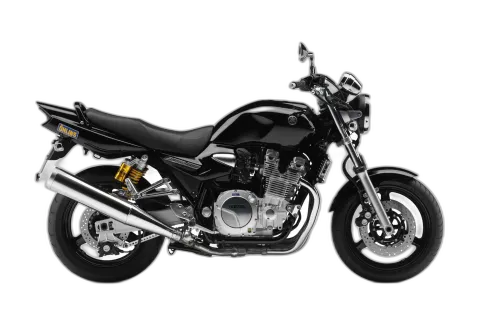
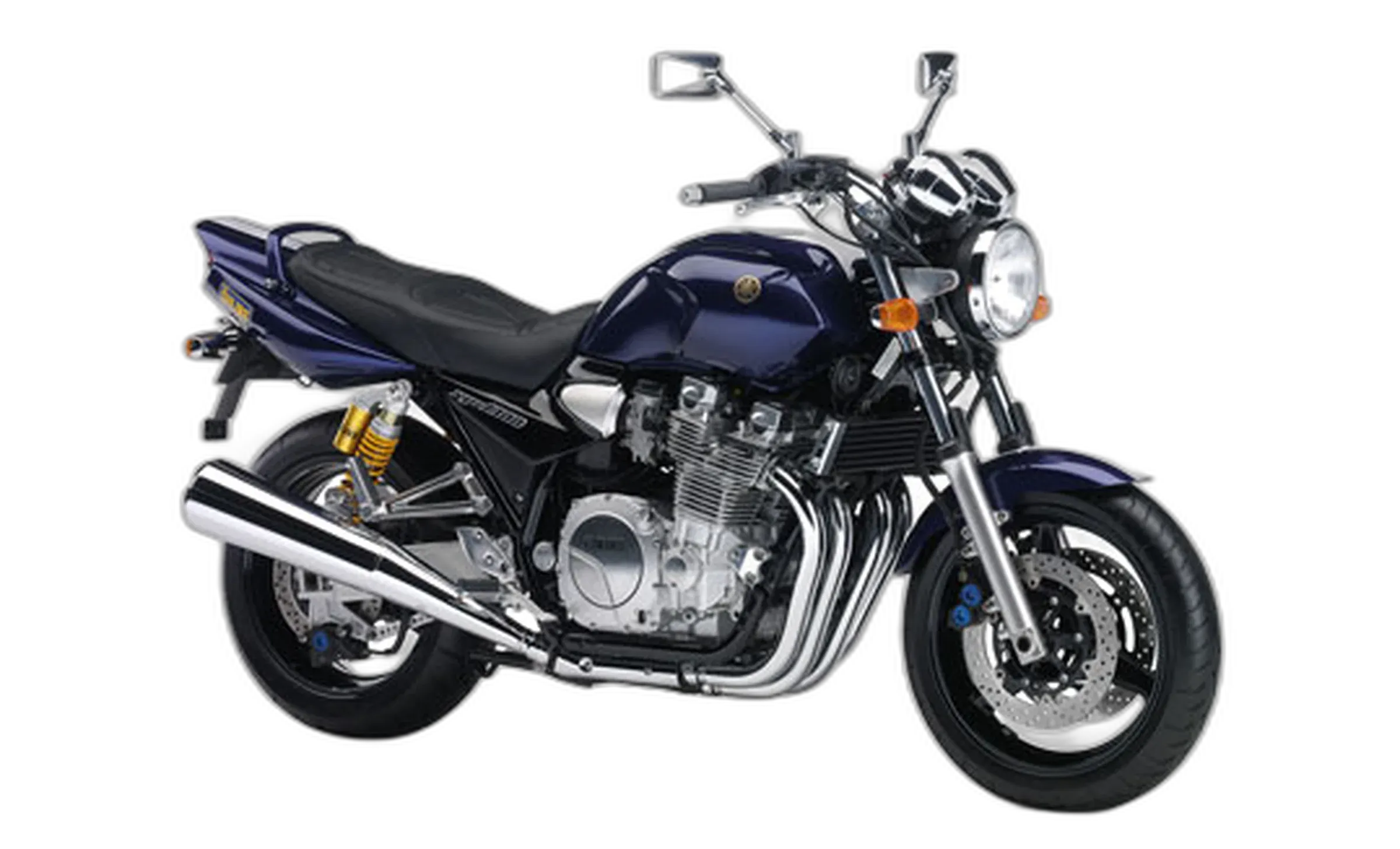
Yamaha built the XJR 1300 around one idea: a big air-cooled inline-four you can see, hear and feel. The 1251 cc motor sits in a plain steel frame and makes 106 hp and 80 lb-ft with nothing electronic standing between your wrist and the rear tire. No ABS, no traction control, no ride modes. Five gears, a chain, a 5.5 gal (21 L) tank. In a class that keeps chasing peak figures, this one stakes out the opposite corner: mechanical presence, a long pull of torque, and a shape that reads as a motorcycle from thirty feet away.

This is a bike for the rider who wants presence and miles rather than sharp-edged sport riding. It suits open back roads, relaxed pace and two-up weekends, and it ages well because there is so little on it to go wrong. The aftermarket is deep, and basic service is work you can do in your own garage. The honest caveat: 540 lb (245 kg) wet is real weight when you are turning around in a driveway, the front fork offers no adjustment of any kind, and a carbureted bike left standing all winter will make you pay for it. Ride it regularly and it is easy to live with.

Hard Numbers

Spec sheets don't ride bikes, but they set the baseline.

Show full specs & equipment Hide specs & equipment
Key specifications
Power 106 hp (78 kW)
Torque 80 lb-ft (108 Nm)
Displacement 1251 cc
Engine Inline-four
Cooling Air-cooled
Gearbox 5-speed
Final drive Chain
Front tire 120/70-17
Rear tire 180/55-17
Seat height 31.3 in (795 mm)
Wet weight 540 lb (245 kg)
Fuel capacity 5.5 gal (21 L)
Top speed 140 mph (225 km/h)

Equipment check

Chassis

  • Rear Suspension Adjustable Standard

The Voice of Experience

Portrait of NastyNils

The test ride

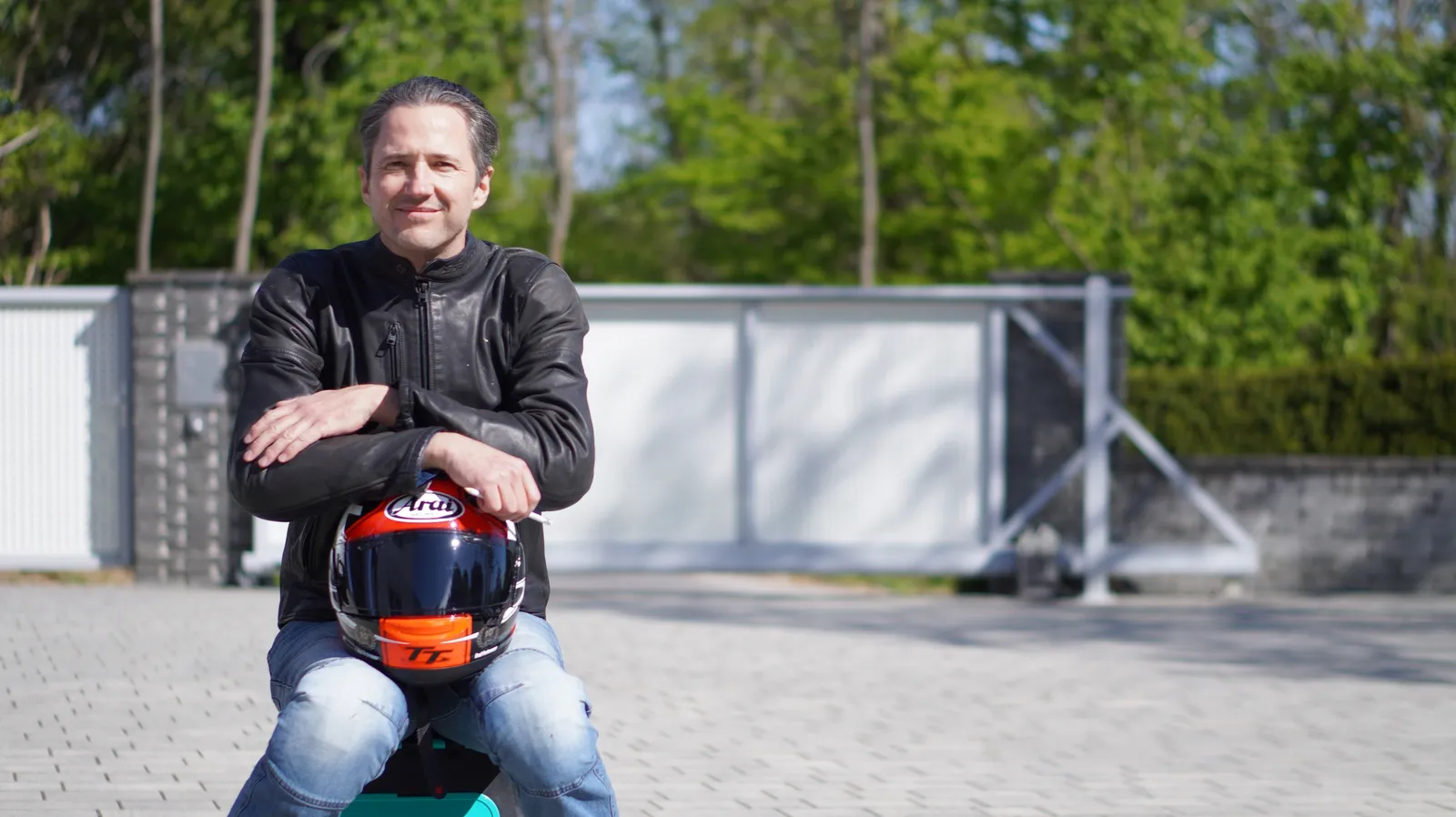
Cold, the four clears its throat with a hard mechanical rattle that never entirely disappears, and that is the appeal. You feel the engine through the pegs and the tank at every rpm, a low buzz on pull-away that flattens into a steady hum once you are rolling. The riding position is open and upright, the 31.3 in (795 mm) seat deep enough that you stop thinking about it after an hour, the reach to the bars short enough to keep your shoulders relaxed. At 60 mph the wind lands square on your chest and does exactly what a naked bike should do: it makes ordinary road speed feel like an event. Walking pace asks for attention, because there is genuine mass under you. Levers, switches and the instruments are where your hands and eyes already expect them.

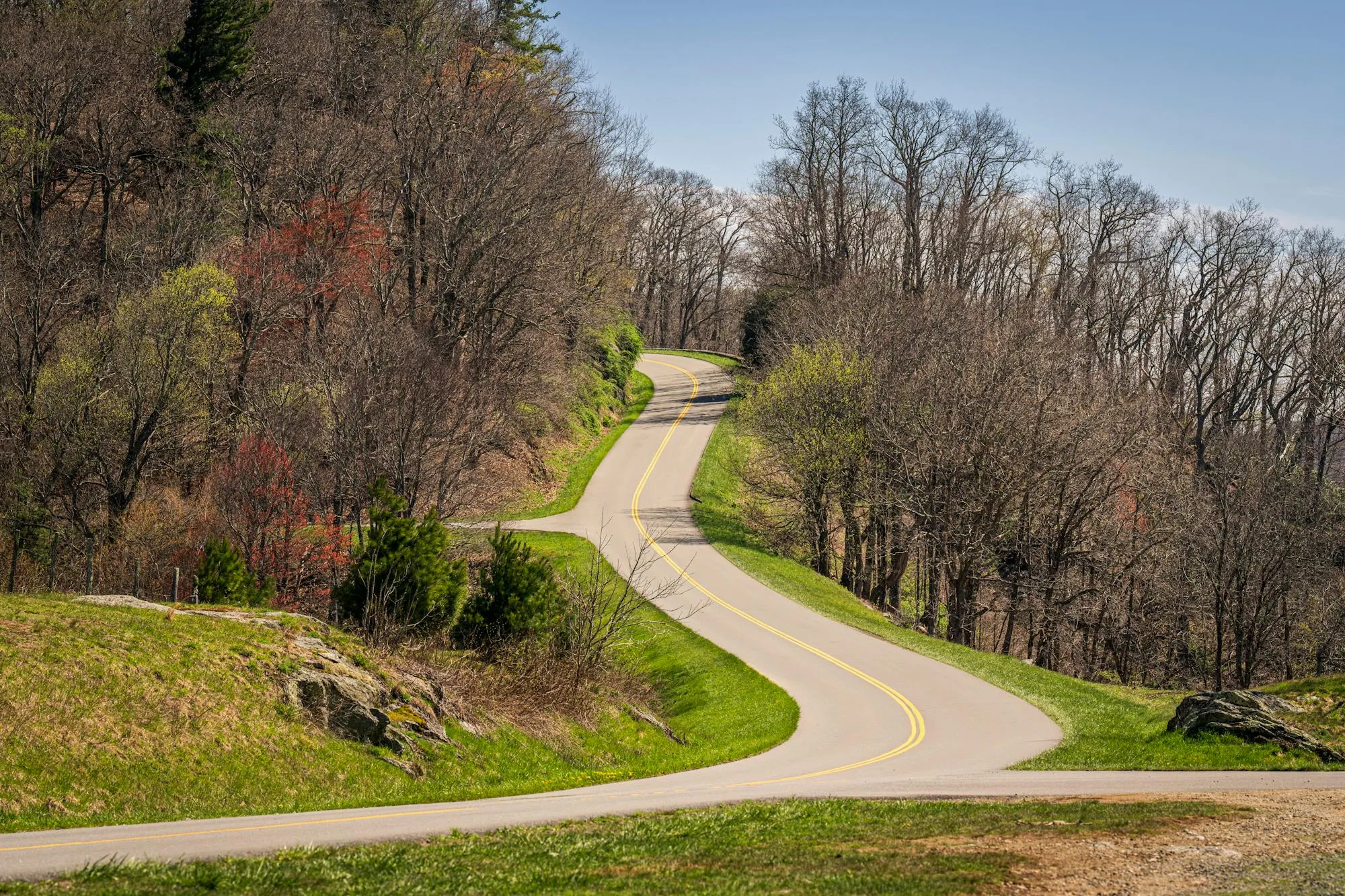
A winding asphalt road descending through the Appalachian Mountains, likely the famous Tail of the Dragon section in Tennessee and North Carolina. Multiple technical right-hand and left-hand curves are visible in this aerial perspective, surrounded by deciduous forest in spring foliage. Clear sunny conditions, well-maintained asphalt with yellow center lines marking the curves.
Mark Stebnicki / Pexels

The Truth on the Street

Known issues

  • Clutch slip requiring uprated conversion

    drivetrain occasional

    The stock clutch can slip under hard acceleration, especially on tuned engines; many owners replace it with a heavy-duty Barnett conversion.

  • Carburettor gumming – fuel system blockage

    fuel system common

    Ethanol in modern fuel causes varnish and jelly deposits in the four carburettors if the bike is laid up for more than a few weeks. Jets block, mixture goes rich and the engine runs poorly or refuses to idle. Regular riding or draining the float bowls during storage prevents it.

  • Regulator/rectifier failure

    electrics occasional

    Premature failure can cause battery drain, flickering lights, or overcharging, leaving the bike stranded.

The Expert Benchmark

Where this Yamaha XJR 1300 pulls ahead of — or falls behind — its rivals on the numbers, and the typical bike in its class on character.

What kind of bike this is — character vs. the class

This bike Class average

The shape of the Yamaha XJR 1300 — numbers and character vs. the average Naked Bike

Head-to-head: Yamaha XJR 1300 vs. its rivals

The 'Should I Buy It?' Score

Forget spec-sheet bragging. Here's who the XJR 1300 is actually built for.

A scenic view of Angeles Crest Highway winding through rugged Southern California canyon terrain. Rocky mountainsides with golden earth tones frame the asphalt road with tight sweeping curves. Double yellow center line visible, sparse vegetation along the shoulders, clear blue sky with white clouds. Daylight, dry conditions. Iconic location for canyon-road enthusiasts.
Josh Sorenson / Pexels

Best motorcycle for Texas Hill Country?

This is your bike. Long open roads, a big tank, a seat that stays comfortable two-up, and enough torque that Hill Country cruising never feels like work. Just keep it running through winter.

Made for Austin / Texas Hill Country · Twisted Sisters · Austin / Handbuilt Motorcycle Show
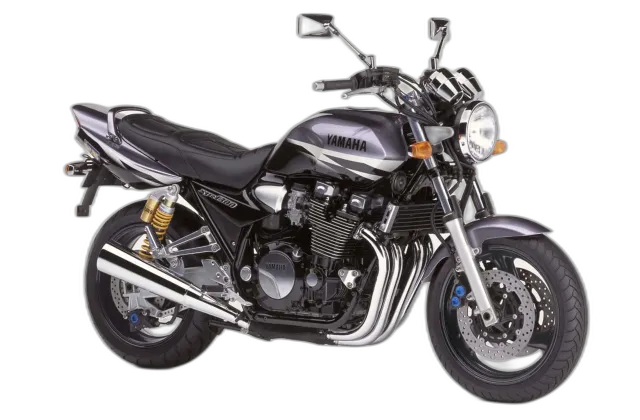
Best motorcycle for Angeles Crest?

It will run Angeles Crest happily at a flowing pace, but be honest with yourself: 540 lb and a fork with no adjustment mean it rewards smooth riding, not hard canyon attack.

Made for Angeles Crest Highway · Coronado Trail / US 191 · Highway 1 / Big Sur

Best motorcycle for Tail of the Dragon?

The Dragon's tightest sections ask more of the chassis than this bike wants to give. Take it on Blue Ridge sweepers instead, where its weight and torque work for you rather than against you.

Made for Back of the Dragon · Blue Ridge Parkway · Cherohala Skyway

What's new versus the previous generation

If you're cross-shopping the older generation, here's what changed.

Yamaha XJR 1300 (RP06)

Previous generation · 2002–2003

Yamaha XJR 1300 (RP06)

Old-School Muscle, Öhlins Spine

Compare to the previous model →

Alternatives to the Yamaha XJR 1300

If this one isn't quite the fit, these are the bikes worth riding back-to-back against it.