Yamaha XJR 1300 (RP19) — Naked Bike
NastyNils / Yamaha Press

2007–2014 · Naked Bike · Buyer's Guide

XJR 1300 (RP19)

The Air-Cooled Muscle That Delivers

The Machine's Character

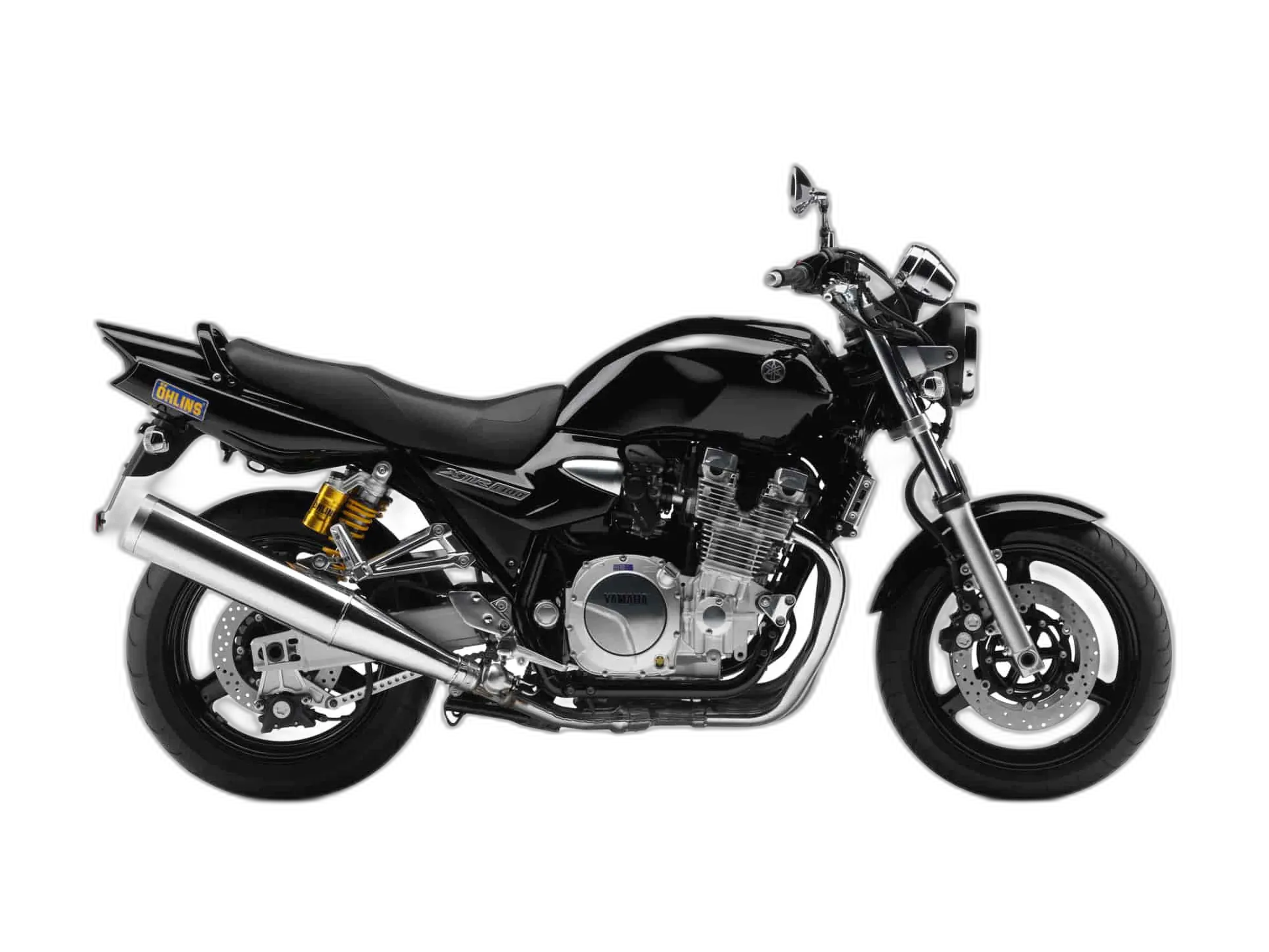
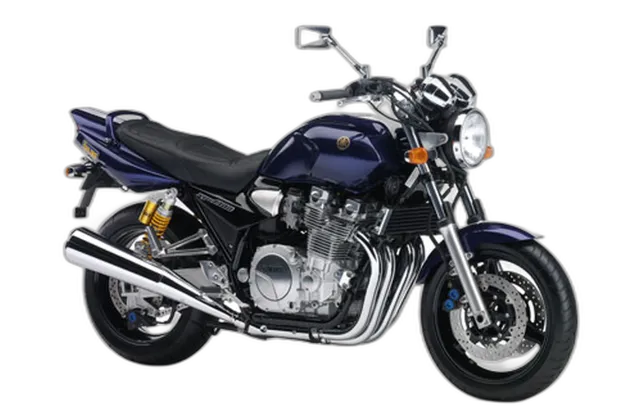
The XJR 1300 is Yamaha's big air- and oil-cooled inline-four in its purest street form. The 1251 cc engine makes 98 hp and 80 lb-ft, but the raw numbers miss the point. This motor lives in its midrange, loading up from just above idle with a deep, lazy shove that never feels rushed or peaky. A simple tubular-steel cradle and a conventional telescopic fork keep the recipe honest and old-school. Fuel injection keeps it clean without sanding the character down. In its class it's the muscle option, a bike built on torque, sound, and physical presence rather than a headline spec sheet.

It ages better than most bikes carrying this much character. Reliability is a genuine strength, and the running gear stays simple enough that maintenance is cheap and approachable. This is a machine for the rider who wants a big, characterful engine and long-haul comfort more than peak-power bragging rights, someone happy to trade outright sportbike pace for torque and presence. The honest caveats are real: there's no ABS in any configuration, the stock exhaust keeps a great-sounding four far too muted, and the instruments wash out in bright sun. None of that is a dealbreaker if character is what brought you here.

Hard Numbers

Spec sheets don't ride bikes, but they set the baseline.

Show full specs & equipment Hide specs & equipment
Key specifications
Power 98 hp (72 kW) @ 8,000 rpm
Torque 80 lb-ft (108 Nm) @ 6,000 rpm
Displacement 1251 cc
Engine Inline-four
Cooling Air/oil-cooled
Gearbox 5-speed
Final drive Chain
Fork Telescopic
Front brake 298 mm
Front tire 120/70-17
Rear tire 180/55-17
Seat height 31.3 in (795 mm)
Wet weight 529 lb (240 kg)
Fuel capacity 5.5 gal (21 L)
Fuel economy 32 mpg (US)

Equipment check

Chassis

  • Front Suspension Adjustable Standard
  • Rear Suspension Adjustable Standard

The Voice of Experience

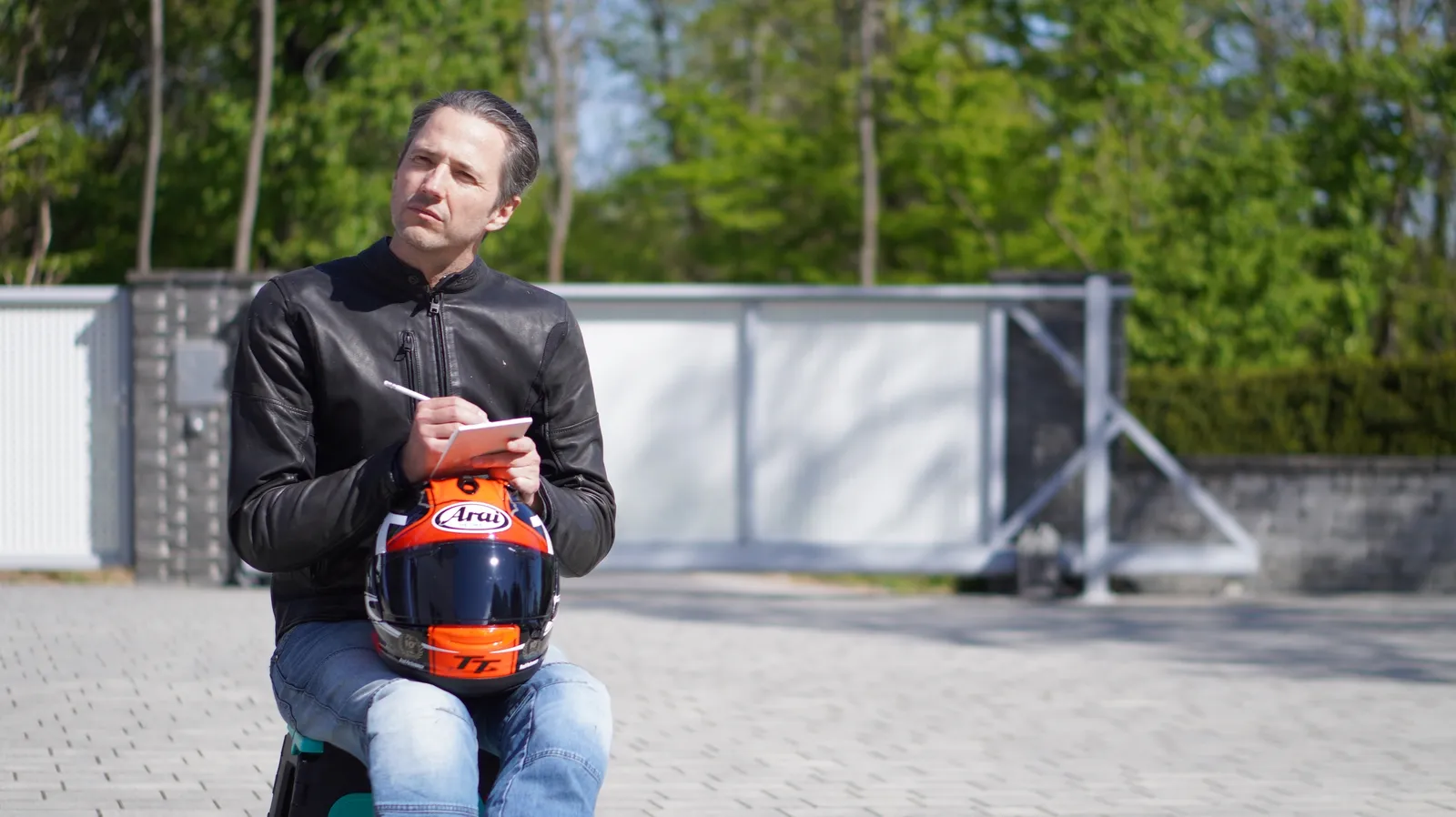
Portrait of NastyNils

The test ride

Throw a leg over and the weight is honest at a standstill: 529 lb you feel through your boots at walking pace. Roll away and a big share of it evaporates. What's left steers like a much smaller machine, helped by a lock-to-lock arc that's genuinely tight for something this size and a hydraulic clutch so light it barely registers in your hand. Slow U-turns and parking-lot crawls don't need the mental rehearsal a full-size naked usually demands. The seat is broad and the position relaxed, the kind of setup that shrugs off a long day without complaint. Fire it cold and it simply goes, no fast-idle dance at the button. The one sour note is acoustic: the factory pipe muffles a big four that clearly wants to be heard.

Rated point by point — where it earns its keep

My own 0–100 score for this bike against the class, area by area — the marker on each bar is the class average.

Nothing exotic is going on here, and it doesn't need to be. Every time I've leaned on the brakes they've answered with the same unhurried authority, pulling the bike down cleanly no matter how hard the ask. They never once came up short on me, never faded, never made me plan around them. They just do exactly what's requested and get on with it.

Two engines share one crankcase depending on your right hand. Down low it hauls itself out of slow corners without protest, no stumble even when the revs are barely awake. Ask for everything and the top of the range turns urgent, gathering into a hard, howling surge that keeps coming as long as the road allows. The only sour note is the muted factory silencer, which hides most of what this motor is actually doing underneath you.

Judged on first impressions the chassis feels soft, and that undersells it badly. Lean on the bike and the suspension firms into real composure underneath you. A touch more compression damping in the fork sharpened the front until it reported the road honestly and I could feel exactly what the tire had left. The rear was already well judged straight out of the crate, so the setup work asked of you is minor. Do that little bit and there's a properly sorted machine hiding under the relaxed surface.

The number that matters to me here isn't on the spec sheet, it's how the bike behaves once it's rolling. A lot of the heft you feel at a standstill quietly sorts itself out, and what's left moves with the ease of something a class or two lighter, which makes it an easy companion for long stretches. The saddle stays kind deep into a day's ride and the suspension shrugs off patchy tarmac without jarring you. Where it really earns its keep is two-up. The passenger perch and peg spacing are good enough that a second rider stays fresh over real distance instead of just enduring the trip. The lone frustration is the instrument panel, which loses all definition in daylight and leaves me estimating my pace instead of simply reading it.

Living with it day to day is mostly painless. Cold mornings ask nothing of you: thumb the starter and go, no warm-up ritual, no standing around while it clears its throat. The catch is what's absent on the safety side. There's no anti-lock braking on any version and no way to add it from the factory, so if that hardware is non-negotiable for you, this is where the bike drops off your list.

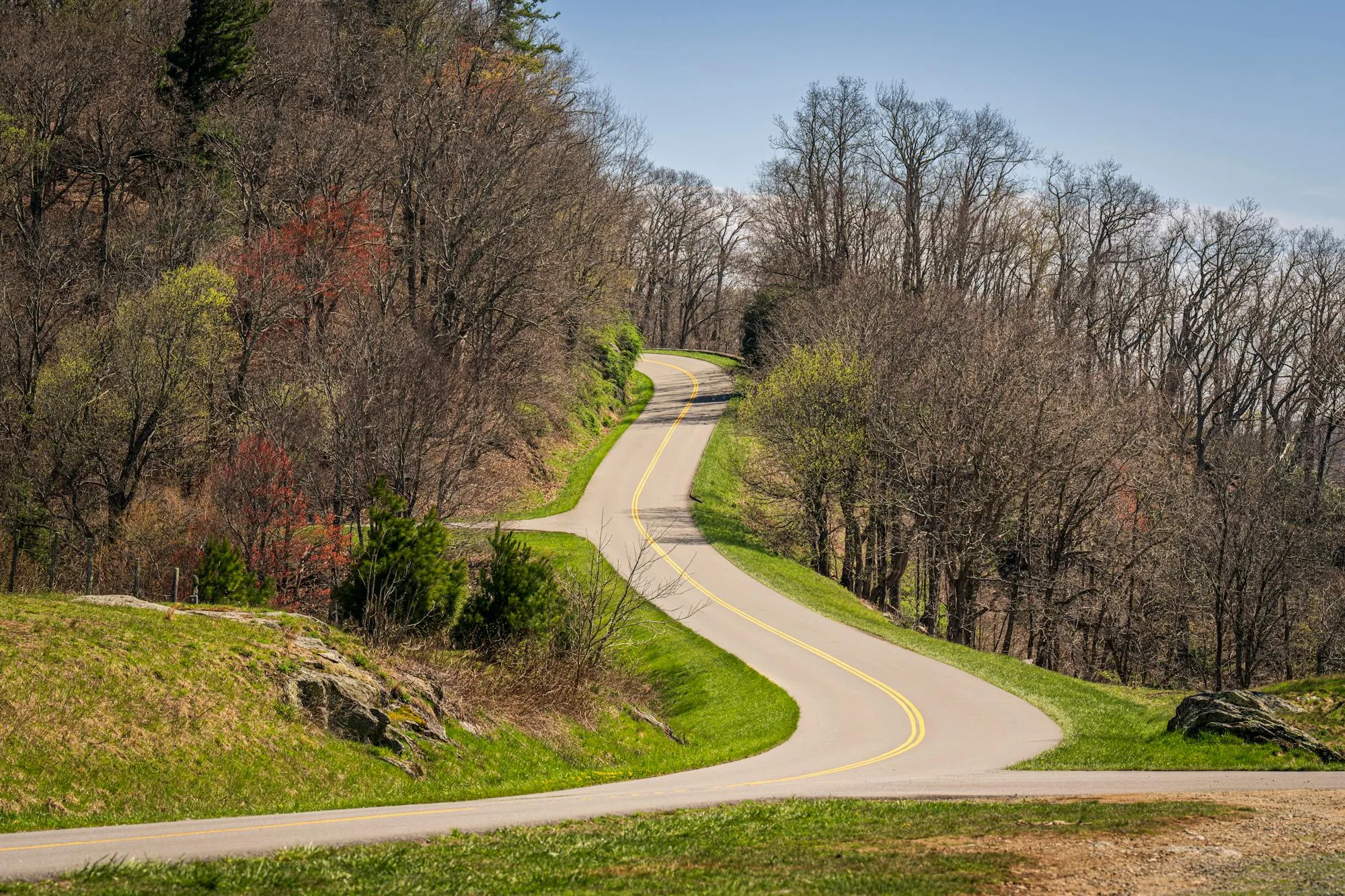
A winding asphalt road descending through the Appalachian Mountains, likely the famous Tail of the Dragon section in Tennessee and North Carolina. Multiple technical right-hand and left-hand curves are visible in this aerial perspective, surrounded by deciduous forest in spring foliage. Clear sunny conditions, well-maintained asphalt with yellow center lines marking the curves.
Mark Stebnicki / Pexels

The Truth on the Street

Known issues

  • Brake caliper piston seizing

    brakescommon

    Calipers require frequent cleaning; neglected units stick and impair braking.

  • Clutch slave cylinder failure

    drivetrainoccasional

    Known weak spot; can leak fluid and cause clutch drag. Replacement often required.

  • Sidestand cut‑out switch failure

    electricscommon

    Switch can fail, causing engine cut‑out or refusal to start. Often bypassed by owners.

  • Ignition barrel wear

    electricsoccasional

    Key becomes difficult to turn; eventually requires barrel replacement.

  • Intermittent power loss and rough running

    engineoccasional

    Sometimes traced to water in fuel or failing ignition components; may clear spontaneously.

  • Engine paint and chrome corrosion

    bodyworkvery common

    Exposed areas and mild steel exhaust rot quickly in wet conditions; cosmetic and structural.

The Expert Benchmark

Where this Yamaha XJR 1300 pulls ahead of — or falls behind — its rivals on the numbers, and the typical bike in its class on character.

What kind of bike this is — character vs. the class

This bike Class average

The shape of the Yamaha XJR 1300 — numbers and character vs. the average Naked Bike

Head-to-head: Yamaha XJR 1300 vs. its rivals

The 'Should I Buy It?' Score

Forget spec-sheet bragging. Here's who the XJR 1300 is actually built for.

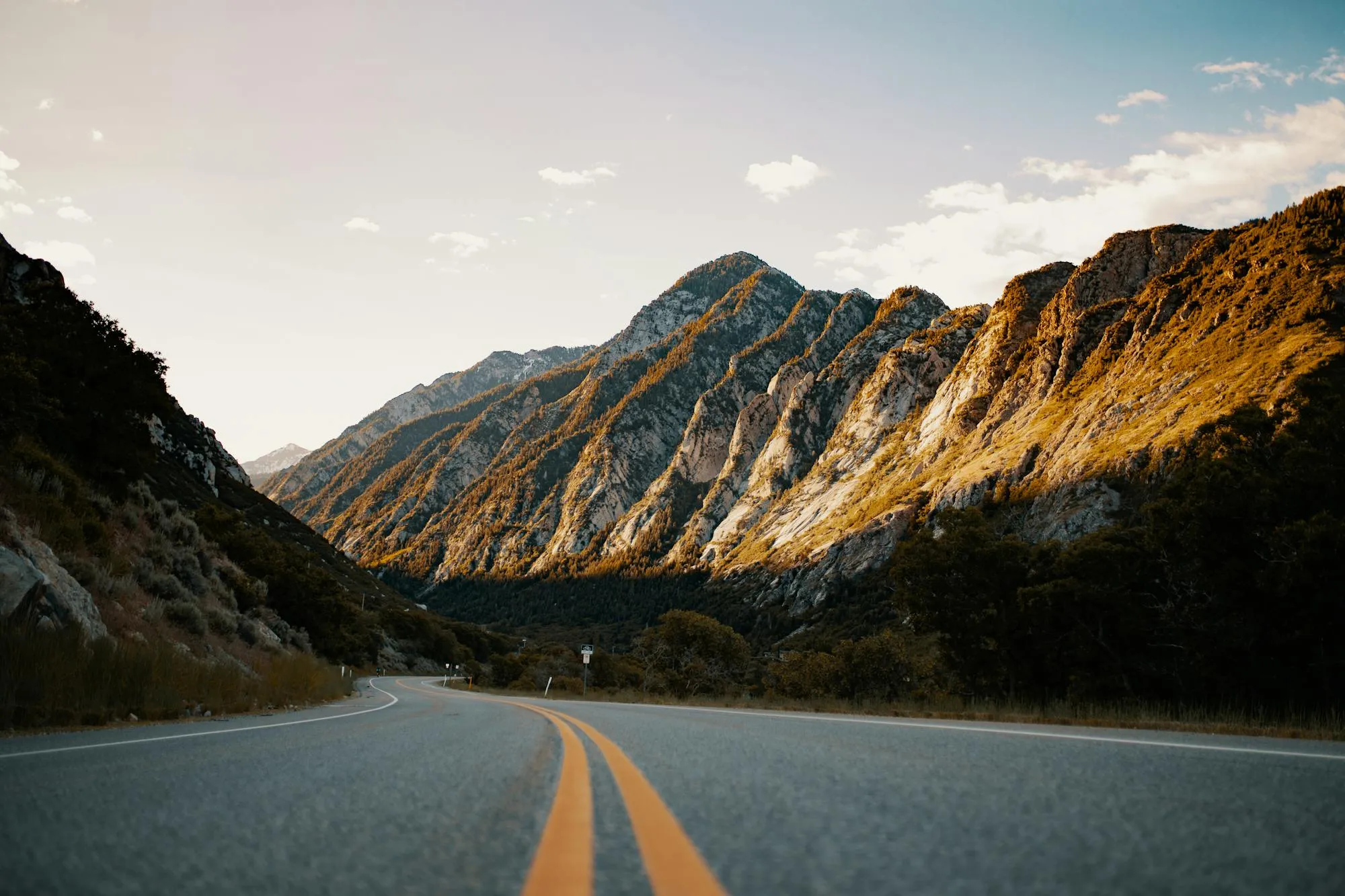
A scenic view of Angeles Crest Highway winding through rugged Southern California canyon terrain. Rocky mountainsides with golden earth tones frame the asphalt road with tight sweeping curves. Double yellow center line visible, sparse vegetation along the shoulders, clear blue sky with white clouds. Daylight, dry conditions. Iconic location for canyon-road enthusiasts.
Josh Sorenson / Pexels

Best motorcycle for Tail of the Dragon?

You'll respect how planted it gets once you lean on it, but be honest with yourself: this is a 529 lb muscle naked, not a light scalpel for chasing lines all day on the Dragon. It rewards smooth over frantic.

Made for Back of the Dragon · Blue Ridge Parkway · Cherohala Skyway
Best motorcycle for Texas Hill Country?

This one's close to ideal for you. Big lazy torque for the roadtrip miles, a comfortable seat for the long loops, and enough character to make the run out to the Twisted Sisters worth it.

Made for Austin / Texas Hill Country · Twisted Sisters · Austin / Handbuilt Motorcycle Show

Best motorcycle for Angeles Crest?

It'll surprise you with how composed it feels when you push, but know what you're buying: a heavyweight built on torque and presence, not a razor-edge canyon weapon. Great fun ridden its own way.

Made for Angeles Crest Highway · Coronado Trail / US 191 · Highway 1 / Big Sur

Alternatives to the Yamaha XJR 1300

If this one isn't quite the fit, these are the bikes worth riding back-to-back against it.

Any price note compares both bikes at the same age — the youngest age both have on the used market — against this Yamaha XJR 1300. “cheaper/pricier” is what that bike costs second-hand, not how worn it is.