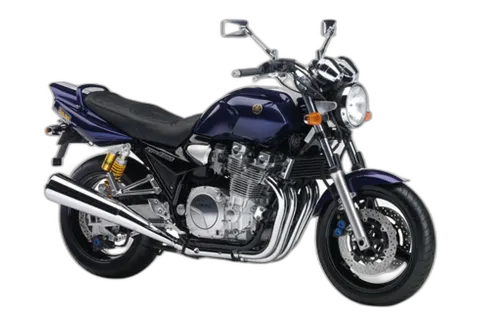
Yamaha XJR 1300 (RP06) — Naked Bike
Yamaha Press

2002–2003 · Naked Bike · Buyer's Guide

XJR 1300 (RP06)

3.5 / 5 NastyNils Rating · against its class

Old-School Muscle, Öhlins Spine

The Machine's Character

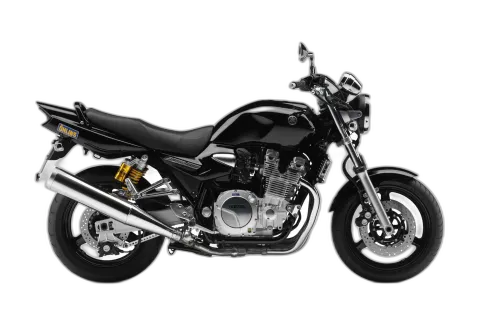
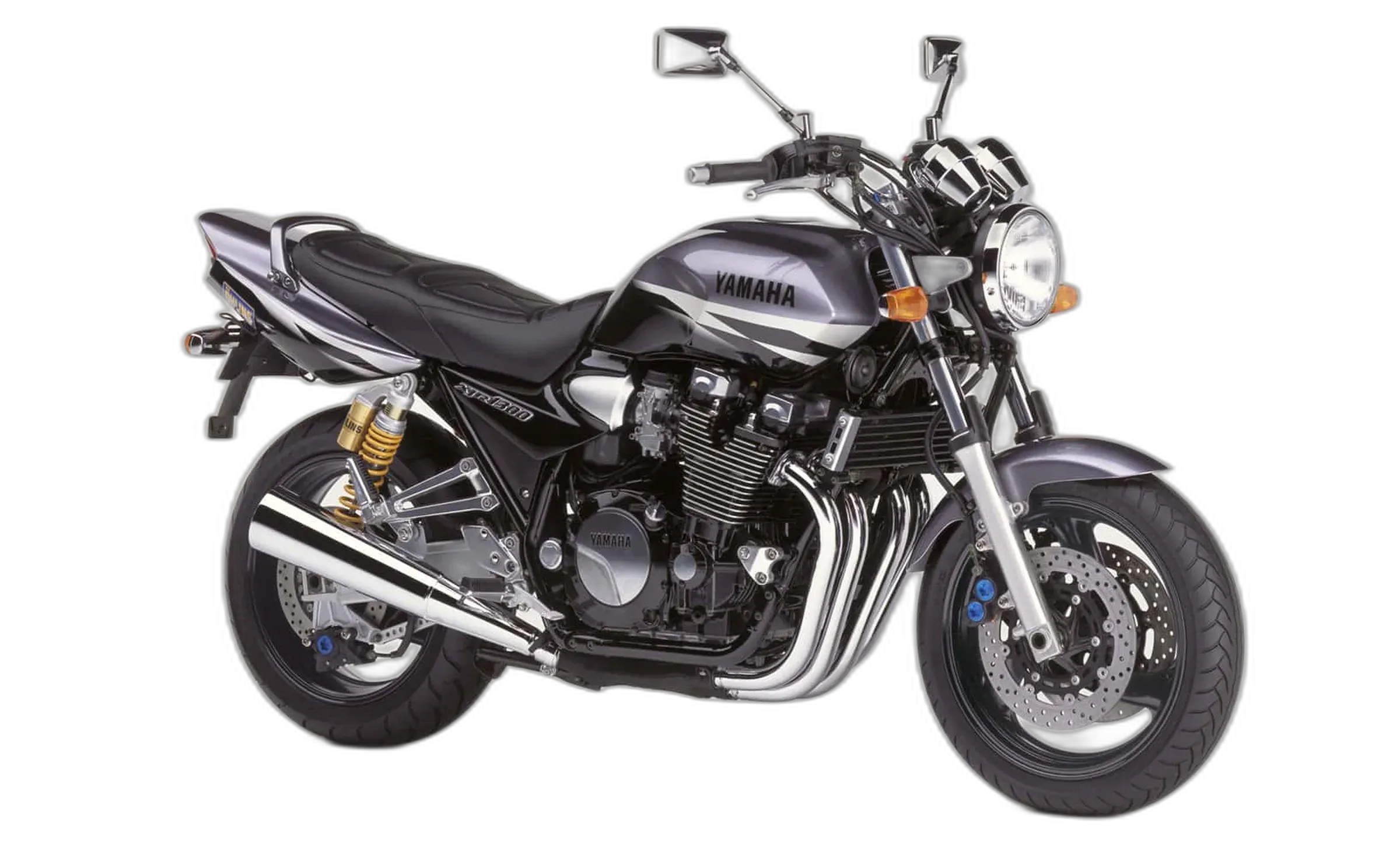
The XJR 1300 in RP06 form is a big air-cooled inline-four wrapped in the plainest possible package. There is 1251 cc under the fins, 99 hp at 8,000 rpm and 80 lb-ft at 6,000, fed through a five-speed box with nothing electronic between your wrist and the rear tire. No ABS, no traction control, no ride modes. What Yamaha did spend money on is the chassis: adjustable damping at both ends, with Öhlins shocks holding up the back. It is a muscle naked that carries its charisma in the engine rather than in a spec sheet.

Ridden hard or ridden lazy, it works the same way. The torque arrives early and stays flat enough that you stop thinking about gears, and the wind on your chest does the job of making 60 mph feel like an occasion. That suits open back roads, long two-up days, and riders who like a machine they can understand. The honest caveat is 551 lb of it, which you feel every time you paddle it around a parking lot, plus the age. Check that the 2003 oil cooler bolt recall was carried out before money changes hands.

Hard Numbers

Spec sheets don't ride bikes, but they set the baseline.

Show full specs & equipment Hide specs & equipment
Key specifications
Power 99 hp (73 kW) @ 8,000 rpm
Torque 80 lb-ft (108 Nm) @ 6,000 rpm
Displacement 1251 cc
Engine Inline-four
Cooling Air-cooled
Gearbox 5-speed
Fork Telescopic
Front tire 120/70-17
Rear tire 180/55-17
Seat height 31.3 in (795 mm)
Wet weight 551 lb (250 kg)
Fuel capacity 5.5 gal (21 L)

Equipment check

Chassis

  • Front Suspension Adjustable Standard
  • Rear Suspension Adjustable Standard

The Voice of Experience

Portrait of NastyNils

The test ride

The noise is the first thing you notice. An air-cooled four this size has no water jacket to muffle it, so you get valve gear, intake roar and a hard flat bark from behind you, all at once. Vibration comes through the pegs and tank as a low buzz rather than a shake, and it never turns unpleasant. The riding position is upright and roomy with wide bars, and at 31.3 in the seat lets most riders get boots down flat, which matters because the weight is obvious the moment you are not moving. Above walking pace it settles and the bike feels smaller than the number suggests. At real road speed the wind pressure builds on your chest and arms, and that alone keeps the pace honest without you ever looking at the speedometer. Controls are heavy in the old-school sense, not vague.

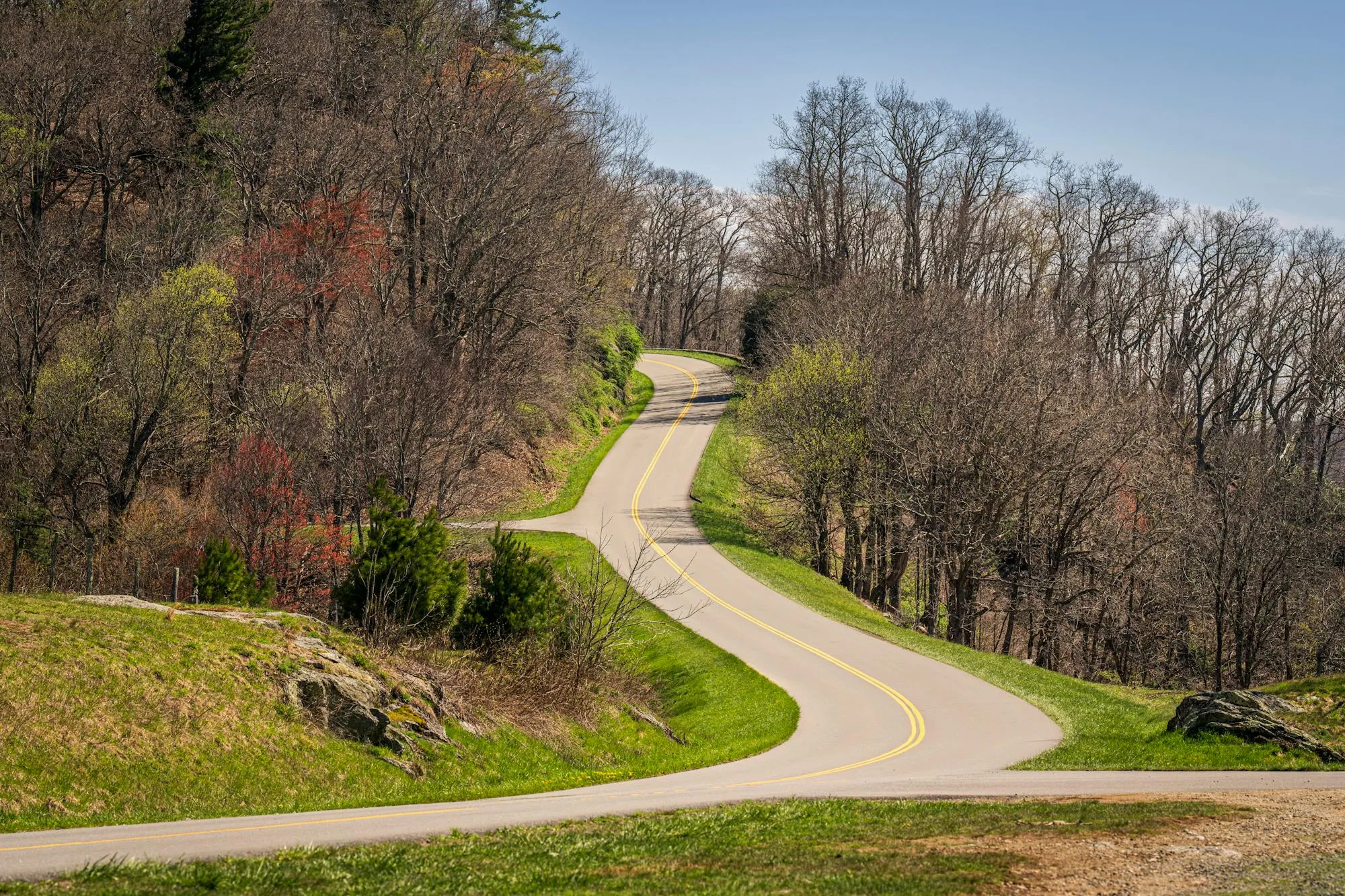
A winding asphalt road descending through the Appalachian Mountains, likely the famous Tail of the Dragon section in Tennessee and North Carolina. Multiple technical right-hand and left-hand curves are visible in this aerial perspective, surrounded by deciduous forest in spring foliage. Clear sunny conditions, well-maintained asphalt with yellow center lines marking the curves.
Mark Stebnicki / Pexels

The Truth on the Street

I have been collecting this one slowly: track day chatter, club nights, owners flagging me down at gas stops, and the messages riders send me directly. On the RP06 the pattern is tidy. The praise points at the powertrain and the long-haul side of the bike, and the criticism points at what happens once the road starts turning.

What owners never complain about

The air-cooled four collects the most consistent praise. Riders call it smooth and full of character, with a deep, muscular note behind them, and most say they settle into low revs and let it roll rather than work the gearbox. Riders who travel two-up keep bringing up the seat and the soft springing for long days. Home mechanics like how little stands between them and the simple carbureted hardware.

Where the criticism piles up

The chassis draws the loudest criticism. On factory settings riders report the bike moving around mid-corner instead of holding its line, and those who want to push usually end up replacing the suspension. A smaller number say the motor thins out near the top of the rev range next to water-cooled machines. The other steady warning is condition: carburetor trouble, frame rust, and servicing that never happened.

Known issues

  • Oil cooler bolt loosening (recall)

    engine rare Recall

    The fixing bolts holding the oil hoses onto the oil cooler could loosen, leading to engine oil leakage. An official recall was issued (Yamaha campaign XJR/A) in 2003 to inspect and modify affected units.

  • Charging system failures

    electrics occasional

    The generator and regulator/rectifier units are known weak points as the bike ages, leading to dead batteries and potential breakdowns.

  • Carburetor gumming from ethanol fuel

    fuel system occasional

    Modern ethanol-blended fuel can turn to jelly in the carburetors if the bike is left standing for extended periods, blocking jets and causing hard starting or poor running.

  • Clutch judder at engagement

    drivetrain occasional

    Worn clutch plates can cause a juddering sensation when engaging the clutch, typically requiring replacement of the friction plates.

  • Engine paint flaking

    engine common

    The factory paint on the engine cases is prone to peeling and flaking, especially when exposed to road salt or harsh cleaning.

The Expert Benchmark

Where this Yamaha XJR 1300 pulls ahead of — or falls behind — its rivals on the numbers, and the typical bike in its class on character.

What kind of bike this is — character vs. the class

This bike Class average

The shape of the Yamaha XJR 1300 — numbers and character vs. the average Naked Bike

Head-to-head: Yamaha XJR 1300 vs. its rivals

The 'Should I Buy It?' Score

Forget spec-sheet bragging. Here's who the XJR 1300 is actually built for.

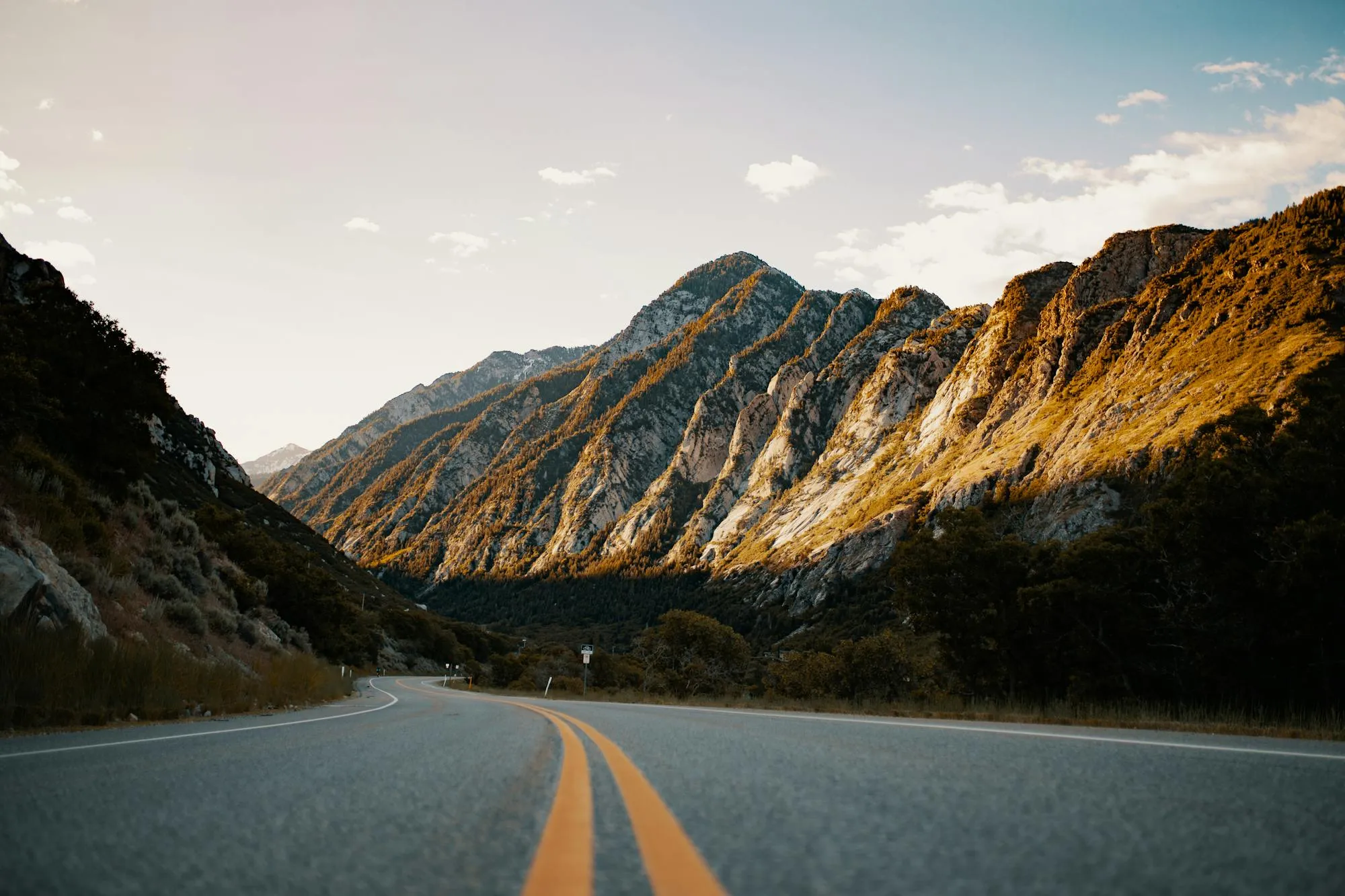
A scenic view of Angeles Crest Highway winding through rugged Southern California canyon terrain. Rocky mountainsides with golden earth tones frame the asphalt road with tight sweeping curves. Double yellow center line visible, sparse vegetation along the shoulders, clear blue sky with white clouds. Daylight, dry conditions. Iconic location for canyon-road enthusiasts.
Josh Sorenson / Pexels

Best motorcycle for Tail of the Dragon?

On the tight stuff around the Dragon, 551 lb shows up in your forearms fast. Give it Cherohala's longer sweepers instead and the torque lets you flow through without ever hunting for a gear.

Made for Back of the Dragon · Blue Ridge Parkway · Cherohala Skyway
Best motorcycle for Texas Hill Country?

This is a good fit for Hill Country days. Big tank, relaxed gearing and enough grunt to make the miles between towns easy, though you ride the whole way in open air with no wind protection.

Made for Austin / Texas Hill Country · Twisted Sisters · Austin / Handbuilt Motorcycle Show

Best motorcycle for Angeles Crest?

It rewards momentum and smooth inputs, not quick flicks between apexes. With no ABS or traction control, everything rests on your own judgment, which is exactly what some canyon riders want.

Made for Angeles Crest Highway · Coronado Trail / US 191 · Highway 1 / Big Sur

Alternatives to the Yamaha XJR 1300

If this one isn't quite the fit, these are the bikes worth riding back-to-back against it.