
·

Harley-Davidson LiveWire ELW (MY2019) — Naked Bike
NastyNils / Harley-Davidson Press

2019–2021 · Naked Bike · Buyer's Guide

LiveWire ELW (MY2019)

Harley Goes Full Send Electric

The Machine's Character

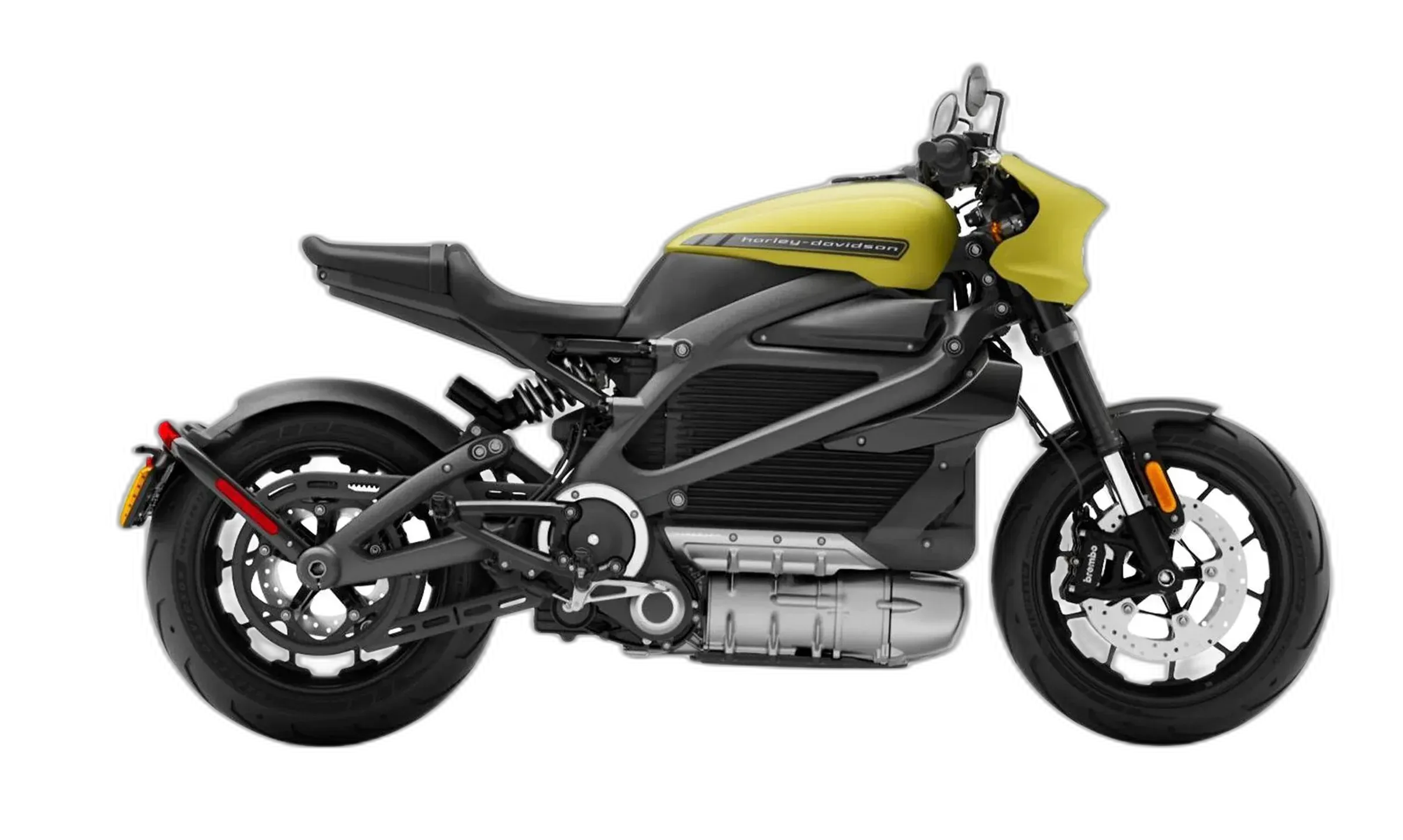
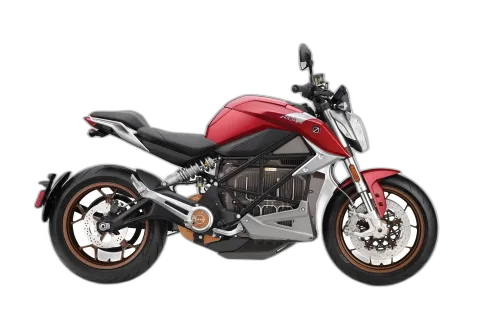
Harley's first series electric strips the ride down to one motion: twist and go. The Revelation motor sends 105 hp and 86 lb-ft to the belt with no clutch and a single ratio, so the pull arrives the instant you open the throttle and never stops to shift. The heavy battery pack rides low in the frame, dropping the center of gravity and giving the whole machine a planted, pivoting feel. It sits in the naked class, yet it rides closer to an aggressive one than anything else wearing this badge, with lean-sensitive electronics backing it up.

This is a bike for technical roads and short, intense loops, not long highway hauls. Belt drive and an electric powertrain keep service visits rare and running costs low, so it should age cheaply and cleanly. The honest catch is range and charging. Real-world range suits an aggressive day loop, but public charging is too slow to plan a tour around, and with zero wind protection an hour at highway speed gets tiring. Ride it for what it is, a corner weapon you point at the twisties, and it delivers.

Hard Numbers

Spec sheets don't ride bikes, but they set the baseline.

Show full specs & equipment Hide specs & equipment
Key specifications
Power 105 hp (78 kW)
Torque 86 lb-ft (117 Nm)
Engine Electric
Cooling Liquid-cooled
Gearbox 1-speed
Final drive Belt
Fork Upside-down (USD)
Front tire 120/70-17
Rear tire 180/55-17
Wheelbase 58.7 in (1491 mm)
Seat height 30.7 in (780 mm)
Wet weight 549 lb (249 kg)
Top speed 110 mph (177 km/h)

Equipment check

Connectivity

  • TFT Display Standard
  • Smartphone Connectivity Standard

Lighting

  • LED Headlight Standard

Safety

  • ABS Standard
  • Traction Control Standard
  • Ride Modes Standard

The Voice of Experience

Portrait of NastyNils

The test ride

The first thing that lands is the quiet. There's no engine note to lean on, just a rising electric whir and the sound of the tires, and the machine runs free of vibration underneath you. Your hands hunt for the missing clutch lever and shifter for a couple of miles, then stop looking for them entirely. The riding position is roomy and upright, easy to settle into. The Showa suspension is tuned firm, so the road comes up through the bars and seat with real clarity, stiff but consistent. Push it through a set of quick transitions and the mass you read on the spec sheet mostly vanishes. Get up to speed on an open stretch and the air pushes back hard against your chest, a constant reminder there's nothing out front to hide behind.

Rated point by point — where it earns its keep

My own 0–100 score for this bike against the class, area by area — the marker on each bar is the class average.

Point it at a set of switchbacks and the number on the scale stops mattering. The mass rides low, so the bike changes line with precision and flicks side to side almost for free. The firm Showa kit stays honest with me about what each end is doing, a stiffness that suits the machine rather than fighting it. My work comes at corner entry. It keeps trying to pick itself upright, so I load the bar and steer deliberately the whole way through. Maybe the cautious rubber, maybe the geometry underneath.

On a road that twists and turns with barely a straight, this is the bike in its element. Trail the brakes to the apex, get it leaned, then wind the drive back in, and each piece hands to the next without a hitch. The stronger impression is what it does to me between corners: it wants more pace, then more again, and never lets up on the pull. I've ridden plenty of machines from this maker, and none has ever leaned this hard toward being a sharp, quick naked.

Roll the throttle and the shove is simply there, the instant you ask. Nothing sits between your wrist and the rear tire, no lever to slip, no ratio to sort, so every bit of the motor's effort lands as forward drive. What caught me off guard was the safety net. Traction control and ABS track how far I'm leaned over and meter their help with a sharpness this brand rarely shows. The tuning leans sporting, reading each moment and trimming grip cleanly rather than clumsily.

Living with this one costs you next to no wrenching. The belt at the back wants no grease and no tension checks between rides, and the electric drive adds almost nothing to the list. There's no schedule of chores nagging at you and very little a workshop can put on an invoice. Trips to the shop stay few and far apart. If you'd rather ride than fettle, the mechanical side asks little and gives you the time back.

The part I expected to relearn, I never did. It takes a mile or two, then I stop noticing there's no clutch lever or shift pedal at all. Everything under my hands and feet answers the way long habit says it should, with nothing to adjust to. The trouble is out front, where there's nothing at all. With no fairing to duck behind, real speed turns the ride into a wrestling match with the wind. A quick, hard blast leaves me fine. Sixty minutes down the interstate is another matter.

The battery holds plenty for a spirited evening ride. The catch is temperament: the machine keeps tempting me to spend more charge than I meant to, and holding back to save range feels like a chore I won't stick to, so I pull in tired and close to drained. Public charging is the harder wall. A quick top-up sends me on my way, but the time it costs against the miles it returns never adds up for a trip you'd map out. Around home you'll seldom plug in anywhere public. Aim it at the horizon and the limit bites.

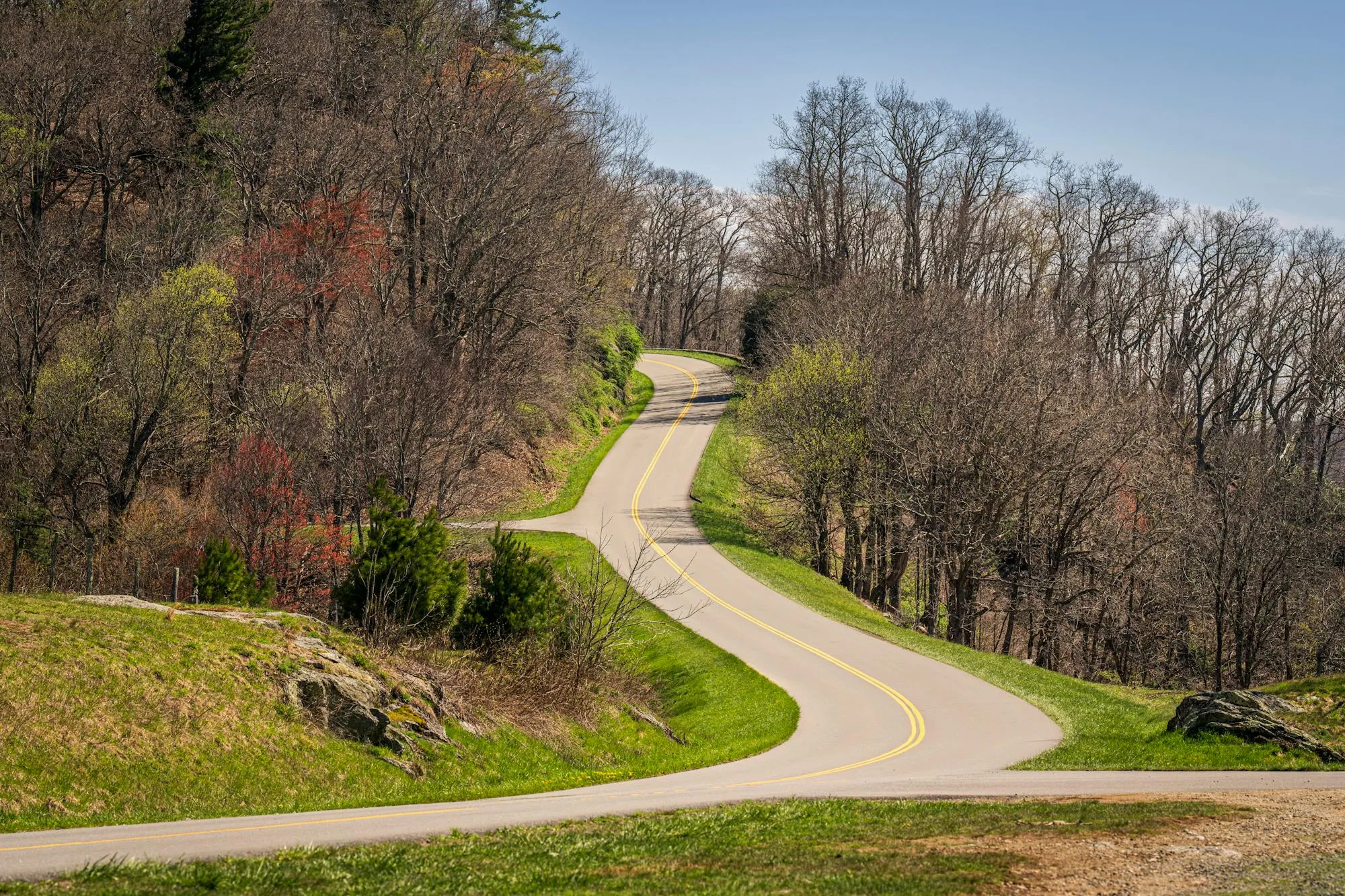
A winding asphalt road descending through the Appalachian Mountains, likely the famous Tail of the Dragon section in Tennessee and North Carolina. Multiple technical right-hand and left-hand curves are visible in this aerial perspective, surrounded by deciduous forest in spring foliage. Clear sunny conditions, well-maintained asphalt with yellow center lines marking the curves.
Mark Stebnicki / Pexels

The Truth on the Street

For years I've followed the conversations riders keep going online, listened in the paddock, and read the emails and messages owners send me straight about this bike. Put it all together and the LiveWire lands the same way for most of them: the ride wins them over, then the ownership math gives them pause.

What Riders Fall For

The torque comes up first and loudest. Riders describe maximum shove from a standstill, an instant, ferocious pull that's there at any speed. Close behind is the silence. Owners keep returning to the near-silent, vibration-free motor and how it leaves them fresh at the end of a ride, free to take in the road around them. Many add how little it demands in traffic, no lever to work and no gear to pick, with a throttle that stays smooth and undemanding in stop-and-go. That easy nature is what makes so many of them call it a natural fit for the city.

Where They Hesitate

The reservations cluster tight. Price leads by a wide margin, a figure near $30,000 that most riders call steep enough to file under wish. Then come range and charging: real-world numbers around 100 miles of mixed riding, and a home charge slow enough to complicate any longer trip. A smaller group points to the heft, over 500 lbs, which reads as a lot of bike to shuffle at walking pace.

Known issues

  • Onboard Charger (OBC) software recall

    electricsrareRecall

    A software fault in the OBC could cause the electric powertrain to unexpectedly shut down and fail to restart. Affected units built 3/18/2019–8/20/2020. Remedy: free OBC software update, plus updates to instrument module and EV powertrain.

The Expert Benchmark

Where this Harley-Davidson LiveWire ELW pulls ahead of — or falls behind — its rivals on the numbers, and the typical bike in its class on character.

What kind of bike this is — character vs. the class

This bike Class average

The shape of the Harley-Davidson LiveWire ELW — numbers and character vs. the average Naked Bike

Head-to-head: Harley-Davidson LiveWire ELW vs. its rivals

The 'Should I Buy It?' Score

Forget spec-sheet bragging. Here's who the LiveWire ELW is actually built for.

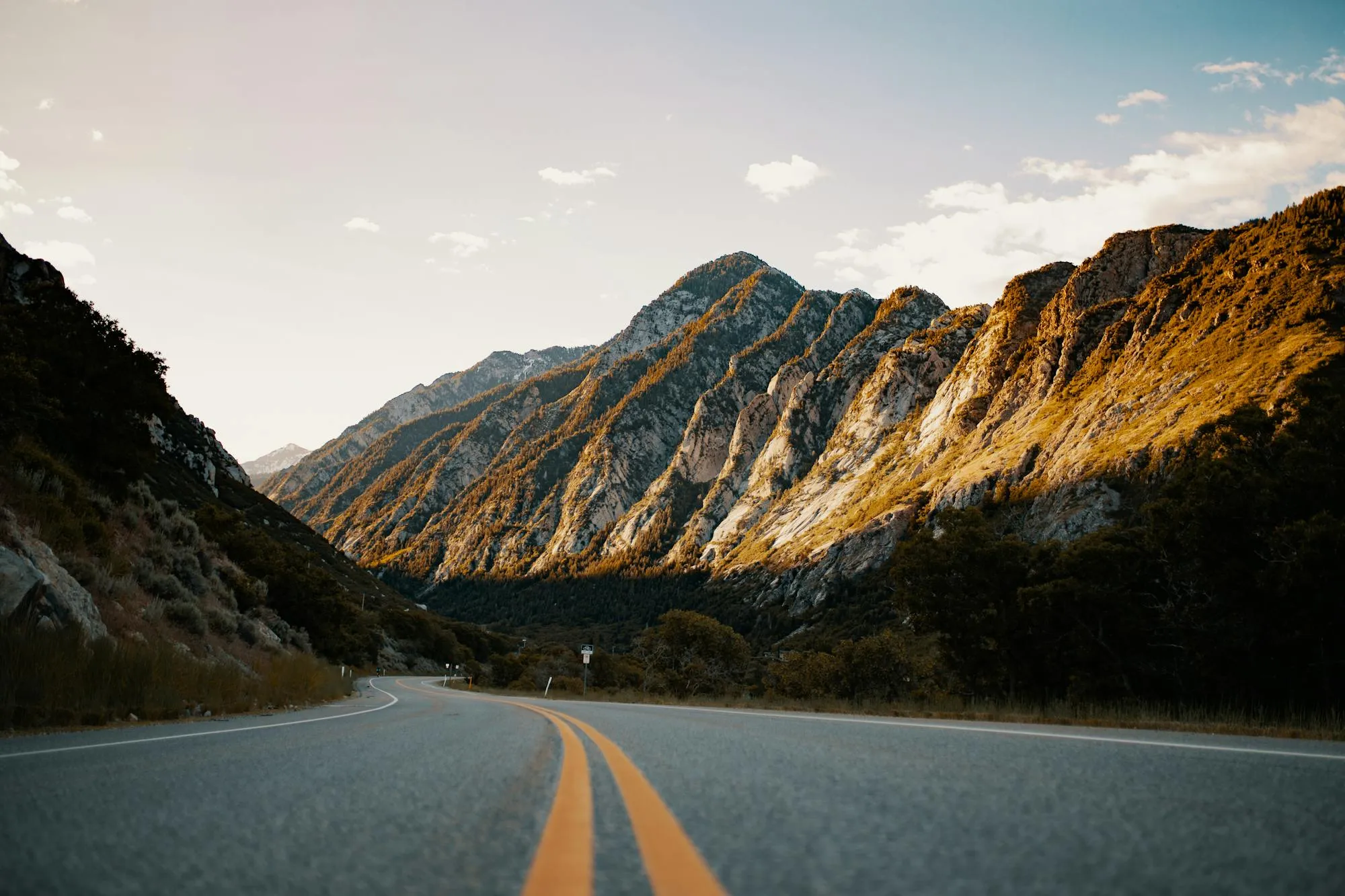
A scenic view of Angeles Crest Highway winding through rugged Southern California canyon terrain. Rocky mountainsides with golden earth tones frame the asphalt road with tight sweeping curves. Double yellow center line visible, sparse vegetation along the shoulders, clear blue sky with white clouds. Daylight, dry conditions. Iconic location for canyon-road enthusiasts.
Josh Sorenson / Pexels

Best motorcycle for Tail of the Dragon?

You live for skill work on the Dragon and the Blue Ridge, and this bike rewards it: instant drive, a low-slung pivot, and sharp electronics for repeat runs. Just plan charging around the longer days out.

Made for Back of the Dragon · Blue Ridge Parkway · Cherohala Skyway
Best motorcycle for Bay Area?

Commute the city, hit Skyline on weekends, and it fits your world: modern, photogenic, near-zero upkeep, and genuinely quick on a twisty ridge road. Range covers day loops, not tours.

Made for Bay Area Ridge Roads · San Francisco / Bay Area · Skyline Boulevard / Alice's Restaurant

Best motorcycle for Angeles Crest?

On Angeles Crest this thing carves: instant torque, a planted low center, and honest suspension feedback for precise canyon work. You'll spend range fast, and there's no wind cover for the slab home.

Made for Angeles Crest Highway · Coronado Trail / US 191 · Highway 1 / Big Sur

Alternatives to the Harley-Davidson LiveWire ELW

If this one isn't quite the fit, these are the bikes worth riding back-to-back against it.

Any price note compares both bikes at the same age — the youngest age both have on the used market — against this Harley-Davidson LiveWire ELW. “cheaper/pricier” is what that bike costs second-hand, not how worn it is.