

Zero DSR (Gen1) — Electric Motorcycle
NastyNils / Zero press archive

2016–2019 · Electric Motorcycle · Buyer's Guide

DSR (Gen1)

Silent Punch, Real Dirt Cred

The Machine's Character

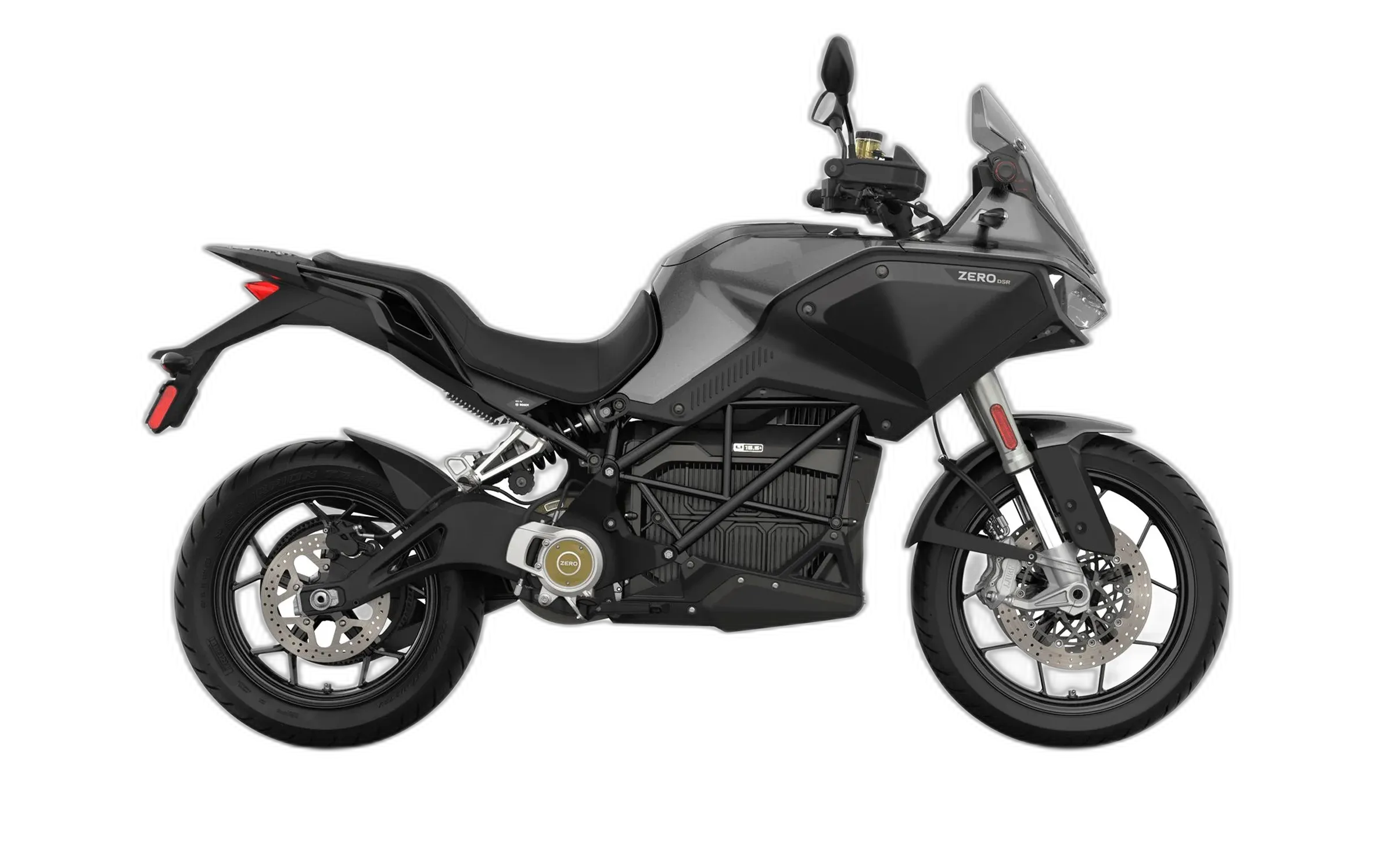
The DSR takes the electric formula off the pavement. You get 70 hp and a thumping 116 lb-ft the instant you crack the throttle, fed through a single-speed direct drive that never asks for a clutch or a shift. Three ride modes dial the response from mellow to sharp, and ABS keeps the front honest when the surface turns loose. It's air-cooled, no radiator, no oil, just a sealed box where an engine would sit. In its class it reads as a real dual-sport that happens to run silent, not a commuter dressed up in trail styling.

On the road it feels lighter than its 419 lb suggests. The mass sits low, so it changes direction without argument and settles into a fast sweeper without wallow, running out toward 102 mph without getting nervous. This is a bike for the rider who wants immediate punch and near-zero maintenance, not one chasing long miles between stops. The honest catch is range. Plan around 100 miles of realistic mixed riding and a lengthy recharge before you head out again. Live inside that envelope and the DSR delivers every day. Push past it and the electric life starts to bite.

Hard Numbers

Spec sheets don't ride bikes, but they set the baseline.

Show full specs & equipment Hide specs & equipment
Key specifications
Power 70 hp (52 kW)
Torque 116 lb-ft (157 Nm)
Engine Electric
Cooling Air-cooled
Gearbox 1-speed
Front tire 100/90-19
Rear tire 130/80-17
Wheelbase 56.2 in (1427 mm)
Seat height 33.2 in (843 mm)
Wet weight 419 lb (190 kg)
Top speed 102 mph (164 km/h)

Equipment check

Safety

  • ABS Standard
  • Ride Modes Standard

The Voice of Experience

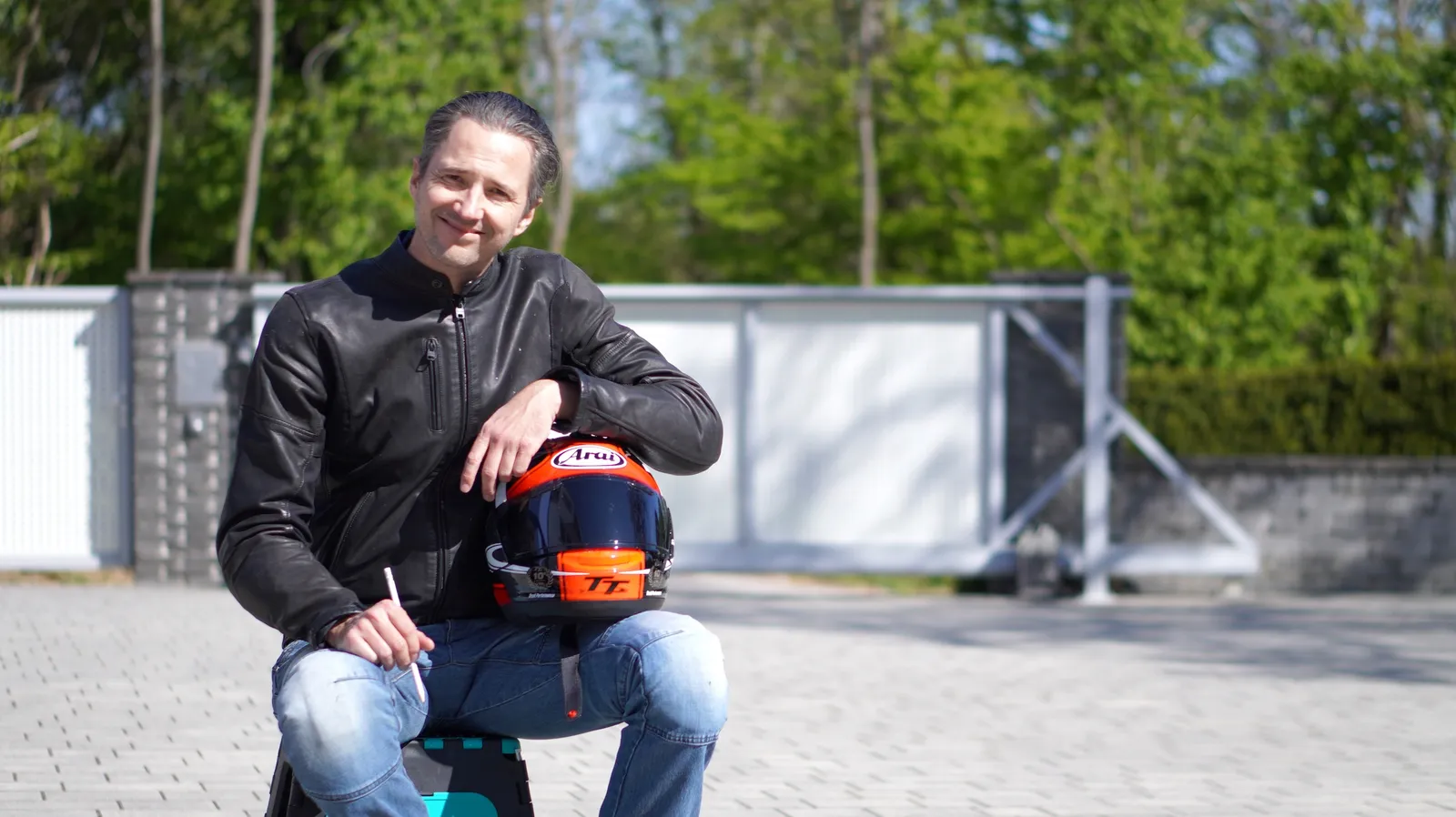
Portrait of NastyNils

The test ride

Wake the bike and nothing happens: no crank, no idle, just a dash lighting up. Roll off and the only sound is tire hiss and moving air. That quiet reorders the whole ride; you hear the road and your own breathing instead of an engine. Nothing buzzes up through the pegs or bars either, so your hands stay fresh long after a combustion bike would have left them numb. The riding position is tall and upright, the 33.2-inch seat placing you high over traffic with a commanding view. You barely register the weight once rolling, and it's carried low enough that slow-speed maneuvering in a parking lot stays easy. Point it down a bumpy back road and the long-travel suspension soaks up the hits while the chassis holds steady all the way to speed.

Elevated aerial view of Seattle's downtown skyline looking toward the city core along a dense urban street canyon. A mix of glass-and-steel skyscrapers and mid-rise residential towers fills the frame. A construction crane is active on the left. The street below carries light vehicle traffic flanked by mature street trees.
Josh Hild / Pexels

The Truth on the Street

I've spent years listening to DSR owners: conversations at trailheads, long rider threads, and the notes people send me directly. Add it up and one pattern holds. Riders are won over by how the bike puts down its power, then plan around what the battery allows.

Where The Praise Lands

The loudest, most repeated note is how the power arrives. With no clutch or gearbox in the way, owners describe a clean, even pull that builds smoothly rather than snapping, with instant shove on the throttle. Handling sits close behind: plenty are surprised how nimble the bike is at this size, steady in the bends and capable once the pavement runs out. They also point to how little it asks in upkeep.

What They Ride Around

The gripes line up just as tightly. Range leads: everyday riding lands owners around the hundred-mile mark, and holding highway speed shortens that enough to keep them watching for the next outlet. Charging is the flip side: a full refill from a standard wall socket runs close to nine hours, so long rides back to back need an overnight stop. A quieter complaint is the tight steering lock, its turning circle poor enough to make U-turns and parking a chore.

Known issues

  • Inaccurate battery gauge leads to unexpected stranding

    electricsoccasional

    Some owners report the battery level indicator suddenly dropping, leaving the bike powerless far from a charging point, potentially causing a dangerous roadside stoppage.

  • Onboard charger failure at moderate mileage

    electricsoccasional

    The integrated charger can fail, often around 7,000–15,000 miles, resulting in the inability to charge the bike and requiring dealer replacement.

  • Contactor occasionally sticks after charging

    electricsrare

    The high‑voltage contactor may fail to disengage after unplugging, preventing the bike from starting until a key cycle or service intervention.

The Expert Benchmark

Where this Zero DSR pulls ahead of — or falls behind — its rivals on the numbers, and the typical bike in its class on character.

What kind of bike this is — character vs. the class

This bike Class average

The 'Should I Buy It?' Score

Forget spec-sheet bragging. Here's who the DSR is actually built for.

Aerial photograph of downtown Austin, Texas, showing modern high-rise buildings against a clear blue sky. Urban infrastructure, highways, and parking structures visible in the foreground.
Thomas Balabaud / Pexels

Best electric motorcycle for commuting?

For your city grind and short weekend loops this fits clean: instant torque off every light, silent running, almost nothing to maintain. Keep rides inside the 100-mile range and plan the charge, and it works.

Made for Austin · Bay Area Ridge Roads · Denver / Front Range
Best motorcycle for Bay Area?

Skyline runs and coffee stops suit it well. It's quiet, composed through the sweepers, and looks the part at the overlook. Range is the only real limit, so know your loop before you commit to it.

Made for Bay Area Ridge Roads · San Francisco / Bay Area · Skyline Boulevard / Alice's Restaurant

Alternatives to the Zero DSR

If this one isn't quite the fit, these are the bikes worth riding back-to-back against it.

Any price note compares both bikes at the same age — the youngest age both have on the used market — against this Zero DSR. “cheaper/pricier” is what that bike costs second-hand, not how worn it is.