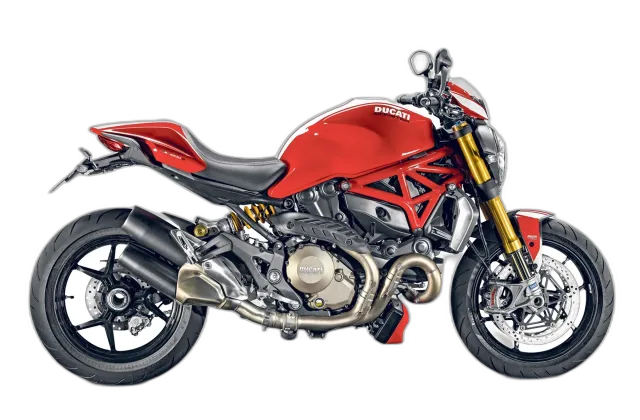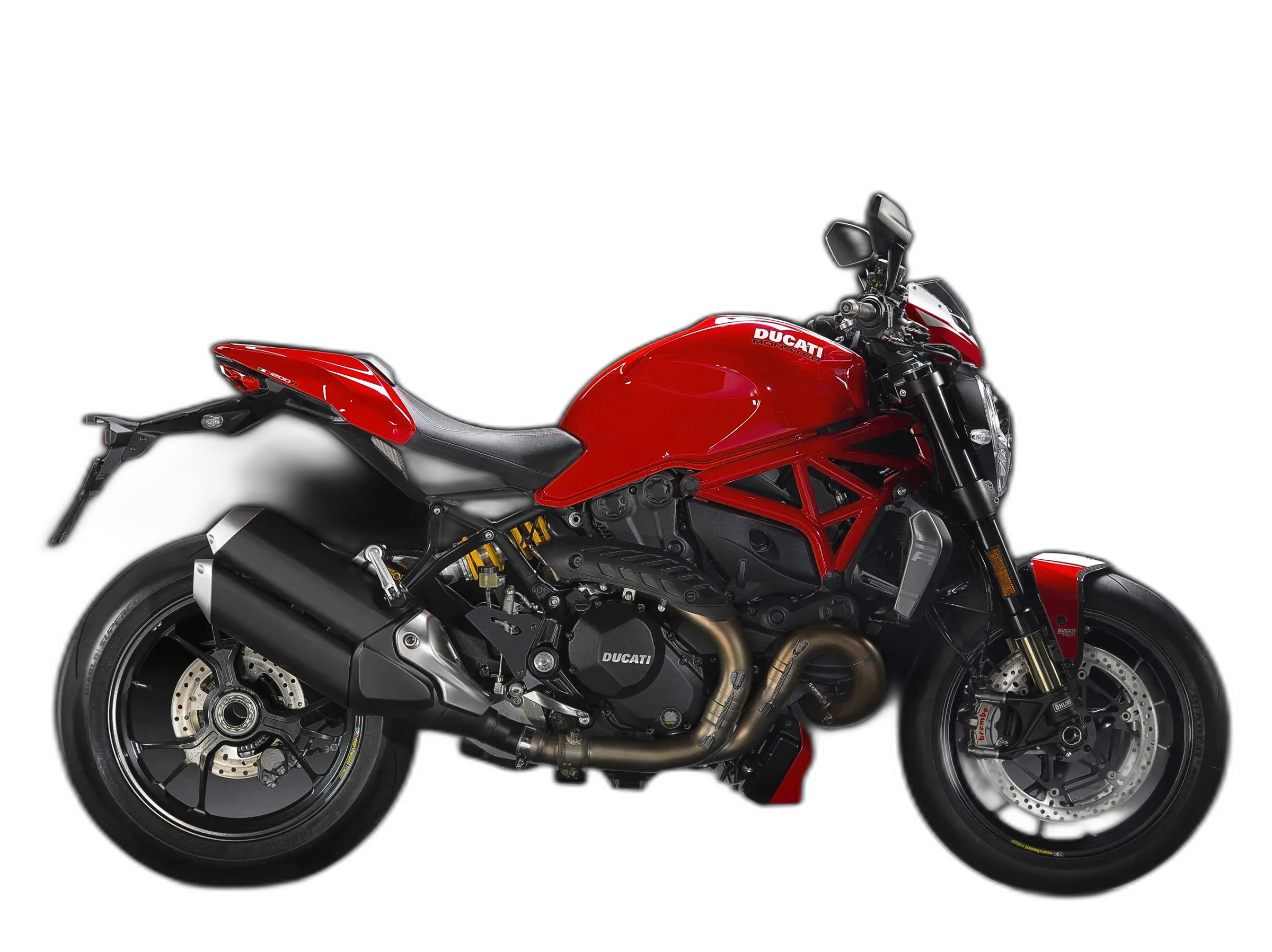
2016–2019 · Naked Bike · A variant of the Monster 1200
Monster 1200 R (MY2014-R)
Differences between the standard Monster 1200 and the R
Italian Muscle With A Face
The Machine's Character
The Monster 1200 R sits at the top of the Monster 1200 family, and the hardware makes that plain: a liquid-cooled 1198 cc Testastretta 11° DS L-twin with 97 lb-ft, hung in a steel trellis frame, at 456 lb (207 kg) wet. Fully adjustable Öhlins suspension at both ends shows where Ducati's priorities sat. The rider-aid package is shared with the standard Monster 1200: ABS, traction control and Ducati Ride-by-Wire Power Modes, all read through a TFT display. Big twin, serious chassis, nothing to hide behind. Classic Monster recipe!
On paper this is a naked built for fast back roads and mountain passes, not for long highway days. A big L-twin with 97 lb-ft points to strong drive without chasing revs, and the adjustable suspension lets you set the bike up for your weight and your pace. The 4.6 gal (17.5 L) tank sets the distance between fuel stops. There's no cruise control and no quickshifter: the hardware points to an experienced rider who wants a premium Italian twin for the good roads, and who's happy to do the work. Not a commuter appliance.
Hard Numbers
Spec sheets don't ride bikes, but they set the baseline.
Show full specs & equipment Hide specs & equipment
| Power | 160 hp (118 kW) |
|---|---|
| Torque | 97 lb-ft (131 Nm) |
| Displacement | 1198 cc |
| Engine | L-twin |
| Cooling | Liquid-cooled |
| Gearbox | 6-speed |
| Fork | Upside-down (USD) |
| Front tire | 120/70-17 |
| Rear tire | 200/55-17 |
| Seat height | 32.5 in (825 mm) |
| Wet weight | 456 lb (207 kg) |
| Fuel capacity | 4.6 gal (17.5 L) |
Equipment check
Chassis
- Front Suspension Adjustable Standard
- Rear Suspension Adjustable Standard
Connectivity
- TFT Display Standard
Safety
- ABS Standard
- Traction Control Standard
- Ride Modes Ducati Ride-by-Wire Power Modes Selectable ride modesRefined throttle response Standard
Signature Tech
The named systems that set this bike apart — and what each one does for you.
Rider aids
- Ducati Wheelie Control (DWC) Standard
- Controlled wheelie prevention
- Consistent launches
What the Monster 1200 R Adds — Differences vs the Standard Monster 1200
The Monster 1200 R (MY2014-R) builds on the standard Monster 1200: the upgraded hardware, the key spec changes and where its character shifts. The full ride, specs, scoring and verdict are all right here on this page.
Hard spec differences
| Spec | Standard Monster 1200 | R | Δ |
|---|---|---|---|
| Power | 135 hp | 160 hp | +25 hp |
| Torque | 87 lb-ft | 97 lb-ft | +10 lb-ft |
| Seat height | 30.9 in | 32.5 in | +1.6 in |
Known issues
-
Rear brake hose heat degradation
The rear brake hose may be susceptible to heat damage, leading to a sudden loss of rear brake function. A safety recall (NHTSA 21V-335) was issued to replace the hose with a modified version.
-
Hydraulic clutch slave cylinder leak
The stock hydraulic clutch slave cylinder leaks at the weep hole (DOT brake fluid) or through the pushrod O-rings (engine oil). The condition is widely reported across the Ducati hydraulic-clutch range and is confirmed for the Monster 1200. Workarounds include replacing the pushrod O-rings or upgrading to an aftermarket slave cylinder (e.g., Oberon).
-
High-current stator-to-R/R connector burn-out
The high-current connector between the stator and the regulator/rectifier is prone to corrosion, heat damage, and ultimately melt-down. Symptoms include voltage that fails to climb above approximately 12.6 V at 4,000 rpm, a visibly burned connector, and eventual battery or electronics damage. This is a documented Ducati family issue that pre-dates the Monster 1200 and is confirmed for it. The permanent fix is to solder the wires direct or replace with a marine-grade waterproof connector.
-
Fuel pump harness break / fuel level sensor failure
The fuel pump red wire breaks inside the harness potting; ethanol can corrode wire insulation and cause intermittent shorts; the fuel-level sensor fails. Symptom: the bike will not start after a ride (no pump prime), then starts again after 20–30 minutes of cool-down. Replacement harness is a low-cost Ducati part. The fuel-level sensor part was reportedly revised on the 2019 1200 S.
-
Internal rust formation in the fuel tank
Multiple owners — including some on relatively new 1200 S bikes — report internal tank rust forming in patches around overflow and vent fittings. Suspected cause is dissimilar-metal corrosion accelerated by E10 fuel water separation when the bike is stored with low fuel. Ducati's response has been inconsistent across dealerships.
-
Oil pressure sensor seal leak
The oil pressure sensor switch develops a weep at the seal between the metal body and the plastic switch portion. The drip leaves engine oil on the engine cases. This is a common Ducati family issue, confirmed for the Monster 1200. The fix is inexpensive (sensor or O-ring replacement).
-
Rear cylinder heat in stop-and-go traffic
The Testastretta 11° rear cylinder is positioned directly under the rider's right thigh, and the rear exhaust header amplifies the heat. In stop-and-go traffic in warm weather, the heat is described as uncomfortable to painful. Once the bike is moving, the heat dissipates. This is a design-inherent characteristic of the rear-cylinder-forward L-twin layout, not a defect. Owner workarounds include ceramic-coated headers, heat shields, and protective riding gear.
-
Rough running and stalling at low ambient temperatures
The bike starts rough, RPM hunts, and the engine stalls when ambient temperature is below approximately 64 °F (18 °C). Causes flagged in community discussion include tight exhaust valve clearances, EVAP canister blockage, and ECU mapping. A common workaround is leaving the ignition on for 30 seconds before cranking to allow the fuel pump to prime and sensors to initialize. The issue is typically resolved after the next valve adjustment service.
-
Side stand interlock switch contamination and failure
The side stand cut-out switch becomes contaminated with chain lubricant and grit and fails. The failure mode is either preventing the bike from starting, or failing to cut the engine when the stand is down with the bike in gear (loss of safety interlock). This is a long-standing Ducati family issue dating back roughly two decades and is confirmed for the Monster 1200.
The Numbers Compared
Compare the technical specifications of the Ducati Monster 1200 with other bikes in its class.
Technical specs vs. the class average
Head-to-head: Ducati Monster 1200 vs. its rivals
Power
Torque
Displacement
Wet weight
Seat height
Alternatives to the Ducati Monster 1200
If this one isn't quite the fit, these are the bikes worth riding back-to-back against it.
Any price note compares both bikes at the same age — the youngest age both have on the used market — against this Ducati Monster 1200. “cheaper/pricier” is what that bike costs second-hand, not how worn it is.
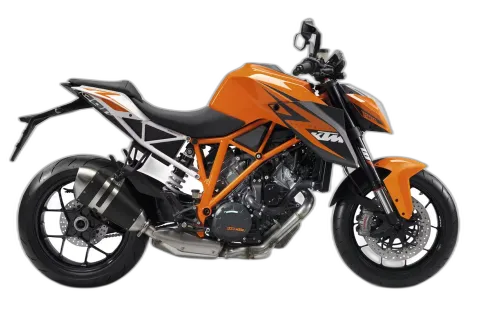
Competitor · 2014–2019
KTM 1290 Super Duke R (MY2014)
The Beast That Actually Works
Roughly $4,000 cheaper used than this bike at 8 yr
Competitor · 2014–2020
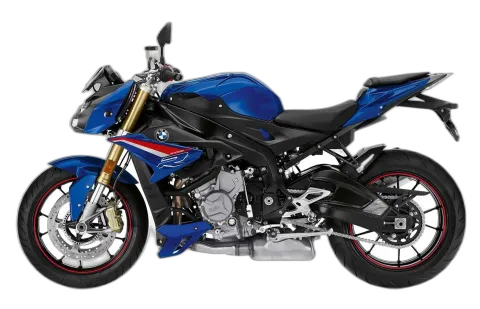
BMW S 1000 R (K47)
Superbike Soul, Street Hands
Roughly $3,000 cheaper used than this bike at 8 yr
Competitor · 2018–2025
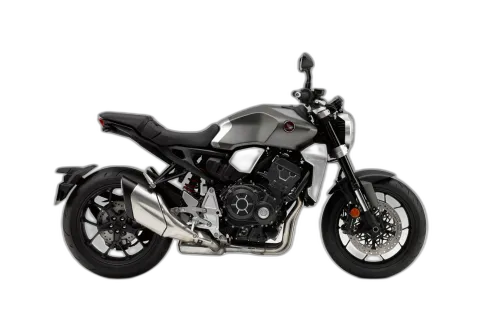
Honda CB1000R (SC80)
Refined Power, Zero Drama
Roughly $1,300 cheaper used than this bike at 7 yr
Competitor · 2021
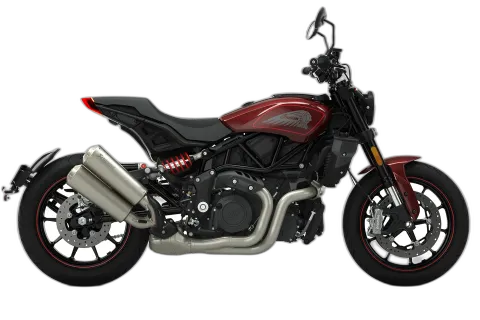
Indian FTR S (MY2021)
American Muscle With Flat-Track Manners
Same Platform · 2014–2021
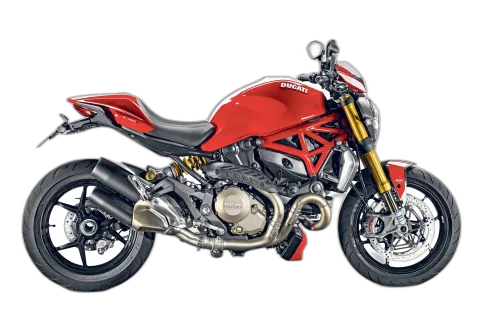
Ducati Monster 1200 (MY2014)
Bologna Grunt With City Manners
About the same used price as this bike at 8 yr