MV Agusta Brutale 1078 RR (MY2008) — Hyper Naked
MV Agusta Press

2008–2009 · Hyper Naked · Buyer's Guide

Brutale 1078 RR (MY2008)

4.5 / 5 NastyNils Rating · against its class

Italian Thunder With a Voice

The Machine's Character

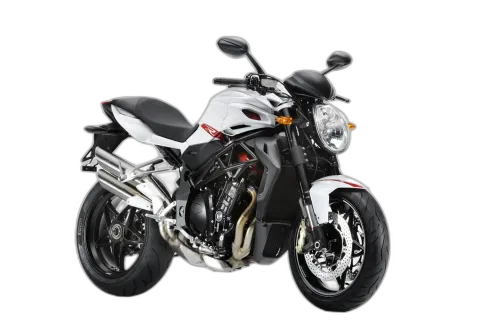
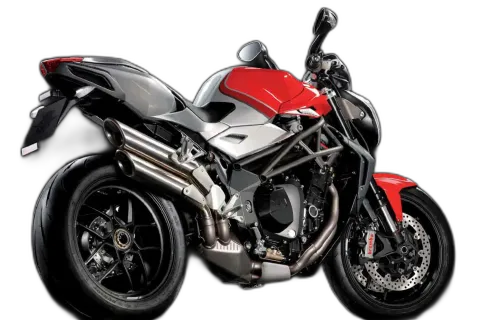
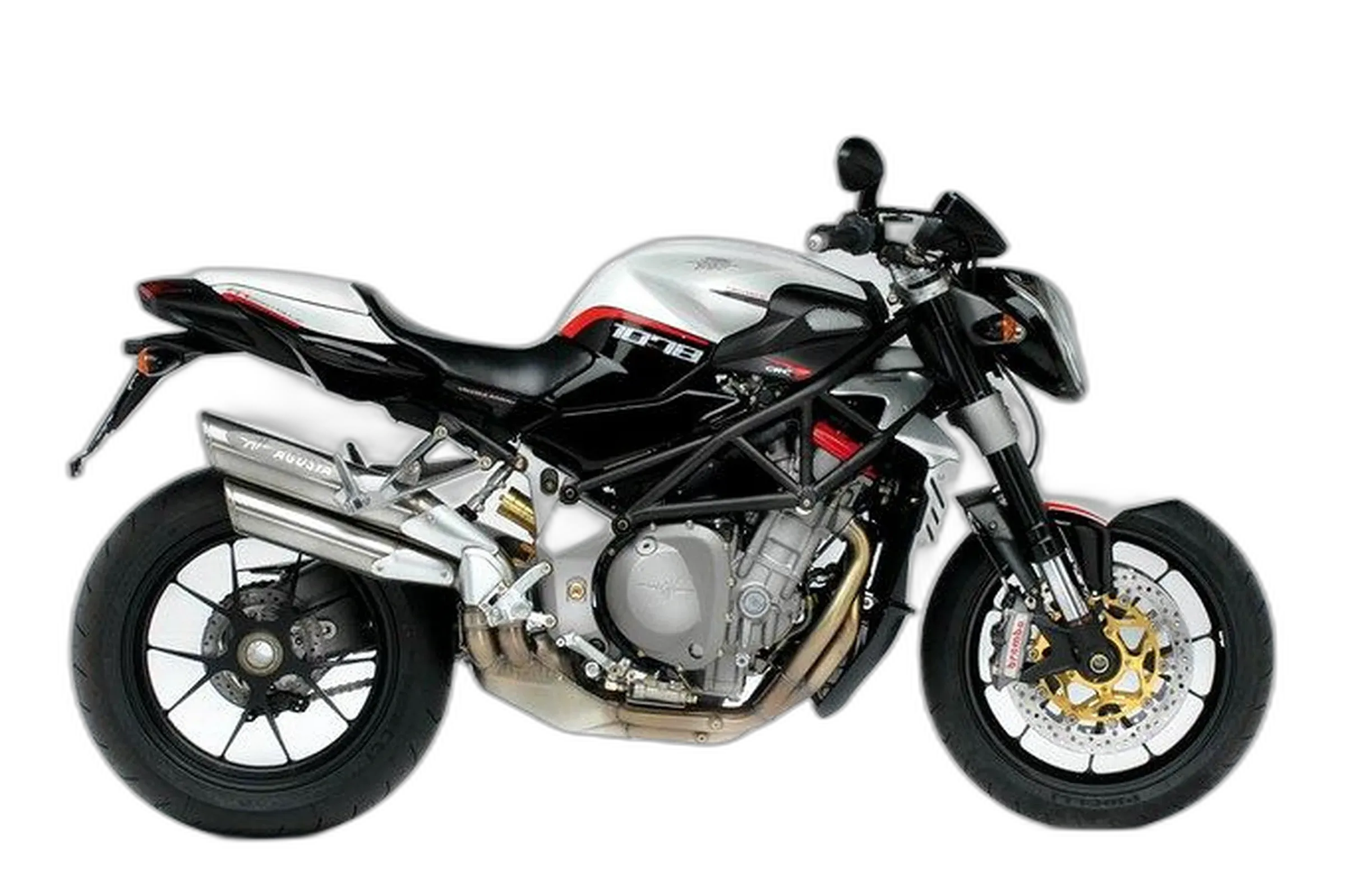
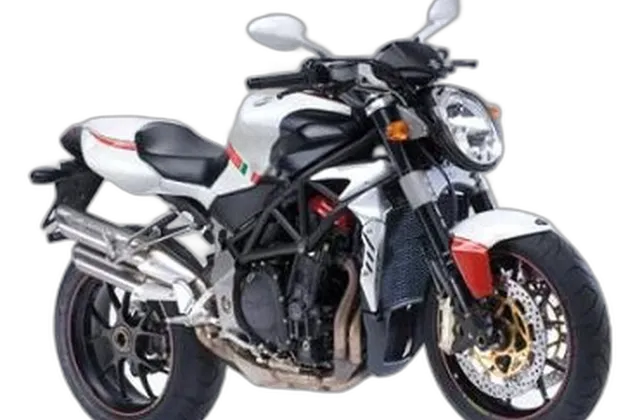
The Brutale 1078 RR is MV's answer to the question of how much personality you can build into a naked bike before it stops being polite. The 1078 cc inline-four makes 154 hp at 10,700 rpm and 86 lb-ft at 8,100 rpm, hung in a steel trellis frame that keeps the whole thing to 408 lb (185 kg). There is no traction control, no ABS, no ride modes. Suspension is adjustable front and rear, a slipper clutch takes the sting out of hard downshifts, and the rest is left to your right wrist. In a class built on force, this one brings theater as well.

It rides like something built by people who cared about feel more than about sanding off the edges, and that has held up: this is still a fast, sharp, physical motorcycle on a good road. It suits an experienced rider who wants character over convenience and doesn't want a safety net of electronics between the throttle and the tire. The caveat is ownership. It drinks fuel at around 22 mpg, runs very hot in stop-and-go traffic, and the gear selector spring and the ignition coils are known weak points. Parts can take weeks or months to reach you. Go in with your eyes open.

Hard Numbers

Spec sheets don't ride bikes, but they set the baseline.

Show full specs & equipment Hide specs & equipment
Key specifications
Power 154 hp (113 kW) @ 10,700 rpm
Torque 86 lb-ft (117 Nm) @ 8,100 rpm
Displacement 1078 cc
Engine Inline-four
Cooling Liquid-cooled
Gearbox 6-speed
Final drive Chain
Fork Upside-down (USD)
Front brake 320 mm
Front tire 120/70-17
Rear tire 190/55-17
Wheelbase 55.6 in (1411 mm)
Seat height 31.7 in (805 mm)
Fuel capacity 5.0 gal (19 L)
Top speed 166 mph (267 km/h)
Fuel economy 22 mpg (US)

Equipment check

Chassis

  • Front Suspension Adjustable Standard
  • Rear Suspension Adjustable Standard

Drivetrain

  • Slipper Clutch Standard
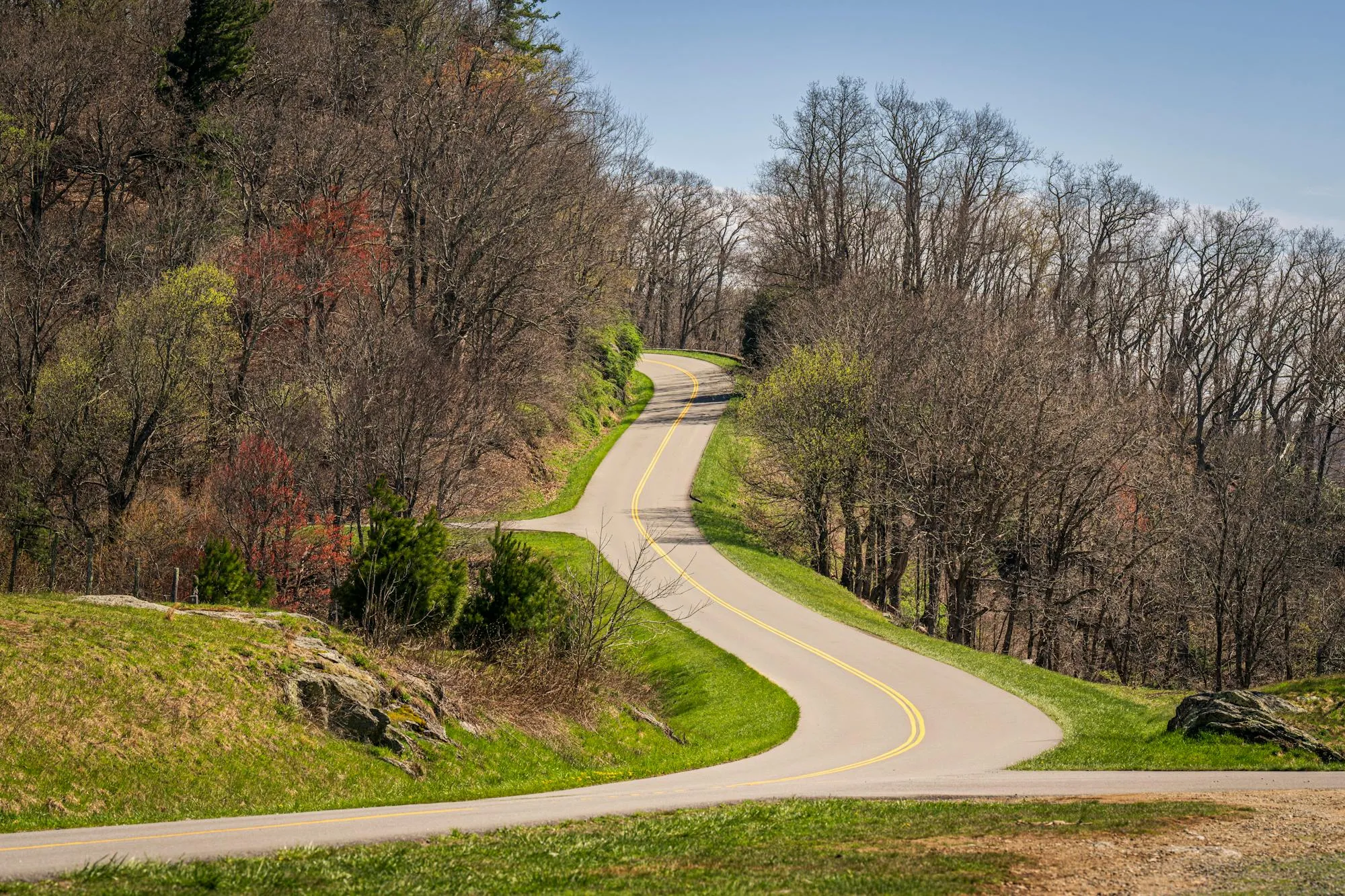
A winding asphalt road descending through the Appalachian Mountains, likely the famous Tail of the Dragon section in Tennessee and North Carolina. Multiple technical right-hand and left-hand curves are visible in this aerial perspective, surrounded by deciduous forest in spring foliage. Clear sunny conditions, well-maintained asphalt with yellow center lines marking the curves.
Mark Stebnicki / Pexels

The Truth on the Street

None of this is my own ride report. It's what has come back to me over years of listening: paddock talk at track days, owners cornering me at club nights, and the notes riders send in about the bike in their own garage. On the 1078 RR the chatter lands in a clear shape. Praise concentrates on how the bike is built and how it moves once it's rolling, while the complaints cluster around low speed and the details you live with.

What Owners Point At First

What people bring up first, and bring up unprompted, is how the bike is put together. Owners talk about the hand-welded frame, the single-sided swingarm and the shaping of the tank as craft rather than bodywork. The hardware hanging off it carries the same weight in those conversations: monobloc calipers, sport rubber, rearsets you can move to suit your own legs. Riders put it in the same sentence as things they consider art, not just machinery.

Fast, Sharp, And Softer Than Expected

The engine draws the next-loudest agreement. Riders describe ferocious acceleration that stays under their control, with throttle response they call linear and torque available well before the revs climb. The chassis gets talked about the same way: direction changes arrive the moment you ask, and riders report placing it in a corner with precision rather than effort. What surprises owners who knew earlier Brutales is the ride quality. The fork and shock get credit for soaking up rough surfaces while still giving them something to work with.

Where The Grumbling Starts

The loudest complaint is the throttle at low rpm. Owners describe a hair-trigger action and fueling that makes smooth riding through town hard work, though not every bike does it and some have had it sorted with ECU tuning. Taller riders raise a second recurring point. The seating position is tight for anyone over six feet, the right footpeg is boxed in by the exhaust routing, and the brake pedal sits short enough that large boots don't land on it properly. Quieter, but persistent: the analogue tach gets respect, the digital part of the display gets called cheap and dated.

Known issues

  • Gear selector spring breakage

    drivetrain rare

    The gear selector spring can fail, leading to shifting problems. Reported by long-term owners as one of the model's known weak points.

  • Ignition coil failures

    electrics rare

    A few owners have reported coil failures over time, causing misfires under load. Not a widespread epidemic but worth monitoring.

  • Prolonged parts delivery times

    bodywork occasional

    Owners seeking replacement components, especially body panels or unique engine parts, often face delays of weeks to months due to limited dealer support and the Italian factory’s supply chain. This can leave bikes inoperable for extended periods after a crash or mechanical failure.

  • Excessive engine heat in urban conditions

    cooling common

    The engine runs very hot in stop-and-go traffic, with coolant temperatures commonly exceeding 266°F (130°C). The cooling fan runs almost constantly, and heat radiates onto the rider, causing discomfort and potential overheating concerns if the cooling system is not perfectly maintained.

  • Heavy clutch operation

    drivetrain occasional

    The clutch lever requires significantly more effort than typical Japanese nakeds, leading to left-hand fatigue in heavy traffic or during long rides. While not a mechanical failure, it can be annoying for daily use.

  • Hot starting difficulty

    electrics occasional

    Some owners experience intermittent hot-start issues, possibly linked to electrical gremlins or fueling. Can be frustrating after a short stop.

The Expert Benchmark

Where this MV Agusta Brutale 1078 RR pulls ahead of — or falls behind — its rivals on the numbers, and the typical bike in its class on character.

What kind of bike this is — character vs. the class

This bike Class average

The shape of the MV Agusta Brutale 1078 RR — numbers and character vs. the average Hyper Naked

Head-to-head: MV Agusta Brutale 1078 RR vs. its rivals

The Handshake Score

Forget spec-sheet bragging. Here's who the Brutale 1078 RR is actually built for.

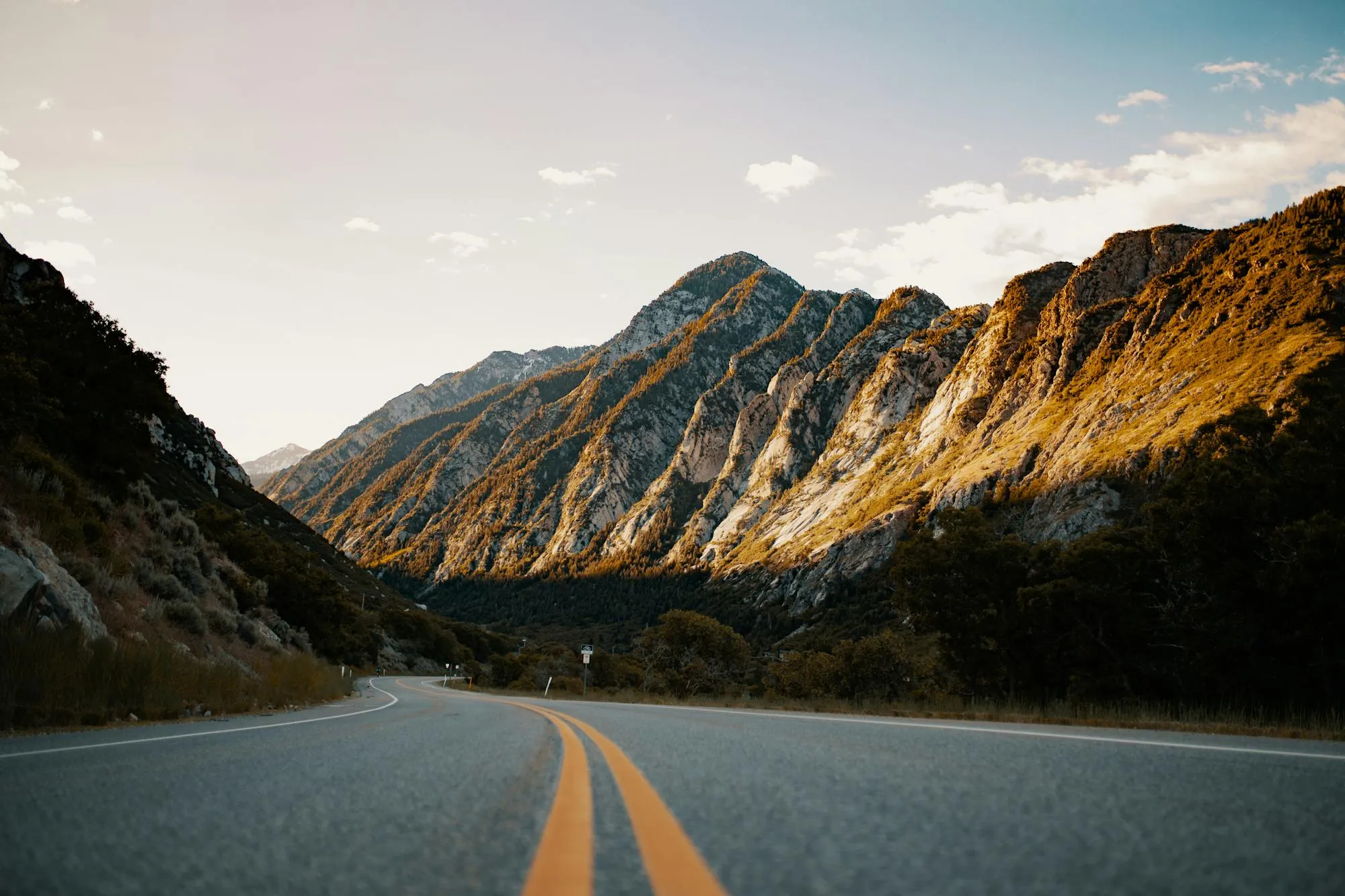
A scenic view of Angeles Crest Highway winding through rugged Southern California canyon terrain. Rocky mountainsides with golden earth tones frame the asphalt road with tight sweeping curves. Double yellow center line visible, sparse vegetation along the shoulders, clear blue sky with white clouds. Daylight, dry conditions. Iconic location for canyon-road enthusiasts.
Josh Sorenson / Pexels

Best motorcycle for Angeles Crest?

Angeles Crest is exactly where this bike makes sense: light, sharp, loud, and quick enough to embarrass almost anything up there. Just remember nothing electronic is covering your mistakes.

Made for Angeles Crest Highway · Coronado Trail / US 191 · Highway 1 / Big Sur
Best motorcycle for Laguna Seca?

You get the lean angle and the drive you're after, but no traction control, no ABS, and no quickshifter. It rewards clean, deliberate inputs and punishes greedy ones.

Made for WeatherTech Raceway Laguna Seca · Barber Motorsports Park · Circuit of the Americas

What's new versus the previous generation

If you're cross-shopping the older generation, here's what changed.

MV Agusta Brutale 910 R (MY2006)

Previous generation · 2006–2009

MV Agusta Brutale 910 R (MY2006)

Italian Fire, Sculptured Raw

Compare to the previous model →