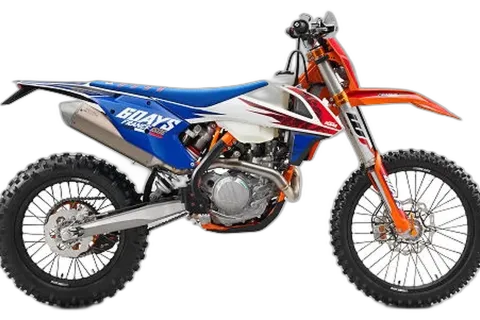
KTM 500 EXC-F (MY2017) — Enduro
NastyNils / KTM press archive

2017–2025 · Enduro · Buyer's Guide

500 EXC-F (MY2017)

Full-Attack Street-Legal Weapon

The Machine's Character

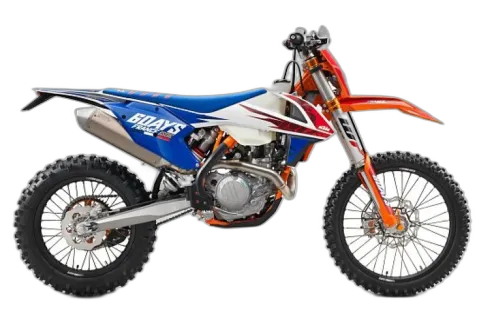
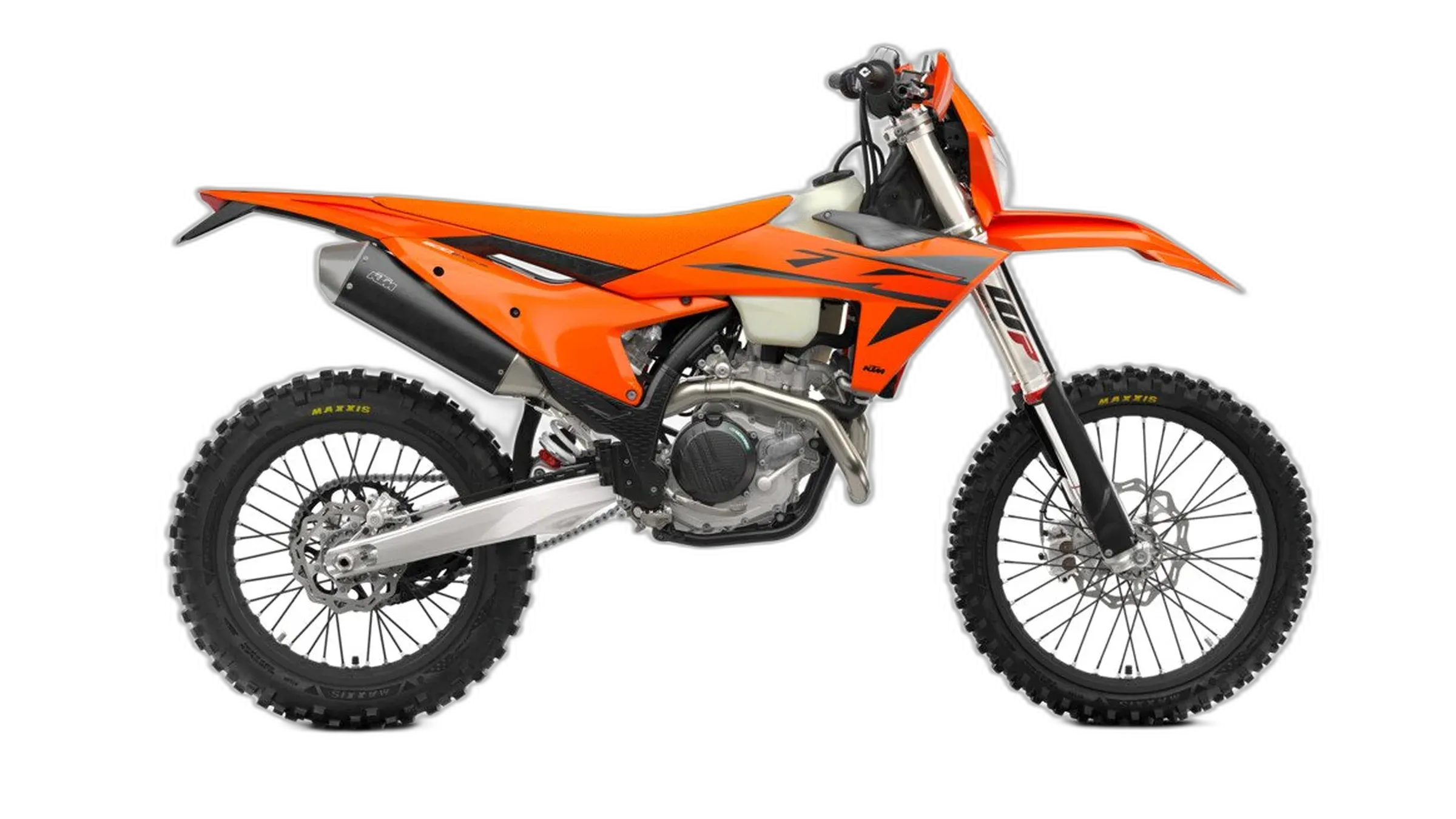
The 500 EXC-F is a full enduro race bike that happens to wear a license plate. Its 511cc single makes 64 hp and 33 lb-ft, but the number that matters is how usable that torque feels: it pulls clean from just off idle and keeps climbing without asking for a fistful of clutch. A four-stroke ECU reads which gear you've selected and hands you a different fuel map for it, so first-gear technical crawling and third-gear speed feel like two different engines. Top-shelf WP suspension, a stiff chassis, and an almost supernatural sense of lightness put it at the sharp end of its class.

This is a bike that rewards a rider who wants to work. It steers quick, turns in sharp, and stays composed in ruts and rocks, yet it never punishes the less experienced the way a pure motocrosser would. Owned right, it holds up: a full press fleet ran dawn to dusk without a single mechanical casualty. The honest caveat is the setup. KTM's test riders are serious racers and the suspension is calibrated for them. Most people will want to soften front and rear before their first real session, and the stock lean emissions mapping runs rough until it's addressed.

Hard Numbers

Spec sheets don't ride bikes, but they set the baseline.

Show full specs & equipment Hide specs & equipment
Key specifications
Power 64 hp (47 kW)
Torque 33 lb-ft (44 Nm)
Displacement 511 cc
Engine Single-cylinder
Cooling Liquid-cooled
Gearbox 6-speed
Front tire 90/90-21
Rear tire 140/80-18
Wheelbase 58.6 in (1489 mm)
Ground clearance 14.0 in (355 mm)
Front travel 11.8 in (300 mm)
Rear travel 12.2 in (310 mm)
Seat height 37.8 in (960 mm)
Fuel capacity 2.2 gal (8.5 L)

The Voice of Experience

Portrait of NastyNils

The test ride

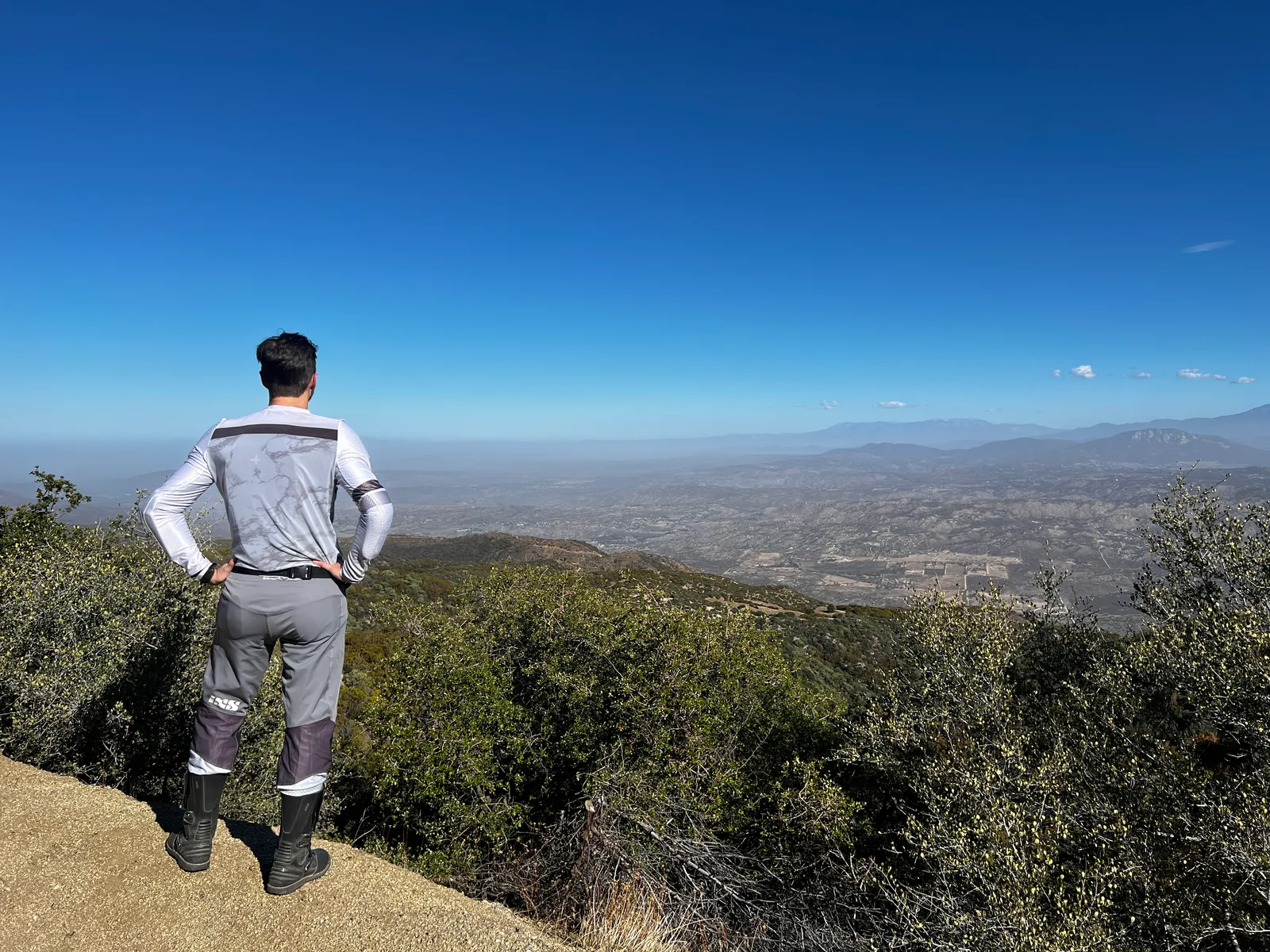
Swing a leg over and the first thing your body registers is space. The revised seat lets you slide further back than you'd expect, which matters the moment you're hanging off the tail of a steep descent, and the front section carries you comfortably when you're planted for miles. The single has a hard, purposeful bark to it that never turns into noise. What stays with you across a long day is how little the bike costs you physically. It's genuinely light on the scale and lighter still on the trail, so you're spending energy on riding instead of surviving. On wet, rooty ground where grip changes every foot, the traction control reacts quicker than your right hand can, catching the rear before you've registered the slip. On dry, grippy dirt it stays out of the way completely, which is exactly what you want. Faster and more fun, without one canceling the other.

Rated point by point — where it earns its keep

My own 0–100 score for this bike against the class, area by area — the marker on each bar is the class average.

Drop weight off an enduro bike and the payback shows up in the tight, awkward stuff, and this one cashes in there. It changes direction with far less muscle, so picking a line through technical ground stops turning into a fight. What surprised me is that the quicker reactions didn't arrive with the usual nervousness. It holds its line through ruts and over rock while still snapping into turns. The reworked fork, chassis, and shock pushed agility and calm the same way at once, which rarely happens together.

With a from-scratch rebuild, the lazy outcome is to pour everything into lap times and call the job done. This range didn't settle for that. It got measurably quicker without getting less enjoyable, and honestly those two goals tend to pull against each other. A full day rotating through fast open ground and slow technical work never exposed a seam between them. Quicker and better company at the same time is the trick most updates miss, and this one lands it.

I can't pretend one launch settles the durability question, but a hard press event still tells you something. The full fleet ran in nonstop rotation with journalists aboard, first session of the morning straight through to the last of the day, and every bike answered the bell for that final run. Zero casualties across the group says plenty for a machine reworked almost from the ground up. That reads like careful engineering rather than something shoved out the door before it was ready.

The bigger power figure isn't what stuck with me. What I keep using is how much of this motor actually reaches the ground: the delivery got cleaner and more predictable down low and through the midrange, right where technical trail work lives, so leaning on it stops feeling like a gamble. The fueling adapts too. The four-stroke ECU knows which gear you've picked and hands you a map to suit it, so slow crawling and quick pulls each take on their own character.

The seat is the change I felt first. There's more room to shift your weight rearward than the old bike allowed, and it earns its keep the instant you're perched over the back of a steep drop. The nose treats you better too on the long seated hauls between sections. My one real gripe is how the suspension arrives. It's dialed in for KTM's own racing test riders, stiffer than most of us need, so plan on softening both ends before you point it at anything serious.

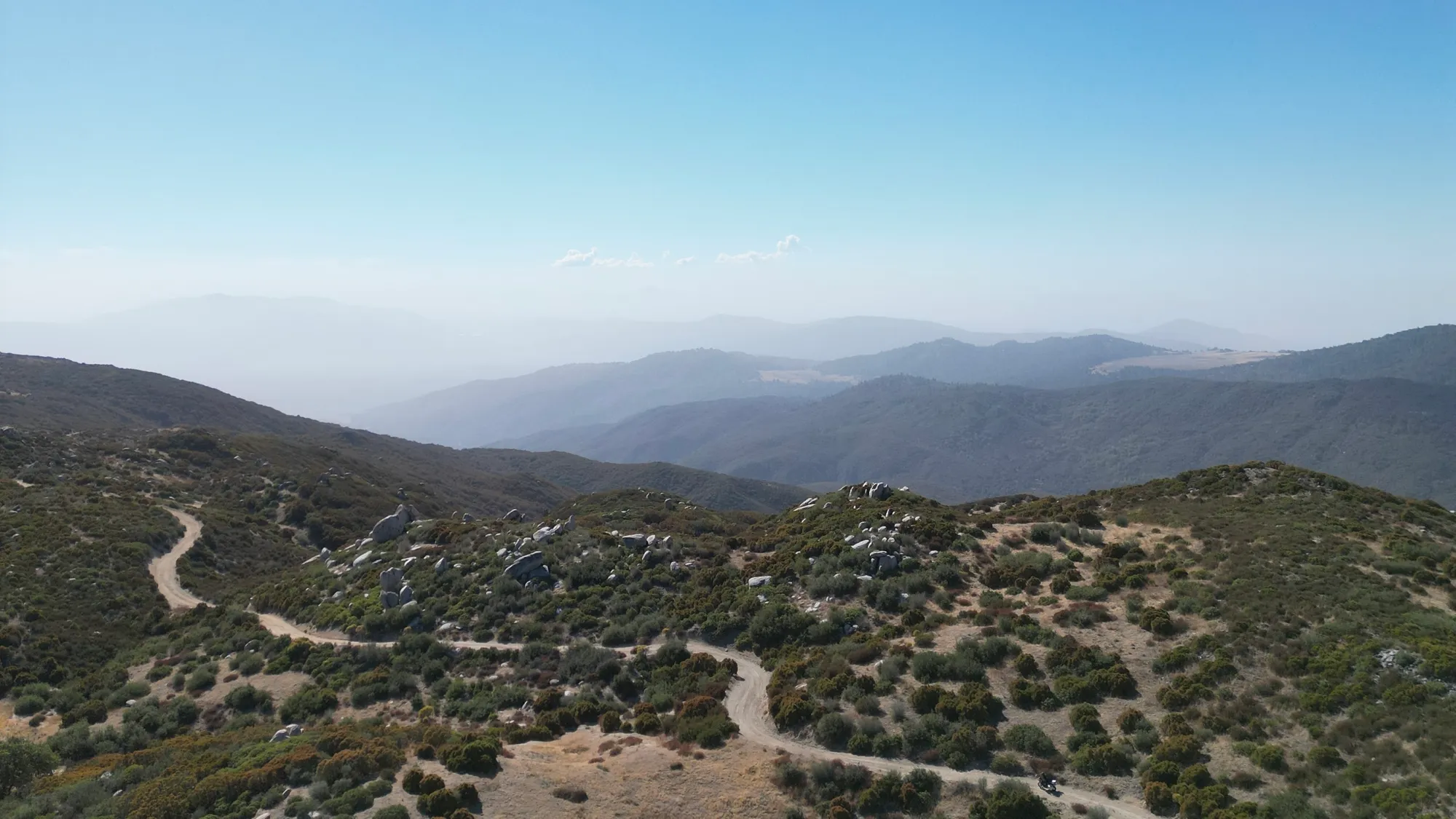
Aerial drone view of Palomar Divide Road winding through chaparral-covered mountain ridges in San Diego County. Multiple S-curve sections descend through sparse vegetation with distant valley views visible in the haze. Gravel and packed-earth surface.

The Truth on the Trail

The read below isn't mine from a test session. It's the through-line I've drawn from riders over the years: discussions I follow, talk in the pits, owners comparing notes, and messages that land straight from people running these bikes. For the 500 EXC-F, the sentiment sorts into steady praise and a shorter list of gripes.

The engine and chassis riders count on

The engine collects the most comment. Riders describe strong, responsive pull from just above idle and enough on top for steep climbs and open ground. Many add that for such a big single the power stays smooth and easy to manage, even for less experienced hands. The chassis reads the same way: light, quick to change direction, and adaptable across whatever terrain they point it at.

Where the complaints land

The complaints are fewer and consistent. The most common thread is how it runs stock: lean fueling and the emissions equipment leave it rough until owners address it. Close behind, some report intermittent trouble firing it up, with weak lights they trace to the battery or wiring. A couple mention fork seals leaking after muddy rides, and few find it pleasant on the road, where a buzzy single and no wind protection make long highway stints hard going.

Known issues

  • Rough running due to lean emissions mapping

    fuel systemcommon

    Stock ECU mapping and restrictive exhaust/intake cause hesitation, stalling, and flame-outs. Desmogging and an ECU reflash/tuner are common fixes.

  • Clutch slippage under load

    drivetrainoccasional

    Riders report clutch slippage during hard acceleration, often due to worn clutch plates. Replacement of the clutch pack typically resolves the issue.

  • Intermittent starting issues / battery drain

    electricsoccasional

    Some units experience hard starting or a dead battery, often linked to parasitic draw or weak factory batteries.

  • Fork seal leakage

    suspensionoccasional

    Fork seals can develop leaks after riding in heavy mud. Regular cleaning and occasional replacement may be required.

  • Suspension harshness if not properly set

    suspensionoccasional

    Some owners find the stock suspension feels stiff or under-damped for their weight/terrain; re-springing and re-valving can resolve.

  • Cracked plastics

    bodyworkoccasional

    Plastics and body panels are prone to cracking from impacts or rough handling, especially the rear fender and side panels. Regular inspection and reinforcement with aftermarket parts can mitigate the issue.

The Expert Benchmark

Where this KTM 500 EXC-F pulls ahead of — or falls behind — its rivals on the numbers, and the typical bike in its class on character.

What kind of bike this is — character vs. the class

This bike Class average

Head-to-head: KTM 500 EXC-F vs. its rivals

The 'Should I Buy It?' Score

Forget spec-sheet bragging. Here's who the 500 EXC-F is actually built for.

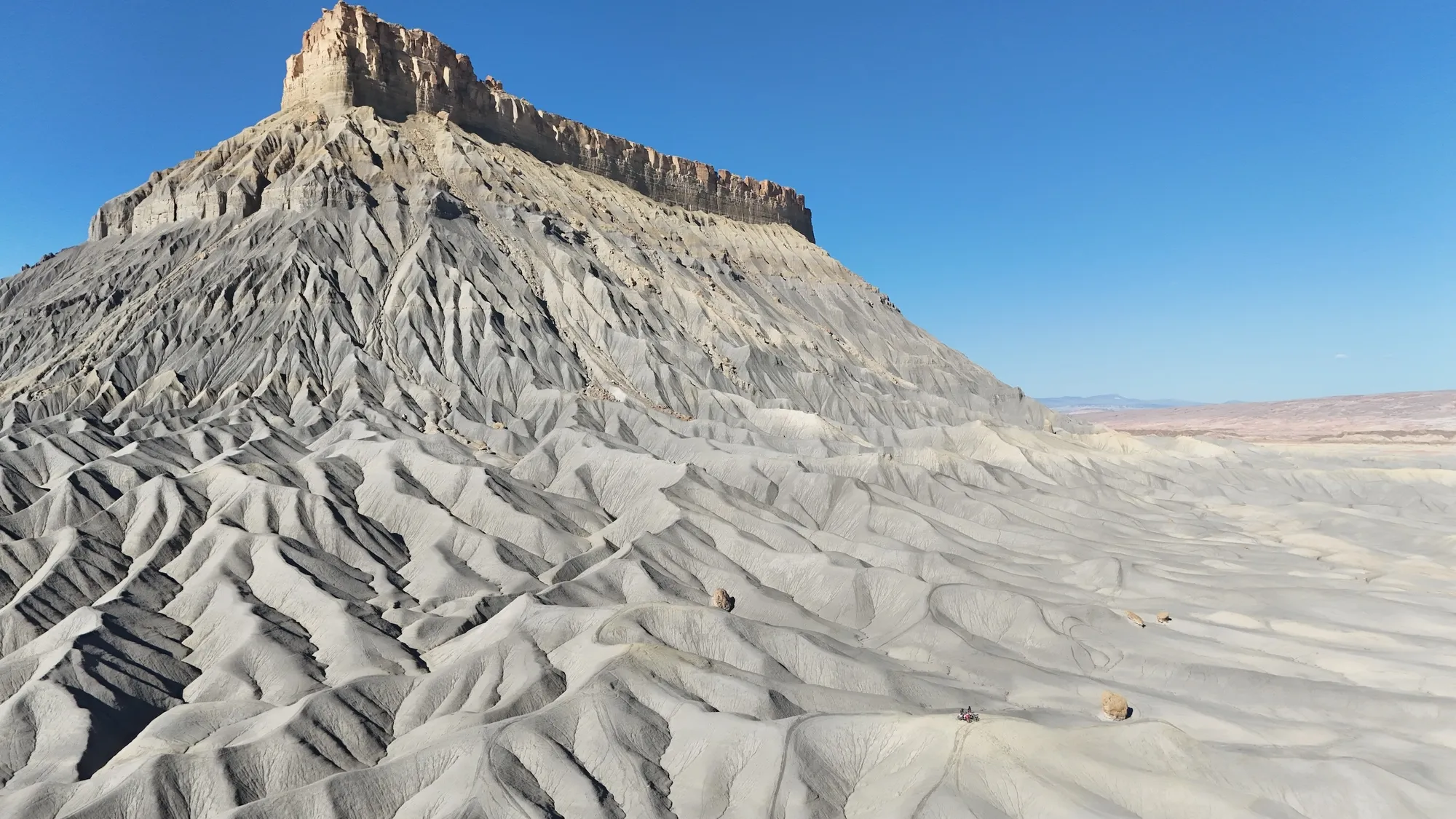
Factory Butte in Utah's high desert badlands, captured in daylight under clear blue sky. The formation's distinctive multi-colored strata and steep erosional gullies dominate the frame. Arid terrain with minimal vegetation stretches across the foreground and background. Typical American Southwest landscape.
NastyNils / Nastynils.com

Best motorcycle for Moab?

This is your bike. On Moab slickrock, sand, and the tight technical stuff, the light weight and usable torque let you push your skill instead of fighting the machine, and the plate gets you to the trailhead legally.

Made for Bar M / Kane Creek · Imperial Sand Dunes · Johnson Valley OHV Area
Best motocross bike for Loretta Lynns?

It'll rip on the track, but understand what it is first: a torquey, flywheel-heavy enduro build tuned for traction and survival, not a stripped closed-course motocrosser. Great for training and play, not your Loretta Lynns weapon.

Made for Carnegie State Vehicular Recreation Area · Fox Raceway at Pala · Glen Helen Raceway

Best motorcycle for BDR routes?

If your BDR plans lean hard toward the technical and you'll carry light, this covers the rough stuff no middleweight can touch. But 2.2 gal of fuel and a 37.8 in seat make long, loaded days a real compromise.

Made for AZBDR — Arizona Backcountry Discovery Route · California BDR South · COBDR — Colorado Backcountry Discovery Route