·

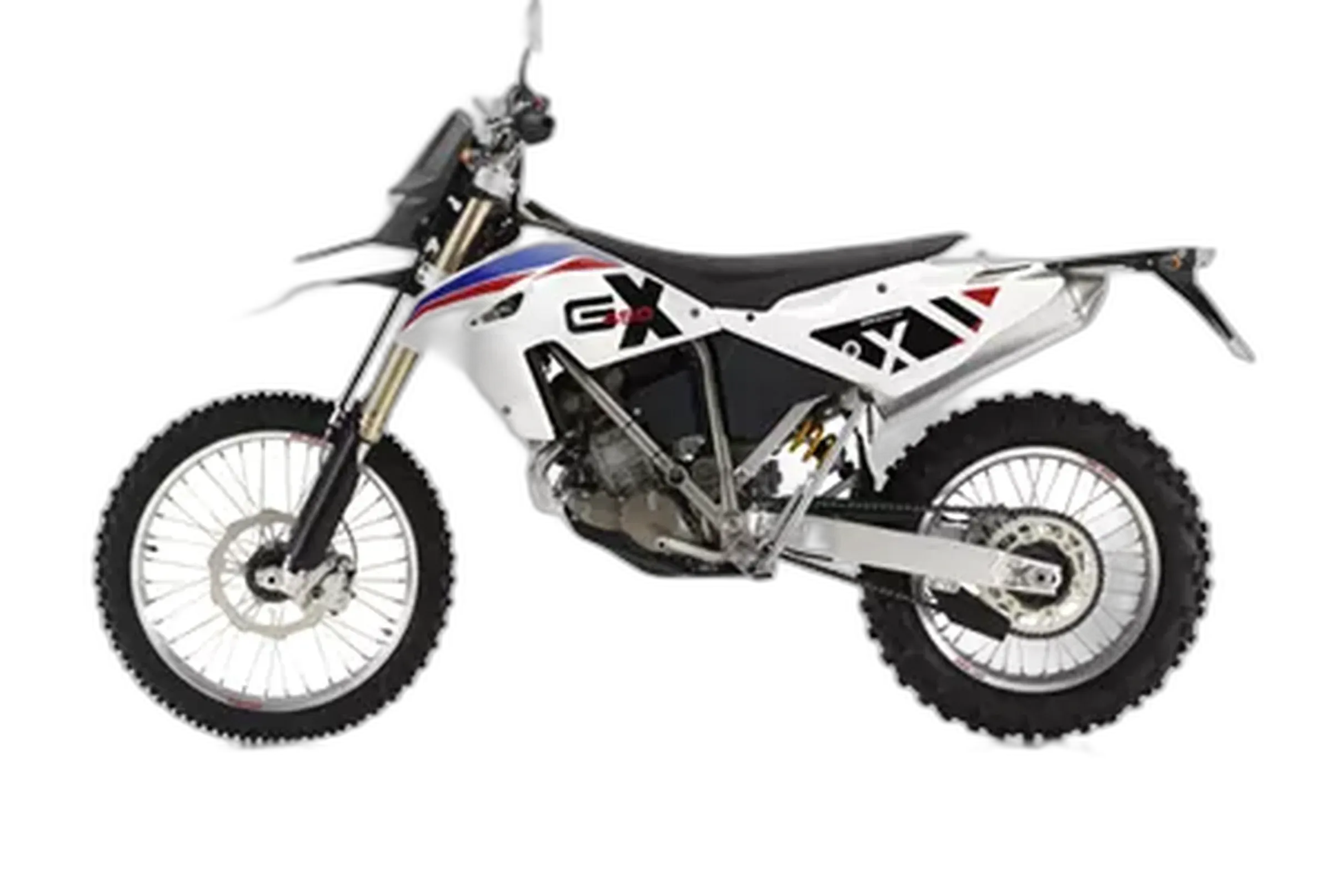
BMW G 450 X (MY2008) — Enduro
NastyNils / BMW Press

2008–2011 · Enduro · Buyer's Guide

G 450 X (MY2008)

Off-Road Agility, BMW Engineering

The Machine's Character

The G 450 X was BMW's serious swing at a purpose-built enduro single, and almost nothing about it is conventional. The 450 cc liquid-cooled single makes 50 hp and 32 lb-ft, but the real story sits in the architecture: a crankshaft-mounted clutch, a crank that spins backward to cut gyroscopic effect, and a fuel tank tucked under the seat instead of behind the steering head. Fuel injection cleans up the throttle, and a single connector swap moves the engine between a street map and a full-power map. The result is a bike that rides unlike anything built to the usual template.

On the trail it rewards a rider who commits. Mass sits low and central, so it flicks into tight lines and still tracks straight when the ground opens onto fast gravel. It suits an experienced off-road hand chasing technical terrain, not a beginner after an easy first dirt bike. The honest caveat is its newness. This was a first production year carrying a stack of unproven ideas at once, and the ownership record shows it: reported clutch wear and slip, hot-start and no-start faults, and in some cases serious internal engine failures at low hours. Go in with your eyes open.

Hard Numbers

Spec sheets don't ride bikes, but they set the baseline.

Show full specs & equipment Hide specs & equipment
Key specifications
Power 50 hp (37 kW) @ 9,000 rpm
Torque 32 lb-ft (44 Nm) @ 7,800 rpm
Displacement 450 cc
Engine Single-cylinder
Cooling Liquid-cooled
Gearbox 5-speed
Final drive Chain
Front tire 90/90-21
Rear tire 140/80-18
Wheelbase 58.1 in (1475 mm)
Front travel 11.8 in (300 mm)
Rear travel 12.6 in (320 mm)
Seat height 37.6 in (955 mm)
Wet weight 278 lb (126 kg)
Fuel capacity 2.1 gal (8 L)

Equipment check

Chassis

  • Front Suspension Adjustable Standard
  • Rear Suspension Adjustable Standard

The Voice of Experience

Portrait of NastyNils

The test ride

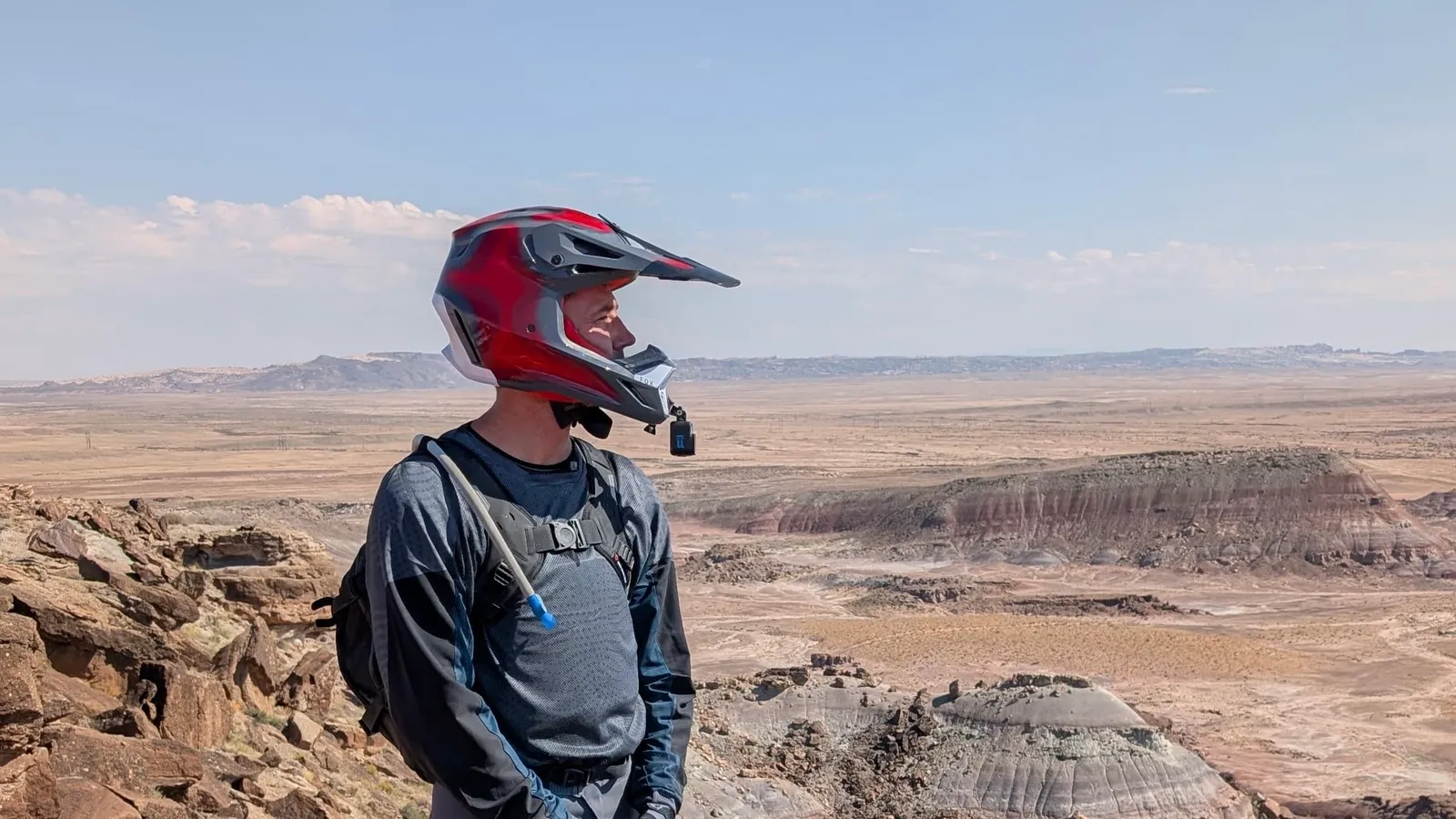
Point it up something steep and rocky, stand on the pegs, and the thing you notice is how little it fights you. It stays planted low, the front stays light without going vertical, and your weight lands right over the center of the bike. In sport trim the pull on a long uphill is real work, and a full day on that map leaves your forearms cooked. Coming back down is where you recalibrate. There is almost no engine to slow you, so speed control falls entirely on the brakes, and I found myself feathering the rear through switchbacks the way you would ride a two-stroke. The one nag under boot is the rear brake pedal, crowded by the clutch and engine cover exactly where your foot wants it. On dry days the high intake snorkel keeps the filter cleaner than you would expect.

Rated point by point — where it earns its keep

My own 0–100 score for this bike against the class, area by area — the marker on each bar is the class average.

The balance is what stuck with me. Weight sits low and tight to the center, so it drops into technical lines with barely a nudge yet holds a steady course once the ground opens and the speed climbs. That blend of quick and calm is rarer than it sounds. Grip at the back on steep, broken ascents also reads a clear step above what this class usually manages. The one caveat came from other testers, several of whom felt it pushing toward the outside edge through corners, enough that they kept fiddling with the controls trying to cure it.

Give it a long, open climb and it comes alive. In sport trim there's serious drive waiting when you pin it, enough that a fast, sustained gradient turns into the highlight of the loop instead of an obstacle between you and the next section. The engine has the legs to keep hauling all the way up, and cresting a hard ascent wide open is about as good as this bike gets.

Reliability pulls in two directions. The upside is mechanical: tension on the final drive stays constant through the suspension's travel, which slows wear on chain and sprockets alike and lets one chain serve across a wide range of gearing. The caution is harder to wave off. This first model year packed an unusual pile of firsts into one machine, a crank-mounted clutch, a backward-spinning crankshaft, the patented swingarm layout, and injection, all arriving at once. That's a lot of untried engineering leaning on a debut production run.

The injection defines this motor for me. It feeds fuel cleanly enough that stalling on a technical climb takes deliberate effort, and the pull arrives predictably from just above idle all the way to the top. Hidden inside the same engine is a second personality. Left in the standard setting it copes with nearly any ground; reconfigured, the sport calibration sharpens the whole delivery. That open state is a big handful. At the launch most of us reckoned it too aggressive for the terrain, and it amplifies any untidy work at the grip, so the milder tune is the one I'd keep underneath me. The hardest habit to unlearn is the downhill behavior, where the engine offers almost nothing to check your pace and hands that entire job over to the brakes.

Comfort isn't really the yardstick for something this single-minded, so I've got just one lasting gripe, and it's specific: the rear brake pedal. Its position is compromised because the clutch assembly and engine cover crowd the very place your foot goes looking for the lever, leaving it awkward underfoot. That would be a footnote on an easier bike. Here, precise rear braking is part of the technique for carrying speed through tight corners, so a pedal you have to fish for chips away at you at exactly the moment accuracy counts.

Day-to-day ownership comes down to two details for me. First, the air intake sits unusually high, up by the steering head, so on dusty trails the filter stays cleaner than the class norm, and the layout will carry you through a water crossing if a route ever demands one. Second, and less welcome, servicing the front sprocket forces you to drop the swingarm to reach it. There's no built-in shortcut. Call it the single bill you pay for geometry that otherwise earns its keep everywhere else.

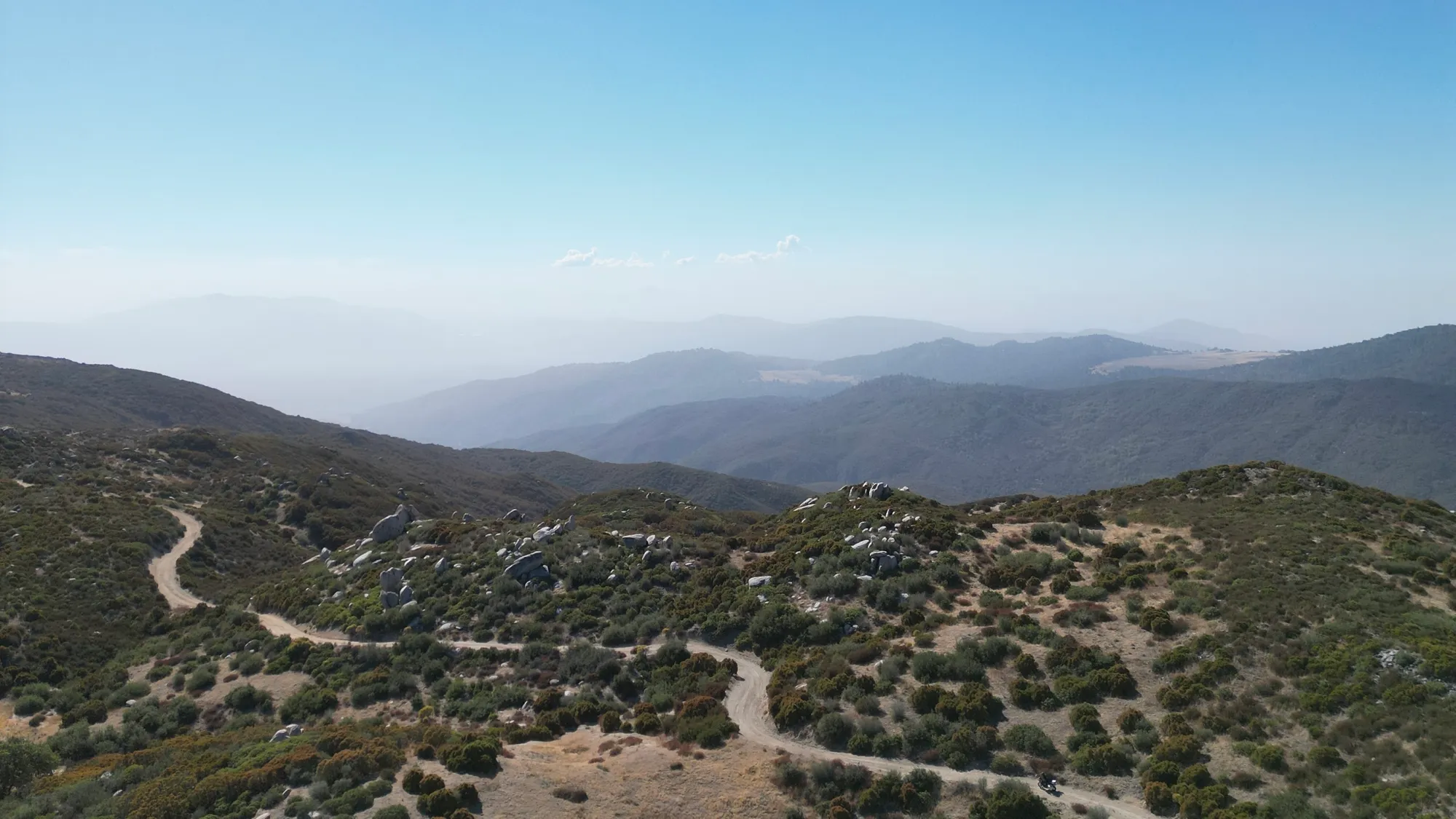
Aerial drone view of Palomar Divide Road winding through chaparral-covered mountain ridges in San Diego County. Multiple S-curve sections descend through sparse vegetation with distant valley views visible in the haze. Gravel and packed-earth surface.

The Truth on the Trail

Known issues

  • Engine failures and major mechanical problems

    engineoccasional

    Some owners report catastrophic failures including seized pistons, dropped valves, and broken connecting rods, often at low hours.

  • Clutch problems

    drivetrainoccasional

    The crankshaft-mounted clutch is known for rapid wear, slipping, and drag. Some clutches have disintegrated, leaving riders stranded.

  • Hard starting / fuel delivery issues

    fuel systemcommon

    Intermittent hot-starting problems and random no-start conditions, often related to fuel pump pressure loss or sensor faults. Some bikes required multiple dealer visits without resolution.

The Expert Benchmark

Where this BMW G 450 X pulls ahead of — or falls behind — its rivals on the numbers, and the typical bike in its class on character.

What kind of bike this is — character vs. the class

This bike Class average

Head-to-head: BMW G 450 X vs. its rivals

The 'Should I Buy It?' Score

Forget spec-sheet bragging. Here's who the G 450 X is actually built for.

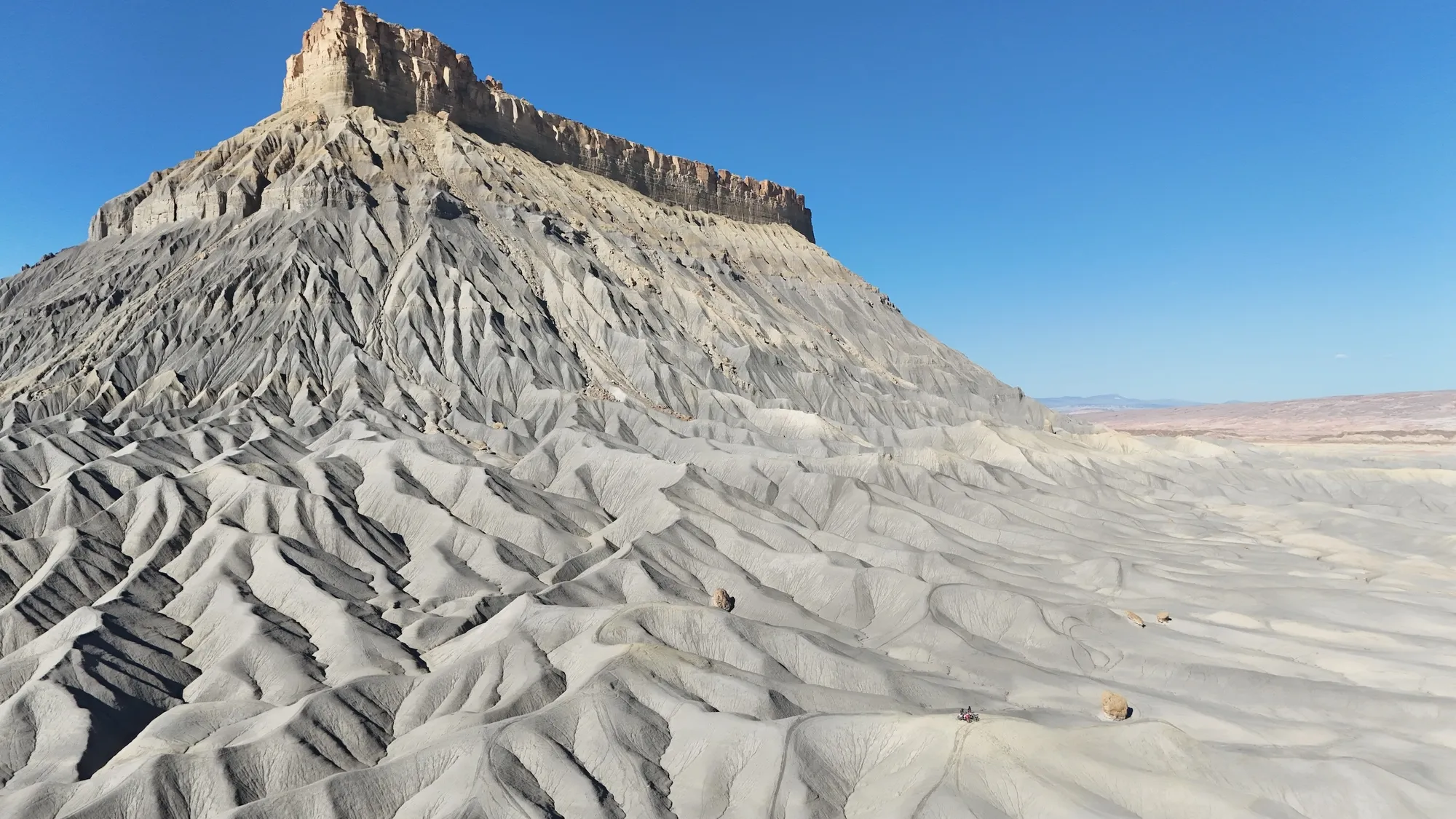
Factory Butte in Utah's high desert badlands, captured in daylight under clear blue sky. The formation's distinctive multi-colored strata and steep erosional gullies dominate the frame. Arid terrain with minimal vegetation stretches across the foreground and background. Typical American Southwest landscape.
NastyNils / Nastynils.com

Best motorcycle for Moab?

This is your terrain. The traction, low center of mass, and agility suit technical slickrock and sand, but the 2.1 gal (8 L) tank keeps you honest, so plan day-trips around fuel.

Made for Bar M / Kane Creek · Imperial Sand Dunes · Johnson Valley OHV Area
Best motocross bike for Loretta Lynns?

Straight talk: this is built as an enduro, with the flywheel mass and gearing to match, not a dedicated racer. It trains and it's fun, but it won't out-punch a purpose-built motocrosser on a groomed track.

Made for Carnegie State Vehicular Recreation Area · Fox Raceway at Pala · Glen Helen Raceway

Best motorcycle for BDR routes?

For the technical stretches it's a joy, light and precise. But a 2.1 gal (8 L) tank and no luggage system make it the wrong tool for long backcountry days and the logistics they demand.

Made for AZBDR — Arizona Backcountry Discovery Route · California BDR South · COBDR — Colorado Backcountry Discovery Route

Alternatives to the BMW G 450 X

If this one isn't quite the fit, these are the bikes worth riding back-to-back against it.

Any price note compares both bikes at the same age — the youngest age both have on the used market — against this BMW G 450 X. “cheaper/pricier” is what that bike costs second-hand, not how worn it is.