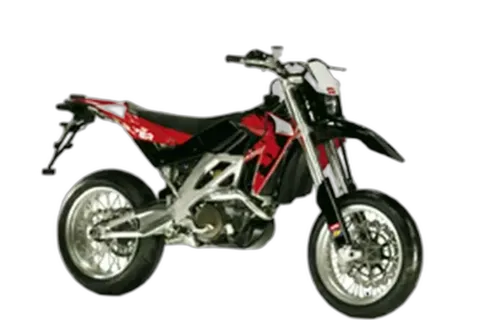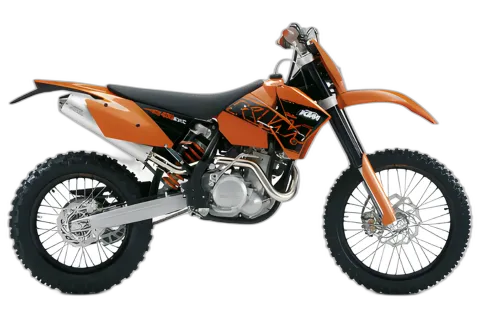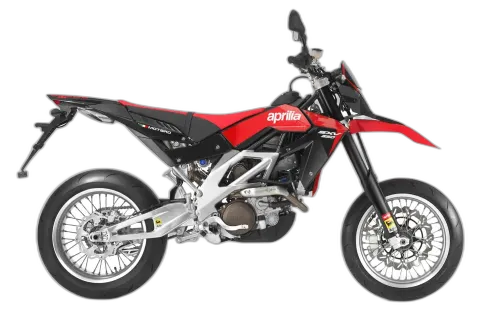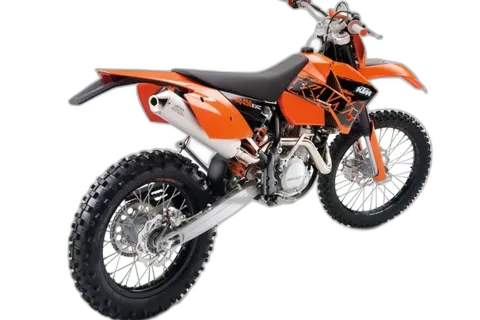
Aprilia RXV 450 (MY2006) — Enduro
Aprilia Press

2006–2008 · Enduro · Buyer's Guide

RXV 450 (MY2006)

4 / 5 NastyNils Rating · against its class

The Exotic V-Twin Enduro Weapon

The Machine's Character

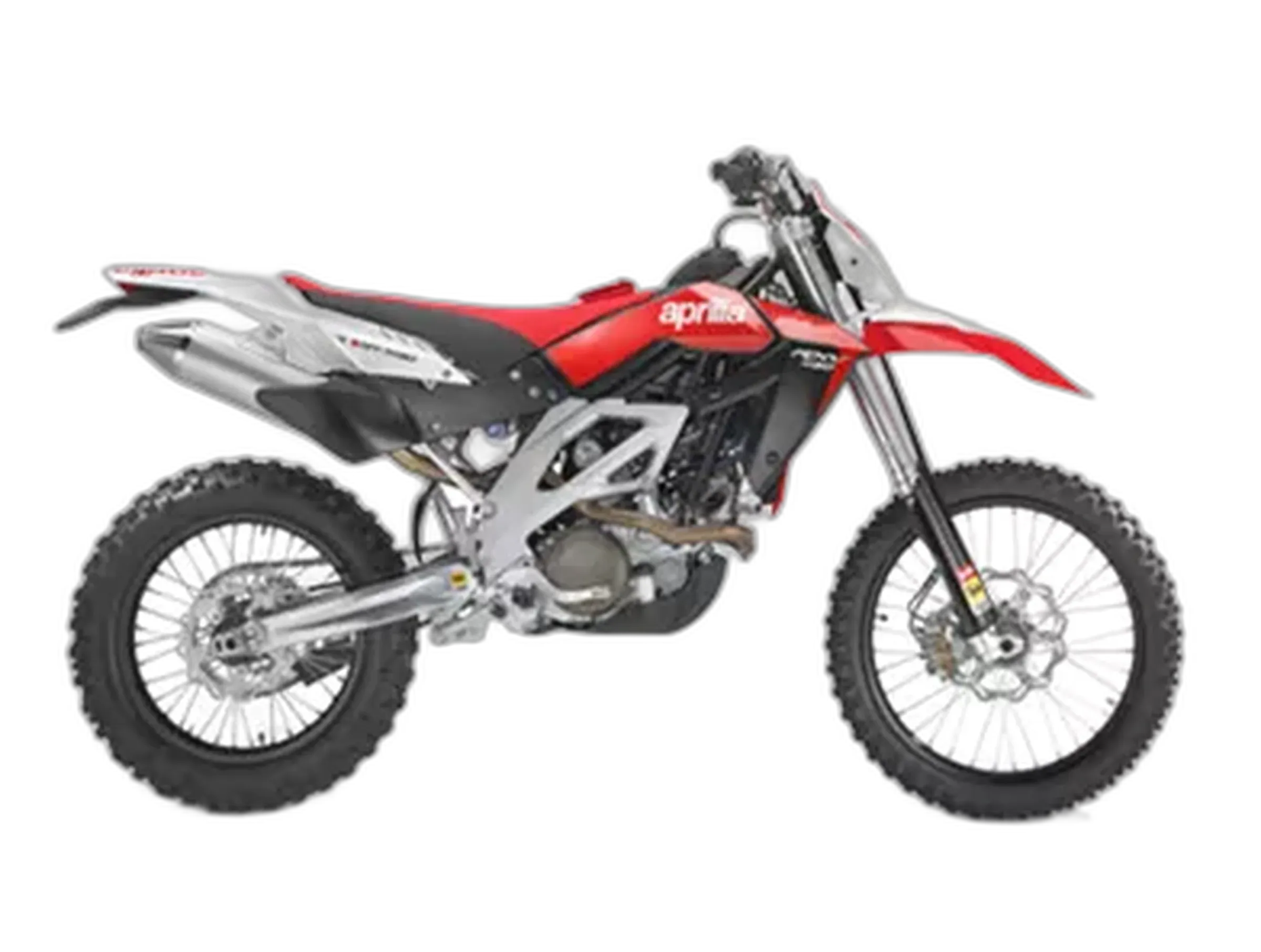
A 449 cc 77° V-twin in an enduro: that's the whole story of the RXV 450, and it's why nothing else in the class feels like it. Everybody else builds singles. Aprilia packed this compact twin into an aluminum perimeter frame, gave it adjustable suspension at both ends with 11.8 in (298 mm) of travel up front and 12.2 in (310 mm) at the rear, and brought it in at 300 lb (136 kg) wet. 60 hp and 40 lb-ft from that package is serious. Electronics? None. No traction control, no ride modes, no ABS. This is Aprilia thinking like a race department. Exotic, and dead serious.

It rides more like a motocross bike than a trail tool. The midrange hits hard, the engine wants revs, and it only pays you back when you ride it aggressively. By my enduro yardstick, where rideability beats peak power, that's a demand and not a gift. It ages like a race bike too: oil changes every 5 to 10 hours, a top-end rebuild every season, and engine case gaskets that can fail and let coolant and oil mix, especially on early 2007 models. This is for the experienced rider who wrenches and wants something nobody else has. Everyone else should walk away. Tough school!

Hard Numbers

Spec sheets don't ride bikes, but they set the baseline.

Show full specs & equipment Hide specs & equipment
Key specifications
Power 60 hp (44 kW)
Torque 40 lb-ft (54 Nm)
Displacement 449 cc
Engine 77° V-twin
Cooling Liquid-cooled
Gearbox 5-speed
Final drive Chain
Fork Upside-down (USD)
Front brake 270 mm
Front tire 90/90-21
Rear tire 140/80-18
Ground clearance 15.6 in (396 mm)
Front travel 11.8 in (298 mm)
Rear travel 12.2 in (310 mm)
Seat height 37.0 in (940 mm)
Wet weight 300 lb (136 kg)
Fuel capacity 2.1 gal (7.8 L)

Equipment check

Chassis

  • Front Suspension Adjustable Standard
  • Rear Suspension Adjustable Standard
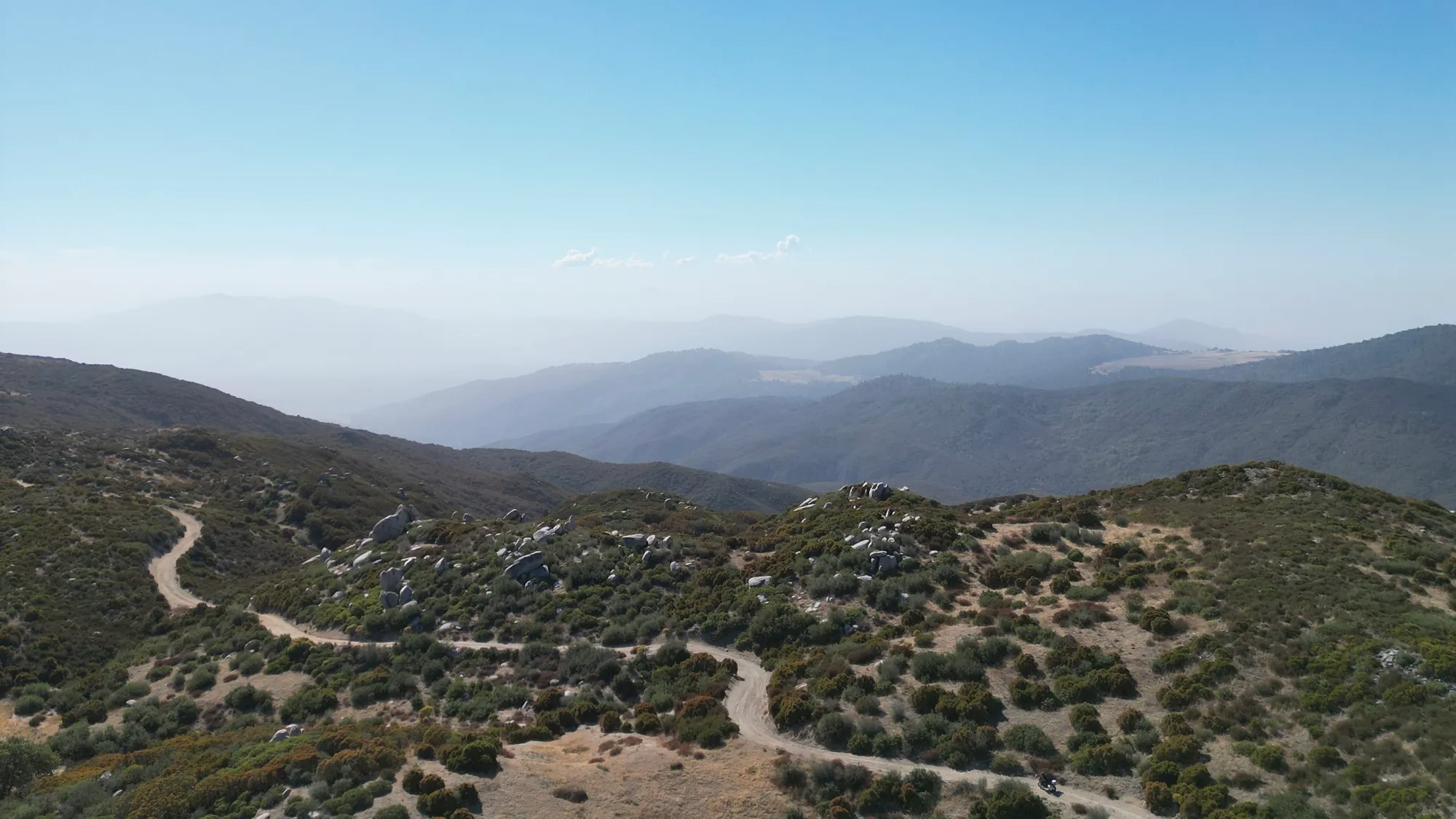
Aerial drone view of Palomar Divide Road winding through chaparral-covered mountain ridges in San Diego County. Multiple S-curve sections descend through sparse vegetation with distant valley views visible in the haze. Gravel and packed-earth surface.

The Truth on the Trail

Riders talk, and after enough years of listening the picture sharpens. The RXV 450 comes up in conversations at events, in what long-term owners pass along at club nights, and in the mail and messages that arrive from people actually putting hours on one. What they describe splits cleanly in two: high marks for the way it rides, steady warnings about what it takes to keep riding it.

The engine riders keep coming back to

Almost every conversation starts in the middle of the rev range. Owners describe a hard hit of drive once the motor is spinning, exciting and strong enough that in their telling the RXV walks away from single-cylinder company. That surge is the reason most of them bought the thing, and it colors how they talk about the rest of the bike. A smaller number raise the other side of it. Below that midrange they find the engine flat, and they work the clutch to hold momentum when the trail turns technical.

A chassis they trust in tight going

Weight is the next thing riders mention. They put it on par with a motocross bike and say they feel it where it counts, in tight terrain, where they call the RXV nimble and easy to flick from line to line. Suspension gets steady approval as well: riders rate the fork and the rear linkage highly over broken ground and say the feedback holds up as the pace rises. Some qualify that, noting the stock settings can bottom out under hard riding or a heavier rider. Brakes come up less often, but the riders who raise the subject report plenty of stopping power and real confidence on ugly descents.

The ownership warnings run deep

The complaints all point one way, and they begin inside the engine. The single most repeated report, by a wide margin, is coolant finding the oil through failed cylinder base gaskets or case sealant, with owners describing damage severe enough to finish the motor. Right behind it sits the service clock: oil every 5 to 10 hours, a top end at 100, which riders say costs them serious money and shop time. Electrical faults are another familiar theme, with chafed or burnt wiring and hot-start trouble that owners say has left them sitting. Parts are the fourth constant. On a low-volume machine long out of production, replacements are reported as expensive, slow to track down, and thinly supported by the aftermarket. A few riders add that the small tank has them hunting fuel around 70 miles.

Known issues

  • Coolant and oil mixing from gasket failure

    engine common

    Engine case gaskets (especially on early 2007 models) can fail, causing coolant and oil to mix. This often leads to bearing failure and a ruined engine if not caught early.

  • Premature engine failure requiring rebuild

    engine occasional

    Catastrophic failures can occur due to gasket issues, rod puncturing the oil tank, or inherent fragility, necessitating a full rebuild often before significant mileage.

  • High maintenance frequency

    engine very common

    Race-oriented maintenance schedules demand oil changes every 5–10 hours and top-end rebuilds every season, making ownership expensive and time-consuming.

  • Plastic oil filter cover prone to failure

    engine common

    The stock plastic oil filter cover is known to blow off under pressure. Owners strongly recommend replacing it with an aluminum aftermarket version.

  • Electrical harness damage and starting issues

    electrics common

    Poor speedometer cable routing can chafe against the front disc, causing shorts that blow fuses (e.g., 7.5A) and prevent restarting. Additional issues include 30A fuse blowouts and tipover sensor glitches that require key-cycling to restart after a stall.

The Expert Benchmark

Where this Aprilia RXV 450 pulls ahead of — or falls behind — its rivals on the numbers, and the typical bike in its class on character.

What kind of bike this is — character vs. the class

This bike Class average

Head-to-head: Aprilia RXV 450 vs. its rivals

The 'Should I Buy It?' Score

Forget spec-sheet bragging. Here's who the RXV 450 is actually built for.

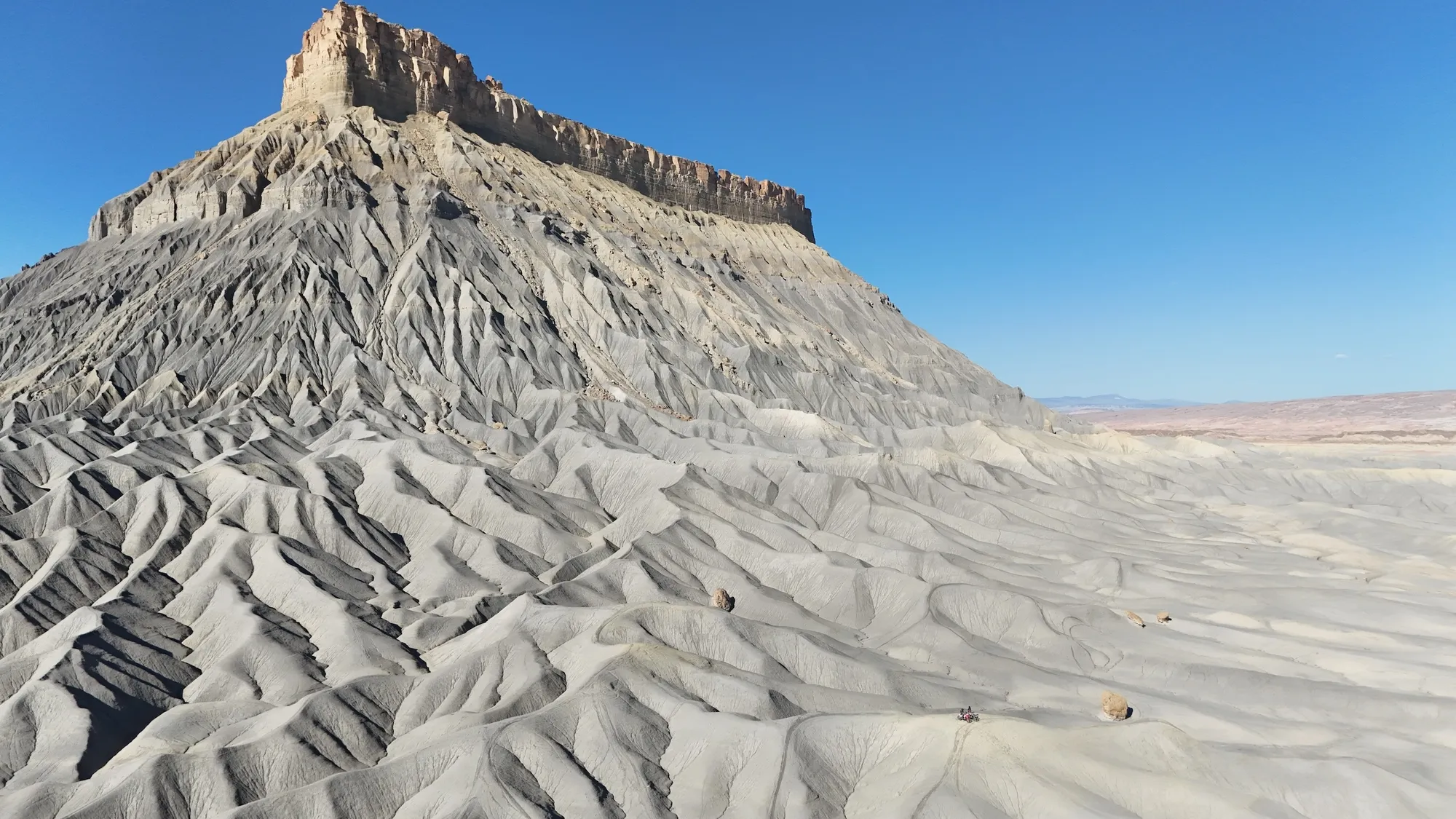
Factory Butte in Utah's high desert badlands, captured in daylight under clear blue sky. The formation's distinctive multi-colored strata and steep erosional gullies dominate the frame. Arid terrain with minimal vegetation stretches across the foreground and background. Typical American Southwest landscape.
NastyNils / Nastynils.com

Best motorcycle for Moab?

Technical ground is where it shines: light, long-travel, seriously capable. But the 2.1 gal (7.8 L) tank and 5 to 10 hour oil changes keep it to day trips. Multi-day routes? No.

Made for Bar M / Kane Creek · Imperial Sand Dunes · Johnson Valley OHV Area
Best motorcycle for BDR routes?

Wrong tool. You plan around range and logistics, and this gives you 2.1 gal (7.8 L) of fuel, no luggage system and an oil change every 5 to 10 hours. Great in the dirt, hopeless for travel.

Made for AZBDR — Arizona Backcountry Discovery Route · California BDR South · COBDR — Colorado Backcountry Discovery Route