Zero SR (Gen2) — Electric Motorcycle
NastyNils / Zero press archive

2016–2019 · Electric Motorcycle · Buyer's Guide

SR (Gen2)

Silent Launch, Instant Torque

The Machine's Character

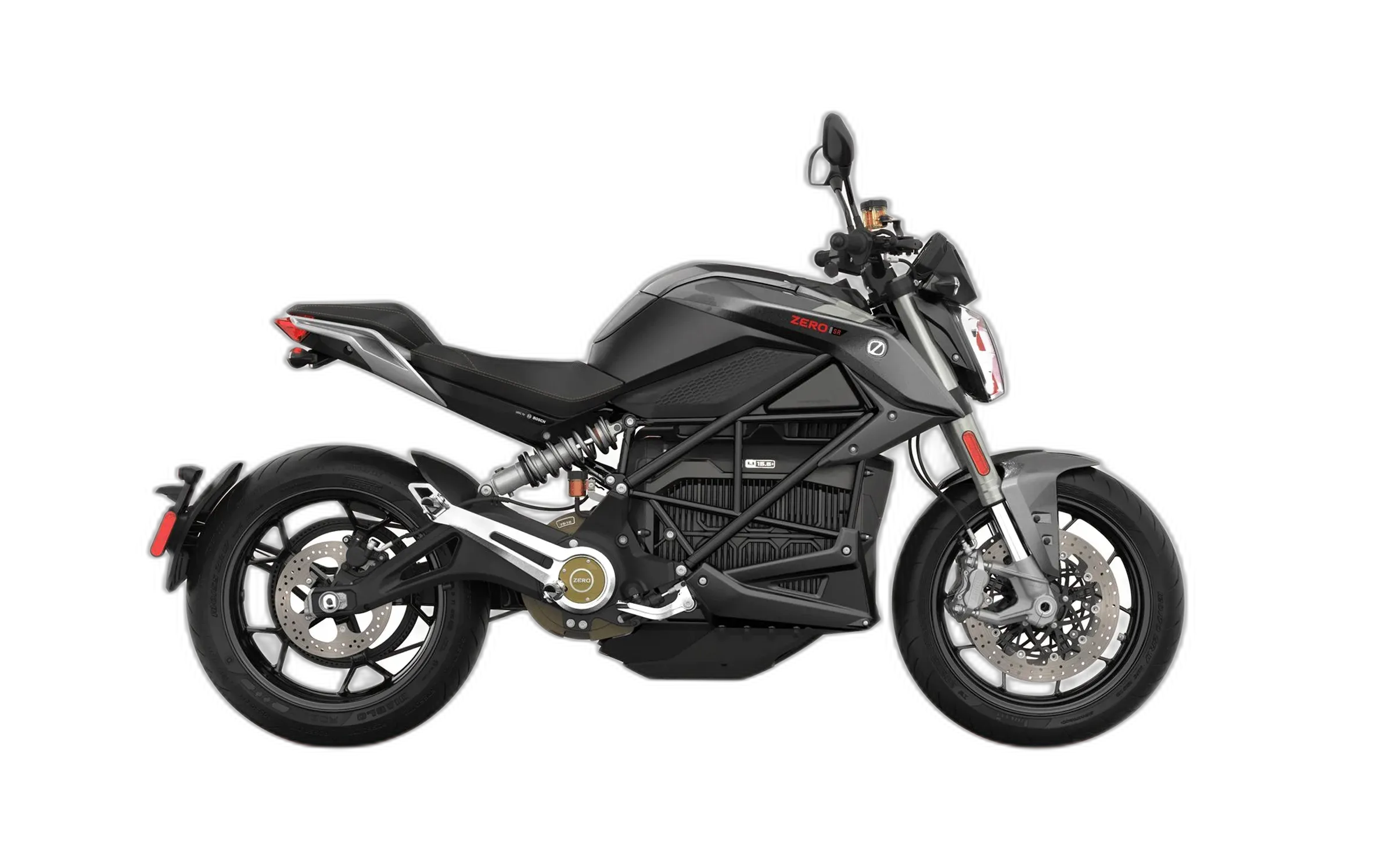
The SR runs an air-cooled AC electric motor making 68 hp and 108 lb-ft, and every bit of that torque is on tap the instant you touch the throttle. There is one speed, a belt final drive, and no clutch, so the whole drivetrain comes down to twist and go. An aluminum twin-spar frame keeps the mass tight and low, and at 414 lb the bike hides its battery weight well. ABS and ride modes come standard. In its class it stands as a genuine standard motorcycle built around silence and immediate punch rather than pistons.

Ride it and the appeal lands inside the first mile. It launches hard from anyone's wrist and threads city traffic with the ease of a much smaller machine, and it asks almost nothing of you day to day, since there is no chain to lube and no warm-up to sit through. The honest caveat is money. The motor earns its keep completely, but the wheels, suspension, and brakes feel like they came off a cheaper bike, and there is no traction control to catch a greedy throttle. This is an urban tool, not a tourer, and it never pretends otherwise.

Hard Numbers

Spec sheets don't ride bikes, but they set the baseline.

Show full specs & equipment Hide specs & equipment
Key specifications
Power 68 hp (51 kW)
Torque 108 lb-ft (146 Nm)
Engine Electric
Cooling Air-cooled
Gearbox 1-speed
Final drive Belt
Front tire 110/70-17
Rear tire 140/70-17
Seat height 31.8 in (807 mm)
Wet weight 414 lb (188 kg)
Top speed 102 mph (164 km/h)

Equipment check

Safety

  • ABS Standard
  • Ride Modes Standard

The Voice of Experience

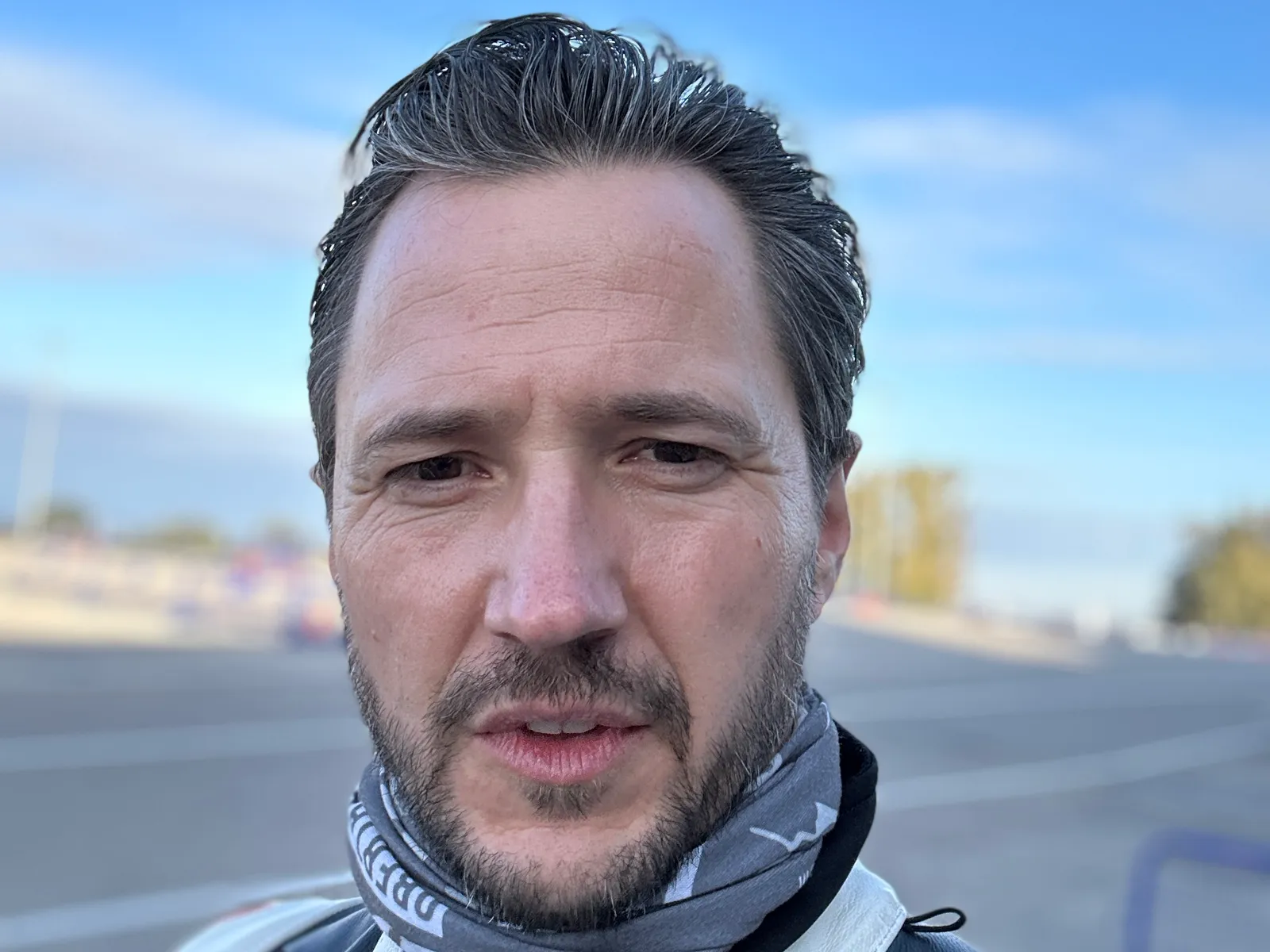
Portrait of NastyNils

The test ride

Thumb the bike alive and nothing happens, at least nothing you can hear. Pull away and there is no engine note, no heat, no vibration through the pegs or bars, just a faint whir and the wind building. The riding position is upright and roomy, and at 31.8 in the seat lets most riders plant both feet at a light. Your left hand has nothing to do and your left foot nothing to press, and after a couple of days that emptiness reads as freedom rather than something missing. Around town the bike feels lighter than its 414 lb suggests, changing direction with a light push at the bars and holding a steady line through slow, awkward maneuvers. It stays calm, quiet, and oddly relaxing to pilot at city pace.

Rated point by point — where it earns its keep

My own 0–100 score for this bike against the class, area by area — the marker on each bar is the class average.

In the city this bike behaves like a small streetfighter rather than a machine loaded with heavy cells. Low-speed maneuvering, sharp changes of direction, threading between stopped cars: all of it comes easy, and at slow pace it never betrays the weight it carries. That changes at deep lean. It shows no interest in falling in by itself, and bringing it around means working the bars with real intent, which cost me a few miles before I could place it cleanly through a quicker bend. That reluctance is down to the battery mass sitting low in the frame.

The motor is the piece that earns everything here. It hands any rider the same effortless launch, no technique to learn and nothing to time, and on an open stretch the drive climbs in one unbroken line with the chassis planted beneath it. The catch is the character. With no traction control to step in, an aggressive roll-on out of a tight corner kicks the rear loose even at low speed, and it does it so calmly that it's easy to forget how much bite is sitting under your wrist.

Out in traffic, the striking thing is how little this bike registers. With no exhaust note, no mechanical racket and no real physical presence, it doesn't collect the attention a combustion bike pulls without trying. Drivers don't fix on you, and even a passing patrol car tends to wave you through unnoticed. It hands you an unusual kind of freedom in dense streets: instead of broadcasting where you are to everyone around, you slip through the city and move along in its current.

The way I read this bike's build, the motor and the chassis around it belong to two different price brackets. The drivetrain earned my complete trust; it feels engineered to keep going and never showed a weakness. What surrounds it doesn't match. The wheels and suspension carry the feel of budget parts, the kind you'd find on a much cheaper motorcycle, and set against what this one costs, that gap is the hard thing to swallow. The motor is worth every penny. The gear bolted around it isn't.

For a bike wearing this price, the brakes are the clearest place it comes up short. The rear is genuinely underdeveloped, soft enough that I mostly stopped bothering to use it, and the front does its job without ever feeling sharp or giving me a reason to trust it hard into a corner. Neither end inspires any confidence. It's the one mismatch on this bike I can't explain away.

What stuck with me most is how much this bike quietly deletes from a normal day. I ran it off an ordinary garage outlet and stopped thinking about fuel altogether; it sat on the plug and greeted me at a full charge every morning, no station run planned the night before. Across a regular round of commuting and short city hops there was always plenty left in the battery, so in the job it's built for, the range question sorts itself out fast. Then there's everything you no longer do: no lever to pull, no pattern to shift through, no chain to lube, no warm-up to sit out. After a few days of that, getting back on a conventional bike felt like shouldering a backpack full of old problems. Two honest limits push back. In busy areas people step straight into your line because nothing warns them you're there, and the whole idea was shaped around town and short daily use, not long-haul travel.

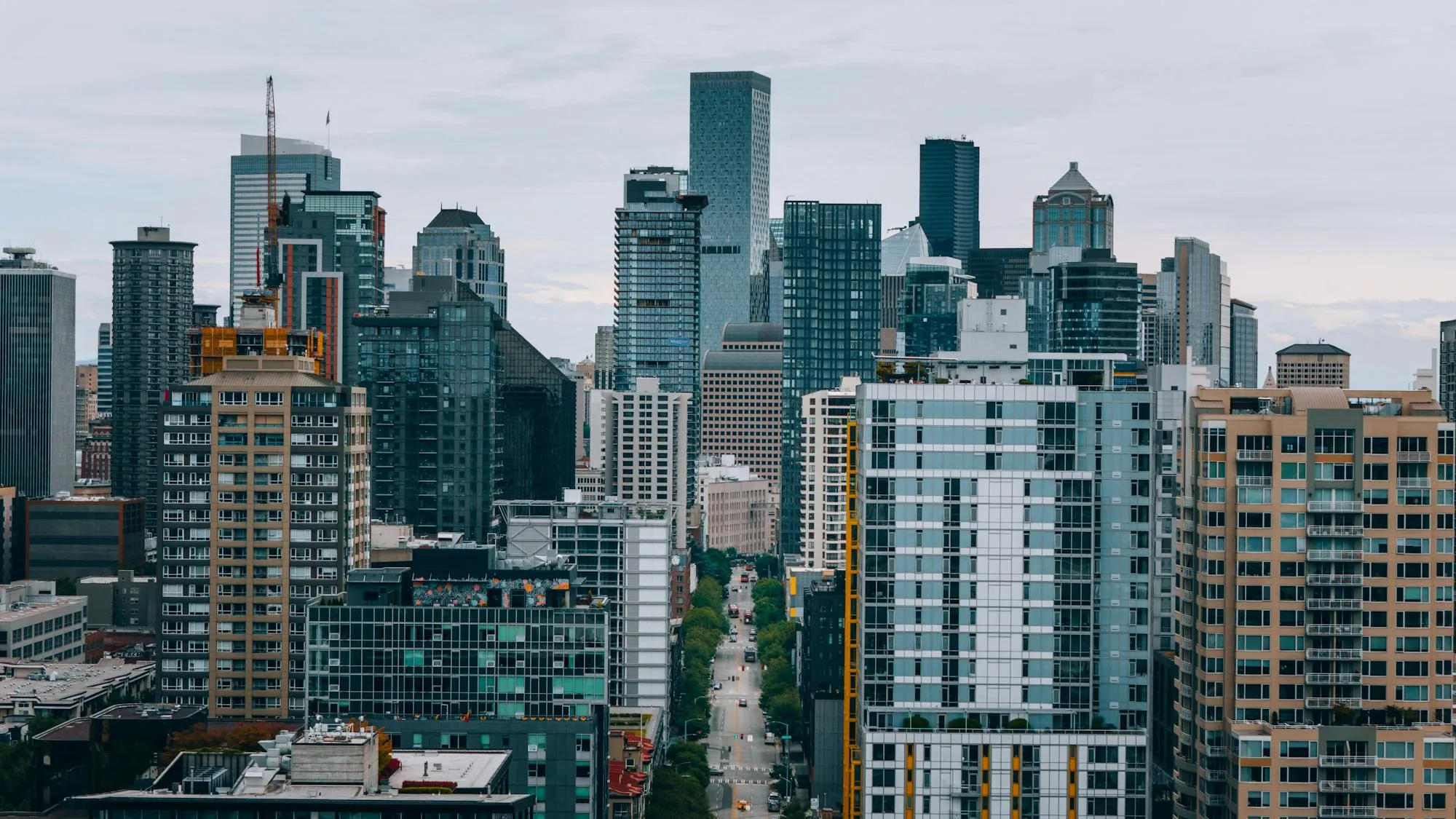
Elevated aerial view of Seattle's downtown skyline looking toward the city core along a dense urban street canyon. A mix of glass-and-steel skyscrapers and mid-rise residential towers fills the frame. A construction crane is active on the left. The street below carries light vehicle traffic flanked by mature street trees.
Josh Hild / Pexels

The Truth on the Street

This isn't a lap I rode. It's what I've pieced together over years of listening: the threads owners trade, talk at the track, and the notes riders send me directly. On the SR Gen2 the chatter settles into a clear shape: praise around the drivetrain, frustration once the ride leaves town.

The drive owners keep praising

The motor comes up before anything else. Owners describe power that lands the instant they roll on, without the hesitation they expected, and it makes the SR feel eager in stop-and-go traffic and on a winding backroad. Close behind is how little the bike asks week to week: nothing to drain, nothing to swap, nothing to keep tensioned, so the money and hours a normal machine swallows mostly vanish. Several also single out the steering, quick and reassuring through slower urban corners.

Where range and charging bite

The complaints show up once you leave town. Run it at highway speed and the miles between charges shrink far enough that long trips stop making sense. Owners share the same gripe about filling it back up: it takes AC power only, a full charge eats much of a working day, and there's no quick-charge shortcut when you're pressed. A smaller circle questions the battery readout, which can mislead after a partial charge or a temperature swing, leaving them unsure how much is really left.

Known issues

  • Inaccurate battery level reading

    electricsoccasional

    The battery management system sometimes displays an incorrect state of charge, leading to sudden drops when the bike is restarted or after standing.

The Expert Benchmark

Where this Zero SR pulls ahead of — or falls behind — its rivals on the numbers, and the typical bike in its class on character.

What kind of bike this is — character vs. the class

This bike Class average

The 'Should I Buy It?' Score

Forget spec-sheet bragging. Here's who the SR is actually built for.

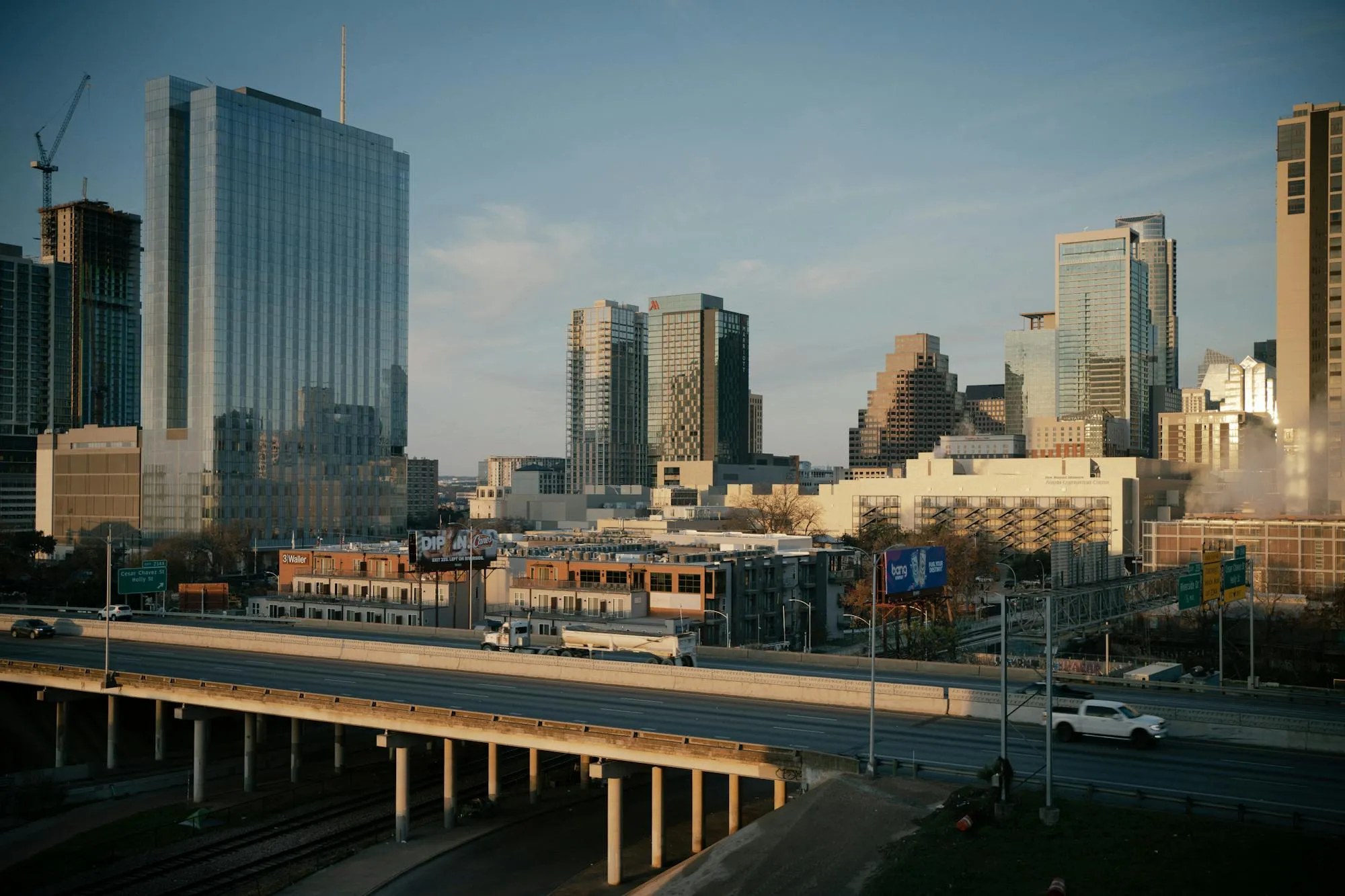
Aerial photograph of downtown Austin, Texas, showing modern high-rise buildings against a clear blue sky. Urban infrastructure, highways, and parking structures visible in the foreground.
Thomas Balabaud / Pexels

Best electric motorcycle for commuting?

If your world is city commuting with the odd weekend loop, this fits cleanly. Instant torque, near-zero maintenance, and overnight charging suit that life, as long as you keep the trips short and urban.

Made for Austin · Bay Area Ridge Roads · Denver / Front Range

Best motorcycle for Bay Area?

Good for the city-to-Skyline crowd chasing something modern and quiet. It carves the ridge roads happily, though weak brakes and no traction control mean you ride the twisties with a measured hand.

Made for Bay Area Ridge Roads · San Francisco / Bay Area · Skyline Boulevard / Alice's Restaurant