·

Harley-Davidson Softail Fat Boy FLFB (FLFB) — Cruiser
NastyNils / Harley-Davidson press archive

2018–2019 · Cruiser · Buyer's Guide

Softail Fat Boy FLFB (FLFB)

Solid Wheels, Maximum Presence

The Machine's Character

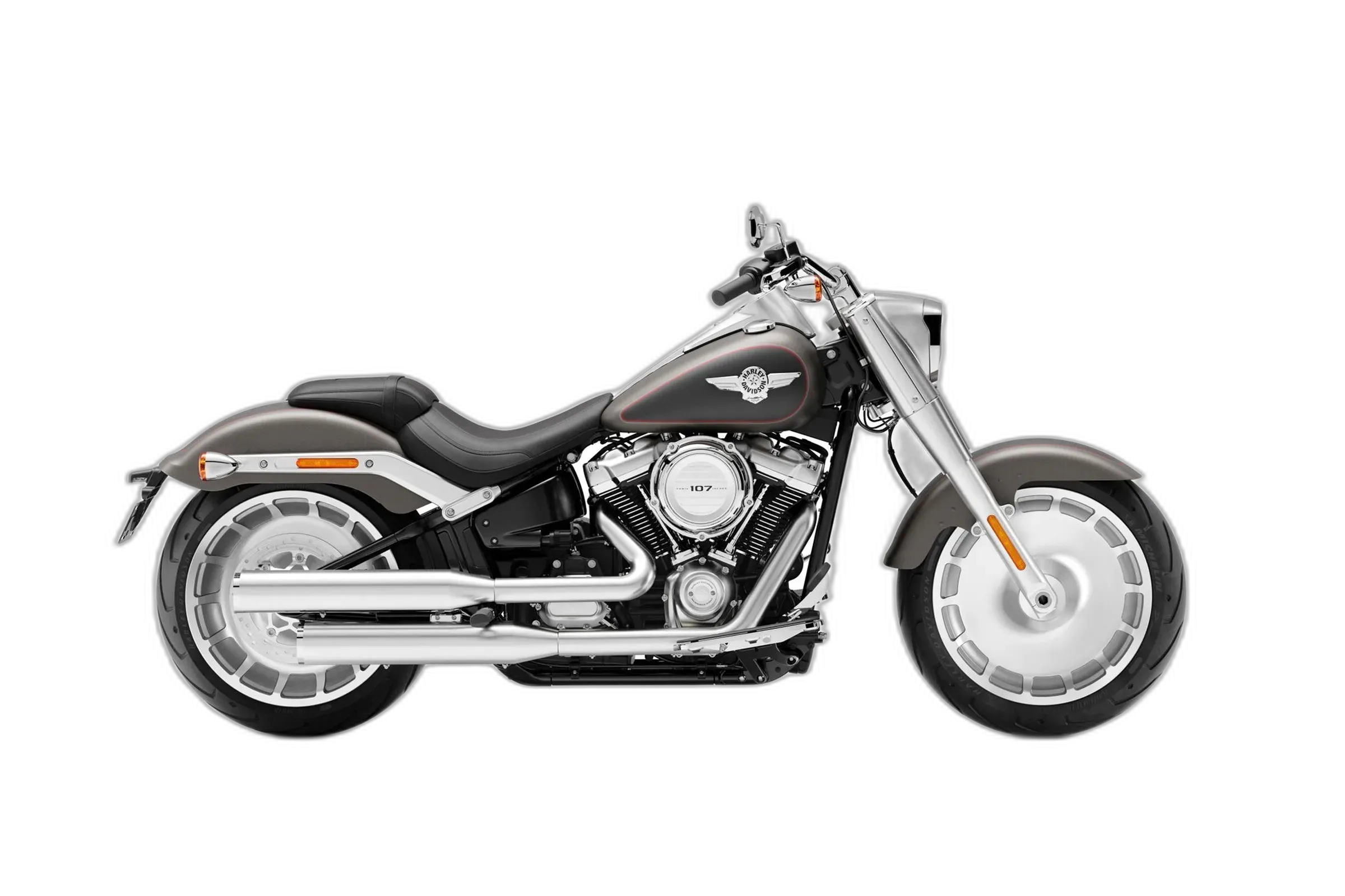
The Fat Boy carries the 1745 cc Milwaukee-Eight V-twin bolted straight into an all-new Softail frame, a tubular steel chassis that hides its single rear shock so the hardtail silhouette stays clean. Air-cooled, belt-driven, running through a 6-speed box, it makes 85 hp and a heavy 111 lb-ft of torque. This is a motor tuned for low-end shove, not top-end numbers. The massive solid-cast disc wheels give it that unmistakable stance, ABS comes standard, and the whole package reads as a low-slung boulevard hot rod with more presence than any spec sheet can explain.

Swing a leg over and the 26.6 in seat drops you low, close to the road. It weighs 699 lb wet, but the center of gravity sits so far down that the mass mostly disappears once you roll. This bike is built for relaxed, attention-grabbing miles, not tight-city darting, and it never pretends otherwise. It rewards riders who want the ritual and the look, and it ages the way good metal does. The honest caveat: this is heavy iron meant for cruising rather than carving through traffic, and early 2018 builds carried a weak oil pump before the mid-year update sorted it.

Hard Numbers

Spec sheets don't ride bikes, but they set the baseline.

Show full specs & equipment Hide specs & equipment
Key specifications
Power 85 hp (63 kW)
Torque 111 lb-ft (150 Nm)
Displacement 1745 cc
Engine 45° V-twin
Cooling Air-cooled
Gearbox 6-speed
Final drive Belt
Fork Telescopic
Front brake 300 mm
Front tire 160/60R18,70V,BW
Rear tire 240/40R18
Wheelbase 65.6 in (1665 mm)
Seat height 26.6 in (675 mm)
Wet weight 699 lb (317 kg)
Fuel capacity 5.0 gal (18.9 L)

Equipment check

Lighting

  • LED Headlight Standard

Safety

  • ABS Standard

The Voice of Experience

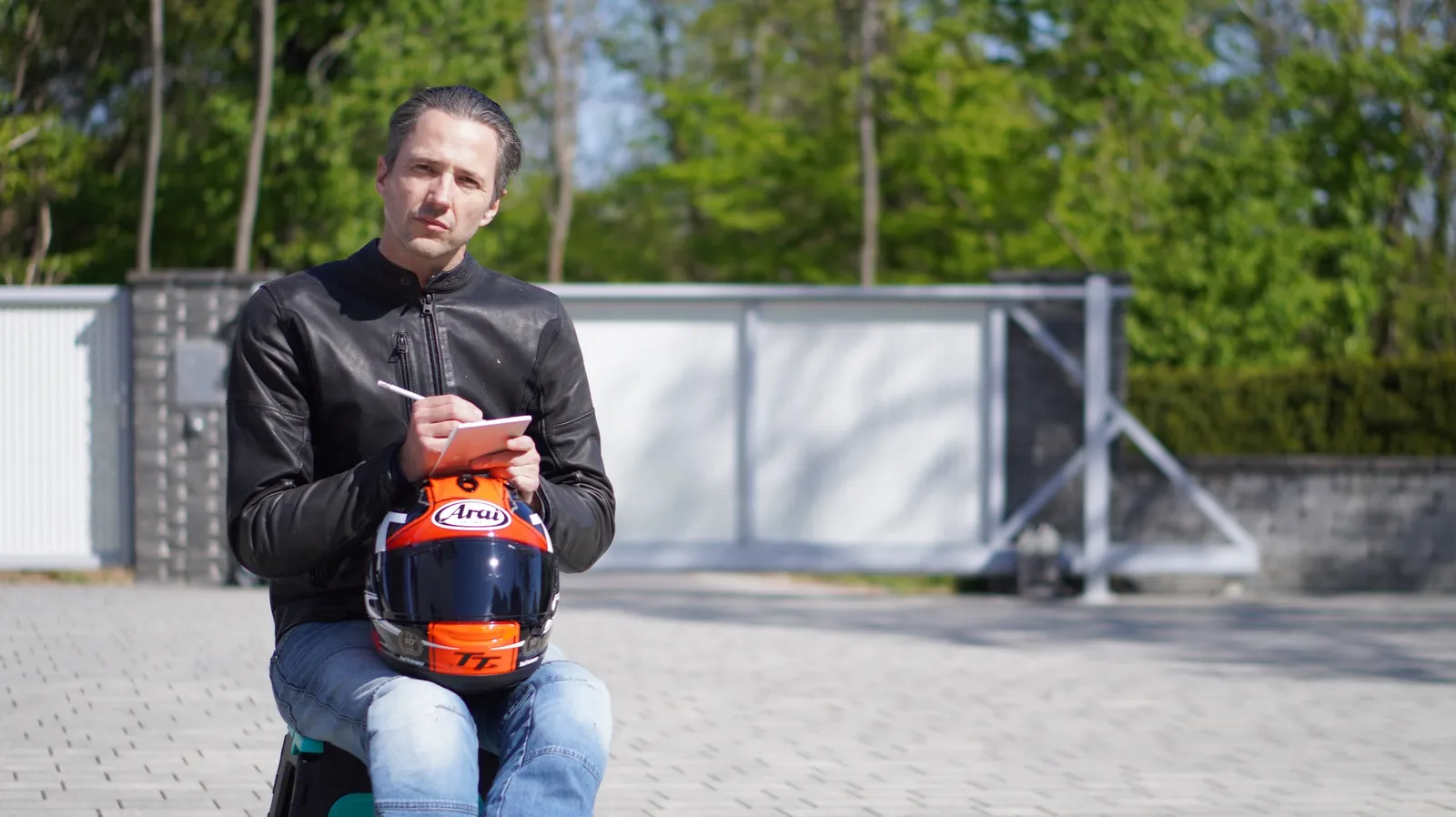
Portrait of NastyNils

The test ride

Thumb the starter and the V-twin settles into that deep, uneven idle you feel through the bars and pegs before you really hear it. The rigid mounting lets the engine talk to you, a steady pulse at a stop that smooths out as the revs climb and the road opens. Ergonomics are pure cruiser: feet forward, back upright, hands falling to a wide bar with no reach or strain. There's real metal under you, and you sense it in every surface your hands and boots touch. Hold a highway pace and it tracks with a planted, unhurried calm, though on open, gusty stretches those big solid wheels do get shoved around, and a long exposed run can leave your hands buzzing. It asks you to slow your rhythm and enjoy the show.

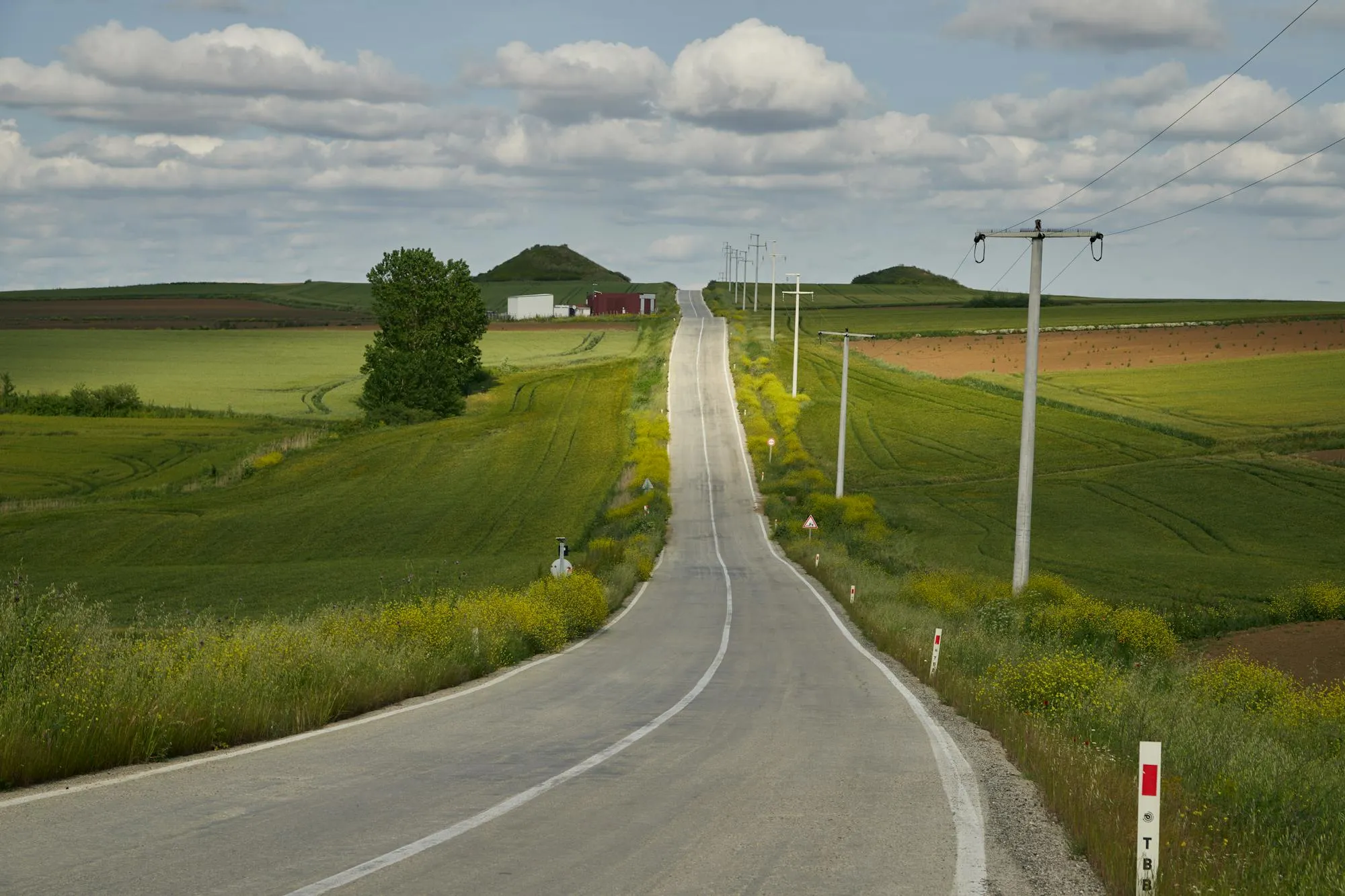
A long, straight paved road stretches toward the horizon through agricultural fields in Vermont. Power lines and a mailbox are visible along the roadside. Lush green vegetation, cumulus clouds, good daylight conditions. The landscape is flat to gently rolling. Asphalt pavement appears to be in good condition. Rural American setting.
Meric Tuna / Pexels

The Truth on the Street

What follows isn't from my own saddle time. It's the signal I've pulled together over years of listening to Fat Boy owners, in paddock conversations and club nights, in the messages and emails riders send my way. Line it all up and the pattern holds steady: the love goes to how it looks and how it pulls, while the grumbling settles on price and what's missing from the equipment.

Where the love lands

Riders keep circling back to the look. The big solid disc wheels and the heavy, sculpted bodywork draw eyes at every stop, and owners bring it up again and again. Right behind the styling sits the motor, praised for a wave of torque almost from idle that makes rolling on in any gear feel relaxed and muscular. Many also say it holds the road with more composure than the Softail it replaced, and a few note that the paint, switchgear, and general finish read a step more premium than before.

Where the grumbling starts

The loudest complaint is about value. For the money it asks, owners feel the instruments stay simple and analog, with no cruise control or riding modes on the menu. A smaller group brings up manners at walking pace, where the fat rear tire and the bike's weight ask for real, deliberate muscle to steer through tight turns.

Known issues

  • Oil pump sumping on early 2018 models

    engineoccasional

    A weak oil pump design can cause excessive crankcase pressure (sumping), leading to oil blow-by and potential engine damage. Mid‑2018 production received an updated pump.

  • Crosswind sensitivity due to solid wheels

    chassisrare

    The large solid disc wheels can catch strong side winds, causing the bike to feel unsettled and some riders report hand/arm numbness on exposed highways.

The Expert Benchmark

Where this Harley-Davidson Softail Fat Boy FLFB pulls ahead of — or falls behind — its rivals on the numbers, and the typical bike in its class on character.

What kind of bike this is — character vs. the class

This bike Class average

The shape of the Harley-Davidson Softail Fat Boy FLFB — numbers and character vs. the average Cruiser

Head-to-head: Harley-Davidson Softail Fat Boy FLFB vs. its rivals

The 'Should I Buy It?' Score

Forget spec-sheet bragging. Here's who the Softail Fat Boy FLFB is actually built for.

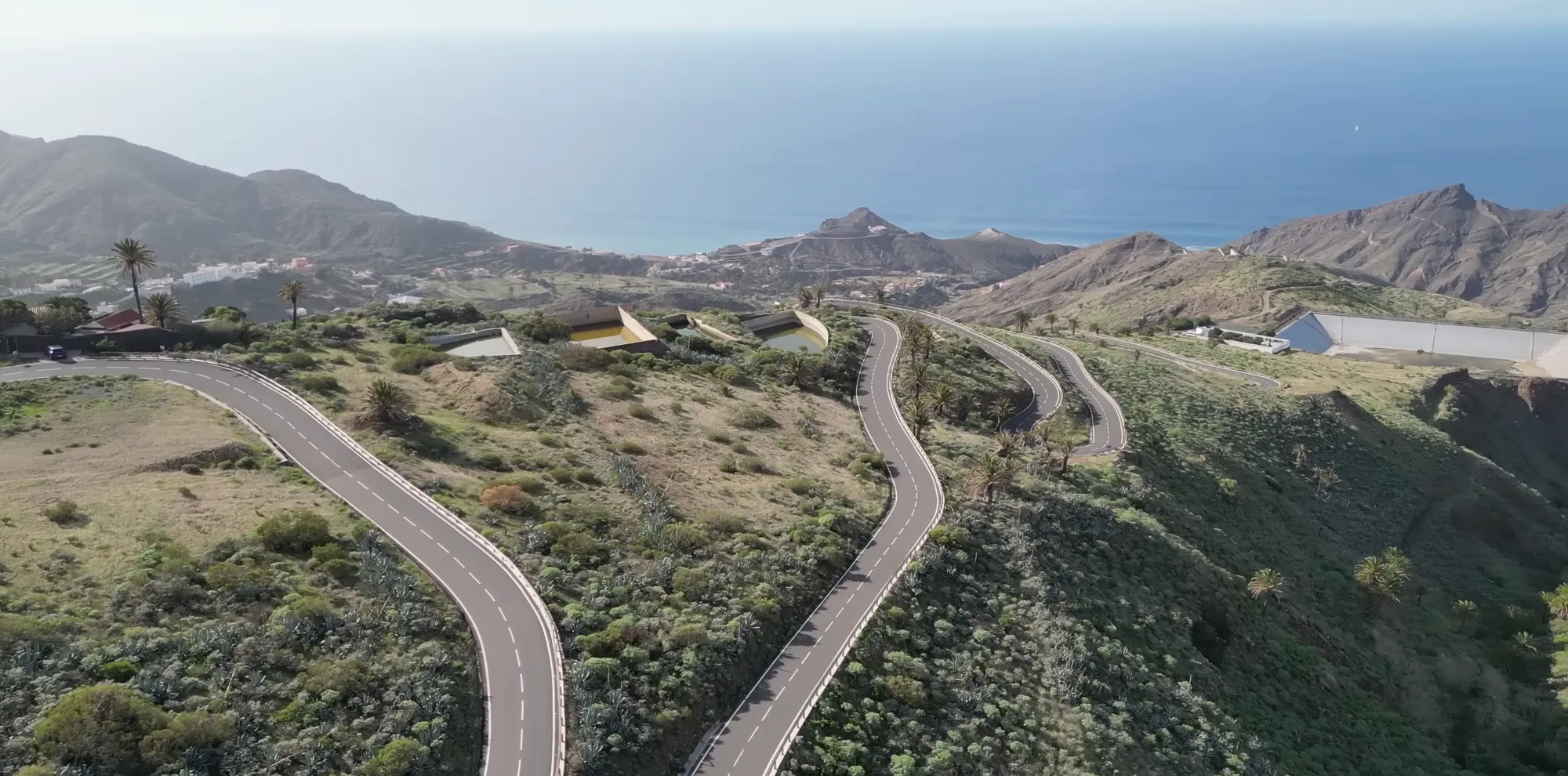
Aerial view of a winding asphalt road cutting through volcanic terrain on La Gomera, Canary Islands. The road curves through sparse green vegetation with rocky volcanic peaks visible in the background and a settled valley to the left. Clear lane markings, dry climate, partly cloudy sky.

Best cruiser for Sturgis?

If your calendar runs through Sturgis and Daytona and the bike is part of who you are, this one is a bullseye. The stance, the sound, and the sheer presence deliver exactly the statement you ride for.

Made for A1A — Florida Atlantic Coast · Black Hills / Sturgis Rally Hub · Daytona Main Street / Bike Week

Best retro motorcycle for road trips?

Chasing small towns and historic two-lanes at an easy pace, you'll love the look and the relaxed cadence. Just know this is heavy metal built to cruise, so keep the days unhurried and the stops frequent.

Made for Acadia National Park · Austin / Handbuilt Motorcycle Show · Blue Ridge Parkway

Best touring motorcycle for long distance?

For real coast-to-coast distance and two-up loads over big passes, be honest with yourself: this is a boulevard cruiser with a 5.0 gal tank and open ergonomics, happy on the ride but light on touring hardware.

Made for Beartooth Highway · Blue Ridge Parkway · Going-to-the-Sun Road