
Harley-Davidson CVO Fat Bob FXDFSE (FXDFSE) — Cruiser
NastyNils / Harley-Davidson press archive

2009–2010 · Cruiser · Buyer's Guide

CVO Fat Bob FXDFSE (FXDFSE)

Factory Custom, Full Swagger

The Machine's Character

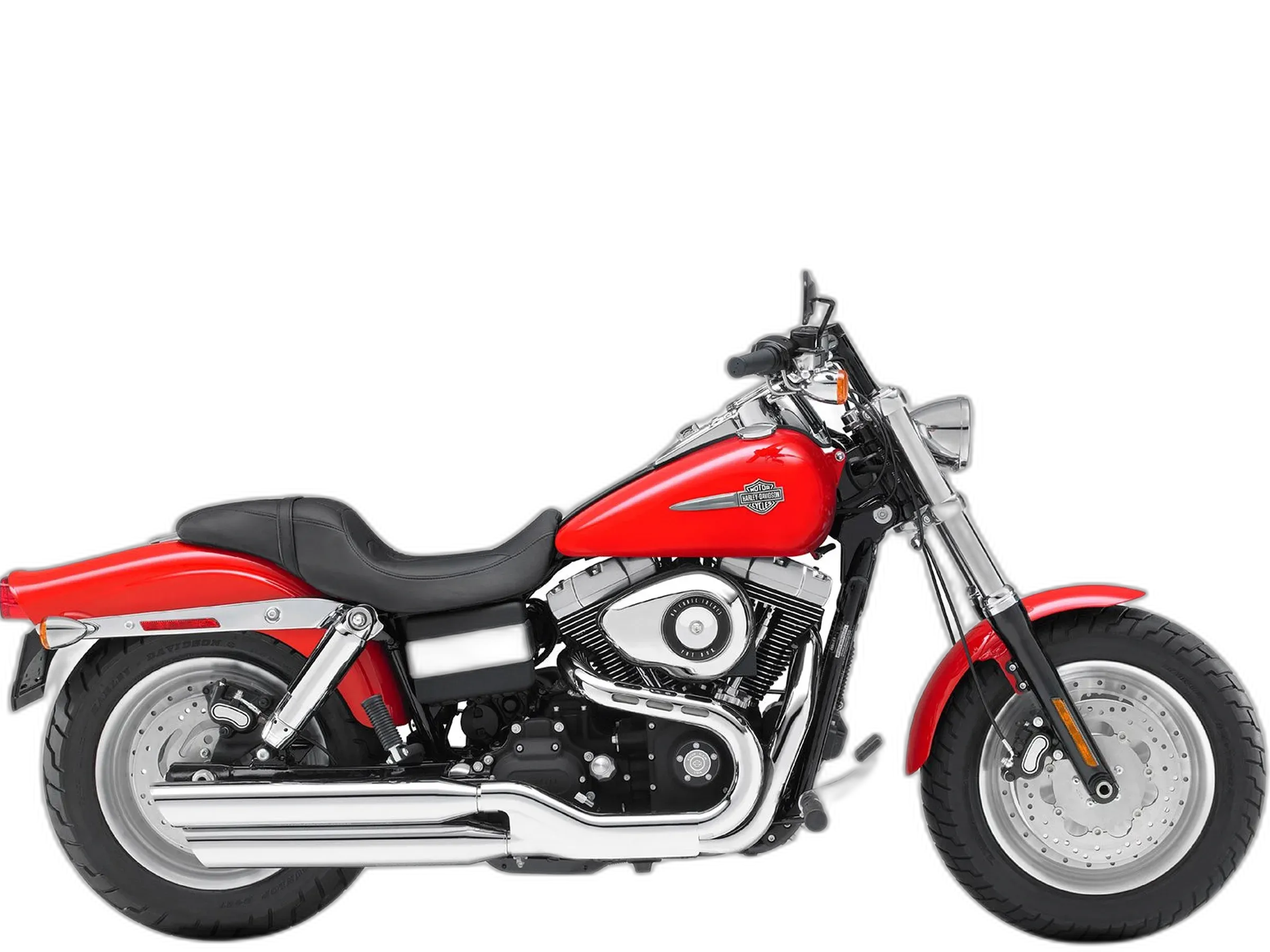
Harley built the CVO Fat Bob in small numbers, and you can see where the money went. The Screamin' Eagle-tuned 1803 cc air-cooled 45-degree V-twin puts out 113 lb-ft at 3,500 rpm through a six-speed box and a belt, with 85 hp sitting further up the range where it matters far less. What separates this one from the rest of the Fat Bob line is the finish work: exclusive paint, machined surfaces, chrome laid on thick, and a 2-1-2 Tommy Gun exhaust that gives the bike its signature bark. A factory hot rod, built as a statement rather than a volume model.

On the road it behaves the way the shape promises. Drive arrives just off idle, the 64.2-inch wheelbase keeps everything planted at highway speed, and the fat 130-section front tire is friendlier through a bend than its look suggests. This is a bike for a rider who wants presence and mechanical theater, not spec-sheet bragging rights. The caveats are honest ones: 719 lb wet, a 106 mph ceiling, no ABS and no traction control, and a fork with no adjustment at all (only the rear shock takes preload). Paint and chrome this exclusive also want a dry garage and regular attention to still look right in ten years.

Hard Numbers

Spec sheets don't ride bikes, but they set the baseline.

Show full specs & equipment Hide specs & equipment
Key specifications
Power 85 hp (63 kW)
Torque 113 lb-ft (153 Nm) @ 3,500 rpm
Displacement 1803 cc
Engine 45° V-twin
Cooling Air-cooled
Gearbox 6-speed
Final drive Belt
Fork Telescopic
Front brake 300 mm
Front tire 130/90B16
Rear tire 180/70B16
Wheelbase 64.2 in (1631 mm)
Seat height 27.9 in (709 mm)
Wet weight 719 lb (326 kg)
Fuel capacity 5.0 gal (18.9 L)
Top speed 106 mph (170 km/h)

Equipment check

Chassis

  • Rear Suspension Adjustable Standard

The Voice of Experience

Portrait of NastyNils

The test ride

Hit the starter and the Tommy Gun pipes drop into a slow, heavy idle you feel through the tank before you register it as sound. At a stop the twin shakes the mirrors; once you're rolling it settles into a steady pulse through the pegs and the seat that stays this side of tiring. The seat sits low at 27.9 inches, so both boots plant flat with room to spare, and the bars set your hands wide and slightly ahead, shoulders open, back upright. It feels enormous at walking pace and then shrinks the moment you're past 30 mph. At a steady road pace it sits still in its lane with wind on your chest and the exhaust loping along underneath. Ride it at its own cadence and it repays you.

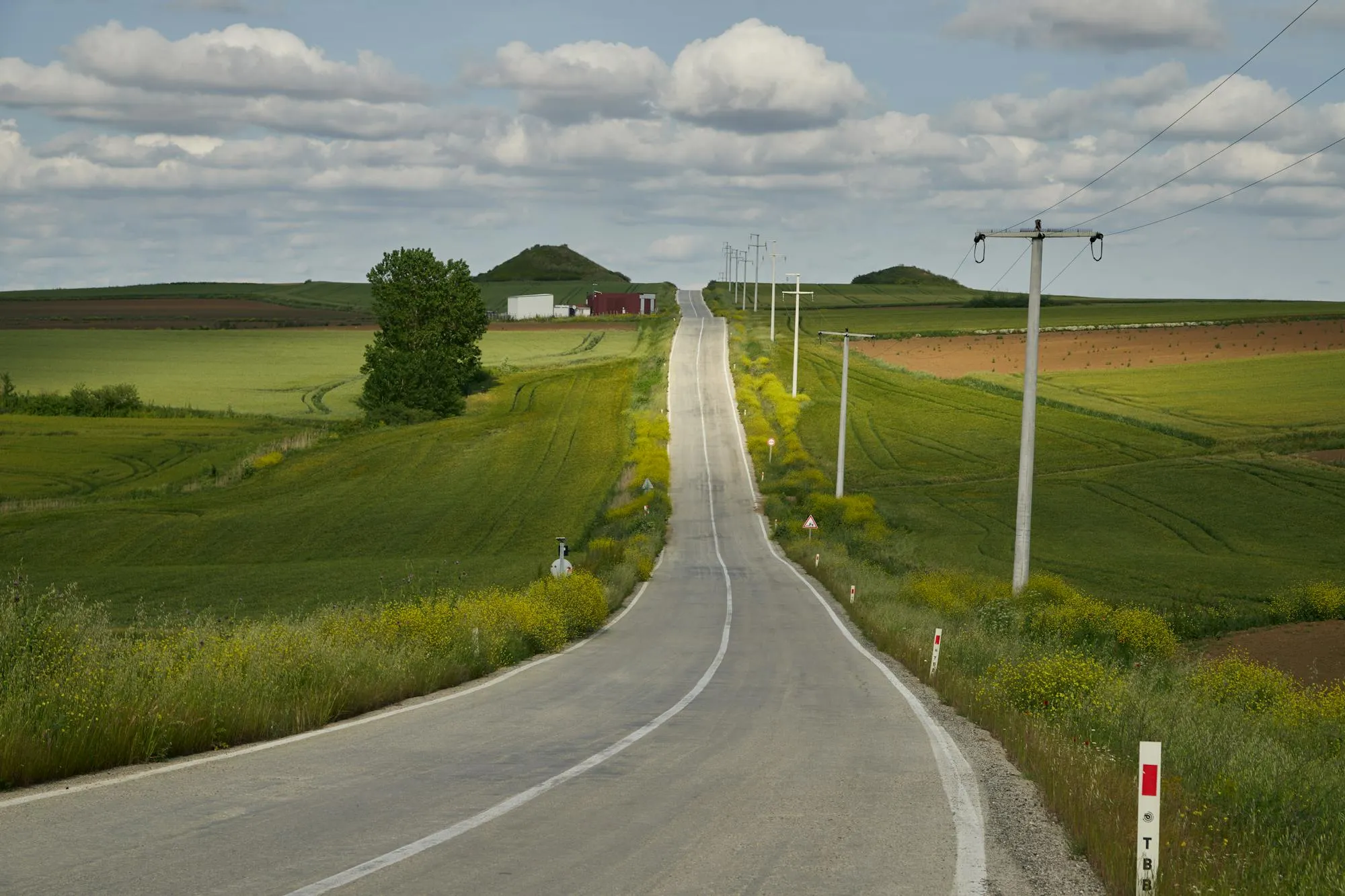
A long, straight paved road stretches toward the horizon through agricultural fields in Vermont. Power lines and a mailbox are visible along the roadside. Lush green vegetation, cumulus clouds, good daylight conditions. The landscape is flat to gently rolling. Asphalt pavement appears to be in good condition. Rural American setting.
Meric Tuna / Pexels

The Truth on the Street

None of this comes from my own test ride. It's what riders have told me over the years: talk in paddocks and parking lots, club nights, and the messages owners send straight to my inbox. On this bike the conversations line up unusually well. The praise clusters tightly around the motor and the presence, and the criticism keeps coming back to one part of the chassis.

What Owners Keep Coming Back To

The big twin dominates the conversation. Riders describe strong, smooth low-end torque that makes town work easy and highway miles relaxed. Handling comes up almost as often, usually with some surprise attached: it turns in willingly and feels lighter than the numbers suggest. The looks do the rest, with owners reporting that the paint, chrome and twin-headlight front end draw attention at every stop. Riders who cover long days add that the seat and riding position hold up.

The Complaints That Repeat

The rear suspension is the recurring one. Owners say travel runs short and it can bottom hard over rough pavement or when pushed. Beyond that, a few mention the price gap over the standard bike, and some report that CVO-specific parts are harder to track down.

Known issues

No widely-reported issues on record.

    The Expert Benchmark

    Where this Harley-Davidson CVO Fat Bob FXDFSE pulls ahead of — or falls behind — its rivals on the numbers, and the typical bike in its class on character.

    What kind of bike this is — character vs. the class

    This bike Class average

    The shape of the Harley-Davidson CVO Fat Bob FXDFSE — numbers and character vs. the average Cruiser

    Head-to-head: Harley-Davidson CVO Fat Bob FXDFSE vs. its rivals

    The 'Should I Buy It?' Score

    Forget spec-sheet bragging. Here's who the CVO Fat Bob FXDFSE is actually built for.

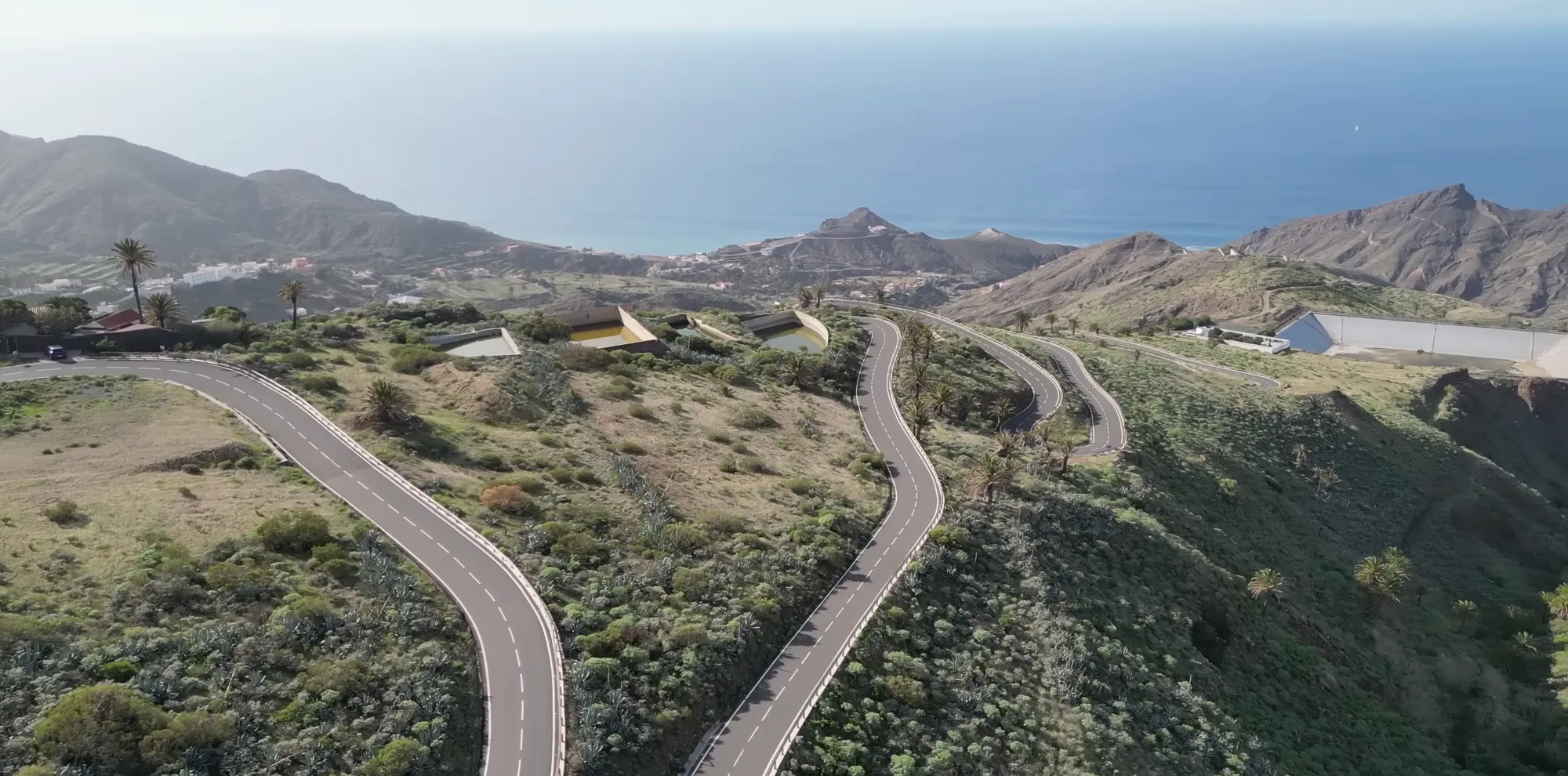
    Aerial view of a winding asphalt road cutting through volcanic terrain on La Gomera, Canary Islands. The road curves through sparse green vegetation with rocky volcanic peaks visible in the background and a settled valley to the left. Clear lane markings, dry climate, partly cloudy sky.

    Best cruiser for Sturgis?

    This one is squarely yours. A limited CVO draws a crowd at every rally stop, and the sound, paint and finish back up the badge instead of trading on it.

    Made for A1A — Florida Atlantic Coast · Black Hills / Sturgis Rally Hub · Daytona Main Street / Bike Week
    Best retro motorcycle for road trips?

    The rhythm suits you: relaxed, loping, small towns at moderate speed. Just know this is heavy chrome-and-muscle Americana, and the five-gallon tank keeps your legs between stops short.

    Made for Acadia National Park · Austin / Handbuilt Motorcycle Show · Blue Ridge Parkway

    Best touring motorcycle for long distance?

    It stays steady and comfortable at highway pace, but there's no cruise control, no luggage and no weather protection. Loaded up for a long park loop, you'll want more bike than this.

    Made for Beartooth Highway · Blue Ridge Parkway · Going-to-the-Sun Road

    Alternatives to the Harley-Davidson CVO Fat Bob FXDFSE

    If this one isn't quite the fit, these are the bikes worth riding back-to-back against it.

    Any price note compares both bikes at the same age — the youngest age both have on the used market — against this Harley-Davidson CVO Fat Bob FXDFSE. “cheaper/pricier” is what that bike costs second-hand, not how worn it is.